Choosing the Best CRM Software for Your Business Needs

As you embark on finding the perfect CRM software for your business, you’re likely overwhelmed by the numerous options available. But before you start exploring, take a step back and assess your organization’s specific needs and goals. What are your sales, marketing, and customer service pain points? What features do you need to streamline processes and boost productivity? By understanding your requirements, you’ll be better equipped to navigate the complex CRM landscape and make an informed decision. But where do you start, and what should you prioritize?

Assessing Your Business Requirements

When evaluating CRM software, it’s essential to start by assessing your business requirements.

You need to identify your organization’s specific needs and goals, as well as the challenges you’re currently facing. What’re your sales, marketing, and customer service processes? What’re your pain points, and how do you envision a CRM system addressing them?

Take an honest look at your current workflows, and think about how you can improve them.

You should also consider your team’s size, structure, and roles. Who’ll be using the CRM system, and what features do they need to perform their jobs effectively?

Are there any specific integrations or customizations you require? Make a list of your must-haves, nice-to-haves, and any potential deal-breakers. This will help you narrow down your options and ensure you’re evaluating CRM software that meets your unique business needs.

Evaluating Core CRM Features

Get down to business by evaluating the core CRM features that will drive your sales, marketing, and customer service efforts.

You’ll want to focus on features that align with your business requirements, such as contact and account management, lead tracking, and opportunity management. Consider how the CRM will help you manage customer interactions, including phone calls, emails, and meetings. Will it provide a 360-degree view of customer activity and history?

Next, think about sales performance management features, like sales forecasting, pipeline management, and performance analytics.

You may also need features like marketing automation, campaign management, and social media integration. Don’t forget about customer service and support features, such as ticketing, case management, and knowledge management.

Evaluate how the CRM will help you manage and analyze customer feedback and sentiment. By carefully assessing these core features, you’ll be able to determine which CRM solution is the best fit for your business needs.

Considering Integration and Scalability

You’ve narrowed down your CRM options based on core features, but now it’s time to think about how they’ll fit into your existing tech ecosystem.

This is crucial, as you’ll want your CRM to seamlessly integrate with other tools and platforms you’re already using. Ask yourself: Will the CRM sync with your email client, calendar, and marketing automation software? Can it integrate with your customer support platform and social media management tools?

When evaluating integration, also consider scalability.

As your business grows, your CRM needs to be able to keep up. Will the CRM be able to handle an increased volume of customer interactions, sales leads, and data storage?

Look for CRMs that offer flexible pricing plans, customizable workflows, and robust reporting capabilities to ensure you can adapt to changing business needs.

Don’t underestimate the importance of integration and scalability – a CRM that can’t keep up with your growth will become a bottleneck, hindering your success.

Weighing Cost and ROI Factors

Cost considerations are a crucial aspect of choosing the right CRM software.

You’ll want to evaluate the total cost of ownership, including implementation, support, and maintenance expenses. Consider the pricing model: do you prefer a subscription-based or perpetual license?

Are there any additional fees for customization, integration, or training? You should also calculate the return on investment (ROI) of each CRM option.

How will the software improve sales productivity, customer satisfaction, and revenue growth? What’re the potential cost savings from automating manual processes and reducing errors?

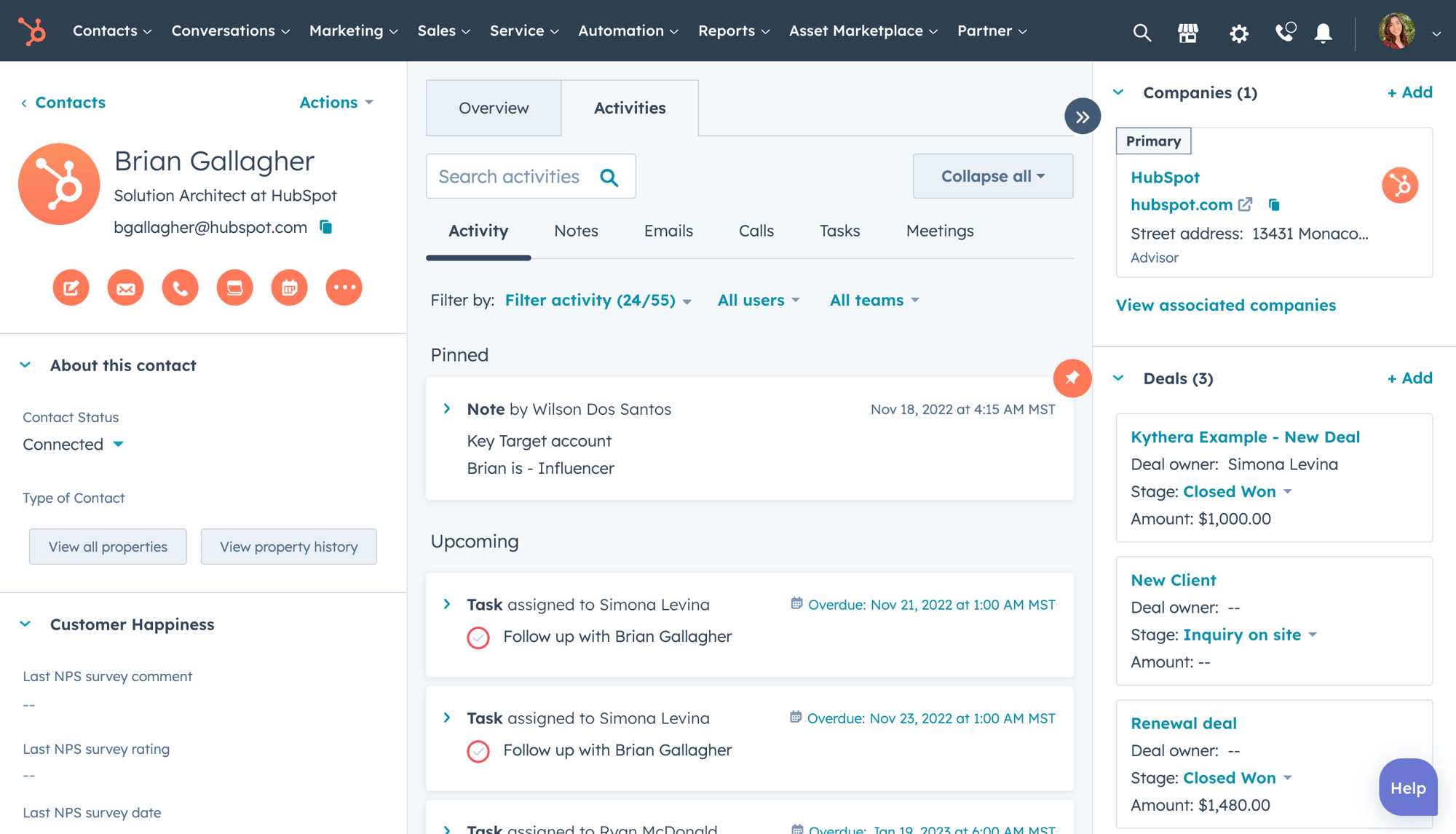
To estimate ROI, consider the costs of your current sales and customer service processes and compare them to the projected costs with the new HubSpot CRM system.

Testing and Implementing CRM

As you narrow down your CRM options, it’s essential to test and implement the software to ensure a seamless transition.

You’ll want to evaluate how the system integrates with your existing workflow, identifies areas for improvement, and addresses any potential pain points.

Start by creating a pilot group consisting of a few team members to test the CRM’s functionality, user interface, and customizability. This will give you a better understanding of how the software will work in real-world scenarios.

During the testing phase, pay attention to the level of customer support provided by the vendor.

Are they responsive to your queries? Do they offer comprehensive training and resources? These factors will significantly impact the success of your CRM implementation.

Once you’re satisfied with the results, it’s time to roll out the system to the entire organization.

Develop a thorough implementation plan, including training sessions, data migration, and workflow adjustments. By doing so, you’ll ensure a smooth transition and maximize the ROI of your CRM investment.

Conclusion

You’ve made it! You’ve assessed your business requirements, evaluated core CRM features, considered integration and scalability, and weighed cost and ROI factors. Now, it’s time to test and implement the CRM software that best fits your unique needs. By following this structured evaluation process, you’ve set yourself up for success. Your new CRM system will help you streamline processes, enhance customer relationships, and drive business growth. Get ready to reap the rewards of a well-chosen CRM!

Leave a Reply

Your email address will not be published. Required fields are marked *

Related Post

White Label AI Receptionist: The Future of Automated Customer ServiceWhite Label AI Receptionist: The Future of Automated Customer Service

In an age defined by digital transformation, customer service stands at the forefront of innovation. Today’s consumers expect fast, accurate, and seamless support—anytime and on any channel. To meet these expectations, businesses are turning to artificial intelligence (AI), not just for simple chatbots, but for sophisticated virtual receptionists capable of handling complex interactions. Among the most promising developments in this space is the white label AI receptionist: an AI-powered service that companies can brand as their own while automating customer engagement. This concept is rapidly emerging as a cornerstone of future customer service strategies, reshaping how companies interact with clients, optimize operations, and scale their support functions.

What Is a White Label AI Receptionist?

A white label AI receptionist is essentially a virtual front-desk assistant powered by advanced AI technologies such as natural language processing (NLP) and machine learning (ML). Unlike traditional chatbots or rule-based systems, these AI receptionists understand human language, manage conversational context, and perform tasks ranging from answering inquiries to scheduling appointments and routing calls. The “white label” aspect means that businesses can offer these services under their own brand, integrating the AI into their existing customer experience ecosystem without building the technology from scratch.

Why White Label AI Receptionists Matter

The adoption of AI in customer service isn’t hypothetical—it’s already underway. Industry analyses suggest that up to 80% of customer service teams will be exploring or implementing generative AI technologies, including voice AI receptionists and hybrid call systems, as part of their support strategy.

This shift reflects broader trends:

  • Customer expectations are rising: People increasingly expect instant responses and 24/7 availability.
  • Operational costs are rising: Hiring and training human staff for round-the-clock coverage is expensive and logistically complex.
  • Digital channels dominate: Customers prefer self-service and automated interactions for routine issues.

A white white label AI receptionist AI receptionist addresses all these trends by providing always-on, consistent, and scalable customer engagement without the limitations of human availability.

Core Benefits of White Label AI Receptionists

1. 24/7 Availability and Consistency

Traditional receptionists are bound by working hours, holidays, and fatigue. AI receptionists, in contrast, never sleep and provide consistent responses at any hour. This ensures that every customer interaction is handled promptly and professionally, reducing missed calls and abandoned inquiries.

This always-on capability is especially valuable in global markets or industries like healthcare, professional services, and retail, where customers may reach out outside standard business hours.

2. Enhanced Customer Experience

AI receptionists equipped with NLP can understand natural human language, including variations in accents, dialects, and phrasing. They can interpret customer intent and respond accurately, reducing frustration and improving satisfaction. Over time, machine learning enables these systems to refine responses and anticipate customer needs, leading to more personalized and effective support.

Customers increasingly prefer the speed and reliability of AI for routine questions, with some research showing that a majority favor instant automated responses for straightforward issues.

3. Operational Efficiency and Cost Savings

Implementing a white label AI receptionist can significantly reduce the operational burden on human staff. AI systems handle repetitive, high-volume tasks—like answering FAQs, capturing lead information, and routing calls—freeing human agents to focus on complex or sensitive interactions that require empathy and judgment.

This doesn’t just save time; it can reduce labor costs, improve staff morale, and allow businesses to scale support without proportionally increasing headcount.

4. Data-Driven Insights

AI receptionists do more than answer calls—they generate valuable data about customer behavior. By tracking patterns such as peak call times, common questions, and drop-off points, businesses can gain insights into customer needs and pain points. This information can inform marketing strategies, product development, and internal process improvements.

5. Branding and Customization

White label solutions allow companies to present the AI receptionist as part of their own brand identity. This enhances the professional image of the business and fosters trust among customers who might otherwise be wary of interacting with third-party services. Customization can include branded greetings, tailored conversational styles, and seamless integration with existing CRM systems.

Challenges and Considerations

While the benefits are significant, deploying AI receptionists also involves challenges that businesses must address to ensure success.

1. Handling Complex Requests

AI systems excel at routine tasks, but they can struggle with nuanced or highly complex inquiries that require deep understanding or contextual judgment. When such situations arise, AI should be able to escalate to a human agent to avoid customer frustration.

2. Building Customer Trust

Some customers are still hesitant to interact with AI, fearing miscommunication or lack of empathy. Transparent disclosure—letting customers know they are interacting with AI—can help build trust and set appropriate expectations.

3. Ethical and Privacy Concerns

AI systems rely on large volumes of customer data, raising concerns about data privacy and compliance with regulations like GDPR. Businesses must implement robust data governance and security practices to protect customer information and comply with legal standards.

The Future of White Label AI Receptionists

The evolution of white label AI receptionists is far from static. Future developments point toward even more advanced capabilities:

  • Emotional intelligence: Next-generation systems are being trained to recognize emotional cues and adjust responses accordingly, improving handling of sensitive situations.
  • Hybrid AI-human models: Rather than replacing human staff entirely, AI will increasingly work alongside humans, handling routine tasks while humans focus on high-value interactions—a trend supported by industry analysis.
  • Integration with broader AI ecosystems: AI receptionists will become part of larger customer experience platforms, integrating with analytics, marketing automation, and support systems to deliver seamless, omnichannel engagement.

Conclusion

White label AI receptionists represent a transformative shift in customer service. By combining the power of AI with the flexibility of branding and customization, businesses can deliver consistent, efficient, and engaging support experiences at scale. While challenges such as complexity, trust, and data privacy remain, thoughtful implementation and hybrid strategies can mitigate these risks and unlock significant value.

As customer expectations continue to rise and competition intensifies, companies that embrace white label AI receptionist technology will be better positioned to delight customers, optimize operations, and future-proof their service strategies in a rapidly evolving digital landscape.

Heavy Machinery Attachments Top Options That Transform Jobsite ProductivityHeavy Machinery Attachments Top Options That Transform Jobsite Productivity

In today’s fast-paced construction and industrial environments, efficiency is everything. Contractors, project managers, and equipment operators are constantly seeking ways to complete jobs faster, safer, and more cost-effectively. One of the most impactful ways to boost performance on any jobsite is by choosing the right heavy machinery attachments. These add-ons transform standard equipment into powerful, multi-functional tools capable of tackling a wide range of tasks with ease.

Below is a human-centered, engaging look at the top tractor attachments distributor attachments that significantly elevate productivity across construction, landscaping, demolition, and agricultural projects.

The Power of the Right Attachment

Heavy machinery—excavators, skid steers, backhoes, and loaders—are built for strength. But it’s the attachments that unlock their true potential. With the right tool connected, a single machine can shift from digging to lifting, from grading to demolition, or from clearing debris to handling delicate material loads. This versatility reduces the need for multiple machines, saving time, labor, transportation, and fuel.

Top Heavy Machinery Attachments That Boost Productivity

1. Hydraulic Breakers

Hydraulic breakers, also known as hammers, are essential on demolition-heavy jobsites. They excel at breaking concrete, rocks, and other tough materials with controlled power. Instead of manually jackhammering for hours, operators can rely on a breaker to complete the task in minutes. This attachment is a must-have for road crews, demolition teams, and foundation contractors looking to maximize efficiency.

2. Grapples

Grapples come in various designs—root grapples, log grapples, demolition grapples—and they all share one purpose: to grip and move materials quickly and securely. Whether you’re clearing tree debris, lifting rocks, or sorting demolition waste, grapples drastically cut handling time. Their rugged build and precise control allow operators to manage bulky or irregular materials with confidence.

3. Augers

For drilling tasks, augers are unmatched. They are commonly used for fence posts, footings, tree planting, and utility installation. Instead of bringing in a dedicated drilling machine, operators can strap an auger onto a skid steer or excavator and get straight to work. With multiple bit sizes available, augers provide excellent versatility and can cut clean, consistent holes in soil, clay, gravel, and even frozen ground.

4. Buckets (General Purpose, Trenching & Specialty)

Buckets remain the most widely used attachments in the industry—and for good reason. From digging to loading and grading, buckets come in specialized forms that enhance performance:

General-Purpose Buckets

Ideal for everyday tasks like scooping soil, sand, or gravel.

Trenching Buckets

Narrower and deeper, perfect for utilities and precise excavation.

Tilt Buckets

Allow angled digging and grading, particularly useful in landscaping or on uneven terrain.

Selecting the correct bucket type for the job can significantly increase excavation speed and accuracy.

5. Mulchers

Land clearing becomes quick, clean, and efficient with mulcher attachments. These tools shred brush, trees, and vegetation into mulch in seconds. They are incredibly valuable for forestry applications, property maintenance, and pipeline preparation. By eliminating the need to haul away debris, mulchers save both time and disposal costs.

6. Forks and Pallet Forks

Material handling becomes effortless with pallet forks. They transform skid steers and loaders into makeshift forklifts capable of lifting pallets, lumber, pipes, and other construction materials. This attachment streamlines logistics and is especially beneficial on crowded or fast-moving jobsites where time is crucial.

7. Brooms and Sweepers

Jobsite cleanliness affects not only efficiency, but also safety. Broom attachments make it easy to clear dirt, debris, and dust from roads, parking lots, and construction areas. Whether using angle brooms or pickup sweepers, these attachments keep workspaces clean without requiring a separate cleaning machine.

Choosing the Right Attachment for Maximum Impact

Selecting the perfect attachment isn’t just about compatibility; it’s about understanding your jobsite’s unique demands. Here are key considerations:

  • Type of material you’ll handle

  • Machine size and hydraulic capacity

  • Frequency of use

  • Terrain and environmental conditions

  • Budget and long-term maintenance

Investing in high-quality, versatile attachments can dramatically reduce labor costs, minimize machine wear, and shorten project timelines.

Final Thoughts

Heavy machinery attachments are more than accessories—they’re productivity powerhouses. With the right add-ons, a single machine can perform the work of several, streamlining operations and helping teams achieve more in less time. Whether you’re breaking concrete, clearing land, digging trenches, or moving materials, the right attachment transforms your equipment into a true jobsite hero.

Equip smart, work faster, and let your machinery do more of the heavy lifting.

Comprehensive Guide to IHC CRO ServicesComprehensive Guide to IHC CRO Services

In the rapidly evolving field of biomedical research, precision and efficiency are essential for achieving meaningful results. One of the most critical areas of research is immunohistochemistry (IHC), a technique that allows scientists to visualize specific proteins in tissue samples. With the rising demand for high-quality, reliable results, many pharmaceutical and biotech companies are turning to IHC CRO services—Contract Research Organizations that specialize in immunohistochemistry—to streamline their research processes. This guide explores the benefits, applications, and key considerations for partnering with IHC CROs.

Understanding IHC and Its Importance

Immunohistochemistry is a laboratory method that combines immunology and histology to detect antigens in cells of a tissue section. By using specific antibodies that bind to target proteins, IHC provides detailed information about protein expression and localization within tissues. This technique is particularly valuable in fields like oncology, neuroscience, and pathology because it helps researchers:

  • Identify biomarkers for disease diagnosis
  • Evaluate the effectiveness of new drugs
  • Understand disease progression at the molecular level

However, conducting IHC requires not only technical expertise but also access to specialized equipment, validated antibodies, and optimized protocols. This is where IHC CRO services come into play.

What Are IHC CRO Services?

An IHC Contract Research Organization (CRO) is a third-party service provider that offers end-to-end immunohistochemistry solutions for research and drug development. By outsourcing IHC studies to a CRO, companies can leverage the organization’s technical expertise, experience with complex tissue types, and access to advanced imaging and analysis technologies.

Typical services offered by IHC CROs include:

  1. Custom Antibody Validation – Verifying the specificity and sensitivity of antibodies for a particular protein target.
  2. Tissue Staining and Imaging – Performing standardized staining of tissue sections and capturing high-resolution images for analysis.
  3. Quantitative Analysis – Using digital pathology and image analysis software to quantify protein expression levels.
  4. Multiplex IHC – Detecting multiple biomarkers in a single tissue sample to study complex biological pathways.
  5. Pathology Consultation – Offering expert interpretation of staining patterns and histopathological findings.

These services ensure reproducibility, reduce experimental errors, and save time for in-house research teams.

Advantages of Partnering with an IHC CRO

Partnering with a reliable IHC CRO provides multiple benefits that can enhance the efficiency and accuracy of research projects. Some key advantages include:

1. Access to Expertise

IHC CROs employ experienced pathologists, molecular biologists, and lab technicians who are well-versed in a variety of tissue types, antibody panels, and staining techniques. Their expertise ensures high-quality results, even for challenging or rare samples.

2. Cost and Time Efficiency

Maintaining an in-house IHC laboratory requires significant investment in equipment, reagents, and skilled personnel. By outsourcing to a CRO, companies can avoid these overhead costs while accelerating project timelines. CROs are also adept at troubleshooting issues that may otherwise delay experiments.

3. Scalability and Flexibility

Research projects often require varying throughput levels depending on study size and objectives. IHC CROs can scale services up or down to match the project’s requirements, whether it’s a small pilot study or a large-scale clinical research project.

4. Cutting-Edge Technology

Leading IHC CROs utilize advanced imaging systems, automated staining platforms, and sophisticated analysis software. These technologies allow for more precise detection, accurate quantification, and reliable interpretation of complex datasets.

5. Regulatory Compliance

For pharmaceutical and clinical research, adherence to regulatory standards is crucial. Many IHC CROs operate under Good Laboratory Practice (GLP) guidelines and are experienced in generating data suitable for regulatory submissions. This ensures that results meet the stringent requirements of agencies such as the FDA or EMA.

Applications of IHC CRO Services

IHC peptide synthesis are applied in a wide range of research areas, including:

  • Drug Discovery and Development: Screening potential drug candidates for target engagement, toxicity, and efficacy using tissue-based assays.
  • Biomarker Discovery: Identifying novel biomarkers for diagnosis, prognosis, or treatment response.
  • Oncology Research: Studying tumor microenvironments, immune cell infiltration, and protein expression profiles in cancer tissues.
  • Neuroscience Studies: Mapping protein distribution in brain tissues to understand neurological disorders.
  • Translational Research: Bridging preclinical studies with clinical applications by validating findings in human tissue samples.

These applications demonstrate how IHC CROs provide crucial insights that drive scientific discovery and therapeutic innovation.

Choosing the Right IHC CRO

Selecting the right IHC CRO is a critical decision that can impact research outcomes. Here are key factors to consider:

  1. Technical Expertise: Ensure the CRO has experience with your tissue types, antibodies, and study design.
  2. Quality Control: Verify that the CRO follows standardized protocols and maintains rigorous quality assurance practices.
  3. Turnaround Time: Consider the CRO’s capacity to deliver results within your project timeline.
  4. Data Analysis Capabilities: Confirm that the CRO offers advanced image analysis and quantitative reporting.
  5. Regulatory Experience: For clinical studies, check if the CRO is compliant with GLP or other regulatory standards.

Future Trends in IHC CRO Services

The field of IHC is continuously evolving, and CROs are adopting innovative approaches to meet growing research demands. Trends include:

  • Digital Pathology and AI Integration: Using artificial intelligence to automate tissue analysis and improve the accuracy of biomarker quantification.
  • Multiplexing Advances: Detecting multiple targets in a single sample for more comprehensive data.
  • Personalized Medicine: Applying IHC to tailor therapies based on individual biomarker profiles.

By staying at the forefront of these developments, IHC CROs provide researchers with advanced solutions that enhance scientific rigor and accelerate drug development.

Conclusion

The growing complexity of biomedical research has made IHC CRO services indispensable for many organizations. By outsourcing immunohistochemistry studies to specialized CROs, researchers gain access to technical expertise, cutting-edge technology, and regulatory-compliant processes, all while saving time and reducing costs. From biomarker discovery to translational research and drug development, IHC CROs play a pivotal role in generating reliable, high-quality data that drives scientific innovation.

For any biotech or pharmaceutical company looking to streamline research workflows, improve reproducibility, and achieve faster, more accurate results, partnering with a reputable IHC CRO is a strategic investment. As the demand for precision medicine and personalized therapies grows, the importance of professional IHC services will only continue to increase.

Exploring Halal Grocery Options in PhiladelphiaExploring Halal Grocery Options in Philadelphia

Philadelphia is a city known for its rich history, diverse neighborhoods, and multicultural lifestyle. Among its many communities, the Muslim population plays an important role in shaping the city’s food culture. One growing need that has been met in recent years is the demand for halal grocery in Philadelphia. From small family-owned shops to larger supermarkets, halal food outlets are now widely available, making it easier than ever for Muslim families and other consumers who value halal products to find what they need.

C:UsersAhtishamOneDriveDesktop5676.PNG

Halal food is more than just a dietary preference—it represents a lifestyle rooted in religious and cultural values. For Muslims, halal means food that is permissible according to Islamic law, including specific methods of slaughter for meat, the exclusion of pork and alcohol, and an emphasis on cleanliness and ethical sourcing. As awareness about halal products has increased, even non-Muslim residents of Philadelphia have started exploring halal grocery options for their freshness, quality, and unique offerings. This growing demand has transformed the city into a hub for diverse halal shopping experiences.

One of the standout features of halal grocery stores in Philadelphia is the variety of products they carry. Shoppers can find a wide selection of fresh halal meats, including beef, chicken, lamb, and goat, all sourced and prepared according to Islamic guidelines. In addition, these stores often stock Middle Eastern, South Asian, and African ingredients that are difficult to find in mainstream supermarkets. Items such as basmati rice, exotic spices, halal snacks, frozen foods, and traditional breads like naan or pita are readily available, making it convenient for families to cook authentic meals at home.

Another reason halal grocery stores have gained popularity in Philadelphia is the sense of community they foster. Many of these stores are family-run businesses that provide more than just products; they create spaces where people can connect with their culture and traditions. For new immigrants, halal groceries often serve as a comforting reminder of home. They also act as social gathering points where neighbors meet, share recipes, and exchange stories. This personal touch sets them apart from big-box supermarkets, offering not only food but also a sense of belonging.

For busy families, convenience is another factor that makes halal grocery shopping appealing. In Philadelphia, many halal stores are strategically located near neighborhoods with a high Muslim population, such as West Philadelphia, Northeast Philadelphia, and parts of South Philadelphia. This accessibility means families do not have to travel far to find quality halal products. Additionally, the rise of online shopping has brought halal groceries to customers’ doorsteps. Several local halal stores now offer delivery services, allowing residents to order fresh meat, pantry staples, and specialty items without leaving home.

Another unique aspect of halal grocery stores in Philadelphia is their role in promoting healthy eating. Because halal guidelines emphasize cleanliness and ethical food preparation, many consumers perceive halal meat and products as fresher and healthier. In addition, halal stores often focus on natural and organic items, giving customers more wholesome options. This appeals to health-conscious buyers, including non-Muslims who are simply looking for high-quality alternatives.

The economic impact of halal grocery stores on Philadelphia cannot be overlooked. By catering to the growing Muslim population, these businesses create jobs, support local suppliers, and contribute to the city’s economy. Some stores have even expanded into full-scale supermarkets, offering not only halal groceries but also prepared foods, fresh produce, and household essentials. Their success reflects the increasing importance of diversity in Philadelphia’s food market.

For those new to the city or just beginning to explore halal options, it is worth noting that Philadelphia offers both small specialty stores and larger supermarkets dedicated to halal products. Well-known halal butchers, neighborhood markets, and international grocery chains provide a wide range of choices for every budget and lifestyle. Whether you are looking for fresh halal lamb for a family dinner, spices for an authentic curry, or simple pantry staples, there is a store to meet your needs.

The future of halal grocery in Philadelphia looks bright. As the Muslim community continues to grow and more people develop an interest in halal living, the demand for these products will only increase. Many stores are already expanding their services, offering online ordering, catering, and specialty imports. This trend reflects not only a response to consumer demand but also the broader cultural integration of halal food into the mainstream Philadelphia dining and shopping scene.

In conclusion, the availability of halal grocery in Philadelphia has transformed the way many residents shop for food. From providing fresh, ethically sourced meats to offering specialty international products, halal grocery philadelphia grocery stores play a vital role in serving both Muslim and non-Muslim communities. They represent more than just places to buy groceries—they are cultural hubs that bring people together, preserve traditions, and contribute to the city’s economic and social fabric. For anyone seeking authentic, high-quality food, exploring halal grocery options in Philadelphia is an experience worth having.

Transforming Homes With Remodeling And Roofing Solutions For Long-lasting Knockout And LastingnessTransforming Homes With Remodeling And Roofing Solutions For Long-lasting Knockout And Lastingness

Remodeling and roofing are two of the most vital aspects of maintaining and enhancing a home, combine both esthetic invoke and morphologic wholeness. A well-executed remodeling fancy can transmute a banal, out-of-date quad into a Bodoni font, functional, and pleasant environment, while a strong, TRUE roof ensures that the home clay stormproof from the for decades. Homeowners more and more recognise that investing in professional remodeling and roofing services is not only about immediate melioration but also about long-term value, vitality , and comfort.

When it comes to remodeling, the possibilities are virtually infinite, from updating kitchens and bathrooms to redesigning stallion livelihood areas. Effective remodeling involves careful preparation, versatile craft, and attention to . Modern trends underscore open-concept designs, ache home integrations, and the use of property materials that enhance both style and efficiency. Beyond esthetics, siding replacement Rochester MI can turn to practical concerns such as depot optimization, improved light, and enhanced energy efficiency through better insulation, Windows, and appliances. Every remodeling figure, whether boastfully or small, requires collaboration between homeowners and tough contractors to ascertain that the visual sensation aligns with morphologic feasibility and budget considerations.

Roofing, on the other hand, is the home s first line of defense against brave-related damage. A strong roof protects the home from rain, snow, wind, and sun , preventing dearly-won repairs and morphological issues over time. Choosing the right roofing stuff is crucial, as it impacts strength, sustainment requirements, and energy . Options range from traditional mineral pitch herpes zoster to metal, tile, or even environmentally amicable green roofs. Proper installing is evenly important, as even the highest-quality materials can fail if not practical correctly. Regular roof inspections and seasonably sustentation further broaden the life of the roof and safe-conduct the home s interior from leaks and irrigate damage.

The synergy between remodeling and roofing becomes particularly evident in projects involving expansions, new additions, or exterior renovations. For exemplify, adding a new room or converting an attic requires careful thoughtfulness of roofing integrating to maintain the home s aesthetic and morphological balance. Similarly, exterior remodeling projects, such as updating siding, gutters, or decks, often complement roofing improvements, sequent in a united and visually likeable home outside. By addressing both remodeling and roofing needs simultaneously, homeowners can attain a unlined land up that maximizes property value and ensures long-term functionality.

Investing in professional services for remodeling and roofing also brings peace of mind. Experienced contractors make for noesis of topical anaestheti edifice codes, refuge standards, and best practices, reducing the risk of dearly-won mistakes or picture delays. Additionally, many professionals offer warranties on their work, guaranteeing tone and durability. This combination of expertness, reliableness, and answerability ensures that homeowners receive a destroyed production that not only meets but exceeds expectations.

Ultimately, the work on of remodeling and roofing is about more than simply dynamic the look of a home; it is about creating a safe, wide, and sustainable sustenance environment that will be enjoyed for geezerhood to come. By prioritizing tone materials, versatile workmanship, and serious provision, homeowners can transform their spaces into pleasant, utility, and resilient homes, qualification every investment funds in remodeling and roofing a valuable step toward long-term satisfaction and lasting value.