Author: AQ

Luxury Mykonos Helicopter Tours: Experience the Island from the SkyLuxury Mykonos Helicopter Tours: Experience the Island from the Sky

Mykonos, one of the most glamorous islands in the Aegean Sea, is famous for its whitewashed architecture, crystal-clear waters, vibrant nightlife, and luxurious lifestyle. While most visitors explore the island by car, scooter, or boat, there is an even more exclusive and breathtaking way to experience it—luxury helicopter tours. A Mykonos helicopter tour transforms a typical vacation into an unforgettable aerial adventure, offering panoramic views that simply cannot be matched from the ground.

A New Perspective on Mykonos

From the sky, Mykonos reveals a completely different kind of beauty. The island’s iconic windmills, narrow labyrinth-like streets of Mykonos Town, and golden beaches take on a mesmerizing pattern when viewed from above. A Mykonos helicopter tour allows travelers to fully appreciate the geography of the island, including its dramatic coastline, hidden coves, and neighboring Cycladic islands scattered across the Aegean Sea.

Unlike traditional sightseeing, which can be limited by traffic or terrain, a helicopter ride provides a smooth and uninterrupted journey across the island. Within minutes, passengers can see the entire island and beyond, making it ideal for those with limited time or those who simply want a premium travel experience.

The Ultimate Luxury Travel Experience

Luxury helicopter tours in Mykonos are designed for comfort, exclusivity, and style. From the moment guests arrive at the helipad, they are treated to VIP services, including private check-in, professional pilots, and high-end aircraft equipped with large panoramic windows. The seating is designed for maximum comfort, ensuring that every passenger has a clear view of the stunning scenery below.

These tours are often customized to suit individual preferences. Whether it’s a short scenic flight over Mykonos Town or a longer journey covering nearby islands such as Santorini, Paros, or Naxos, travelers can choose an itinerary that matches their desires. Some packages even include champagne service, sunset flights, or romantic private tours for couples celebrating special occasions.

Iconic Sights from the Sky

One of the highlights of a Mykonos helicopter tour is f over Mykonos Town, also known as Chora. From above, the famous white buildings with blue accents form a striking contrast against the deep blue sea. The island’s windmills, which date back to the 16th century, stand proudly on a hill overlooking the harbor, creating one of the most photographed views in Greece.

Another breathtaking sight is the beaches of Mykonos. Famous locations like Paradise Beach, Super Paradise Beach, and Elia Beach look even more stunning from the air, with their turquoise waters and golden sand stretching along the coastline. The helicopter also reveals hidden beaches and secluded areas that are difficult or impossible to reach by land.

Exploring the Cyclades from Above

Many helicopter tours extend beyond Mykonos, offering passengers the chance to explore the surrounding Cycladic islands. A flight to Santorini is especially popular, as it allows travelers to witness the island’s dramatic cliffs and volcanic landscape from a unique perspective. The contrast between the white buildings perched on steep caldera cliffs and the dark volcanic sea below is truly unforgettable.

Other nearby islands, such as Paros and Naxos, also offer spectacular aerial views. Each island has its own distinct charm, and seeing them from above provides a deeper appreciation of the beauty and diversity of the Greek islands.

Perfect for Special Occasions

Mykonos helicopter tours are not just about sightseeing—they are also a popular choice for celebrating special moments. Many couples choose helicopter rides for romantic proposals, anniversaries, or honeymoon experiences. The combination of breathtaking views and private luxury creates an unforgettable atmosphere.

In addition, helicopter tours are often chosen by celebrities, business travelers, and luxury vacationers who value privacy and convenience. The ability to bypass crowded roads and enjoy a private journey above the island makes it one of the most exclusive activities in Mykonos.

Safety and Professionalism

Despite the luxury appeal, safety remains a top priority for helicopter tour operators in Mykonos. All flights are conducted by highly trained and certified pilots who are familiar with the local airspace and weather conditions. The helicopters are regularly maintained and equipped with modern safety systems to ensure a smooth and secure flight experience.

Passengers are given a full safety briefing before departure, ensuring they feel comfortable and confident throughout the journey. This combination of professionalism and luxury allows travelers to fully relax and enjoy the experience.

Conclusion

A luxury Mykonos helicopter tour is more than just a sightseeing activity—it is a once-in-a-lifetime experience that showcases the island’s beauty in the most extraordinary way. From the iconic white architecture of Mykonos Town to the sparkling waters of the Aegean Sea and the surrounding Cycladic islands, every moment in the air is unforgettable.

For travelers seeking something truly special, a helicopter tour offers the perfect blend of adventure, comfort, and exclusivity. It transforms a beautiful destination into a breathtaking memory that lasts forever.

Real Estate Degree in St. Louis Your Gateway to a Thriving Property CareerReal Estate Degree in St. Louis Your Gateway to a Thriving Property Career

The real estate industry continues to grow as one of the most rewarding and dynamic career fields in the United States. From residential sales to commercial property management, the opportunities are endless for individuals who are passionate about business, property investment, and helping people find their dream homes. If you are considering entering this exciting profession, earning a real estate degree St. Louis can be a smart and career-changing decision.

St. Louis is not only known for its rich culture, historical landmarks, and strong economy, but it is also becoming a promising hub for real estate education and career development. Whether you are a recent high school graduate, a working professional looking for a career switch, or an entrepreneur interested in property investment, studying real estate in St. Louis can open the door to long-term success.

Why Choose a Real Estate Degree in St. Louis?

St. Louis offers a unique blend of affordable living, growing neighborhoods, and expanding commercial developments. These factors make it an ideal location for students who want hands-on exposure to the real estate market while pursuing their education.

Unlike larger metropolitan cities where competition can be overwhelming, St. Louis provides a balanced environment where students can learn, network, and grow professionally. The city’s real estate market includes residential housing, luxury apartments, retail spaces, industrial properties, and investment opportunities, giving students practical insight into every aspect of the industry.

Additionally, many educational institutions in St. Louis offer specialized real estate programs designed to prepare students for modern market trends, property laws, investment strategies, and real estate technology.

What Does a Real Estate Degree Cover?

A real estate degree is much more than learning how to buy and sell homes. It provides comprehensive knowledge about the business and financial side of property transactions. Students gain valuable skills that can be applied in multiple career paths.

Property Management

Students learn how to manage residential and commercial properties efficiently. This includes tenant relations, maintenance planning, lease agreements, and property valuation.

Real Estate Finance

Understanding mortgages, loans, investments, and market analysis is a major part of the curriculum. This helps students make informed financial decisions in the property market.

Real Estate Law

Knowledge of contracts, property rights, zoning regulations, and legal procedures is essential in the industry. Real estate programs in St. Louis often focus heavily on local and national property laws.

Marketing and Sales

Students also learn how to market properties effectively, negotiate deals, and build strong client relationships. These skills are critical for becoming a successful real estate agent or broker.

Urban Development

With cities constantly evolving, urban planning and development are important subjects that help students understand how communities grow and how real estate impacts economic progress.

Career Opportunities After Graduation

One of the biggest advantages of earning a real estate degree in St. Louis is the wide variety of career opportunities available after graduation. The skills gained through these programs are highly transferable and in demand across different sectors.

Real Estate Agent

Graduates can pursue careers as licensed real estate agents, helping clients buy, sell, and rent properties. This role offers flexibility, networking opportunities, and high earning potential.

Property Manager

Property managers oversee residential or commercial buildings, ensuring smooth operations and tenant satisfaction.

Real Estate Investor

Many students use their education to build personal wealth through property investment and house flipping.

Commercial Real Estate Specialist

Commercial real estate professionals focus on office buildings, shopping centers, and industrial properties. This sector often involves larger transactions and significant commissions.

Real Estate Appraiser

Appraisers determine property values by analyzing market conditions, property features, and economic trends.

Mortgage Consultant

Graduates can also work with banks or lending institutions to help clients secure financing for property purchases.

Benefits of Studying Real Estate in St. Louis

Affordable Education and Living Costs

Compared to many major cities, St. Louis offers relatively affordable tuition fees and living expenses. This allows students to focus on their studies without excessive financial stress.

Growing Real Estate Market

The city’s expanding neighborhoods and redevelopment projects create a strong learning environment for aspiring professionals.

Networking Opportunities

Students can connect with experienced real estate agents, brokers, investors, and developers through internships, seminars, and local industry events.

Flexible Learning Options

Many institutions in St. Louis now offer online, evening, and part-time real estate programs, making education accessible for working adults and busy students.

Skills Needed to Succeed in Real Estate

Success in real estate requires more than just academic knowledge. Professionals in this field must possess strong interpersonal and analytical skills.

Communication Skills

Real estate professionals interact with clients daily, so clear and confident communication is essential.

Negotiation Abilities

Negotiating deals effectively can significantly impact sales and client satisfaction.

Problem-Solving Skills

Unexpected challenges often arise during property transactions. Successful professionals know how to stay calm and find practical solutions.

Market Awareness

Understanding current market trends, pricing, and economic conditions is critical for making smart business decisions.

The Future of Real Estate Careers in St. Louis

The future of the real estate industry in St. Louis looks promising. As the city continues to grow and attract new residents and businesses, the demand for qualified real estate professionals is expected to increase. Technology is also transforming the industry, creating opportunities in digital marketing, virtual property tours, and real estate analytics.

Students who earn a real estate degree today are positioning themselves for a future filled with career growth, financial opportunities, and professional independence.

Final Thoughts

A real estate degree in St. Louis can be the perfect starting point for anyone looking to enter a fast-paced and rewarding industry. With affordable education, strong career prospects, and a thriving property market, St. Louis provides an excellent environment for aspiring real estate professionals.

Whether your goal is to become a successful agent, investor, property manager, or business owner, the knowledge and experience gained from a real estate program can help you build a stable and prosperous future. The real estate world is full of possibilities, and St. Louis may be the ideal place to begin your journey.

Origin Dental Wellness Secrets for a Brighter, Stronger SmileOrigin Dental Wellness Secrets for a Brighter, Stronger Smile

Discover the Power Behind a Confident Smile

A smile is more than just a facial expression—it’s a reflection of confidence, health, and personality. At Origin Dental Wellness, the journey to a brighter, stronger smile is built on a combination of science, care, and a deep understanding of individual needs. This modern approach to dentistry focuses not only on appearance but also on long-term oral health, ensuring that every smile is as strong as it is radiant.

Unlike traditional dental care that often addresses issues after they arise, Origin Dental Wellness believes in prevention, education, and personalized treatment. The result? Smiles that last a lifetime.

The Foundation of a Healthy Smile

Prevention Is the First Secret

One of the biggest secrets to maintaining a beautiful smile is simple: prevent problems before they start. At Origin Dental Wellness, preventive care is a top priority. Regular checkups, professional cleanings, and early diagnosis help patients avoid more serious dental issues down the road.

By keeping teeth and gums in optimal condition, patients not only maintain their smiles but also protect their overall health. Prevention saves time, reduces discomfort, and ensures peace of mind.

Daily Habits That Make a Difference

A strong smile begins at home. Brushing twice a day, flossing regularly, and maintaining a balanced diet play a crucial role in oral health. The experts at Origin Dental Wellness guide patients on proper techniques and habits, making everyday care more effective and easier to follow.

Strength Comes from Within

Understanding the Root Cause

Instead of simply treating symptoms, Origin Dental Wellness focuses on identifying the root cause of dental issues. Whether it’s enamel erosion, gum inflammation, or sensitivity, each condition is carefully evaluated to create a targeted solution.

This approach ensures that treatments are not just temporary fixes but long-term solutions that strengthen the teeth and gums.

The Oral-Systemic Connection

A lesser-known secret to a stronger smile is the connection between oral health and overall well-being. Problems in the mouth can impact other areas of the body, and vice versa. Origin Dental Wellness takes this connection seriously, helping patients understand how their lifestyle, diet, and health conditions influence their oral health.

Advanced Care for Lasting Results

Modern Technology for Better Outcomes

Technology plays a vital role in creating brighter, healthier smiles. Origin Dental Wellness uses advanced tools to diagnose issues with precision and treat them effectively. These innovations allow for minimally invasive procedures, reducing discomfort and speeding up recovery time.

From digital imaging to advanced cleaning techniques, every step is designed to deliver the best possible results.

Safe and Thoughtful Treatments

Another key secret lies in the materials and methods used. Origin Dental Wellness prioritizes treatments that are safe, biocompatible, and aligned with the body’s natural processes. This ensures that patients receive care that supports their overall health, not just their teeth.

Brightening Your Smile Naturally

Professional Whitening with Care

A brighter smile can instantly boost confidence. At Origin Dental Wellness, whitening treatments are performed with care and precision, ensuring that teeth are not only whiter but also protected from damage.

Unlike over-the-counter products, professional whitening delivers noticeable results while maintaining the integrity of the enamel.

Nutrition and Lifestyle Choices

What you eat and drink has a direct impact on your smile. Limiting sugary foods, avoiding excessive staining beverages, and staying hydrated can make a significant difference. The team at Origin Dental Wellness often emphasizes the importance of nutrition in maintaining a naturally bright smile.

Building Confidence Through Personalized Care

Every Smile Is Unique

No two smiles are the same, and Origin Dental Wellness embraces this individuality. Each treatment plan is tailored to meet the specific needs and goals of the patient. Whether someone wants to enhance their smile’s appearance or address under issues, the approach is always personalized.

A Comfortable and Supportive Environment

For many, visiting the dentist can feel stressful. Origin Dental Wellness works hard to change that perception by creating a welcoming and relaxing environment. Patients are encouraged to ask questions, share concerns, and actively participate in their care journey.

The Long-Term Secret to a Radiant Smile

Consistency Is Key

The ultimate secret to a brighter, stronger smile is consistency. Regular dental visits, good oral hygiene, and mindful lifestyle choices all work together to maintain results. Origin Dental Wellness supports patients every step of the way, ensuring they stay on track.

Education and Empowerment

Knowledge is a powerful tool in dental care. By educating patients about their oral health, Origin Dental Wellness empowers them to make informed decisions. This not only improves outcomes but also builds confidence in maintaining a healthy smile.

Conclusion: Your Smile, Your Strength

A brighter, stronger smile doesn’t happen by chance—it’s the result of care, commitment, and the right guidance. Origin Dental Wellness combines expertise, innovation, and compassion to unlock the secrets of lasting oral health.

With a focus on prevention, personalized care, and holistic wellness, this approach transforms not just smiles but lives. When you invest in your smile, you’re investing in your confidence, your health, and your future—and that’s a secret worth sharing.

How to Choose the Best IPTV Service 2026 for Your Entertainment NeedsHow to Choose the Best IPTV Service 2026 for Your Entertainment Needs

The way people consume television and digital content has evolved rapidly, and IPTV (Internet Protocol Television) continues to lead this transformation in 2026. With countless providers offering different features, pricing plans, and content libraries, choosing the best IPTV service can feel overwhelming. Whether you’re a movie lover, sports fan, or someone who enjoys international channels, selecting the right IPTV service is crucial for a smooth and enjoyable entertainment experience.

Understand What IPTV Offers

Before diving into comparisons, it’s important to understand what IPTV actually provides. Unlike traditional cable or satellite TV, Best IPTV Service 2026 delivers content through the internet. This means you can watch live TV, on-demand movies, and even recorded shows across multiple devices like smart TVs, smartphones, tablets, and computers.

In 2026, IPTV services often include advanced features such as cloud DVR, catch-up TV, and personalized recommendations. Knowing these basics helps you identify what features matter most to you.

Evaluate Content Library and Channel Selection

The first thing to consider when choosing an IPTV service is its content. Not all services offer the same channels or programs. Some focus on live sports, while others prioritize movies, TV series, or international programming.

Ask yourself:

  • Do you want access to premium sports channels?
  • Are you interested in regional or international content?
  • Do you need family-friendly programming?

Make sure the service you choose covers your preferred genres and channels. A good IPTV provider should offer a diverse and regularly updated content library.

Check Streaming Quality and Reliability

Streaming quality can make or break your IPTV experience. Look for services that provide HD, Full HD, or even 4K streaming options. However, high-quality streaming also depends on the provider’s servers and your internet connection.

A reliable IPTV service should have:

  • Minimal buffering
  • Fast channel switching
  • Stable servers with high uptime

Reading user reviews and testing trial versions (if available) can help you assess the service’s performance before committing.

Device Compatibility Matters

In 2026, flexibility is key. The best IPTV services support multiple devices and platforms. Before subscribing, ensure the service works on your preferred devices, such as:

  • Smart TVs (Samsung, LG, Android TV)
  • Streaming devices (Fire Stick, Roku)
  • Smartphones (iOS and Android)
  • PCs and laptops

Some services also allow multiple connections, meaning you can watch different content on different devices at the same time. This is especially useful for families.

Compare Pricing and Subscription Plans

Pricing is another critical factor. IPTV services typically offer monthly, quarterly, or yearly subscription plans. While it might be tempting to go for the cheapest option, remember that quality often comes at a price.

Look for:

  • Transparent pricing with no hidden fees
  • Flexible subscription plans
  • Free trials or money-back guarantees

Avoid services that seem too cheap, as they may compromise on quality or reliability.

Look for User-Friendly Interface

A clean and easy-to-navigate interface enhances your viewing experience. The best IPTV services in 2026 feature intuitive layouts, quick search options, and well-organized categories.

Features to consider:

  • Electronic Program Guide (EPG)
  • Easy channel navigation
  • Personalized recommendations
  • Favorites list

A user-friendly interface ensures that you spend more time enjoying content and less time searching for it.

Consider Customer Support

Even the best services can face technical issues. That’s why reliable customer support is essential. Choose an IPTV provider that offers responsive support through multiple channels such as live chat, email, or phone.

Good customer service can help resolve issues quickly, ensuring uninterrupted entertainment.

Security and Legitimacy

With the rise of IPTV services, it’s important to ensure that the provider operates legally and securely. Using unauthorized services can lead to poor quality, sudden shutdowns, or even legal risks.

Always choose a reputable provider that:

  • Has positive user reviews
  • Offers secure payment options
  • Clearly states its terms and conditions

Test Before You Commit

Many IPTV providers offer free trials or demo versions. Take advantage of these to test the service’s quality, interface, and compatibility. This hands-on experience can help you make a confident decision.

Final Thoughts

Choosing the best IPTV service in 2026 requires careful consideration of several factors, including content, streaming quality, device compatibility, pricing, and customer support. By taking the time to evaluate your entertainment needs and comparing different options, you can find a service that delivers excellent value and a seamless viewing experience.

The right IPTV service doesn’t just provide content—it enhances how you enjoy it. Make a smart choice, and transform your entertainment setup into something truly modern and convenient.

Invisalign vs Fastbraces vs Fixed Braces Which Teeth Straightening System Is Right for Adults in the UKInvisalign vs Fastbraces vs Fixed Braces Which Teeth Straightening System Is Right for Adults in the UK

How Do Invisalign, Fastbraces and Fixed Braces Each Work?

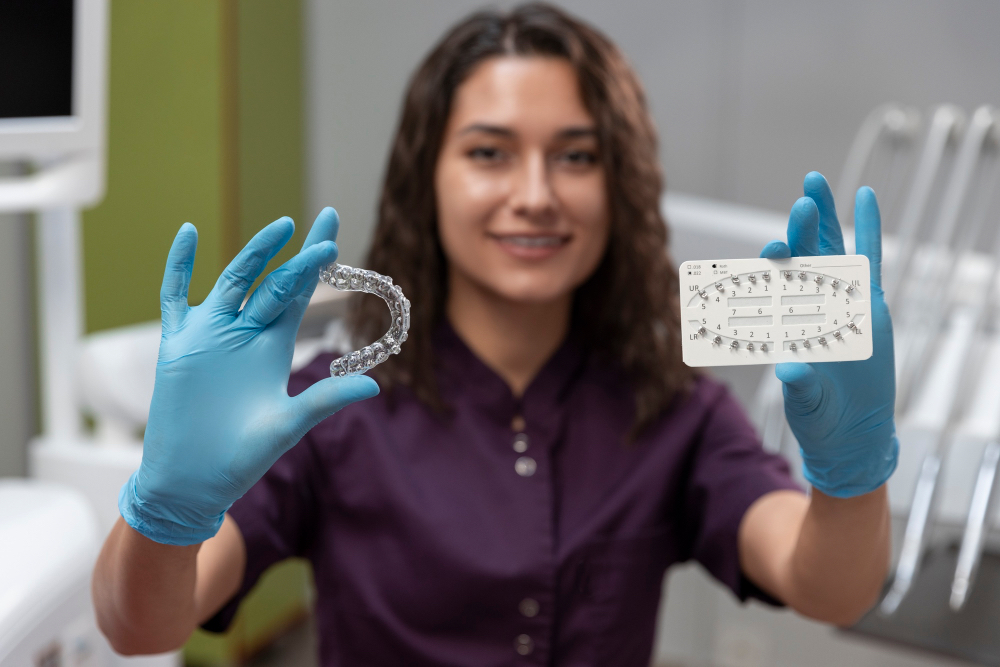
Invisalign uses a series of custom clear aligner trays changed every one to two weeks. Fixed braces use metal brackets and an archwire bonded to teeth for continuous force. Fastbraces uses triangular brackets and a single square nickel-titanium wire to move the crown and root of each tooth simultaneously from the first day of treatment.

Most adults considering orthodontic treatment in 2025 know two of these systems well. Invisalign is the one you see advertised everywhere. Fixed braces are the ones you remember from school. Fastbraces is the one most people have never heard of — and that gap in awareness is exactly where this guide starts.

Invisalign is manufactured by Align Technology. Treatment begins with a 3D digital scan of your teeth. The ClinCheck software generates a digital treatment plan showing projected tooth movement from start to finish. Custom thermoplastic aligner trays are fabricated from that plan. Each tray applies gentle targeted pressure to specific teeth. You change trays every seven to fourteen days and collect your next set at monitoring appointments every six to eight weeks. The trays are removable. That is both their greatest advantage and their most significant clinical challenge.

Fixed braces bond metal or ceramic brackets directly to tooth surfaces. An archwire threads through each bracket. The orthodontist adjusts wire tension every four to eight weeks. Between adjustments, the wire applies continuous, passive pressure around the clock. You cannot remove fixed braces. They work whether you think about them or not.

Fastbraces was patented in 1992. The system uses a triangular bracket design rather than the conventional square bracket. The distinction matters biomechanically. Traditional braces move teeth in two distinct phases: the crown of the tooth is moved in the first year, then the root is repositioned in the second year. Fastbraces uses a single square super-elastic nickel-titanium (NiTi) wire inserted through the elevated of each triangular bracket. When triangular brackets replace square ones, the distance between adjacent brackets doubles. Doubling that distance increases the flexibility of the wire by eight times — a direct consequence of wire mechanics physics. That increased flexibility allows the system to apply torquing and tipping forces to the root from the first day of treatment, compressing two movement phases into one.

Fastbraces is offered by a relatively small number of practices in the UK. One Two Three Dental in Guiseley, Leeds, is one of the providers offering all three systems Invisalign, Fastbraces, and fixed braces under one roof, which allows clinical recommendations to be made based on suitability for the individual patient rather than on which system happens to be available.

One important note before moving forward: the British Dental Journal has noted that while the low-friction biomechanics of Fastbraces brackets are documented, peer-reviewed independent research on treatment speed is less extensive than for Invisalign and fixed braces. Clinical outcomes depend on case selection, operator experience, and individual patient biology. The mechanism is genuinely distinct. The speed advantage applies specifically to appropriate cases selected by an experienced practitioner.

How Long Does Treatment Take With Each System?

Invisalign averages 18 months for mild to moderate cases. Fixed braces average 24 months. A peer-reviewed study published in the Journal of Pharmacy and Bioallied Sciences (PMC, 2024) confirmed both figures with statistical significance. Fastbraces treats suitable mild to moderate cases in as little as 3 months to approximately one year. Complex cases take longer with any system.
2151053313

The 2024 PMC study followed 200 patients over five years and compared long-term outcomes between Invisalign and fixed braces. Invisalign averaged 18 months. Fixed braces averaged 24 months. The difference was statistically significant at p less than 0.001. Both systems achieved 88 to 90 percent success rates in malocclusion correction — comparable clinical outcomes achieved over different timelines.

Here is the number that most Invisalign marketing leaves out. Clinical data from over 112,000 patients confirms that 20 to 22 hours of daily wear is required for optimal outcomes. A study published in the American Journal of Orthodontics and Dentofacial Orthopedics found that patients who adhered to the 20 to 22 hour guideline achieved a 95 percent success rate within their projected treatment time. Patients who consistently wear aligners for fewer than 20 hours per day face extended treatment times, more frequent office visits, and potentially less satisfactory final results.

Fixed braces and Fastbraces require no compliance. They apply continuous force regardless of what you do, what you eat, or whether you remember to put anything back in. For patients who travel frequently, work in demanding environments, or know honestly that they struggle with consistent habits, a non-removable system may produce faster real-world outcomes despite its longer average treatment time on paper.

Fastbraces treatment time of 3 months to one year applies to patients whose case complexity is appropriate for the system. Your treating dentist determines case suitability at consultation. No figure from any manufacturer should be treated as a personal guarantee without prior clinical examination.

What Does Each System Cost in the UK?

Fixed metal braces cost £1,500 to £3,000 in the UK. Invisalign costs £2,500 to £5,500 depending on case complexity and provider tier. All three systems require retainers after treatment, adding £150 to £300 to the total cost. Always request a written quote that includes retainer cost before committing to treatment.

The cost data above comes from the Pearlie.org UK orthodontic comparison published in February 2026, which analysed pricing across UK practices.

Invisalign pricing reflects case complexity. Invisalign Express covers very mild cases and starts from approximately £1,500. Full Invisalign Comprehensive for complex cases reaches £5,500 at some practices. Invisalign provider tiers run from Bronze to Diamond Plus. Higher tiers indicate greater case volume and clinical experience with complex presentations. Provider tier is verifiable through the Invisalign provider finder tool online.

Ceramic fixed braces use tooth-coloured brackets for improved aesthetics during treatment. They typically cost £200 to £500 more than metal fixed braces for the same case. Lingual braces, where brackets bond to inner tooth surfaces and remain invisible from outside, range from £3,000 to £8,000 and represent a separate option not covered by this comparison.

NHS orthodontic treatment for adults is generally not available in England. The NHS uses the IOTN (Index of Orthodontic Treatment Need) scoring system to assess eligibility. Most adult cases do not meet the clinical threshold for NHS funding. All three systems discussed here are private treatments.

Three cost questions every patient should ask before treatment starts: What is the total cost including all retainers at the end of treatment? What is the cost of a replacement aligner if one is lost during Invisalign treatment? What happens clinically and financially if teeth do not track as planned and refinement aligners are needed?

Which System Treats the Most Complex Orthodontic Cases?

Fixed braces treat the widest range of case complexity and perform predictably for significant tooth rotations, vertical bite corrections and severe crowding. Both Invisalign and fixed braces achieve 88 to 90 percent malocclusion correction success rates. Fastbraces suits mild to moderate malocclusion in appropriate candidates selected by an experienced practitioner.

The PMC 2024 study found no statistically significant difference in malocclusion correction outcomes between Invisalign at 88 percent and fixed braces at 90 percent when cases of comparable complexity were treated. The two percentage point gap was not clinically meaningful for most case types studied.

Where fixed braces retain a predictability advantage is in movements requiring precise, continuous three-dimensional force application. Rotations above approximately 20 degrees, significant vertical tooth movement including intrusion and extrusion, severe crowding requiring extraction space management, and cases involving skeletal discrepancies respond more predictably to fixed appliances in most published clinical evidence.

Invisalign handles mild to moderate crowding, spacing, anterior crossbites, and mild Class II and Class III bite corrections effectively, particularly when tooth-coloured attachments are used to provide additional grip for more demanding tooth movements.

Fastbraces is clinically appropriate for mild to moderate malocclusion. It is not indicated as the primary choice for severe skeletal discrepancy cases or for movements requiring the three-dimensional precision of a full fixed appliance sequence. The practitioner's clinical assessment at consultation determines whether Fastbraces is the right system for each patient's specific presentation.

The most important sentence in this section: only a clinician who has physically examined your teeth can tell you which system is appropriate for your case. Any practice recommending a system before conducting a proper clinical examination is not meeting minimum standards of care.

What Are the Lifestyle Differences Between the Three Systems?

Invisalign trays are removed for eating and cleaning, offering complete dietary freedom and easier oral hygiene maintenance but requiring disciplined daily compliance. Fixed braces and Fastbraces are non-removable, restrict certain foods and require more thorough bracket cleaning, but apply continuous force without patient effort.

Eating with fixed appliances: Both fixed braces and Fastbraces require avoiding hard, sticky, and crunchy foods that risk bracket debonding or wire damage. Specific examples include hard sweets, popcorn, ice, crusty bread, raw carrots, and chewing gum. A debonded bracket requires an unscheduled repair appointment and can allow tooth drift if left unattended.

Oral hygiene with fixed appliances: Brackets and archwires create additional surfaces where plaque accumulates. Interdental brushing under the archwire and around each bracket is required at every meal. Inadequate cleaning during fixed appliance treatment is a documented cause of white spot lesions — patches of demineralised enamel that remain permanently visible after braces are removed.

Oral hygiene with Invisalign: Remove the trays, brush and floss normally, rinse the trays before reinserting. Clinical studies confirm that Invisalign patients maintain better periodontal health and lower bacterial counts than patients in fixed appliances, a direct consequence of easier cleaning access.

Aesthetics during treatment: Invisalign trays are nearly invisible. Fastbraces and fixed braces use visible brackets — metal or ceramic. Ceramic brackets are less noticeable than metal but visible at conversational distance. For patients in client-facing professional roles or with significant social commitments during treatment, this distinction is worth factoring into the decision.

Appointment frequency: Invisalign typically requires monitoring appointments every six to eight weeks. Fixed braces and Fastbraces require adjustment appointments every four to eight weeks. Both frequencies are manageable for most adults but should be considered alongside work and travel commitments when planning treatment.

What Happens After Treatment With Any Orthodontic System?

All three systems require retainer wear after treatment. The British Orthodontic Society advises retainers should be worn for life. Research confirms that 70 percent of patients who wore retainers for only one to two years needed retreatment ten years later. Stopping retainer wear is the single most common reason for orthodontic relapse.

This is the section of orthodontic treatment that most patients are not told about clearly enough at the start.

The British Orthodontic Society published its position directly on its website: "If you do not wear your retainers, your teeth will go crooked again, and the hard work in wearing the braces will be lost." Simon Littlewood, a consultant orthodontist and BOS spokesman on retention, explained the clinical reasoning: "Now we know there is potential for teeth to keep moving throughout life. It is almost like a normal ageing phenomenon."

Research cited by the British Dental Negligence Team found that 70 percent of patients who wore retainers for only one to two years after orthodontic treatment needed retreatment ten years later. The BOS launched its "Hold that Smile" campaign specifically to address the widespread underestimation of retention requirements among patients completing orthodontic treatment.

The standard post-treatment protocol follows three phases. Full-time retainer wear for the first week after treatment ends. Evening and overnight wear — approximately 12 hours in every 24 — for a minimum of one year. Lifelong nightly or part-time wear after that, at a minimum of two to three nights per week indefinitely.

Three types of retainer are in current UK use. Removable clear vacuum-formed retainers fit over the teeth like a thin tray — the same material as Invisalign trays. They typically need replacing every one to two years with consistent use. Removable Hawley retainers use a wire across the front teeth with an acrylic body — more durable, adjustable, and more visible. Bonded fixed retainers attach a thin wire permanently to the back surfaces of the front teeth — invisible from outside, always working, but requiring careful interdental cleaning and regular checking to ensure secure bonding.

The cost of retainers — typically £150 to £300 per set for removable clear options, £150 to £250 per arch for bonded retainers — must always be included in the total treatment quote before you commit to any system.

How Do You Find the Right Orthodontic Provider for Adult Treatment in the UK?

Verify GDC registration for any dentist offering orthodontic treatment. For Invisalign, check the provider's tier through the Invisalign finder tool. For Fastbraces, confirm the dentist has completed Fastbraces Technologies accreditation training. Request a full written quote including retainer cost before committing to any system.

The GDC (General Dental Council) register at gdc-uk.org confirms every dental professional's registration status and lists any fitness-to-practise concerns. Specialist orthodontists hold postgraduate qualifications in orthodontics and appear separately on the GDC specialist list. A general dental practitioner can legally offer orthodontic treatment including Invisalign and Fastbraces with appropriate training — but is not a specialist. For complex cases, specialist referral provides access to the full range of orthodontic appliances and expertise.

Four questions to ask at any orthodontic consultation before committing: How many cases of this specific system do you complete per year? Can I see before-and-after photographs of cases with similar presentations to mine, taken under consistent lighting? What is the full cost of treatment including all retainers? What is your protocol if teeth do not track as planned during Invisalign treatment?

A practice that cannot answer these questions clearly and confidently at a consultation is not the right practice for your orthodontic treatment.

Frequently Asked Questions About Teeth Straightening for Adults

Can Adults Over 40 Have Orthodontic Treatment?

Yes. Adults over 40 represent one of the fastest growing orthodontic patient groups in the UK. Clinical considerations differ from teenage treatment. Gum health must be assessed and any active periodontal disease treated before orthodontics begins. Bone density in adults is higher, making tooth movement slightly slower than in adolescents. Results are achievable with all three systems for suitable adult candidates. A thorough clinical assessment determines which system and timeline is appropriate for each individual.

Is NHS Orthodontic Treatment Available for Adults?

NHS orthodontic treatment for adults is generally not available in England. The NHS uses the IOTN (Index of Orthodontic Treatment Need) scoring system to determine eligibility. Most adult cases do not meet the clinical threshold for NHS funding. All three systems covered in this article are private treatments. Patients should request a full written cost estimate, including retainers, before starting any private orthodontic treatment.

What Is the Difference Between a General Dentist and a Specialist Orthodontist?

A specialist orthodontist holds postgraduate qualifications in orthodontics and is listed on the GDC specialist list, verifiable at gdc-uk.org. A general dental practitioner can offer orthodontic treatment including Invisalign and Fastbraces following specific accreditation and clinical training, but holds no specialist designation. For mild to moderate cases treated with accredited systems, a trained general dental practitioner is clinically appropriate. For complex cases involving significant skeletal discrepancy or severe malocclusion, specialist referral provides access to the full range of orthodontic appliances.

What Happens If I Lose an Invisalign Aligner?

Contact your practice immediately. Depending on where in the aligner sequence the loss occurs, the dentist may advise wearing the previous tray temporarily, advancing to the next tray, or ordering a replacement. Replacement aligner cost is typically not included in the original treatment quote. Always ask specifically about the replacement policy and associated cost during your initial consultation. Some practices include a limited number of replacement aligners within the treatment fee — confirm this before treatment starts.