Tissue Bank: A Complete Guide to Its Role, Importance, and Future in Modern Healthcare

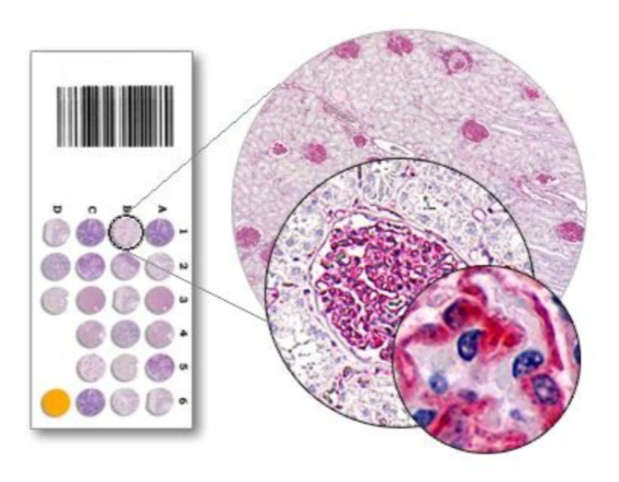
A tissue bank plays a vital role in modern medicine by collecting, processing, storing, and distributing human tissues for transplantation, research, and education. As healthcare continues to advance, tissue banks have become essential institutions that save lives, improve medical outcomes, and support scientific innovation. From bone grafts and skin tissues to heart valves and corneas, tissue banks ensure that donated human tissues are handled safely, ethically, and effectively tissue block.

This article explores what a tissue bank is, how it operates, its importance in healthcare, types of tissues stored, ethical considerations, and the future of tissue banking.

What Is a Tissue Bank?

A tissue bank is a specialized facility responsible for the procurement, preservation, testing, and distribution of human tissues intended for medical use. These tissues may be used for transplantation, reconstructive surgery, burn treatment, dental procedures, orthopedic surgeries, and biomedical research.

Unlike organ banks, which deal with whole organs and require immediate transplantation, tissue banks can store tissues for extended periods under controlled conditions. This ability allows hospitals and surgeons to access tissues when needed, improving patient outcomes and reducing waiting times.

How a Tissue Bank Works

The operation of a tissue bank follows a structured and highly regulated process to ensure safety and quality.

1. Donor Identification and Consent

Tissue donation begins with identifying eligible donors, either living donors or deceased donors. Proper informed consent is obtained from donors or their families, following legal and ethical guidelines.

2. Tissue Recovery

Trained medical professionals recover tissues in sterile environments, often within hospitals or specialized recovery facilities. Strict timelines are followed to maintain tissue viability.

3. Screening and Testing

Every tissue collected by a tissue bank undergoes extensive screening. Donors are tested for infectious diseases such as HIV, hepatitis B and C, and other transmissible conditions. Medical and social histories are reviewed to minimize risks.

4. Processing and Preservation

After testing, tissues are cleaned, sterilized, and processed using advanced techniques. Preservation methods may include freezing, freeze-drying, or cryopreservation, depending on the tissue type.

5. Storage and Distribution

Processed tissues are stored in controlled environments until they are distributed to hospitals, clinics, or research institutions as needed.

Types of Tissues Stored in a Tissue Bank

A modern tissue bank handles a wide variety of tissues, each serving specific medical purposes.

Bone Tissue

Bone grafts are commonly used in orthopedic surgeries, spinal fusions, dental implants, and trauma cases. Tissue banks process bone to ensure strength and sterility.

Skin Tissue

Skin grafts are critical for burn victims, chronic wound patients, and reconstructive surgeries. A tissue bank can store skin for emergency and planned procedures.

Corneas

Corneal tissue restores vision for patients with corneal blindness or damage. Eye tissue banks are often specialized branches of tissue banking.

Heart Valves

Donated heart valves are used primarily in pediatric and adult cardiac surgeries, offering life-saving solutions without the need for synthetic materials.

Tendons and Ligaments

These tissues are widely used in sports medicine and orthopedic reconstruction, such as ACL repairs.

Importance of Tissue Banks in Healthcare

The significance of a tissue bank extends far beyond storage. It directly impacts patient care, medical innovation, and public health.

Saving and Improving Lives

Tissue transplantation helps patients recover from severe injuries, burns, congenital conditions, and degenerative diseases. Many procedures would not be possible without tissue bank support.

Reducing Surgical Risks

Using donor tissues often reduces surgery time and eliminates the need to harvest tissue from the patient’s own body, minimizing pain and complications.

Supporting Medical Research

Tissue banks provide researchers with ethically sourced human tissues, enabling advancements in cancer research, regenerative medicine, and drug development.

Emergency Preparedness

In disasters or mass casualty events, tissue banks ensure that essential tissues are readily available for immediate medical response.

Ethical and zegal Considerations in Tissue Banking

Ethics play a central role in the operation of any tissue bank. Trust, transparency, and respect for donors are fundamental principles.

Informed Consent

Donors and families must fully understand how tissues will be used. Consent processes are carefully documented and regulated.

Donor Dignity and Respect

All donated tissues are handled with the utmost respect. Tissue banks honor the generosity of donors and maintain confidentiality at all times.

Regulatory Compliance

Tissue banks must comply with national and international regulations. These may include health authority guidelines, accreditation standards, and quality management systems.

Non-Commercialization

In many countries, the sale of human tissues is prohibited. Tissue banks operate on a non-profit or cost-recovery basis to prevent exploitation.

Quality Control and Safety Standards

Safety is the foundation of tissue banking. A reputable tissue bank follows strict quality assurance protocols.

  • Sterile recovery environments
  • Validated processing techniques
  • Regular audits and inspections
  • Traceability from donor to recipient
  • Staff training and certification

International standards and accreditation bodies help ensure consistency and reliability across tissue banks worldwide.

The Role of Technology in Tissue Banking

Technological advancements have significantly improved tissue bank operations.

Cryopreservation

Advanced freezing techniques preserve tissue structure and functionality for longer periods.

Automation and Data Systems

Digital tracking systems improve traceability, inventory management, and regulatory compliance.

Regenerative Medicine

Tissue banks are increasingly involved in stem cell storage and regenerative therapies, opening new possibilities for personalized medicine.

Challenges Faced by Tissue Banks

Despite their importance, tissue banks face several challenges.

Limited Donor Awareness

Many people are unaware that they can donate tissues, not just organs. Public education remains a key challenge.

High Operational Costs

Maintaining sterile facilities, advanced equipment, and trained staff requires significant investment.

Regulatory Complexity

Complying with evolving regulations can be demanding, especially for smaller tissue banks.

Cultural and Religious Concerns

In some regions, misconceptions about tissue donation can limit donor participation.

The Future of Tissue Banking

The future of the tissue bank industry is closely tied to innovation and global collaboration.

Personalized Medicine

Tissue banks will support customized grafts and treatments tailored to individual patients.

Biobanking Integration

The integration of tissue banks with genetic and biobanks will enhance disease research and precision medicine.

Artificial and Bioengineered Tissues

Advances in tissue engineering may complement traditional tissue banking, reducing shortages.

Increased Global Standards

International cooperation will improve safety, ethical practices, and accessibility worldwide.

Why Tissue Donation Matters

Every tissue bank depends on the generosity of donors. One donor can help multiple patients, restoring mobility, vision, and quality of life. By choosing tissue donation, individuals leave a lasting legacy of healing and hope.

Raising awareness about tissue banks encourages more people to register as donors, strengthening healthcare systems and saving countless lives.

Conclusion

A tissue bank is a cornerstone of modern healthcare, bridging the gap between donation and life-saving medical treatment. Through careful screening, ethical practices, and advanced technology, tissue banks make it possible to treat injuries, restore function, and advance medical science.

As awareness grows and innovation continues, tissue banks will play an even greater role in shaping the future of medicine. Supporting tissue donation and understanding the importance of tissue banks is a shared responsibility that benefits humanity as a whole.

Leave a Reply

Your email address will not be published. Required fields are marked *

Related Post

Meitu XiuXiu – Official Website | AI Photo Editing and Image Processing ToolMeitu XiuXiu – Official Website | AI Photo Editing and Image Processing Tool

Meitu XiuXiu is a visual creation tool that integrates image editing, AI retouching, intelligent background removal, poster design, and ID photo creation. It is suitable for individual users, content creators, e-commerce merchants, and corporate teams. By simplifying complex design processes, Meitu XiuXiu helps users quickly create high-quality images and design content even without professional design experience. 

Meitu XiuXiu Download and Usage Portal 

For the desktop version, Meitu XiuXiu supports Windows 7 and above 64-bit systems, making it suitable for high-frequency image editing, product image processing, and batch image retouching. The local operating mode offers advantages in stability and processing efficiency, making it particularly suitable for e-commerce image creation and marketing design scenarios. Furthermore, users can use the same account across different devices, ensuring continuity of materials and projects.

What can Meitu Xiu Xiu do? Core Function Overview

Before confirming the download, most users quickly determine whether Meitu XiuXiu can accomplish what they need to do . Therefore, this section focuses on the scope of its functions rather than operational instructions.

In terms of image editing, Meitu XiuXiu supports basic operations such as cropping, rotating, resizing, and brightness and color optimization, meeting daily photo editing and content publishing needs. For portrait photos, it also provides intelligent beautification and detail optimization capabilities, enhancing the overall look while ensuring a natural effect, suitable for selfies, headshots, and formal images.

In background removal and image processing scenarios, Meitu XiuXiu uses AI to automatically identify the subject and achieve one-click background removal. Whether it's a portrait or a product, it can quickly separate the subject from the background and replace it with a solid color or other scene background. This function is frequently used in e-commerce main images and design compositing.

AI intelligence capabilities and design efficiency improvement

As users demand higher efficiency and quality, AI capabilities have become a crucial factor in determining the value of any tool. Meitu applies AI technology to several key processes to reduce repetitive operations and manual photo editing time.

In terms of image optimization, AI can automatically remove unnecessary elements from the image and enhance blurry or insufficiently sharp images, ensuring that the image retains good detail even when enlarged or reused. Meanwhile, in design scenarios, AI poster and smart template functions can quickly generate design solutions based on input text or intended use, significantly shortening the time from idea to finished product.

For video and content creators, Meitu also offers auxiliary functions such as subtitle recognition and portrait optimization to help users complete the production of short videos and multimedia content more efficiently.

Template resources and actual use cases

Many users choose Meitu XiuXiu not to 美图秀秀 from scratch, but to quickly generate images by directly applying suitable templates . Therefore, the number of templates and the range of scenarios covered are also implicit criteria when searching for "Meitu XiuXiu".

Meitu XiuXiu's built-in templates cover a variety of high-frequency scenarios, including e-commerce main images, promotional posters, Xiaohongshu covers, video covers, corporate announcements, holiday greetings, and course promotions. Users only need to replace the text and images to generate design content that meets the platform's size and style requirements. This "change text and replace images" approach is particularly suitable for people who lack a design background but have a continuous need for content output.

Membership Services and Commercial Copyright Notice

When deciding whether to use the service long-term, users typically care about two issues: whether the functionality is limited, and whether the materials can be used for commercial purposes . Therefore, membership and copyright information are crucial information during the conversion phase.

After becoming a member, users can unlock more advanced features and AI tools, and use a wider range of templates and materials. For commercial scenarios such as e-commerce and corporate marketing, member-exclusive materials typically provide clear commercial authorization instructions, which helps reduce copyright risks during the design and content dissemination process, giving users greater peace of mind when using them.

Why choose Meitu Xiu Xiu as your photo editing and design tool?

Compared to design software that requires a professional learning curve, Meitu XiuXiu emphasizes ease of use and high efficiency. Users can complete photo editing, design, and content output without needing to master complex design theories or operational procedures.

Meanwhile, Meitu integrates image editing, design templates, and AI tools into a single platform, reducing the cost of switching between multiple software programs. This integrated tool format is more practical for individuals and teams that need to continuously produce visual content.

About Meitu Xiu Xiu

Meitu is committed to lowering the barrier to visual creation through technology, providing users with simple, efficient, and intelligent image editing and design solutions. Whether it's daily photo editing, e-commerce design, content creation, or corporate marketing, Meitu aims to help users more easily achieve high-quality visual expression.

Omegla Chat: How to Connect Safely with Strangers WorldwideOmegla Chat: How to Connect Safely with Strangers Worldwide

In today’s digital world, platforms like Omegla Chat (often inspired by sites such as Omegle) have made it easier than ever to connect with strangers across the globe. These platforms allow users to engage in random text or video conversations, offering opportunities to learn about different cultures, share ideas, and even build friendships. However, while the experience can be exciting, it also comes with significant safety risks. Understanding how to connect safely is essential for anyone using such services.

Understanding How Omegla Chat Works

Omegla Chat platforms typically operate by pairing users randomly for one-on-one conversations. You don’t need to create a detailed profile, which adds to the appeal of anonymity. Users can chat via text, voice, or video, and often have the option to skip to a new person instantly.

This anonymity, while आकर्षive, is also the biggest concern. Because identities are hidden, people may misrepresent themselves or behave inappropriately. Studies of similar platforms show that users can encounter explicit content, scams, or even harmful behavior due to limited moderation.

The Risks of Talking to Strangers Online

Before diving into safety tips, it’s important to understand the potential dangers. Random chat platforms are unpredictable environments, and users may face:

  • Exposure to inappropriate content: Many platforms struggle to fully moderate video and text chats, leading to explicit or disturbing material.
  • Privacy threats: Even anonymous platforms may expose your IP address or personal data if you’re not careful.
  • Scams and manipulation: Some users attempt to trick others into sharing personal details or moving conversations to other apps.
  • Cyberbul or harassment: The lack of accountability can encourage rude or harmful behavior.
  • Fake identities: People can easily pretend to be someone else, making trust difficult.

Recognizing these risks is the first step toward staying safe.

Essential Tips to Stay Safe on Omegla Chat

1. Protect Your Personal Information

Never share sensitive details such as your full name, address, phone number, school, or workplace. Even small pieces of information can be combined to identify you. Keeping conversations general helps maintain your privacy.

2. Avoid External Links and Requests

If someone asks you to click on a link or move to another platform like social media, be cautious. Many scams begin this way. Staying within the chat platform reduces the risk of phishing or hacking attempts.

3. Use Platform Safety Features

Most chat services offer tools like reporting, blocking, or filtering. Some even include AI-based moderation systems to detect inappropriate content. Use these features whenever you feel uncomfortable.

4. Keep Conversations Appropriate

Avoid engaging in explicit or risky discussions. Not only can this attract harmful users, but it may also expose you to or “s” scams.

5. Trust Your Instincts

If a conversation feels uncomfortable, strange, or unsafe, disconnect immediately. One of the advantages of Omegla Chat is the ability to leave a chat instantly—use it whenever necessary.

6. Use a Secure Connection

Access chat platforms through secure networks and consider using tools like VPNs to protect your identity. This adds an extra layer of security against potential tracking.

7. Be Mindful of Video Chats

Video conversations can be riskier than text chats. Avoid showing your surroundings, personal belongings, or anything that could reveal your identity or location.

Safe Usage for Younger Users

Many experts advise that random chat platforms are not suitable for children or teenagers without supervision. These platforms often lack strict age verification systems, making it easy for minors to access them.

Parents should guide younger users by:

  • Setting clear rules about online interactions
  • Monitoring usage
  • Educating them about online risks

Building Positive Experiences

Despite the risks, omegla live Chat can still be a positive experience if used responsibly. Many users join these platforms to:

  • Practice new languages
  • Learn about different cultures
  • Share hobbies and interests
  • Combat loneliness through casual conversation

To make the most of your experience, focus on respectful and meaningful interactions while maintaining strong personal boundaries.

Conclusion

Omegla Chat offers a unique way to connect with people worldwide, breaking geographical barriers and encouraging global communication. However, the same features that make it exciting—anonymity and randomness—also create potential risks.

By staying aware, protecting your personal information, and using built-in safety tools, you can enjoy these platforms while minimizing danger. Online interactions with strangers can be fun and enriching, but only when approached with caution and responsibility.

Smart Surveying Solutions: The Rise of Drone TechnologySmart Surveying Solutions: The Rise of Drone Technology

In the past decade, the surveying industry has experienced a technological revolution. What once relied on labor-intensive field crews, manual measurements, and slow data processing has rapidly evolved into a domain where unmanned aerial vehicles—commonly known as drones—play a central role. The rise of drone technology in surveying represents a shift toward faster, safer, more accurate, and cost-effective data collection that is transforming sectors from construction and mining to environmental management and urban planning.

What Is Drone Surveying?

Drone surveying involves the use of unmanned aerial vehicles (UAVs) equipped with specialized sensors—such as high-resolution cameras, LiDAR (Light Detection and Ranging), multispectral imagers, and GPS systems—to capture spatial data from above. These drones fly over a designated area, gathering detailed imagery and measurements that are processed into usable outputs like orthomosaic maps, digital elevation models (DEMs), 3D point clouds, and contour maps. This aerial perspective enables surveyors to analyze land features, terrain, and built environments with precision and speed that traditional ground methods cannot match.

Why Drone Technology Is Rising in Surveying

Several key trends have fueled the adoption of drones in surveying:

  • Technological advancements in sensors, flight control, and data processing software have made drone surveying more capable and accessible than ever.
  • Cost pressures in construction, mining, and land development sectors are pushing companies to adopt more efficient data-collection methods.
  • Safety concerns have underscored the value of remote data capture, especially in hazardous or hard-to-reach environments.
  • Regulatory frameworks in many countries have matured to support commercial drone operations, making it easier for professionals to integrate UAVs into their workflows.

These factors combined have accelerated the shift toward smart surveying solutions that leverage drone technology.

Benefits of Drone Surveying

1. Enhanced Speed and Efficiency

One of the most immediate advantages of drone surveying is speed. Traditional ground surveys often require days or weeks of fieldwork, especially over large or difficult terrain. Drones, by contrast, can cover extensive areas in a fraction of the time. Aerial surveys that might take ground crews multiple days can often be completed in just a few hours, dramatically reducing project timelines.

This efficiency doesn’t just save time—it also enables more frequent data collection. Projects that benefit from regular updates, such as construction progress monitoring or environmental change detection, can use drone surveys to gather up-to-date information on demand.

2. Improved Accuracy and Data Quality

Modern drones are equipped with advanced GPS systems, Real-Time Kinematic (RTK) positioning, and high-resolution sensors that enable extremely precise measurements. These technologies allow drones to capture data with centimeter-level accuracy, which is often comparable to—or better than—traditional surveying methods.

Moreover, the data collected by drones can be processed into rich 3D models and orthomosaic images that provide detailed spatial context. This high-resolution data is invaluable for engineers, planners, and GIS professionals who require accurate inputs for design, analysis, and decision-making.

3. Enhanced Safety

Safety is a major concern in many land surveys environments. Surveyors working on steep slopes, near active construction zones, in dense vegetation, or in mining sites face significant risks. Drones mitigate these hazards by capturing data remotely, eliminating the need for personnel to enter dangerous areas.

By reducing human exposure to risk, drone surveying not only protects workers but also minimizes liability and lowers the need for extensive safety planning and protective equipment.

4. Cost-Effectiveness

While the initial investment in drone hardware and software may seem significant, the long-term cost savings are substantial. Drones reduce labor requirements, decrease the need for heavy equipment, and shorten project timelines. As a result, operational costs drop, and the return on investment improves.

For many organizations, this cost-effectiveness makes drone surveying an attractive alternative to conventional methods, especially for repetitive or large-scale projects.

5. Accessibility and Reach

Drones excel in environments that are difficult for ground crews to access—such as dense forests, steep terrain, or large open areas. They can fly over obstacles and capture data from vantage points that would otherwise require extensive physical effort or specialized equipment to reach.

This capability expands the scope of surveying tasks that can be completed efficiently and safely, opening up new possibilities for land management, environmental monitoring, and infrastructure inspection.

6. Environmental and Sustainability Benefits

Compared to traditional survey methods that might involve vehicles, heavy equipment, and significant field operations, drone surveying is relatively low-impact. UAVs consume less fuel, cause minimal disruption to the land, and reduce the carbon footprint associated with surveying activities.

For projects with sustainability goals—such as conservation planning or green infrastructure development—drone technology offers a cleaner and more environmentally friendly approach.

Applications Across Industries

Drone surveying is not limited to a single sector; its applications are broad and growing:

  • Construction and Civil Engineering: Drones are used to monitor site progress, check earthworks, and verify as-built conditions. Accurate aerial data helps prevent costly errors and supports better coordination among stakeholders.
  • Mining: Aerial surveys assist with volumetric measurements, pit mapping, and stockpile analysis, improving planning and safety in mining operations.
  • Agriculture: Beyond land surveying, drones equipped with multispectral sensors help farmers assess crop health, manage irrigation, and optimize inputs.
  • Environmental Monitoring: Drones facilitate habitat mapping, erosion assessment, and disaster response planning by providing timely and accurate spatial data.
  • Urban Planning and Real Estate: Developers and planners use drone surveys to assess site conditions, visualize development scenarios, and communicate plans with stakeholders. Insights from communities indicate that high-resolution drone imagery improves project transparency and decision-making.

Challenges and Considerations

Despite its many benefits, drone surveying also presents challenges. Regulatory requirements for UAV operations vary by country and may impose restrictions on flight altitude, line-of-sight, or no-fly zones. Weather conditions like wind and rain can affect data quality and flight safety. Additionally, processing drone data requires specialized software and technical expertise, which may necessitate training or partnerships with service providers.

It’s also important to recognize that drones complement rather than replace traditional surveying methods. Some high-precision tasks or legal boundary determinations may still require ground-based measurements and professional oversight. The most effective surveying strategies often combine drone data with conventional techniques for optimal results.

The Future of Smart Surveying

As drone technology continues to advance, its role in surveying is likely to expand further. Emerging innovations—such as autonomous flight planning, artificial intelligence for automated feature extraction, and improved sensor miniaturization—will enhance the capabilities of UAVs. Integration with geographic information systems (GIS), building information modeling (BIM), and real-time data analytics will make drone surveying an even more indispensable tool for spatial professionals.

In summary, the rise of drone technology marks a significant milestone in the evolution of surveying. By combining speed, accuracy, safety, and cost-effectiveness, drones are enabling smarter surveying solutions that meet the demands of modern industries and pave the way for innovative applications in the years ahead.

Aimpoint Technology: Revolutionizing Precision and PerformanceAimpoint Technology: Revolutionizing Precision and Performance

Aimpoint technology has become a cornerstone in the world of optics, particularly in industries that demand accuracy, speed, and reliability. From military applications to hunting, law enforcement, and competitive shooting, Aimpoint systems have redefined how users engage with their targets. Known for their innovative red dot sight technology, Aimpoint products are designed to provide rapid target acquisition while maintaining exceptional durability and performance in demanding environments.

This article explores the evolution, features, applications, and advantages of Aimpoint technology, shedding light on why it continues to lead the optics industry.

The Evolution of Aimpoint Technology

Aimpoint technology dates back to the 1970s when the concept of electronic red dot sights was first introduced. The idea was simple yet groundbreaking: provide shooters with a non-magnified optic that allows both eyes to remain open while aiming, enhancing situational awareness and speed.

Over time, Aimpoint refined this concept by integrating advanced electronics, improving battery life, and enhancing durability. Early models were limited in performance, but modern Aimpoint devices can run continuously for years on a single battery. This evolution has made them indispensable tools for professionals and enthusiasts alike.

How Aimpoint Technology Works

At the core of Aimpoint technology is the red dot sight. Unlike traditional scopes that rely on magnification, Aimpoint sights use a reflective lens system that projects a red dot onto the lens. This dot acts as the aiming point, allowing users to quickly align their firearm with the target.

The technology uses LED (light-emitting diode) illumination, which is both energy-efficient and highly visible in various lighting conditions. The red dot appears on the same focal plane as the target, meaning users do not need to shift focus between the reticle and the target. This significantly improves aiming speed and accuracy.

Key Features of Aimpoint Technology

1. Unlimited Eye Relief

One of the defining features of Aimpoint technology is unlimited eye relief. This means the user can position their eye at any distance from the sight without losing the reticle. This flexibility enhances comfort and allows for faster target acquisition.

2. Parallax-Free Design

Aimpoint sights are designed to be virtually parallax-free. This ensures that the point of aim remains consistent even if the shooter’s eye is not perfectly aligned with the sight. This feature is particularly valuable in dynamic situations where perfect alignment is not always possible.

3. Exceptional Battery Life

Modern Aimpoint devices are known for their incredibly long battery life, often lasting several years on a single battery. This reliability is crucial for professionals who depend on their equipment in high-stakes environments.

4. Durability and Ruggedness

Aimpoint technology is built to withstand harsh conditions. These devices are typically shockproof, waterproof, and capable of operating in extreme temperatures. This durability makes them suitable for military and outdoor use.

5. Adjustable Brightness Settings

Aimpoint sights offer multiple brightness settings to ensure visibility in different lighting conditions. Whether in bright sunlight or low-light environments, users can adjust the intensity of the red dot for optimal performance.

Applications of Aimpoint Technology

Military and Law Enforcement

Aimpoint technology is widely used by military and law enforcement agencies around the world. Its ability to provide rapid target acquisition and maintain accuracy under pressure makes it an essential tool in tactical operations. The rugged construction ensures reliability in combat and challenging environments.

Hunting

Hunters benefit greatly from Aimpoint technology due to its speed and ease of use. In situations where quick shots are necessary, such as tracking moving game, the red dot sight allows for faster targeting compared to traditional scopes.

Competitive Shooting

In competitive shooting sports, speed and precision are critical. Aimpoint technology provides shooters with the advantage of quick target transitions and consistent accuracy, making it a popular choice among professionals.

Personal Defense

For individuals focused on home or personal defense, Aimpoint sights offer a user-friendly and reliable aiming solution. The simplicity of the red dot system makes it accessible even for those with limited experience.

Advantages of Aimpoint Technology

Faster Target Acquisition

The primary advantage of Aimpoint technology is speed. The red dot allows users to quickly identify and engage targets without the need for complex adjustments. This is particularly beneficial in high-pressure situations.

2. Parallax-Free Design

0

By eliminating the need to align multiple elements (rear sight, front sight, and target), aimpoint shop technology simplifies the aiming process. This leads to improved accuracy, especially for beginners.

2. Parallax-Free Design

1

Because Aimpoint sights allow users to keep both eyes open, they maintain better awareness of their surroundings. This is crucial in dynamic environments where multiple factors must be considered.

2. Parallax-Free Design

2

Aimpoint devices are designed for long-term use with minimal maintenance. Their robust construction and long battery life reduce the need for frequent servicing or adjustments.

Technological Innovations in Aimpoint Systems

Aimpoint continues to innovate by incorporating advanced features into their products. Some of the latest advancements include:

  • Micro-sized optics: Compact designs that offer the same performance as larger models while reducing weight.
  • Night vision compatibility: Certain models are designed to work seamlessly with night vision equipment.
  • Energy-efficient electronics: Continuous improvements in power management extend battery life even further.
  • Enhanced lens coatings: These improve light transmission and reduce glare, ensuring a clearer view.

Challenges and Considerations

While Aimpoint technology offers numerous benefits, there are some considerations to keep in mind:

  • Cost: High-quality Aimpoint devices can be expensive compared to traditional optics.
  • No magnification: For long-range shooting, users may need additional equipment such as magnifiers.
  • Training: Although user-friendly, proper training is still essential to maximize effectiveness.

The Future of Aimpoint Technology

The future of Aimpoint technology looks promising as advancements in electronics and materials continue to evolve. Innovations such as smart optics, integration with digital systems, and enhanced customization options are likely to shape the next generation of Aimpoint products.

As demand grows across various industries, Aimpoint technology is expected to expand its capabilities while maintaining its reputation for reliability and performance.

Conclusion

Aimpoint technology has transformed the way individuals approach aiming and targeting. With its innovative red dot system, exceptional durability, and user-friendly design, it has become a trusted choice for professionals and enthusiasts alike. Whether in military operations, hunting expeditions, or competitive shooting, Aimpoint continues to deliver unmatched performance.

As technology advances, Aimpoint is poised to remain at the forefront of the optics industry, setting new standards for precision, reliability, and innovation.

Apple Screen Repair: A Complete Guide to Restoring Your DeviceApple Screen Repair: A Complete Guide to Restoring Your Device

Apple devices, including iPhones, iPads, and MacBooks, are renowned for their premium build quality and stunning displays. Despite this, screen damage remains one of the most common issues users encounter. Apple screen repair services play a vital role in restoring devices to their original condition, ensuring both functionality and visual appeal are maintained.

Cracked screens are the most obvious and frequent type of damage. A single drop can shatter the glass, making the device difficult or even unsafe to use. In smartphones and tablets, cracks can also interfere with touch sensitivity, leading to delayed or inaccurate responses. Prompt repair is essential to prevent further damage and maintain usability Mac Screen Repairs.

Another common issue is display malfunction, such as dead pixels, discoloration, or unresponsive touch areas. These problems may arise due to internal damage, manufacturing defects, or prolonged use. While some minor issues can be fixed through software troubleshooting, most require hardware repair or screen replacement.

Water damage is another major cause of screen failure. Even though many Apple devices come with some level of water resistance, prolonged exposure to moisture can damage internal components, including the display. In such cases, immediate professional repair is necessary to prevent corrosion and permanent damage.

Apple screen repair options generally fall into two categories: authorized service providers and independent repair shops. Authorized centers use genuine parts and follow official repair guidelines, ensuring high-quality results. However, they often come at a higher cost. Independent repair services, on the other hand, may offer more competitive pricing and faster turnaround times, but the quality of parts and expertise can vary.

The cost of Apple screen repair depends on several factors, including the device model and extent of damage. For example, repairing a high-end smartphone or laptop screen is usually more expensive than fixing an older or simpler model. It’s always advisable to request a detailed quote before proceeding with any repair service.

Warranty and insurance coverage can significantly reduce repair costs. If your device is still under warranty or covered by an extended protection plan, you may be eligible for discounted or even free repairs. However, unauthorized repairs can void your warranty, so it’s important to check your coverage before choosing a service provider.

Preventive measures can help you avoid frequent repairs. Using screen protectors and sturdy cases can minimize the risk of cracks and scratches. Additionally, handling your device carefully and avoiding exposure to extreme temperatures or moisture can prolong its lifespan.

In summary, Apple screen repair is an essential service for maintaining the functionality and appearance of your device. Whether dealing with cracks, display issues, or water damage, timely repair can prevent further complications. By choosing a reliable repair service and taking preventive steps, you can ensure your Apple device remains in excellent condition for years to come.