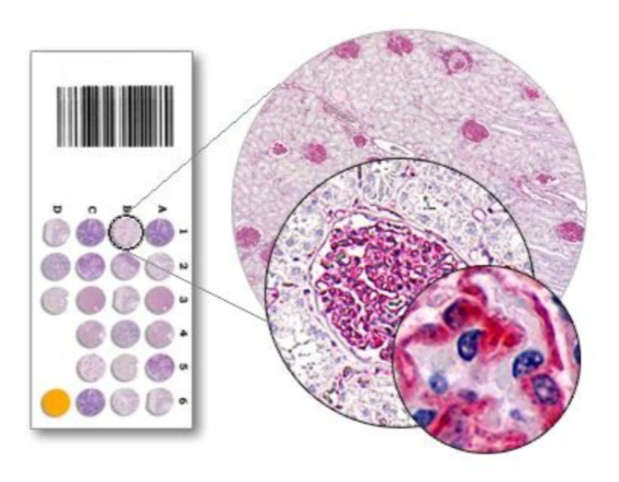
A tissue bank plays a vital role in modern medicine by collecting, processing, storing, and distributing human tissues for transplantation, research, and education. As healthcare continues to advance, tissue banks have become essential institutions that save lives, improve medical outcomes, and support scientific innovation. From bone grafts and skin tissues to heart valves and corneas, tissue banks ensure that donated human tissues are handled safely, ethically, and effectively tissue block.
This article explores what a tissue bank is, how it operates, its importance in healthcare, types of tissues stored, ethical considerations, and the future of tissue banking.
What Is a Tissue Bank?
A tissue bank is a specialized facility responsible for the procurement, preservation, testing, and distribution of human tissues intended for medical use. These tissues may be used for transplantation, reconstructive surgery, burn treatment, dental procedures, orthopedic surgeries, and biomedical research.
Unlike organ banks, which deal with whole organs and require immediate transplantation, tissue banks can store tissues for extended periods under controlled conditions. This ability allows hospitals and surgeons to access tissues when needed, improving patient outcomes and reducing waiting times.
How a Tissue Bank Works
The operation of a tissue bank follows a structured and highly regulated process to ensure safety and quality.
1. Donor Identification and Consent
Tissue donation begins with identifying eligible donors, either living donors or deceased donors. Proper informed consent is obtained from donors or their families, following legal and ethical guidelines.
2. Tissue Recovery
Trained medical professionals recover tissues in sterile environments, often within hospitals or specialized recovery facilities. Strict timelines are followed to maintain tissue viability.
3. Screening and Testing
Every tissue collected by a tissue bank undergoes extensive screening. Donors are tested for infectious diseases such as HIV, hepatitis B and C, and other transmissible conditions. Medical and social histories are reviewed to minimize risks.
4. Processing and Preservation
After testing, tissues are cleaned, sterilized, and processed using advanced techniques. Preservation methods may include freezing, freeze-drying, or cryopreservation, depending on the tissue type.
5. Storage and Distribution
Processed tissues are stored in controlled environments until they are distributed to hospitals, clinics, or research institutions as needed.
Types of Tissues Stored in a Tissue Bank
A modern tissue bank handles a wide variety of tissues, each serving specific medical purposes.
Bone Tissue
Bone grafts are commonly used in orthopedic surgeries, spinal fusions, dental implants, and trauma cases. Tissue banks process bone to ensure strength and sterility.
Skin Tissue
Skin grafts are critical for burn victims, chronic wound patients, and reconstructive surgeries. A tissue bank can store skin for emergency and planned procedures.
Corneas
Corneal tissue restores vision for patients with corneal blindness or damage. Eye tissue banks are often specialized branches of tissue banking.
Heart Valves
Donated heart valves are used primarily in pediatric and adult cardiac surgeries, offering life-saving solutions without the need for synthetic materials.
Tendons and Ligaments
These tissues are widely used in sports medicine and orthopedic reconstruction, such as ACL repairs.
Importance of Tissue Banks in Healthcare
The significance of a tissue bank extends far beyond storage. It directly impacts patient care, medical innovation, and public health.
Saving and Improving Lives
Tissue transplantation helps patients recover from severe injuries, burns, congenital conditions, and degenerative diseases. Many procedures would not be possible without tissue bank support.
Reducing Surgical Risks
Using donor tissues often reduces surgery time and eliminates the need to harvest tissue from the patient’s own body, minimizing pain and complications.
Supporting Medical Research
Tissue banks provide researchers with ethically sourced human tissues, enabling advancements in cancer research, regenerative medicine, and drug development.
Emergency Preparedness
In disasters or mass casualty events, tissue banks ensure that essential tissues are readily available for immediate medical response.
Ethical and zegal Considerations in Tissue Banking
Ethics play a central role in the operation of any tissue bank. Trust, transparency, and respect for donors are fundamental principles.
Informed Consent
Donors and families must fully understand how tissues will be used. Consent processes are carefully documented and regulated.
Donor Dignity and Respect
All donated tissues are handled with the utmost respect. Tissue banks honor the generosity of donors and maintain confidentiality at all times.
Regulatory Compliance
Tissue banks must comply with national and international regulations. These may include health authority guidelines, accreditation standards, and quality management systems.
Non-Commercialization
In many countries, the sale of human tissues is prohibited. Tissue banks operate on a non-profit or cost-recovery basis to prevent exploitation.
Quality Control and Safety Standards
Safety is the foundation of tissue banking. A reputable tissue bank follows strict quality assurance protocols.
- Sterile recovery environments
- Validated processing techniques
- Regular audits and inspections
- Traceability from donor to recipient
- Staff training and certification
International standards and accreditation bodies help ensure consistency and reliability across tissue banks worldwide.
The Role of Technology in Tissue Banking
Technological advancements have significantly improved tissue bank operations.
Cryopreservation
Advanced freezing techniques preserve tissue structure and functionality for longer periods.
Automation and Data Systems
Digital tracking systems improve traceability, inventory management, and regulatory compliance.
Regenerative Medicine
Tissue banks are increasingly involved in stem cell storage and regenerative therapies, opening new possibilities for personalized medicine.
Challenges Faced by Tissue Banks
Despite their importance, tissue banks face several challenges.
Limited Donor Awareness
Many people are unaware that they can donate tissues, not just organs. Public education remains a key challenge.
High Operational Costs
Maintaining sterile facilities, advanced equipment, and trained staff requires significant investment.
Regulatory Complexity
Complying with evolving regulations can be demanding, especially for smaller tissue banks.
Cultural and Religious Concerns
In some regions, misconceptions about tissue donation can limit donor participation.
The Future of Tissue Banking
The future of the tissue bank industry is closely tied to innovation and global collaboration.
Personalized Medicine
Tissue banks will support customized grafts and treatments tailored to individual patients.
Biobanking Integration
The integration of tissue banks with genetic and biobanks will enhance disease research and precision medicine.
Artificial and Bioengineered Tissues
Advances in tissue engineering may complement traditional tissue banking, reducing shortages.
Increased Global Standards
International cooperation will improve safety, ethical practices, and accessibility worldwide.
Why Tissue Donation Matters
Every tissue bank depends on the generosity of donors. One donor can help multiple patients, restoring mobility, vision, and quality of life. By choosing tissue donation, individuals leave a lasting legacy of healing and hope.
Raising awareness about tissue banks encourages more people to register as donors, strengthening healthcare systems and saving countless lives.
Conclusion
A tissue bank is a cornerstone of modern healthcare, bridging the gap between donation and life-saving medical treatment. Through careful screening, ethical practices, and advanced technology, tissue banks make it possible to treat injuries, restore function, and advance medical science.
As awareness grows and innovation continues, tissue banks will play an even greater role in shaping the future of medicine. Supporting tissue donation and understanding the importance of tissue banks is a shared responsibility that benefits humanity as a whole.