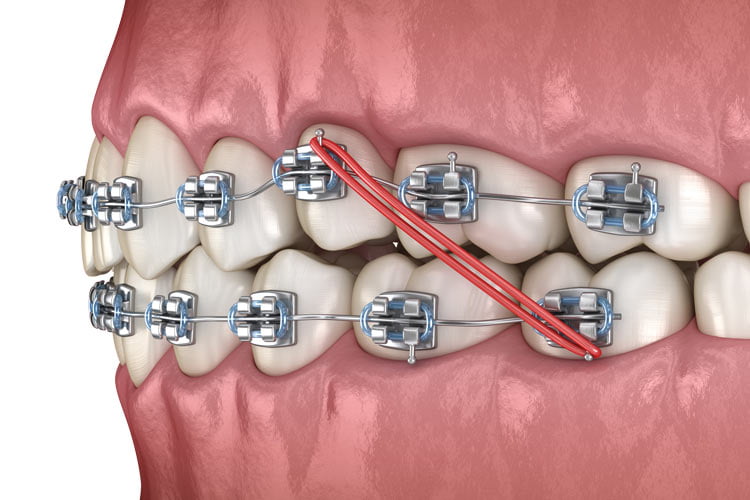
Orthodontist Advice for Maintaining Oral Hygiene

Maintaining a healthy, sparkling smile goes beyond just brushing and flossing—it’s even more critical when you’re undergoing orthodontic treatment. Braces, aligners, and other dental appliances can make oral hygiene a little more challenging, but with the right care, you can prevent cavities, gum disease, and staining while achieving the perfect smile. Orthodontists emphasize that good habits now not only protect your teeth but also ensure your treatment progresses smoothly. Here’s a comprehensive guide on how to keep your mouth healthy during orthodontic care.

Why Oral Hygiene is Essential During Orthodontic Treatment

Preventing Tooth Decay and Gum Disease

Braces and aligners create small spaces where food particles and plaque can accumulate. If not cleaned properly, this can lead to cavities and gum inflammation. Maintaining excellent oral hygiene helps protect your teeth from damage and keeps your gums healthy throughout your treatment.

Ensuring Successful Treatment

Poor oral hygiene can slow down your treatment progress. Infections or decay may require pauses in orthodontic adjustments, prolonging the time needed to achieve your desired results. Clean teeth and healthy gums allow your Papillion orthodontist to work efficiently and safely.

Avoiding Stains and Discoloration

Food particles trapped around braces or under aligners can cause white spots or discoloration on your teeth. Following a proper cleaning routine minimizes staining, ensuring your smile looks perfect once your orthodontic treatment is complete.

Daily Oral Hygiene Routine

Brushing Your Teeth

Orthodontists recommend brushing at least twice a day, ideally after every meal. Use a soft-bristled toothbrush and fluoride toothpaste. For braces, brush around brackets and wires carefully, ensuring no food particles remain. For aligner users, remove the trays and brush your teeth before putting them back in.

Tips for Effective Brushing:

  • Hold your toothbrush at a 45-degree angle to your gum line.

  • Brush each tooth individually, including behind the teeth and around brackets.

  • Don’t rush—spend at least two minutes brushing.

Flossing

Flossing removes plaque and food particles between teeth, areas that brushing alone can’t reach. For braces, use floss threaders or special orthodontic floss to navigate around wires. Aligners are removable, so regular flossing is easier and should be part of your daily routine.

Mouthwash

Rinsing with an antimicrobial or fluoride mouthwash can help reduce bacteria and strengthen enamel. Mouthwash also reaches areas that toothbrushes and floss may miss, providing extra protection for gums and teeth.

Additional Tips for Braces Wearers

Avoid Certain Foods

Sticky, hard, or chewy foods can damage braces or get stuck in wires and brackets. Avoid gum, caramel, hard candies, popcorn, and crunchy snacks. Eating softer foods reduces the risk of broken appliances and makes cleaning easier.

Check for Loose Brackets or Wires

Regularly inspect your braces for loose or broken parts. If you notice any issues, contact your orthodontist promptly to avoid complications or discomfort.

Use Interdental Brushes

Interdental brushes are small, flexible brushes that can clean between brackets and under wires. They’re especially useful for reaching difficult areas and keeping braces free from trapped food.

Additional Tips for Aligner Users

Keep Aligners Clean

Clean aligners daily with a soft toothbrush and mild soap or recommended cleaning solutions. Avoid using hot water, which can warp the plastic.

Remove Aligners Before Eating

Always remove your aligners before meals or snacks to prevent food particles from getting trapped. Brush your teeth before putting them back in to maintain hygiene.

Store Aligners Safely

Use the provided case to store aligners when not in use. Leaving them out can expose them to bacteria and damage.

Regular Orthodontic Check-Ups

Routine visits to your orthodontist are crucial for maintaining oral health. During these appointments, your orthodontist can:

  • Adjust braces or provide new aligners

  • Check for cavities or gum issues

  • Give personalized advice on brushing, flossing, and appliance care

These visits help catch potential problems early and ensure your treatment stays on track.

Final Thoughts: A Healthy Smile Starts with You

Maintaining oral hygiene during orthodontic treatment requires effort, but the payoff is worth it. Clean teeth, healthy gums, and well-cared-for appliances ensure your treatment is effective and your smile is beautiful.

By following your orthodontist’s advice, brushing and flossing diligently, and attending regular check-ups, you’re investing in a lifetime of dental health. Remember, a perfect smile isn’t just about straight teeth—it’s about strong, healthy teeth that last for years to come.

Leave a Reply

Your email address will not be published. Required fields are marked *

Related Post

Preventing Problems Early Foot Health and Therapy for KidsPreventing Problems Early Foot Health and Therapy for Kids

Children’s feet are the foundation of their growth, mobility, and overall health. From the first steps to active play and sports participation, strong, well-aligned feet are essential for proper development. Unfortunately, foot and ankle problems are common in children, and if left untreated, they can affect posture, balance, and long-term mobility. Early intervention through pediatric foot therapy is key to preventing these issues and ensuring that kids grow with healthy, pain-free feet. Clinics like Little Feet Pediatric Therapy in Washington DC specialize in providing comprehensive care that supports children’s foot health from an early age.

Why Early Foot Care Matters

Children’s feet are constantly growing and developing, making them particularly susceptible to problems like flat feet, toe walking, heel pain, and misaligned gait. Even minor abnormalities can affect a child’s overall posture and ability to move comfortably. Preventive foot care ensures that these issues are identified and addressed before they lead to chronic pain, discomfort, or limitations in physical activity.

Pediatric foot therapy is not just about treating existing problems—it’s about education, prevention, and fostering healthy habits. The experts at Little Feet Pediatric Therapy in Washington DC focus on early assessment, individualized care, and guidance for families to support proper foot development.

Comprehensive Pediatric Foot Therapy Services

Preventive pediatric foot Little Feet Pediatric Therapy in Washington DC includes a range of services designed to maintain healthy feet and support proper growth. Key components include:

  • Gait Analysis: Assessing how a child walks to identify potential issues with alignment, balance, or muscle development.

  • Strengthening Exercises: Targeting muscles in the feet, ankles, and lower legs to improve stability and prevent injuries.

  • Flexibility and Balance Training: Promoting proper movement mechanics and reducing the risk of falls or strains.

  • Orthotic Assessments: Custom-designed inserts to correct structural problems and support healthy foot development.

  • Parent Education: Teaching families about proper footwear, exercises, and daily habits to maintain optimal foot health.

By combining these approaches, Little Feet Pediatric Therapy in Washington DC helps children avoid common foot problems while building strong, functional feet for daily activity and play.

Common Foot Issues in Children

Even healthy children can develop foot and ankle issues that may benefit from early intervention. Some common concerns include:

  • Flat Feet (Pes Planus) – Reduced arches that can lead to balance problems or fatigue.

  • Toe Walking – Walking primarily on toes, which can shorten the Achilles tendon and affect gait.

  • In-Toeing and Out-Toeing – Rotational misalignments that can impact walking and running efficiency.

  • Heel Pain (Sever’s Disease) – Pain in the growth plate area caused by activity or rapid growth.

  • Sports-Related Injuries – Sprains, strains, and overuse injuries that require targeted therapy.

Preventive therapy focuses on identifying and correcting these issues early, minimizing pain, and improving long-term mobility.

Incorporating Play Into Therapy

Children respond best to therapy that is fun and engaging. Pediatric therapists use games, obstacle courses, hopping, jumping, and balance activities to strengthen muscles, improve coordination, and encourage proper movement patterns. By making therapy enjoyable, children are more likely to participate fully and benefit from the exercises.

Little Feet Pediatric Therapy in Washington DC emphasizes the importance of play-based therapy, ensuring that children receive effective treatment while enjoying the process.

Long-Term Benefits of Early Intervention

Early intervention through pediatric foot therapy offers numerous long-term advantages, including:

  • Improved posture and gait

  • Reduced risk of chronic pain or injury

  • Greater participation in physical activities and sports

  • Prevention of future foot and ankle problems

  • Enhanced confidence and independence

By addressing issues early, children are more likely to develop healthy habits and strong feet that support a lifetime of mobility and activity.

Final Thoughts

Healthy feet are critical for children to move confidently, play actively, and grow without limitations. Preventive pediatric foot therapy provides the tools, exercises, and guidance needed to identify potential issues and address them before they become problems. From gait analysis and strengthening exercises to custom orthotics and parent education, pediatric therapy ensures that children’s feet develop properly and remain pain-free.

Families looking to protect and enhance their children’s foot health can trust Little Feet Pediatric Therapy in Washington DC for expert, compassionate, and comprehensive care. By taking steps to prevent problems early, children can enjoy strong feet, active lifestyles, and happy, confident steps every day.

IHC Controls and Their Contribution to Laboratory ExcellenceIHC Controls and Their Contribution to Laboratory Excellence

Immunohistochemistry (IHC) has become an essential technique in modern pathology and biomedical research. It enables laboratories to identify and visualize specific proteins within tissue samples, supporting accurate disease diagnosis, biomarker evaluation, and scientific investigations. However, the reliability of IHC results depends not only on the quality of antibodies and staining protocols but also on the proper use of IHC controls. These indirect immunohistochemistry serve as quality assurance measures that verify staining accuracy, detect technical issues, and ensure consistent performance across laboratory procedures. By incorporating appropriate IHC controls into every staining run, laboratories can achieve higher standards of accuracy, reproducibility, and operational excellence.

IHC controls are tissue samples or test preparations used alongside patient or research specimens to validate the staining process. They help determine whether antibodies, reagents, instruments, and protocols are functioning correctly. Without proper controls, laboratories may struggle to distinguish genuine biological findings from technical errors, potentially leading to incorrect interpretations. Reliable controls create confidence that staining results accurately reflect the presence or absence of target antigens within the tissue.

Positive controls are one of the most widely used forms of IHC controls. These tissues are known to express the target antigen consistently and at predictable levels. When a positive control stains as expected, it confirms that the antibody is working properly and that the staining protocol has been successfully completed. If the positive control fails to produce the anticipated staining pattern, laboratory personnel can quickly recognize that a technical issue may exist, such as reagent degradation, incorrect antigen retrieval, or equipment malfunction. This immediate feedback prevents inaccurate interpretation of patient samples.

Negative controls are equally important in maintaining laboratory quality. These controls help identify non-specific staining, background signal, or unwanted antibody binding. A negative control typically involves either tissue lacking the target antigen or a staining procedure in which the primary antibody is omitted. The absence of staining confirms that any positive signal observed in test samples is specific to the intended target rather than resulting from procedural artifacts. This is particularly valuable when working with complex tissues where non-specific staining may complicate interpretation.

Internal controls provide another valuable layer of quality assurance. Certain normal cells within the same tissue section naturally express specific biomarkers and can serve as built-in references during evaluation. Because internal controls experience identical fixation, processing, and staining conditions as the surrounding tissue, they offer direct evidence that the staining procedure functioned correctly. Pathologists frequently rely on these internal references when assessing specimen quality and interpreting challenging cases.

The consistent use of IHC controls significantly improves diagnostic accuracy. Many clinical decisions, including cancer classification, prognosis, and treatment selection, depend on reliable immunohistochemical findings. Biomarkers such as hormone receptors, proliferation markers, and immune checkpoint proteins influence therapeutic strategies. Even minor technical inconsistencies can affect staining intensity and potentially alter diagnostic conclusions. By validating every staining run with appropriate controls, laboratories reduce the likelihood of false-positive and false-negative results, supporting more confident clinical decision-making.

Beyond clinical diagnostics, IHC controls play an essential role in biomedical research. Researchers investigating disease mechanisms, drug development, or biomarker discovery require reproducible experimental data. Standardized controls ensure that observed differences between study groups reflect genuine biological variation rather than inconsistencies in laboratory procedures. This improves the credibility of published findings and supports successful collaboration between research institutions.

Laboratory accreditation and regulatory compliance also depend heavily on proper quality control practices. Organizations responsible for laboratory certification expect facilities to demonstrate consistent monitoring of analytical performance through validated quality assurance measures. Well-documented use of IHC controls helps laboratories meet accreditation requirements while providing evidence of standardized operating procedures. Comprehensive quality control records also facilitate internal audits, external inspections, and continuous quality improvement initiatives.

Effective IHC controls contribute to greater workflow efficiency by allowing technical problems to be identified early in the staining process. Instead of discovering errors after patient results have been reported, laboratory professionals can detect issues immediately through control performance. Early detection reduces the need for repeat testing, conserves valuable reagents, minimizes delays, and improves overall laboratory productivity. This proactive approach ultimately lowers operational costs while maintaining high-quality diagnostic services.

Maintaining reliable IHC controls requires careful planning and routine evaluation. Laboratories should select control tissues with well-characterized antigen expression, validate new antibodies before clinical implementation, monitor reagent expiration dates, and standardize staining protocols across instruments and operators. Proper storage and handling of control materials are equally important to preserve antigen integrity over time. Regular participation in external quality assessment programs further strengthens laboratory performance by comparing results with those from other institutions.

Staff education also contributes to successful implementation of IHC controls. Laboratory personnel should understand the purpose of each control type, recognize abnormal staining patterns, and know how to troubleshoot unexpected results. Ongoing training ensures consistency across technicians and promotes a culture of quality throughout the laboratory. Collaboration between technologists, pathologists, and quality managers further enhances the effectiveness of control programs.

In conclusion, IHC controls are fundamental to achieving laboratory excellence. They validate staining procedures, improve diagnostic accuracy, support reliable research outcomes, and strengthen quality assurance systems. Positive, negative, and internal controls each provide unique information that helps laboratories identify technical issues before they affect patient care or scientific investigations. By integrating comprehensive IHC control strategies into routine practice, laboratories can maintain consistent performance, meet regulatory expectations, and deliver dependable results that healthcare professionals and researchers can trust. As immunohistochemistry continues to advance, the importance of well-managed IHC controls will remain central to delivering high-quality laboratory services.

Affordable Orthodontics Miami: Expert Care for All AgesAffordable Orthodontics Miami: Expert Care for All Ages

Orthodontic treatment is no longer considered a luxury—it is an essential part of maintaining good oral health. In Miami, affordable orthodontic services make it possible for individuals of all ages to achieve a healthy and attractive smile without financial strain.

Why Orthodontic Care Matters

Misaligned teeth and jaw issues can lead to a variety of dental problems, including difficulty cleaning teeth, increased risk of cavities, and even jaw pain. Orthodontic care addresses these concerns while also enhancing the appearance of your smile.

Affordable orthodontic options ensure that more people can access the care they need, improving both their oral health and confidence.

Orthodontic Solutions for All Ages

Orthodontic treatment is suitable for children, teenagers, and adults. Early intervention in children can guide proper jaw development and prevent more serious issues later. Many orthodontists recommend an initial evaluation by the age of seven.

Teenagers often undergo treatment during their formative years, when teeth are easier to reposition. Options like clear aligners and less noticeable braces make treatment more appealing for this age group.

Adults are increasingly seeking orthodontic care as well. Modern treatments offer discreet and convenient solutions, allowing adults to improve their smiles without disrupting their daily routines.

Cost-Effective Treatment Options

Miami orthodontist Miami, FL clinics provide a range of affordable solutions to fit different budgets. Traditional metal braces are often the most economical option and remain highly effective. Clear aligners and ceramic braces may cost more but offer aesthetic benefits.

Many clinics offer flexible payment plans, allowing patients to spread the cost over time. Interest-free financing options and insurance coverage can further reduce the financial burden.

Importance of Consultation and Planning

An initial consultation is a key step in affordable orthodontic care. During this visit, the orthodontist evaluates your dental needs and provides a detailed treatment plan, including cost estimates.

Understanding the available options helps patients make informed decisions. Transparent pricing and clear communication ensure there are no unexpected expenses during treatment.

Quality Care Without Compromise

Affordable orthodontics does not mean sacrificing quality. Many Miami clinics use advanced technology and modern techniques to deliver excellent results at competitive prices. Skilled orthodontists focus on providing efficient treatment while ensuring patient comfort.

High-quality care includes regular monitoring, adjustments, and support throughout the treatment process. This ensures optimal results and a positive experience for patients.

Maintaining Oral Health During Treatment

Proper oral hygiene is essential during orthodontic treatment. Brushing and flossing regularly, along with routine dental check-ups, help prevent issues such as plaque buildup and gum disease.

Orthodontists often provide guidance on maintaining oral health, including tips for cleaning braces or aligners effectively.

Long-Term Benefits of Orthodontics

Investing in orthodontic care offers long-term benefits. Straight teeth are easier to maintain, reducing the risk of dental problems in the future. Improved bite alignment can also prevent discomfort and enhance overall function.

A beautiful smile can boost self-esteem and open doors in both personal and professional life. Affordable orthodontic services make these benefits accessible to a wider audience.

Choosing the Right Affordable Provider

When searching for affordable orthodontics in Miami, it is important to consider both cost and quality. Look for experienced professionals who offer flexible payment options and have a strong track record of successful treatments.

Patient reviews, recommendations, and consultations can help you find a provider that meets your needs and budget.

Conclusion

Affordable orthodontics in Miami ensures that expert care is accessible to everyone, regardless of age or financial situation. With a variety of treatment options, flexible payment plans, and advanced technology, achieving a healthy and confident smile has never been easier. By choosing the right provider and committing to proper care, you can enjoy lasting results and improved oral health for years to come.

Courage to Change Personal Stories of Addiction RecoveryCourage to Change Personal Stories of Addiction Recovery

Addiction is a complex and often misunderstood disease. It can strip away the essence of who someone is, leaving them feeling lost, isolated, and disconnected. Yet, the road to recovery is filled with stories of incredible strength and transformation—stories of people who found the courage to change their lives. These personal journeys of addiction recovery are not just about overcoming substance use; they are about reclaiming hope, rebuilding relationships, and discovering a renewed sense of self Fitness Treatments.

Understanding Addiction: The Struggle and the Strength

Addiction is not simply a matter of willpower; it is a disease that affects both the mind and the body. People struggling with addiction often find themselves trapped in cycles of self-doubt, guilt, and hopelessness. The road to recovery may seem daunting, but within it lies an opportunity for personal growth and healing.

The Darkness of Addiction

For many, addiction starts as an escape—a temporary solution to emotional pain, trauma, or stress. What begins as a coping mechanism can spiral into dependence, leaving the individual feeling controlled by substances rather than in control of their own life. It’s easy to get caught in the shame of it all, but one of the first steps in recovery is recognizing that addiction is not a moral failing, but a health issue that requires support, compassion, and time.

Recovery Begins with Courage

The journey to recovery is not linear. There will be setbacks, moments of doubt, and hard truths to face. However, one of the most powerful tools in overcoming addiction is the courage to take that first step—admitting there’s a problem and seeking help.

Personal Stories of Courage and Transformation

Personal stories of addiction recovery provide inspiration, not just for those in recovery, but for anyone who is struggling with their own challenges. These stories show that change is possible, and that even in the darkest moments, there is hope for a better future.

1. Emily’s Journey: From Despair to Self-Discovery

Emily’s addiction began with a traumatic loss in her family. To numb the pain, she turned to alcohol, which quickly spiraled out of control. For years, she hid her struggles from friends and family, believing she could manage it on her own.

One day, after a near overdose, Emily realized that she needed help. She entered rehab, unsure of what to expect but determined to reclaim her life. It wasn’t easy—there were moments when she wanted to give up, when the withdrawal symptoms felt unbearable. But with the support of a therapist, family members, and a support group, Emily began to find healing.

Today, Emily is three years sober. Her recovery journey has been full of self-discovery and growth. “I had to learn to forgive myself first,” she says. “Only then could I start rebuilding my relationships and my life.”

2. Marcus’ Story: Rebuilding Relationships

Marcus, a father of two, spent many years battling a drug addiction that affected every part of his life. He lost his job, pushed away friends and family, and became distant from his children. Addiction had taken everything from him, but he didn’t realize how much he’d lost until one evening, when his daughter called him crying. She told him she couldn’t bear to see him like this anymore.

That phone call was a wake-up call. Marcus sought treatment, enrolling in a long-term recovery program that helped him heal physically and emotionally. One of the biggest hurdles in his recovery was repairing his relationship with his children. But through therapy and family counseling, he began to reconnect.

“Recovery gave me the chance to rebuild the trust I lost,” Marcus shares. “But it also gave me something more valuable: the chance to be a better father.”

3. Sarah’s Transformation: From Self-Doubt to Empowerment

Sarah’s addiction was rooted in years of self-esteem issues and a turbulent childhood. To cope with feelings of inadequacy, she turned to prescription pills. But after years of hiding behind the haze of substance use, Sarah realized that she was trapped in a cycle of self-doubt that was keeping her from living a fulfilling life.

Through therapy, group counseling, and a commitment to her own healing, Sarah slowly began to rebuild her sense of self-worth. Her story of recovery is one of empowerment. “Recovery isn’t just about quitting the drugs,” Sarah says. “It’s about changing how I see myself. It’s about learning to love myself again.”

The Power of Courage in Recovery

Each of these stories illustrates the transformative power of courage. It takes tremendous strength to face the truth about addiction and to make the decision to change. Recovery is not a simple process, but it is a journey that is worth every step.

Overcoming Fear

Fear is often the biggest barrier to recovery. The fear of failure, fear of judgment, and fear of not being able to change are all common emotions. But as the stories of Emily, Marcus, and Sarah show, confronting fear head-on and choosing to act in spite of it is the key to transformation.

Building Resilience

Recovery also builds resilience. Each time a person overcomes a setback, it strengthens their resolve. Recovery teaches patience, self-compassion, and the ability to bounce back from adversity.

Final Thoughts: The Ongoing Journey of Recovery

The journey of addiction recovery is not about perfection—it’s about progress. It’s about finding the courage to take the first step, seeking help when needed, and never giving up on the possibility of change.

Addiction may have shaped the past, but it does not define the future. The stories of those who have gone through the recovery process serve as powerful reminders that healing is possible, and that with courage, determination, and the right support, anyone can rise above addiction and create a life full of hope, purpose, and meaning.

Recovery is a journey of growth, self-discovery, and transformation. The courage to change is the first step, and each step forward is a victory in itself.

The Ultimate Guide to Pest Control: Keeping Your Home and Business SafeThe Ultimate Guide to Pest Control: Keeping Your Home and Business Safe

Pests are more than just a nuisance—they can pose serious health risks, damage property, and compromise the comfort of your home or workplace. Effective pest control is crucial to maintaining a safe and hygienic environment. This guide explores everything you need to know about pest control, including types of pests, preventive measures, treatment options, and the importance of professional services.

Understanding Pest Control

Pest control refers to the management and regulation of insects, rodents, and other unwanted organisms that pose a threat to human health, property, or the environment. It includes prevention, monitoring, and elimination methods designed to reduce the impact of pests.

Pest infestations are not only common in homes but also in commercial establishments such as restaurants, warehouses, and offices. Addressing infestations promptly can prevent structural damage, health hazards, and long-term infestations.

Common Types of Pests

Effective pest control begins with identifying the type of pest causing problems. Some of the most common pests include:

1. Insects

  • Ants: These small insects often invade kitchens in search of food and can contaminate surfaces.
  • Cockroaches: Known carriers of bacteria and pathogens, cockroaches thrive in warm, humid environments.
  • Termites: Termites cause extensive structural damage to wood, making early detection essential.
  • Bed Bugs: These nocturnal insects feed on human blood, causing itchy bites and sleepless nights.
  • Flies and Mosquitoes: Both can spread diseases such as malaria, dengue, and salmonella.

2. Rodents

  • Rats and Mice: These rodents spread diseases, chew through wires, and contaminate food sources.

3. Wildlife Intrusions

  • Birds, raccoons, and squirrels may enter attics, sheds, or gardens, causing property damage and sanitation issues.

Why pest control riverview fl is Important

Pest control is not just about comfort—it’s a matter of safety and health. Here are some key reasons to invest in pest control:

1. Health Risks

Pests carry diseases that can affect humans and pets. For example:

  • Rodents can spread hantavirus and leptospirosis.
  • Cockroaches can trigger asthma and allergies.
  • Mosquitoes and flies can transmit malaria, dengue, and foodborne illnesses.

2. Property Damage

Termites, rodents, and carpenter ants can cause severe structural damage to homes and buildings. Preventing infestations early can save thousands in repair costs.

3. Food Safety

Pests contaminate food sources, leading to waste and potential health hazards. In commercial settings, infestations can result in legal fines and reputational damage.

4. Peace of Mind

A pest-free environment ensures comfort and safety for families, employees, and customers.

Preventive Measures for Pest Control

The best pest control strategy is prevention. Taking proactive measures reduces the likelihood of infestations.

1. Sanitation

Maintaining cleanliness is key to deterring pests:

  • Keep kitchens and dining areas clean.
  • Store food in airtight containers.
  • Dispose of garbage regularly.
  • Clean up pet food and water bowls daily.

2. Structural Maintenance

Ensure your property is less inviting to pests:

  • Seal cracks and gaps in walls, doors, and windows.
  • Repair leaks and moisture problems.
  • Install door sweeps and screens on windows.

3. Landscaping

Outdoor areas can attract pests if not properly maintained:

  • Trim overgrown vegetation near your home.
  • Keep firewood away from the house.
  • Eliminate standing water to prevent mosquito breeding.

4. Regular Inspections

Frequent inspections help detect early signs of infestations:

  • Check for droppings, gnaw marks, or damaged structures.
  • Monitor traps and bait stations for activity.

Types of Pest Control Methods

Pest control can be categorized into chemical, biological, and physical methods. Each approach has advantages and limitations.

1. Chemical Pest Control

This involves the use of insecticides, rodenticides, and other chemicals to eliminate pests.
Pros:

  • Quick and effective against large infestations.
  • Can target specific pests.

Cons:

  • Potential risks to humans, pets, and the environment.
  • Requires professional handling for safety.

2. Biological Pest Control

This method uses natural predators to control pests, such as:

  • Ladybugs to control aphids.
  • Nematodes to target soil-dwelling insects.

Pros:

  • Eco-friendly and safe for humans and pets.
  • Reduces chemical usage.

Cons:

  • Slower than chemical methods.
  • Limited to certain pests.

3. Physical and Mechanical Methods

These methods include traps, barriers, and manual removal.

  • Fly swatters, rodent traps, and sticky pads.
  • Fencing and mesh screens.
  • Heat treatments for bed bugs.

Pros:

  • Chemical-free and safe.
  • Immediate results for localized infestations.

Cons:

  • Labor-intensive.
  • May not be effective for widespread infestations.

Professional Pest Control Services

While DIY methods can handle minor infestations, professional pest control services are often necessary for severe or recurring problems.

1. Inspection and Assessment

Professional pest control experts conduct thorough inspections to identify:

  • Type of pest.
  • Infestation level.
  • Risk factors and entry points.

2. Customized Treatment Plans

Experts develop treatment plans tailored to the property and pest type:

  • Integrated Pest Management (IPM) strategies.
  • Combination of chemical, biological, and physical methods.
  • Safe and eco-friendly approaches when needed.

3. Follow-Up and Prevention

Ongoing monitoring ensures that pests do not return. Professionals also provide:

  • Tips for long-term prevention.
  • Regular inspections.
  • Maintenance plans for commercial and residential properties.

Integrated Pest Management (IPM)

IPM is a holistic approach to pest control that combines multiple strategies to minimize pest damage. The focus is on long-term prevention rather than short-term eradication.

IPM includes:

  1. Identification – Correctly identifying the pest and its habits.
  2. Prevention – Implementing sanitation and structural measures.
  3. Monitoring – Using traps and inspections to assess infestation levels.
  4. Control – Applying targeted interventions when necessary.

IPM reduces chemical usage, is environmentally friendly, and ensures sustainable pest control.

Seasonal Pest Control

Pest activity often varies by season. Understanding seasonal trends helps in timely prevention:

  • Spring: Ants, termites, and bees become more active.
  • Summer: Mosquitoes, flies, and cockroaches thrive.
  • Fall: Rodents seek indoor shelter.
  • Winter: Pests like spiders and mice may enter homes for warmth.

Regular seasonal inspections and preventive measures can reduce the risk of infestations.

DIY Pest Control Tips

For minor pest problems, homeowners can implement effective DIY strategies:

  1. Homemade Traps: Use sugar and borax for ants or sticky traps for flies.
  2. Essential Oils: Peppermint, lavender, and eucalyptus oils can repel insects.
  3. Seal Entry Points: Caulking and weather stripping keep pests out.
  4. Maintain Cleanliness: Wipe down counters, vacuum regularly, and store food properly.
  5. Natural Predators: Encourage birds or beneficial insects in your garden.

While DIY methods can help, recurring or large-scale infestations require professional intervention.

Pest Control for Businesses

Commercial pest control is critical for maintaining compliance, hygiene, and customer trust. Industries that benefit from pest control include:

  • Food and Beverage: Restaurants, cafes, and food processing units.
  • Healthcare: Hospitals and clinics require sterile, pest-free environments.
  • Hospitality: Hotels and resorts prioritize guest safety and comfort.
  • Warehousing and Storage: Pests can damage inventory and contaminate products.

Failing to maintain proper pest control can result in legal consequences, loss of business, and reputational damage.

Choosing the Right Pest Control Service

Selecting a reliable pest control service ensures effective and safe results. Consider the following:

  1. Experience and Expertise: Look for licensed professionals with a track record in pest management.
  2. Treatment Methods: Ensure they offer environmentally safe and effective solutions.
  3. Customer Reviews: Check feedback from previous clients.
  4. Guarantees: Reputable companies offer warranties or follow-up visits if pests return.
  5. Cost: Compare prices, but avoid compromising on quality for affordability.

The Future of Pest Control

Innovations in pest control are making treatments safer and more effective:

  • Eco-Friendly Chemicals: Reduced toxicity for humans and pets.
  • Smart Traps: Internet-connected devices that monitor pest activity in real-time.
  • Robotics: Automated machines that detect and eliminate pests.
  • Data-Driven Solutions: AI and sensors help predict infestations before they occur.

These technologies are shaping the future of pest management, making homes and businesses safer than ever.

Conclusion

Effective pest control is essential for protecting health, property, and quality of life. Whether through preventive measures, DIY solutions, or professional services, controlling pests ensures a safe, clean, and comfortable environment. By understanding the types of pests, their risks, and modern pest control techniques, homeowners and business owners can take proactive steps to manage infestations efficiently.

Investing in proper pest control today not only solves immediate problems but also prevents long-term damage and health risks. The combination of sanitation, maintenance, seasonal vigilance, and professional expertise creates a comprehensive defense against pests, ensuring peace of mind and a pest-free environment.