
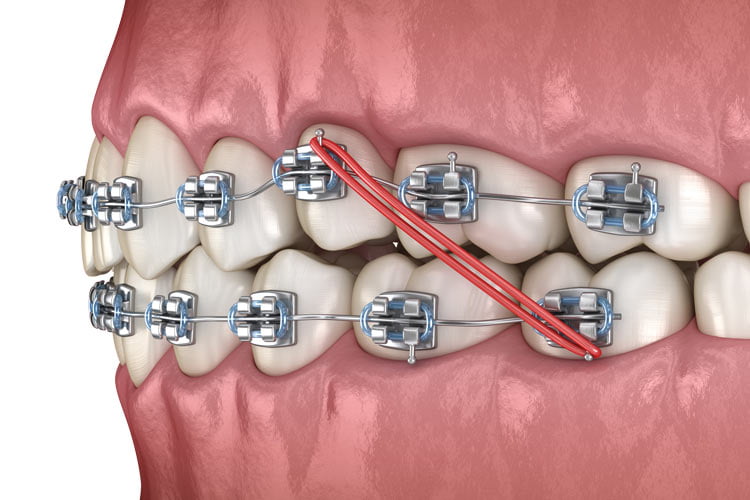
Maintaining a healthy, sparkling smile goes beyond just brushing and flossing—it’s even more critical when you’re undergoing orthodontic treatment. Braces, aligners, and other dental appliances can make oral hygiene a little more challenging, but with the right care, you can prevent cavities, gum disease, and staining while achieving the perfect smile. Orthodontists emphasize that good habits now not only protect your teeth but also ensure your treatment progresses smoothly. Here’s a comprehensive guide on how to keep your mouth healthy during orthodontic care.
Why Oral Hygiene is Essential During Orthodontic Treatment
Preventing Tooth Decay and Gum Disease
Braces and aligners create small spaces where food particles and plaque can accumulate. If not cleaned properly, this can lead to cavities and gum inflammation. Maintaining excellent oral hygiene helps protect your teeth from damage and keeps your gums healthy throughout your treatment.
Ensuring Successful Treatment
Poor oral hygiene can slow down your treatment progress. Infections or decay may require pauses in orthodontic adjustments, prolonging the time needed to achieve your desired results. Clean teeth and healthy gums allow your Papillion orthodontist to work efficiently and safely.
Avoiding Stains and Discoloration
Food particles trapped around braces or under aligners can cause white spots or discoloration on your teeth. Following a proper cleaning routine minimizes staining, ensuring your smile looks perfect once your orthodontic treatment is complete.
Daily Oral Hygiene Routine
Brushing Your Teeth
Orthodontists recommend brushing at least twice a day, ideally after every meal. Use a soft-bristled toothbrush and fluoride toothpaste. For braces, brush around brackets and wires carefully, ensuring no food particles remain. For aligner users, remove the trays and brush your teeth before putting them back in.
Tips for Effective Brushing:
-
Hold your toothbrush at a 45-degree angle to your gum line.
-
Brush each tooth individually, including behind the teeth and around brackets.
-
Don’t rush—spend at least two minutes brushing.
Flossing
Flossing removes plaque and food particles between teeth, areas that brushing alone can’t reach. For braces, use floss threaders or special orthodontic floss to navigate around wires. Aligners are removable, so regular flossing is easier and should be part of your daily routine.
Mouthwash
Rinsing with an antimicrobial or fluoride mouthwash can help reduce bacteria and strengthen enamel. Mouthwash also reaches areas that toothbrushes and floss may miss, providing extra protection for gums and teeth.
Additional Tips for Braces Wearers
Avoid Certain Foods
Sticky, hard, or chewy foods can damage braces or get stuck in wires and brackets. Avoid gum, caramel, hard candies, popcorn, and crunchy snacks. Eating softer foods reduces the risk of broken appliances and makes cleaning easier.
Check for Loose Brackets or Wires
Regularly inspect your braces for loose or broken parts. If you notice any issues, contact your orthodontist promptly to avoid complications or discomfort.
Use Interdental Brushes
Interdental brushes are small, flexible brushes that can clean between brackets and under wires. They’re especially useful for reaching difficult areas and keeping braces free from trapped food.
Additional Tips for Aligner Users
Keep Aligners Clean
Clean aligners daily with a soft toothbrush and mild soap or recommended cleaning solutions. Avoid using hot water, which can warp the plastic.
Remove Aligners Before Eating
Always remove your aligners before meals or snacks to prevent food particles from getting trapped. Brush your teeth before putting them back in to maintain hygiene.
Store Aligners Safely
Use the provided case to store aligners when not in use. Leaving them out can expose them to bacteria and damage.
Regular Orthodontic Check-Ups
Routine visits to your orthodontist are crucial for maintaining oral health. During these appointments, your orthodontist can:
-
Adjust braces or provide new aligners
-
Check for cavities or gum issues
-
Give personalized advice on brushing, flossing, and appliance care
These visits help catch potential problems early and ensure your treatment stays on track.
Final Thoughts: A Healthy Smile Starts with You
Maintaining oral hygiene during orthodontic treatment requires effort, but the payoff is worth it. Clean teeth, healthy gums, and well-cared-for appliances ensure your treatment is effective and your smile is beautiful.
By following your orthodontist’s advice, brushing and flossing diligently, and attending regular check-ups, you’re investing in a lifetime of dental health. Remember, a perfect smile isn’t just about straight teeth—it’s about strong, healthy teeth that last for years to come.