Category: Home & Kitchen Ideas

Senior Living Apartments and Communities: A Complete Guide for Comfortable Retirement LivingSenior Living Apartments and Communities: A Complete Guide for Comfortable Retirement Living

As people grow older, their lifestyle needs often change. Many seniors begin looking for a living arrangement that offers comfort, safety, independence, and social opportunities. This is where senior living apartments and communities come in. These living spaces are specially designed to support older adults who want to enjoy retirement without the stress of maintaining a large home or managing daily responsibilities alone.

In this article, we will explore what senior living apartments and communities are, their benefits, the types available, and how to choose the right option for yourself or a loved one.

What Are Senior Living Apartments and Communities?

Senior living apartments and communities are residential areas created specifically for older adults, usually aged 55 and above. These communities provide housing options that are easier to manage and include features that promote safety, accessibility, and convenience.

Unlike traditional apartments, senior living spaces often include services such as housekeeping, meal plans, wellness programs, and social activities. Some communities also offer medical support and personal care assistance depending on the level of care needed.

The goal is simple: to help seniors live independently while still having access to support when required.

Why Seniors Choose Senior Living Apartments and Communities

Many older adults choose these communities because they offer a balanced lifestyle. Retirement should be relaxing, not stressful. Senior living communities help make that possible.

Here are some key reasons seniors prefer this living option:

1. Less Home Maintenance

Maintaining a house can become difficult with age. Lawn care, repairs, cleaning, and heavy chores can feel overwhelming. Senior living apartments remove this burden by providing maintenance services.

2. Safer Living Environment

Senior apartments are designed with safety features such as:

  • Handrails in bathrooms

  • Non-slip flooring

  • Emergency call systems

  • Well-lit hallways and outdoor areas

  • Wheelchair-friendly access

This reduces the risk of accidents and makes everyday living more secure.

3. Social Opportunities

Loneliness is a common issue among older adults. Senior living apartments and communities create a social atmosphere where residents can meet others, make friends, and stay active through group activities.

4. Convenient Amenities

Most senior communities provide helpful amenities such as:

  • Fitness centers

  • Community dining rooms

  • Libraries

  • Walking trails

  • Transportation services

  • Recreational rooms

  • Gardening areas

These amenities allow seniors to enjoy a fulfilling lifestyle without leaving the community.

5. Access to Healthcare Support

Some senior communities are located near hospitals or clinics, while others provide onsite health monitoring and care services. This ensures residents have quick access to medical assistance when needed.

Different Types of Senior Living Apartments and Communities

Not all senior living communities are the same. Seniors have different needs, and the housing options vary depending on care level, lifestyle, and budget. Below are the most common types.

Independent Living Communities

Independent living is best for seniors who are active and healthy but want a simpler lifestyle. Residents live in private apartments or small homes while enjoying shared community spaces and optional services.

Independent living typically includes:

  • Social events and activities

  • Maintenance-free housing

  • Fitness and wellness programs

  • Transportation services

  • Dining options

This is a great choice for seniors who want freedom with added convenience.

Assisted Living Communities

Assisted living communities are designed for seniors who need help with daily tasks such as:

  • Bathing

  • Dressing

  • Medication management

  • Meal preparation

  • Mobility support

Residents still maintain privacy and independence but receive personal care services when needed. Assisted living offers peace of mind for families because trained staff are available around the clock.

Continuing Care Retirement Communities (CCRCs)

A Continuing Care Retirement Community is a long-term solution that provides multiple levels of care in one location. Seniors can start in independent living and transition to assisted living or nursing care if their health needs change.

CCRCs are popular because they allow residents to stay in the same community for many years without relocating.

Memory Care Communities

Memory care communities are specially designed for seniors with Alzheimer’s disease, dementia, or other memory-related conditions. These facilities offer secure environments, trained caregivers, and specialized programs to support mental and emotional well-being.

Memory care services often include:

  • 24/7 supervision

  • Structured daily routines

  • Cognitive therapy activities

  • Secure entrances and exits

  • Personalized care plans

Senior Apartment Complexes (55+ Apartments)

Some seniors simply want to live in a quiet community with other older adults, without added services like meals or healthcare. These are often called 55+ senior apartments.

They may include basic amenities such as:

  • Security features

  • Elevators

  • Community lounges

  • Organized events

This option is usually more affordable than assisted living.

Benefits of Living in Senior Living Apartments and Communities

Choosing senior living apartments and communities comes with many advantages that support physical, emotional, and social health.

Independent Living Communities

Seniors enjoy a better lifestyle because they can focus on hobbies, relaxation, and socializing rather than household chores.

Assisted Living Communities

Living around people of the same age group creates companionship and reduces isolation. Many residents build lifelong friendships.

Continuing Care Retirement Communities (CCRCs)

Many communities offer wellness programs such as yoga, physical therapy sessions, fitness classes, and healthy meal options. These services encourage seniors to stay active and maintain good health.

Memory Care Communities

Ironically, moving into a senior community can increase independence. With support services available, seniors can continue living on their own terms longer.

Senior Apartment Complexes (55+ Apartments)

Families feel more comfortable knowing their loved ones are in a safe environment with staff support and emergency systems in place.

What to Look for When Choosing a Senior Living Community

Selecting the right senior living community is an important decision. It affects comfort, happiness, and long-term well-being.

Here are some factors to consider:

2. Safer Living Environment

0

Choose a community close to family, friends, hospitals, shopping centers, and entertainment areas. A convenient location makes life easier for both residents and visitors.

2. Safer Living Environment

1

Senior living costs vary depending on services and care level. Some comfortable independent senior living in San Diego California charge monthly rent, while others may require an entrance fee. Always ask for a clear breakdown of costs including:

  • Housing rent

  • Meal plans

  • Medical services

  • Utilities

  • Activity fees

2. Safer Living Environment

2

Make sure the community offers activities and amenities that match the senior’s interests. A person who enjoys fitness may want a gym and walking trails, while someone who loves reading may prefer a library or quiet spaces.

2. Safer Living Environment

3

Look for wheelchair-friendly layouts, secure entrances, emergency call systems, and staff availability.

2. Safer Living Environment

4

If choosing assisted living or memory care, ask about staff qualifications, caregiver-to-resident ratio, and medical support. A caring and well-trained staff can make a huge difference.

2. Safer Living Environment

5

Visit the community in person if possible. Check the cleanliness, observe how staff treat residents, and notice the overall environment.

The Future of Senior Living Communities

Senior living is constantly evolving. Today, modern senior living apartments and communities focus more on active aging, independence, and lifestyle enhancement. Many new communities now offer:

  • Smart home technology

  • Onsite wellness clinics

  • Luxury-style apartments

  • Cultural events and travel programs

  • Personalized health plans

This shift shows that senior living is no longer just about care—it is about enjoying life in a supportive environment.

What Are Senior Living Apartments and Communities?

Senior living apartments and communities provide a valuable solution for older adults seeking comfort, safety, and an active lifestyle. Whether someone wants independent living, assisted care, or specialized memory support, there is a community designed to meet their needs.

These communities offer more than just housing—they provide companionship, peace of mind, and the opportunity to live retirement years with dignity and joy. Choosing the right senior living community can greatly improve quality of life and ensure seniors feel supported and fulfilled.

If you or a loved one is considering a move, exploring different senior living options and visiting communities can help you find the perfect place to call home.

Traditional Italian Dishes: A Delicious Travel Through Italian Republic S Culinary ArtTraditional Italian Dishes: A Delicious Travel Through Italian Republic S Culinary Art


Italy is one of the most pet cookery destinations in the world, known for its rich flavors, fresh ingredients, and centuries-old recipes. When populate think about Traditional Italian Dishes, they often opine pizza pie, alimentary paste, and gelato. But Italy s cuisine is much deeper than those popular favorites. Each part of the country offers unusual dishes formed by local anaesthetic , geographics, and chronicle. From solid northern meals to seafood-rich southerly recipes, Italian food is a true solemnization of simple mindedness and smack.

In this clause, we will explore the most painting Traditional Italian Dishes, their origins, and why they continue to be treasured around the earthly concern.

The Heart of Traditional Italian Cuisine

Italian cookery is built on a few necessary principles: freshly ingredients, seasonal produce, and equal flavors. Italians believe in rental natural ingredients shine rather than them with heavily spices or complex techniques. Olive oil, tomatoes, garlic, herbs like sweet basil and oregano, , and fresh made pasta are the creation of many meals.

Unlike many other cuisines, Italian food is also intimately tied to crime syndicate traditions. Recipes are passed down from multiplication to generation, often remaining unedited for hundreds of age. That is why Traditional Italian Dishes are not only meals but also a perceptiveness undergo.

Pizza Napoletana: Italy s Most Famous Dish

One of the most historied Traditional Italian Dishes is Pizza Napoletana, originating from Naples. This pizza pie is known for its soft, thin , somewhat chewy texture, and simple toppings. Traditional Neapolitan pizza pie is made with only a few ingredients: flour, barm, irrigate, salt, tomatoes, mozzarella, and newly basil.

The most popular version is Pizza Margherita, which represents the colors of the Italian flag red tomatoes, whiten mozzarella, and putting green sweet basil. Cooked in a wood-fired oven at high temperatures, this pizza has a unique smoky season that cannot be easily replicated.

Pasta Carbonara: A Roman Masterpiece

When it comes to Traditional Italian Dishes, alimentary paste plays a Major role. Spaghetti alla Carbonara is one of the most dear pasta dishes from Rome. Many people erroneously add cream to carbonara, but the authentic formula is made without it.

Traditional includes spaghetti, eggs, pecorino romano , guanciale(cured pork cheek), and blacken pelt. The eggs make a creamy sauce when mixed with the hot pasta, giving the dish its signature smoothen texture. This simpleton but flavorful meal is a perfect example of how Italians transmute basic ingredients into something unusual.

Lasagna: A Comfort Food Classic

Another globally known Traditional Italian Dish is Lasagna, primitively from the Emilia-Romagna region. Traditional lasagna consists of layers of pasta sheets, rich rag(meat sauce), creamy b chamel sauce, and parmesan cheese.

In northern Italy, lasagne is often made with fresh egg pasta, giving it a soft and hard texture. The combination of slow-cooked meat sauce and thick layers makes lasagne a reassuring and substantial meal. It is normally served at family gatherings, holidays, and celebrations.

Risotto: Northern Italy s Creamy Delight

While alimentary paste dominates many parts of Italy, Northern regions like Lombardy and Piedmont are renowned for risotto. This thick rice dish is advised one of the most large Traditional Italian Dishes.

The rice used for Italian rice, such as Arborio or Carnaroli, absorbs liquid state while leftover somewhat firm. The dish is seared slowly with stock and excited perpetually, creating a creamy texture without the need for cream off. One of the most popular versions is Risotto alla Milanese, flavored with saffron crocus, gift it a golden color and rich aroma.

Ossobuco: A Rich and Hearty Dish

Ossobuco is another renowned dish from Milan. It is made by braising veal shanks tardily with vegetables, stock, and white wine. The result is tenderise meat that falls off the bone and a flavourful sauce that pairs attractively with risotto or polenta.

This dish is a true example of Italian slow cookery. It is often screw-topped with gremolata, a mix of stinker zest, garlic, and Petroselinum crispum, which adds novelty and balances the fertility of the meat.

Parmigiana di Melanzane: Eggplant Perfection

Southern Italy is known for its love of vegetables, Olea europaea oil, and tomatoes. One of the most nonclassical Traditional Italian Dishes is Parmigiana di Melanzane, also known as Solanum melongena Parmesan.

This dish is made by layering fried or broiled mad apple slices with love apple sauce, mozzarella, and Parmesan . It is then cooked until champagne and prosperous. The flavors are rich, cheesy, and consoling, qualification it a favourite for both vegetarians and meat lovers.

Minestrone: A Classic Italian Soup

For those who igniter meals, Minestrone is one of the most traditional soups in Italy. This hearty vegetable soup often includes beans, pasta or rice, carrots, , onions, tomatoes, and seasonal worker vegetables.

What makes vegetable soup specialized is that it changes depending on the mollify and part. Italians often use whatever vegetables are freshest, making it a elastic and sound dish. Served with gruff staff of life and European olive tree oil, vegetable soup is both nutritive and Delicious.

Polenta: A Staple of Northern Italy

Polenta is a orthodox cornmeal dish normally eaten in Northern Italy. It was once advised bucolic food but is now rewarding as a classic solace meal. Polenta can be served thick, synonymous to mashed potatoes, or cooled and sliced into firm pieces that are grilled or cooked.

It pairs well with meat stews, cheese, mushrooms, and sauces. Polenta clay an significant part of Traditional Italian Dishes, especially in colder regions where hearty meals are desirable.

Arancini: Sicily s Golden Snack

Sicily has contributed many delicious items to Italian cuisine, and one of the most famed is Arancini. These are cooked rice balls stuffed with rag, mozzarella, or peas. They are clothed in breadcrumbs and deep-fried until crisp and halcyon.

Arancini are often eaten as street food or snacks, but they can also be served as appetizers. Their firm outside and soft, flavorous filling make them one of the most favored Traditional Italian Dishes.

Tiramisu: Italy s Most Iconic Dessert

No discussion of Traditional Italian Dishes would be nail without afters, and Tiramisu is perhaps the most illustrious Italian sweetness treat. Originating from the Veneto part, tiramisu is made with layers of coffee-soaked ladyfinger biscuits, mascarpone cream, powder, and sometimes a splash of hard drink.

The name tiramisu means pick me up, which is try-on because of the fresh coffee flavor. Creamy, light, and rich, this sweet has become a world favourite.

Gelato: A Sweet Italian Tradition

Italy is also known for gelato, a smoother and denser variant of ice skim. Unlike fixture ice cream, gelato contains less air and often uses more milk than skim off, giving it a rich texture and saturated flavor.

Popular flavors admit Pistacia vera, hazel, chocolate, lemon, and stracciatella(vanilla with chips). Gelato is enjoyed by Italians of all ages and is one of the most new Traditional Italian Dishes during summer.

Why Traditional Italian Dishes Are Loved Worldwide

The popularity of Traditional Italian Dishes comes from their simplicity and soothe. Italian food is not about complicated ingredients or heavily flavoring. Instead, it focuses on recently create, tone , good olive oil, and carefully equipt sauces.

Italian cuisine also brings people together. Meals are meant to be distributed, enjoyed slow, and pleasing. Whether it s a syndicate dinner with lasagna or a promptly slice of pizza in Naples, Italian food represents warmth, custom, and joy.

Conclusion

From pizza pie and pasta to Italian rice and tiramisu, Traditional Italian Dishes volunteer an unconvincing variety show of flavors and experiences. Each dish reflects Italy s territorial and deep cookery inheritance. Whether you favour rich and square meals or dismount and freshly recipes, Italian cuisine has something for everyone.

Exploring traditional non aams is like travel through Italy itself every bite tells a write up of story, culture, and rage for food. If you ever want to taste true custom, start with these picture dishes and bring off a piece of Italy to your put of.

Garden Furniture: A Complete Guide to Choosing the Perfect Outdoor SetupGarden Furniture: A Complete Guide to Choosing the Perfect Outdoor Setup

Garden furniture plays a major role in turning an ordinary outdoor space into a relaxing and stylish retreat. Whether you have a small balcony, a medium-sized backyard, or a large garden, the right furniture can completely transform the area into a comfortable extension of your home. From cozy seating sets to elegant dining arrangements, garden furniture offers both beauty and function. In this detailed guide, we will explore the different types of garden furniture, materials, design options, maintenance tips, and how to choose the best furniture for your outdoor lifestyle.

What is Garden Furniture?

Garden furniture refers to outdoor furniture designed specifically for gardens, patios, terraces, balconies, and outdoor entertainment areas. Unlike indoor furniture, garden furniture is built to withstand changing weather conditions such as rain, sun exposure, humidity, and wind. It includes items like outdoor chairs, tables, loungers, benches, swings, umbrellas, and even outdoor storage units.

Modern garden furniture is not only durable but also stylish, offering a wide range of designs that match different home aesthetics. Whether you prefer a rustic wooden look or a sleek modern aluminum finish, there are countless options available.

Why Garden Furniture is Important

Many homeowners underestimate the value of investing in quality garden furniture. However, outdoor furniture adds comfort and usability to your outdoor space. Here are some major benefits:

1. Enhances Outdoor Living

Garden furniture allows you to enjoy fresh air and nature comfortably. You can read a book outside, enjoy tea with family, or simply relax after a long day.

2. Adds Beauty and Style

The right furniture enhances the overall appearance of your garden. It creates a welcoming environment and gives your outdoor space a well-designed look.

3. Perfect for Social Gatherings

Outdoor furniture makes hosting easier. You can arrange outdoor dinners, BBQ parties, or small gatherings without worrying about seating.

4. Increases Property Value

A well-furnished outdoor area increases the attractiveness of your property, which can raise its market value.

Types of Garden Furniture

Garden furniture comes in many varieties depending on the purpose and available space. Below are the most popular types:

1. Outdoor Dining Sets

Outdoor dining sets are perfect for families who love eating outside. These sets usually include a dining table and matching chairs. They are ideal for patios and large gardens where outdoor meals and gatherings take place.

Dining sets range from small 2-seater bistro sets to large 8 or 10-seater tables for big families.

2. Lounge Furniture

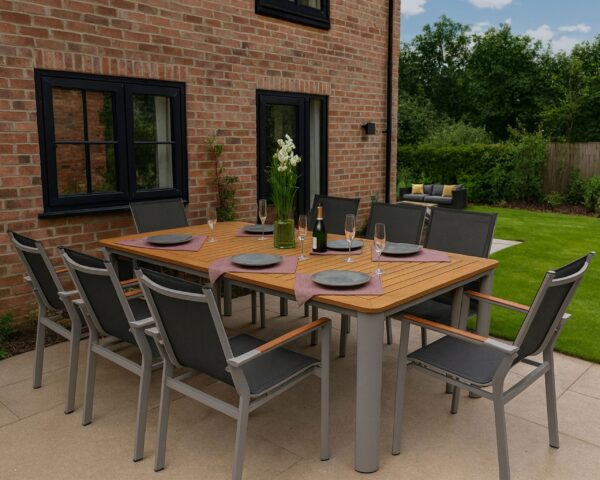

Lounge furniture is designed for relaxation. It often includes sofas, sectionals, coffee tables, ottomans, and armchairs. Outdoor lounge sets create a cozy living room feel in your garden.

This type of garden furniture is ideal for those who enjoy sitting outdoors for long hours.

3. Garden Benches

Garden benches are classic and timeless. They can be placed under trees, along pathways, or near flower beds. Benches provide a simple seating solution and can also enhance garden décor.

4. Sun Loungers and Daybeds

Sun loungers are popular for poolside areas or sunny gardens. They allow you to lie down and relax comfortably. Outdoor daybeds provide an even more luxurious option, offering large cushioned space for lounging.

5. Hanging Chairs and Swings

Hanging chairs and swings bring a fun and relaxing vibe to outdoor spaces. These pieces are great for families, especially those with children. Many adults also enjoy the peaceful rocking motion.

6. Bistro Sets

Bistro sets are compact, stylish, and perfect for balconies or small patios. They usually include a small round table and two chairs. Bistro sets are ideal for enjoying morning coffee outdoors.

7. Outdoor Storage Furniture

Storage benches, cabinets, and boxes are essential for keeping cushions, tools, or accessories protected from weather damage. Storage Outdoor furniture UK helps keep your outdoor area neat and organized.

Best Materials for Garden Furniture

The material of garden furniture is one of the most important factors because it affects durability, comfort, appearance, and maintenance. Let’s explore the most common materials:

1. Wooden Garden Furniture

Wood is one of the most traditional and attractive materials. It provides a natural and warm look that blends beautifully with gardens.

Popular wood types include:

  • Teak
  • Cedar
  • Acacia
  • Eucalyptus

Pros:

  • Strong and long-lasting
  • Classic, elegant appearance
  • Natural outdoor aesthetic

Cons:

  • Requires regular maintenance
  • Can fade or crack without treatment
  • More expensive in premium woods like teak

2. Rattan and Wicker Furniture

Rattan furniture is extremely popular due to its stylish woven design. Most modern outdoor rattan is made from synthetic resin wicker, which is weather-resistant.

Pros:

  • Lightweight and easy to move
  • Stylish and modern look
  • Comfortable with cushions

Cons:

  • Natural wicker can get damaged by rain
  • Requires covers for long life
  • Can fade under direct sunlight

3. Metal Garden Furniture

Metal furniture is durable and modern. It is commonly made from aluminum, wrought iron, or steel.

Aluminum Pros:

  • Rust-resistant
  • Lightweight
  • Low maintenance

Wrought Iron Pros:

  • Heavy and sturdy
  • Classic decorative designs
  • Great for windy areas

Cons:

  • Iron can rust if not treated
  • Steel can be heavy and needs coating
  • Metal furniture may become hot in sunlight

4. Plastic and Resin Furniture

Plastic furniture is budget-friendly and widely available. Resin is a higher-quality alternative that offers better durability and style.

Pros:

  • Affordable
  • Easy to clean
  • Lightweight

Cons:

  • Lower durability compared to wood or metal
  • Can fade or crack over time
  • May look less premium

5. Concrete and Stone Furniture

Concrete and stone furniture is often used in luxury garden designs. It is extremely durable and heavy.

Pros:

  • Weather-resistant
  • Unique and stylish
  • Very durable

Cons:

  • Expensive
  • Hard to move
  • Can feel cold and uncomfortable without cushions

How to Choose the Right Garden Furniture

Choosing the best garden furniture depends on your outdoor space, lifestyle, and budget. Here are key factors to consider:

1. Measure Your Space

Before buying anything, measure the available space. A large dining table may look great in a showroom but might overcrowd your patio. Leave enough room for walking and movement.

2. Consider Your Needs

Ask yourself:

  • Do you want furniture for dining or lounging?
  • Will you host guests often?
  • Do you need furniture for kids?
  • Do you want a small set for personal use?

Your lifestyle will determine what type of garden furniture is best.

3. Choose Weather-Resistant Materials

If your area has heavy rain, humidity, or extreme heat, choose materials like aluminum, synthetic rattan, teak, or resin.

4. Comfort Matters

Style is important, but comfort is even more important. Look for furniture with supportive seating and thick cushions. Try to choose cushions with removable and washable covers.

5. Pick a Style That Matches Your Home

Your garden furniture should complement your house design. For example:

  • Modern homes look great with sleek aluminum or rattan furniture.
  • Traditional homes match well with wooden or wrought iron furniture.
  • Minimalist outdoor areas suit neutral-toned furniture with clean lines.

6. Budget and Quality Balance

Garden furniture is available in all price ranges. If you want furniture that lasts many years, investing in high-quality materials is a smart decision. Cheap furniture may need replacement quickly, costing more in the long run.

Garden Furniture Maintenance Tips

Taking care of garden furniture ensures it stays beautiful and lasts longer. Here are some essential maintenance tips:

Clean Regularly

Dust, leaves, and moisture can damage furniture. Clean it regularly using mild soap and water. Avoid harsh chemicals that may ruin the finish.

Use Protective Covers

Outdoor covers protect furniture from rain, UV rays, and dirt. Covers are especially useful during the rainy season or winter.

Store Cushions Indoors

Cushions should be stored indoors when not in use. Moisture can cause mold, and sunlight can fade the fabric.

Treat Wooden Furniture

Wooden furniture should be treated with oil or sealant to maintain its color and prevent cracking.

Prevent Rust on Metal Furniture

For iron or steel furniture, apply rust-proof paint or coating. If rust appears, sand it and repaint it quickly.

Popular Garden Furniture Trends

Garden furniture trends change over time, but some modern styles are currently very popular:

1. Minimalist Outdoor Designs

Simple furniture with neutral colors and clean lines is trending. Minimalist sets look elegant and modern.

2. Multi-Functional Furniture

Furniture that serves multiple purposes is in high demand. Examples include storage benches, extendable dining tables, and modular sofa sets.

3. Eco-Friendly Materials

Many homeowners prefer sustainable materials like bamboo, recycled plastic, and responsibly sourced wood.

4. Outdoor Living Rooms

People are now designing outdoor spaces like indoor living rooms, with sofas, rugs, coffee tables, and even outdoor lighting.

5. Bold Cushions and Accessories

Bright cushions, outdoor curtains, and decorative pillows are being used to add personality and color.

Conclusion

Garden furniture is an essential part of creating a comfortable and stylish outdoor space. Whether you want a peaceful relaxation corner, a family dining setup, or a luxury lounge area, the right furniture can make your garden more functional and beautiful. By choosing durable materials, selecting the right style, and maintaining your furniture properly, you can enjoy your outdoor area for many years.

From wooden benches and rattan sofas to modern dining sets and sun loungers, garden furniture offers endless options to suit every taste and budget. With the right planning and investment, your garden can become your favorite place to unwind, entertain, and enjoy the outdoors in comfort.

Garden Furniture: How to Choose the Perfect Pieces for Your Outdoor SpaceGarden Furniture: How to Choose the Perfect Pieces for Your Outdoor Space

Garden furniture plays a central role in transforming any outdoor area into a functional, stylish, and comfortable extension of your home. Whether you have a small balcony, a spacious backyard, or a landscaped patio, the right garden furniture can turn unused outdoor space into a place for relaxation, entertainment, and everyday living. From classic wooden benches to modern modular sofas, outdoor furniture has evolved to meet both aesthetic and practical needs.

In this article, we’ll explore what garden furniture is, the different types available, popular materials, design trends, maintenance tips, and how to choose the best pieces for your space and lifestyle.

What Is Garden Furniture?

Garden furniture refers to furniture specifically designed for outdoor use. Unlike indoor furniture, it is made to withstand changing weather conditions such as sun exposure, rain, wind, and temperature fluctuations. Garden furniture is commonly used in gardens, patios, terraces, balconies, poolside areas, and outdoor dining spaces.

Typical garden furniture includes tables, chairs, loungers, benches, sofas, and accessories like umbrellas and storage boxes. The goal is to combine durability with comfort while enhancing the overall look of the outdoor environment.

Why Garden Furniture Matters

Outdoor living has become increasingly popular, and garden furniture plays a key role in that shift. Well-chosen pieces allow you to:

  • Create a comfortable outdoor seating area
  • Entertain guests in the open air
  • Enjoy meals outside during warmer months
  • Increase the usability and value of your home
  • Enhance the visual appeal of your garden or patio

Garden furniture isn’t just decorative—it shapes how you experience your outdoor space on a daily basis.

Types of Garden Furniture

There is a wide variety of garden furniture available, designed to suit different spaces, needs, and personal tastes. Understanding the main categories can help you make better choices.

1. Garden Tables and Chairs

This is the most common type of garden furniture. Garden tables and chairs are ideal for outdoor dining, casual seating, or coffee breaks. They come in various sizes, from compact bistro sets for balconies to large dining sets that can seat eight or more people.

2. Outdoor Sofas and Lounge Sets

Lounge-style garden furniture has grown in popularity, especially for patios and decks. These sets often include sofas, armchairs, and coffee tables with cushions designed for outdoor use. They are perfect for relaxation and socializing.

3. Sun Loungers and Daybeds

Sun loungers are designed for comfort and relaxation, particularly near pools or in sunny areas of the garden. Adjustable backs and padded cushions make them ideal for sunbathing or reading outdoors.

4. Benches and Swings

Garden benches offer classic charm and are great for quiet corners of a garden. Swings and hanging chairs add a playful, relaxing element and are especially popular in family gardens.

5. Folding and Stackable Furniture

For smaller spaces or seasonal use, folding and stackable garden furniture is a practical choice. These pieces are easy to store and transport, making them ideal for balconies and temporary setups.

Popular Materials Used in Garden Furniture

The material of your garden furniture affects its appearance, durability, maintenance needs, and comfort. Below are some of the most common materials used today.

Wooden Garden Furniture

Wooden garden furniture offers a natural, timeless look that blends beautifully with outdoor surroundings. Popular woods include teak, eucalyptus, acacia, and cedar.

Pros:

  • Warm and natural appearance
  • Strong and durable when properly maintained

Cons:

  • Requires regular maintenance
  • Can fade or crack without treatment

Teak is especially popular due to its natural resistance to moisture and insects.

Metal Garden Furniture

Metal garden furniture, often made from aluminum, steel, or wrought iron, is known for its strength and modern appeal.

Pros:

  • Long-lasting and sturdy
  • Sleek and contemporary styles available

Cons:

  • Can heat up in direct sunlight
  • Steel and iron may rust if not treated

Aluminum is lightweight and rust-resistant, making it a top choice for modern outdoor spaces.

Rattan and Wicker Furniture

Synthetic rattan is widely used in garden furniture due to its stylish look and weather resistance.

Pros:

  • Lightweight and stylish
  • Weather-resistant when synthetic

Cons:

  • Natural rattan is not suitable for constant outdoor exposure

Rattan-style furniture is especially popular for outdoor sofas and lounge sets.

Plastic and Resin Furniture

Plastic garden furniture is affordable, lightweight, and easy to maintain.

Pros:

  • Budget-friendly
  • Low maintenance and easy to clean

Cons:

  • Less durable over time
  • May fade in strong sunlight

Modern resin garden furniture often mimics wood or rattan while offering improved durability.

Choosing the Right Garden Furniture

Selecting the right garden furniture requires careful consideration of several factors. Making thoughtful choices ensures comfort, longevity, and visual harmony.

1. Assess Your Space

Measure your outdoor area before buying garden furniture. Consider walkways, door access, and how much space you want to dedicate to seating or dining. Oversized furniture can overwhelm small spaces, while tiny pieces may look lost in large gardens.

2. Define Your Purpose

Ask yourself how you plan to use the space. Is it for dining, relaxing, entertaining guests, or all three? A dining set works best for outdoor meals, while a lounge set is ideal for casual gatherings.

3. Consider Climate and Weather

Your local climate should influence your choice of materials. In rainy or humid areas, weather-resistant materials like aluminum or synthetic rattan are practical. In sunny regions, UV-resistant finishes and cushions are essential.

4. Comfort and Ergonomics

Comfort is just as important outdoors as it is indoors. Look for ergonomic designs, supportive backs, and high-quality cushions made from outdoor fabrics.

5. Style and Design

Garden furniture should complement the style of your home and garden. Minimalist spaces suit clean lines and neutral colors, while traditional gardens pair well with wooden or wrought iron furniture.

Garden Furniture Design Trends

Outdoor furniture design continues to evolve, blending comfort with modern aesthetics.

Natural and Earthy Tones

Neutral colors like beige, gray, olive, and brown are trending, as they blend seamlessly with outdoor environments.

Modular Garden Furniture

Modular sets allow flexibility, letting you rearrange pieces to suit different occasions or space layouts.

Sustainable Materials

Eco-conscious buyers are increasingly choosing garden furniture made from recycled or sustainably sourced materials.

Indoor-Outdoor Fusion

Designs that blur the line between indoor and outdoor furniture are becoming more popular, offering plush cushions and elegant finishes.

Maintaining Your Garden Furniture

Proper maintenance extends the life of your garden furniture and keeps it looking new.

  • Clean furniture regularly with mild soap and water
  • Store cushions indoors when not in use
  • Use protective covers during harsh weather
  • Treat wooden furniture with oil or sealant annually
  • Check screws and joints periodically

Seasonal care makes a significant difference in durability and appearance.

Investing in Quality Garden Furniture

While budget options are tempting, investing in high-quality garden furniture often pays off in the long run. Durable materials, strong construction, and weather-resistant finishes reduce replacement costs and improve comfort.

Quality garden furniture also enhances the overall atmosphere of your outdoor space, making it a place you genuinely enjoy spending time in.

Final Thoughts

Garden furniture is more than just outdoor seating—it’s a key element in creating a welcoming, functional, and stylish outdoor environment. With the right combination of materials, design, and layout, your garden furniture can transform your outdoor area into a true extension of your home.

By understanding the different types of garden furniture, choosing materials wisely, and maintaining your pieces properly, you can enjoy comfort and style outdoors for many years to come. Whether you’re hosting summer dinners, relaxing with a book, or enjoying time with family and friends, the right garden furniture makes all the difference.

Local Emergency Plumbers Your First Line of DefenseLocal Emergency Plumbers Your First Line of Defense

When a plumbing emergency strikes, you might feel a surge of panic, but having a local emergency plumber on speed dial can make all the difference. These professionals are equipped to handle everything from burst pipes to overflowing toilets, ensuring swift action that can save you from costly damage. Their knowledge of local regulations and resources allows them to provide tailored solutions right when you need them most. But how do you choose the right plumber for your needs? Understanding this can greatly impact your experience during a plumbing crisis.

Importance of Emergency Plumbing Services

Experiencing a plumbing emergency can be stressful, but knowing you have access to emergency plumbing services can provide peace of mind. When a pipe bursts or your toilet overflows, every second counts. That’s where emergency plumbers come in. They’re available 24/7, ready to tackle your urgent plumbing issues without delay.

Having emergency plumbing services at your fingertips can save you from further damage. Water damage can escalate quickly, leading to costly repairs and mold growth. By calling in professionals, you mitigate risks and protect your home. These experts can diagnose problems swiftly, often identifying underlying issues you mightn’t see.

You don’t have to face plumbing disasters alone. Emergency plumbers bring specialized tools and experience to handle complex situations efficiently. Plus, they can offer advice on preventive measures to avoid future emergencies.

Ultimately, emergency plumbing services are a vital resource for homeowners. They ensure that when disaster strikes, you have someone to rely on.

Common Plumbing Emergencies

A variety of plumbing emergencies can strike unexpectedly, leaving you scrambling for solutions.

Whether it’s a minor inconvenience or a major disaster, knowing what to look for can save you time and stress.

Here are three common plumbing emergencies that might catch you off guard:

1. Burst Pipes: Imagine waking up to water gushing from a burst pipe.

This can cause extensive damage to your home, leading to costly repairs and mold growth if not addressed quickly.

2. Severe Clogs: A clogged drain can disrupt your daily routine.

When water backs up in your sink or bathtub, it can lead to unpleasant odors and unsanitary conditions that make your home feel less inviting.

3. Overflowing Toilets: An overflowing toilet can feel like a nightmare.

Not only is it messy and disruptive, but it can also pose health risks if sewage backs up into your bathroom.

Recognizing these plumbing emergencies helps you act fast.

Having a local plumber’s number on hand means you won’t be left in a panic when disaster strikes.

Stay prepared, and you’ll navigate these challenges with confidence.

Benefits of Hiring Local Plumbers

Hiring local plumbers offers numerous advantages that can make a significant difference in your plumbing needs.

First and foremost, they understand the unique plumbing issues in your area, from local codes to common problems that arise. This knowledge means they can diagnose and fix issues more efficiently.

Another benefit is their quick response time. When you face a plumbing emergency, you want someone who can get to you fast. Local plumbers are often just a short drive away, allowing them to arrive at your home promptly.

Plus, they typically have established relationships with local suppliers, ensuring they can get the necessary parts without delay.

Additionally, supporting local businesses strengthens your community. When you hire local plumbers, you’re contributing to the economic health of your area and creating jobs for your neighbors.

Lastly, local plumbers often provide personalized service. They take the time to understand your specific needs and build a relationship based on trust.

This level of service can lead to long-term solutions, making it easier for you to manage future plumbing issues. Overall, hiring local plumbers is a smart choice for both immediate repairs and ongoing maintenance.

How to Choose the Right Plumber

Finding the right plumber can feel overwhelming, especially with so many options available. You want someone who not only fixes the problem but also makes you feel secure in your choice. Here’s how to narrow it down:

  1. Check Reviews: Look for testimonials or online reviews. A plumber with a solid reputation will give you peace of mind. You want to know others have had positive experiences before you make a commitment.
  2. Verify Credentials: Ensure the plumber is licensed and insured. This isn’t just a formality; it protects you from liability if something goes wrong. You deserve a professional who meets industry standards.
  3. Get Estimates: Don’t settle for the first quote you receive. Compare estimates from different plumbers. This will help you gauge fair pricing and avoid unexpected costs later.

Knowing you’re getting a good deal can alleviate some stress.

Preparing for Plumbing Disasters

Preparation is key to minimizing the chaos that plumbing disasters can bring. Start by knowing where your main water shut-off valve is located. If a pipe bursts, turning off the water quickly can save you from extensive damage.

You should also check your home’s water pressure regularly; high pressure can lead to leaks and bursts.

Next, keep a basic plumbing toolkit handy. Equip yourself with essential items like a plunger, adjustable wrench, and plumbers ‘s tape. These tools can help you tackle minor issues before they escalate.

Consider investing in drain cleaners and a pipe inspection camera for additional support.

It’s also wise to have the contact information of local emergency plumbers readily available. In case of a significant issue, knowing who to call can make all the difference.

Lastly, take a moment to review your homeowner’s insurance policy to ensure you’re covered for plumbing problems.

Conclusion

In plumbing emergencies, having a local plumber on your side makes all the difference. They not only respond quickly but also understand your community’s specific needs and codes. By choosing the right professional and preparing ahead of time, you can tackle any crisis with confidence. Don’t wait until disaster strikes—keep your local emergency plumber’s number handy for peace of mind. With them, you’re not just ready; you’re well-equipped to handle whatever comes your way.