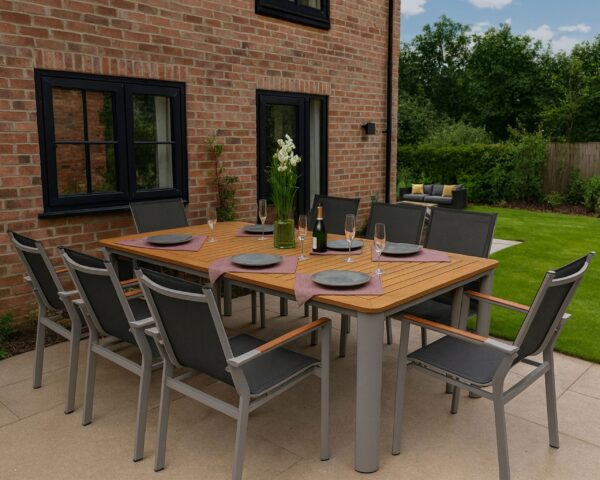
Garden Furniture: How to Choose the Perfect Pieces for Your Outdoor Space

Garden furniture plays a central role in transforming any outdoor area into a functional, stylish, and comfortable extension of your home. Whether you have a small balcony, a spacious backyard, or a landscaped patio, the right garden furniture can turn unused outdoor space into a place for relaxation, entertainment, and everyday living. From classic wooden benches to modern modular sofas, outdoor furniture has evolved to meet both aesthetic and practical needs.

In this article, we’ll explore what garden furniture is, the different types available, popular materials, design trends, maintenance tips, and how to choose the best pieces for your space and lifestyle.

What Is Garden Furniture?

Garden furniture refers to furniture specifically designed for outdoor use. Unlike indoor furniture, it is made to withstand changing weather conditions such as sun exposure, rain, wind, and temperature fluctuations. Garden furniture is commonly used in gardens, patios, terraces, balconies, poolside areas, and outdoor dining spaces.

Typical garden furniture includes tables, chairs, loungers, benches, sofas, and accessories like umbrellas and storage boxes. The goal is to combine durability with comfort while enhancing the overall look of the outdoor environment.

Why Garden Furniture Matters

Outdoor living has become increasingly popular, and garden furniture plays a key role in that shift. Well-chosen pieces allow you to:

  • Create a comfortable outdoor seating area
  • Entertain guests in the open air
  • Enjoy meals outside during warmer months
  • Increase the usability and value of your home
  • Enhance the visual appeal of your garden or patio

Garden furniture isn’t just decorative—it shapes how you experience your outdoor space on a daily basis.

Types of Garden Furniture

There is a wide variety of garden furniture available, designed to suit different spaces, needs, and personal tastes. Understanding the main categories can help you make better choices.

1. Garden Tables and Chairs

This is the most common type of garden furniture. Garden tables and chairs are ideal for outdoor dining, casual seating, or coffee breaks. They come in various sizes, from compact bistro sets for balconies to large dining sets that can seat eight or more people.

2. Outdoor Sofas and Lounge Sets

Lounge-style garden furniture has grown in popularity, especially for patios and decks. These sets often include sofas, armchairs, and coffee tables with cushions designed for outdoor use. They are perfect for relaxation and socializing.

3. Sun Loungers and Daybeds

Sun loungers are designed for comfort and relaxation, particularly near pools or in sunny areas of the garden. Adjustable backs and padded cushions make them ideal for sunbathing or reading outdoors.

4. Benches and Swings

Garden benches offer classic charm and are great for quiet corners of a garden. Swings and hanging chairs add a playful, relaxing element and are especially popular in family gardens.

5. Folding and Stackable Furniture

For smaller spaces or seasonal use, folding and stackable garden furniture is a practical choice. These pieces are easy to store and transport, making them ideal for balconies and temporary setups.

Popular Materials Used in Garden Furniture

The material of your garden furniture affects its appearance, durability, maintenance needs, and comfort. Below are some of the most common materials used today.

Wooden Garden Furniture

Wooden garden furniture offers a natural, timeless look that blends beautifully with outdoor surroundings. Popular woods include teak, eucalyptus, acacia, and cedar.

Pros:

  • Warm and natural appearance
  • Strong and durable when properly maintained

Cons:

  • Requires regular maintenance
  • Can fade or crack without treatment

Teak is especially popular due to its natural resistance to moisture and insects.

Metal Garden Furniture

Metal garden furniture, often made from aluminum, steel, or wrought iron, is known for its strength and modern appeal.

Pros:

  • Long-lasting and sturdy
  • Sleek and contemporary styles available

Cons:

  • Can heat up in direct sunlight
  • Steel and iron may rust if not treated

Aluminum is lightweight and rust-resistant, making it a top choice for modern outdoor spaces.

Rattan and Wicker Furniture

Synthetic rattan is widely used in garden furniture due to its stylish look and weather resistance.

Pros:

  • Lightweight and stylish
  • Weather-resistant when synthetic

Cons:

  • Natural rattan is not suitable for constant outdoor exposure

Rattan-style furniture is especially popular for outdoor sofas and lounge sets.

Plastic and Resin Furniture

Plastic garden furniture is affordable, lightweight, and easy to maintain.

Pros:

  • Budget-friendly
  • Low maintenance and easy to clean

Cons:

  • Less durable over time
  • May fade in strong sunlight

Modern resin garden furniture often mimics wood or rattan while offering improved durability.

Choosing the Right Garden Furniture

Selecting the right garden furniture requires careful consideration of several factors. Making thoughtful choices ensures comfort, longevity, and visual harmony.

1. Assess Your Space

Measure your outdoor area before buying garden furniture. Consider walkways, door access, and how much space you want to dedicate to seating or dining. Oversized furniture can overwhelm small spaces, while tiny pieces may look lost in large gardens.

2. Define Your Purpose

Ask yourself how you plan to use the space. Is it for dining, relaxing, entertaining guests, or all three? A dining set works best for outdoor meals, while a lounge set is ideal for casual gatherings.

3. Consider Climate and Weather

Your local climate should influence your choice of materials. In rainy or humid areas, weather-resistant materials like aluminum or synthetic rattan are practical. In sunny regions, UV-resistant finishes and cushions are essential.

4. Comfort and Ergonomics

Comfort is just as important outdoors as it is indoors. Look for ergonomic designs, supportive backs, and high-quality cushions made from outdoor fabrics.

5. Style and Design

Garden furniture should complement the style of your home and garden. Minimalist spaces suit clean lines and neutral colors, while traditional gardens pair well with wooden or wrought iron furniture.

Garden Furniture Design Trends

Outdoor furniture design continues to evolve, blending comfort with modern aesthetics.

Natural and Earthy Tones

Neutral colors like beige, gray, olive, and brown are trending, as they blend seamlessly with outdoor environments.

Modular Garden Furniture

Modular sets allow flexibility, letting you rearrange pieces to suit different occasions or space layouts.

Sustainable Materials

Eco-conscious buyers are increasingly choosing garden furniture made from recycled or sustainably sourced materials.

Indoor-Outdoor Fusion

Designs that blur the line between indoor and outdoor furniture are becoming more popular, offering plush cushions and elegant finishes.

Maintaining Your Garden Furniture

Proper maintenance extends the life of your garden furniture and keeps it looking new.

  • Clean furniture regularly with mild soap and water
  • Store cushions indoors when not in use
  • Use protective covers during harsh weather
  • Treat wooden furniture with oil or sealant annually
  • Check screws and joints periodically

Seasonal care makes a significant difference in durability and appearance.

Investing in Quality Garden Furniture

While budget options are tempting, investing in high-quality garden furniture often pays off in the long run. Durable materials, strong construction, and weather-resistant finishes reduce replacement costs and improve comfort.

Quality garden furniture also enhances the overall atmosphere of your outdoor space, making it a place you genuinely enjoy spending time in.

Final Thoughts

Garden furniture is more than just outdoor seating—it’s a key element in creating a welcoming, functional, and stylish outdoor environment. With the right combination of materials, design, and layout, your garden furniture can transform your outdoor area into a true extension of your home.

By understanding the different types of garden furniture, choosing materials wisely, and maintaining your pieces properly, you can enjoy comfort and style outdoors for many years to come. Whether you’re hosting summer dinners, relaxing with a book, or enjoying time with family and friends, the right garden furniture makes all the difference.

Leave a Reply

Your email address will not be published. Required fields are marked *

Related Post

How Fascia and Soffit Cleaning Protects Your Roof and WallsHow Fascia and Soffit Cleaning Protects Your Roof and Walls

When it comes to maintaining a home, most homeowners focus on visible areas like the lawn, windows, and interior spaces. However, fascia and soffits—the often-overlooked components along your roofline—play a crucial role in protecting your home from water damage, pests, and structural issues. Keeping these areas clean is more than just an aesthetic choice; it is an essential step in safeguarding your roof, walls, and overall home structure. This article explores how fascia and soffit Fascia and Soffit cleaning Glasgow protects your property and why it should be part of your regular home maintenance routine.

Understanding Fascia and Soffits

Before diving into the benefits of cleaning, it’s important to understand what fascia and soffits are.

  • Fascia: This is the vertical board running along the edge of your roof. It supports your gutters and provides a barrier between your roof and the exterior walls of your home. Properly maintained fascia prevents water from seeping into the roof and walls, reducing the risk of rot and structural damage.

  • Soffits: Located under the roof overhang, soffits are horizontal boards that allow air to circulate in your attic. Good ventilation prevents moisture buildup, reducing the likelihood of mold, mildew, and wood decay.

Together, fascia and soffits form a protective system that shields your roof, walls, and attic from the elements while improving the overall look of your home.

How Cleaning Fascia and Soffits Protects Your Roof

Your roof is constantly exposed to the elements—rain, snow, wind, and sunlight—and fascia and soffits act as the first line of defense. Regular cleaning provides the following benefits:

Prevents Water Damage

Clogged gutters or dirty fascia can trap water along the roofline. Over time, moisture can seep under shingles, damage roof decking, and lead to leaks. Cleaning fascia and soffits ensures water flows properly through gutters and downspouts, reducing the risk of water-related roof damage.

Reduces Mold and Mildew

Moisture accumulation on fascia and soffits can lead to mold and mildew growth, which can spread to the roof and attic. Cleaning these areas removes trapped dirt, debris, and organic matter, keeping surfaces dry and less hospitable to mold.

Preserves Roof Structure

Rotting fascia boards caused by neglected cleaning can compromise the roof’s edge support. Over time, this weakens the structural integrity of the roofline, potentially causing shingles to loosen or sag. Clean, maintained fascia boards provide a solid foundation for gutters and shingles.

How Cleaning Fascia and Soffits Protects Your Walls

Fascia and soffits are also critical in preventing damage to your home’s exterior walls:

Stops Water from Seeping Into Walls

When fascia is clogged or damaged, rainwater can overflow onto your home’s siding. Continuous exposure to moisture can cause wood rot, paint peeling, and staining, leading to costly repairs. Clean fascia ensures gutters can redirect water safely away from walls and foundations.

Prevents Pest Infestations

Dirty or damaged soffits and fascia boards create inviting spaces for birds, rodents, and insects. These pests can damage siding, chew through insulation, and even make their way into your attic. Regular cleaning keeps these areas free of debris and less attractive to pests.

Enhances Ventilation

Properly maintained soffits allow your attic to breathe, preventing moisture buildup that can lead to mold or mildew on walls and ceilings. Clean soffits ensure that your home’s ventilation system works efficiently, protecting both interior and exterior structures.

Steps to Keep Fascia and Soffits Clean

  • Inspect fascia and soffits regularly for dirt, debris, and signs of damage.

  • Use a soft brush and mild detergent to clean surfaces gently.

  • Rinse with water to remove soap residue and remaining dirt.

  • Check for cracks, peeling paint, or rot and repair as needed.

  • Schedule seasonal cleaning, ideally in spring and fall, to prevent buildup.

Conclusion

Fascia and soffit cleaning is far more than a cosmetic task—it is a critical home maintenance activity that protects your roof, walls, and overall structure. By preventing water damage, mold growth, pest infestations, and wood rot, clean fascia and soffits ensure the longevity of your home’s exterior. Incorporating regular fascia and soffit cleaning into your maintenance routine not only enhances curb appeal but also safeguards your investment, giving you peace of mind that your home remains strong, dry, and protected from the elements. A little time and care spent on these often-overlooked areas goes a long way in preventing major repairs and maintaining a safe, beautiful home.

Discover the Beauty of Modern Tile in Interior DesignDiscover the Beauty of Modern Tile in Interior Design

Modern interior design is all about creating spaces that feel elegant, functional, and visually appealing. One of the most impactful elements used in contemporary interiors is modern tile. From sleek kitchen backsplashes to luxurious bathroom floors, modern tiles bring style, texture, and durability to any space. With endless patterns, colors, and materials available, tiles have become a favorite choice for homeowners and designers alike.

In this article, we will explore the beauty of modern tile in interior design, its benefits, popular styles, and how it can transform different areas of your home.

The Rise of Modern Tile in Interior Design

Tiles have been used in architecture and interior design for centuries, but modern tile designs have evolved dramatically in recent years. Today’s tiles focus on clean lines, bold patterns, and innovative materials that complement contemporary homes.

Interior designers now use tiles not only for practical purposes but also as a decorative feature. From minimalist designs to artistic statement pieces, modern tiles help create unique and stylish interiors.

Advancements in manufacturing technology have also made tiles more versatile than ever. Large-format tiles, textured surfaces, and digitally printed patterns allow homeowners to achieve sophisticated looks that were once difficult to create.

Why Modern Tile is a Popular Choice

There are many reasons why modern tiles have become a preferred option in interior design.

Durability and Longevity

Tiles are extremely durable and can last for decades when properly maintained. Materials such as porcelain and ceramic are resistant to moisture, stains, and scratches, making them ideal for high-traffic areas like kitchens and bathrooms.

Easy Maintenance

Unlike some flooring materials, tiles are very easy to clean. A simple sweep and mop are usually enough to keep them looking fresh and beautiful. This makes them perfect for busy households.

Versatile Design Options

Modern tiles come in countless designs, colors, and textures. Whether you prefer a minimalist aesthetic or bold decorative patterns, there is a tile style that suits every taste.

Eco-Friendly Options

Many tile manufacturers now produce environmentally friendly tiles using recycled materials and sustainable production methods. This makes modern tiles a great choice for eco-conscious homeowners.

Popular Modern Tile Materials

Modern tile designs use a variety of materials, each offering its own unique look and benefits.

Porcelain Tiles

Porcelain tiles are one of the most popular choices in modern interior design. They are strong, water-resistant, and available in many finishes, including matte, polished, and textured. Porcelain tiles can even mimic natural materials like marble, stone, or wood.

Ceramic Tiles

Ceramic tiles are versatile and budget-friendly. They are often used for walls, backsplashes, and decorative accents. With endless colors and patterns available, ceramic tiles can easily enhance any interior space.

Natural Stone Tiles

For those seeking a luxurious and natural aesthetic, stone tiles such as marble, slate, and travertine are excellent options. These tiles add elegance and timeless beauty to interiors.

Glass Tiles

Glass tiles are commonly used in kitchens and bathrooms because they reflect light and create a bright, modern appearance. They are often used for backsplashes and decorative wall features.

Modern Tile Trends in Interior Design

Tile trends continue to evolve as designers experiment with new patterns, shapes, and textures. Here are some of the most popular modern tile trends today.

Large-Format Tiles

Large-format tiles have become a major trend in modern interiors. These tiles create a seamless look with fewer grout lines, making spaces appear larger and more open. They are especially popular in bathrooms and living areas.

Geometric Patterns

Geometric tile patterns bring a contemporary and artistic feel to interiors. Hexagons, chevrons, and herringbone layouts are widely used to create visually striking floors and walls.

Easy Maintenance

0

Wood-look tiles offer the warmth of hardwood flooring while providing the durability and water resistance of tile. This makes them ideal for areas where real wood may not be suitable, such as kitchens or bathrooms.

Easy Maintenance

1

Textured tiles add depth and character to interior spaces. From 3D wall tiles to stone-inspired finishes, these designs create a dynamic and stylish environment.

Easy Maintenance

2

Modern interior design often features neutral tones such as white, gray, beige, and soft earth colors. These shades create a clean and calming atmosphere while allowing other design elements to stand out.

Using Modern Tile in Different Spaces

Modern tiles can enhance almost every area of a home. Here are some creative ways to incorporate them into interior design.

Easy Maintenance

3

In the kitchen, tiles are commonly used for backsplashes and flooring. A modern tile backsplash can serve as a focal point while protecting the walls from spills and splashes. Patterned or colorful tiles can add personality to the space.

Easy Maintenance

4

Bathrooms are one of the best places to showcase modern tile designs. From luxurious shower walls to elegant floor tiles, modern tiles can transform an ordinary bathroom into a spa-like retreat.

Large-format tiles, marble-look porcelain, and textured wall tiles are especially popular in modern bathroom designs.

Easy Maintenance

5

Tiles are increasingly being used in living rooms, particularly in modern and minimalist homes. Large porcelain tiles or stone-look tiles create a sleek and sophisticated atmosphere.

Easy Maintenance

6

Entryways and hallways experience heavy foot traffic, making durable tile flooring an excellent choice. Decorative tile patterns can also create a striking first impression for visitors.

Tips for Choosing the Right Modern Tile

Selecting the right tile for your space can make a significant difference in the overall design. Here are some helpful tips:

Consider the room’s function: Choose tiles that are suitable for the specific area, such as water-resistant tiles for bathrooms.

Think about size and layout: Large tiles can make small spaces appear larger, while smaller tiles work well for detailed patterns.

Match the overall design style: Ensure the tile color and pattern complement the rest of your interior decor.

Pay attention to texture: Matte finishes offer a modern look, while glossy tiles reflect light and brighten spaces.

The Future of Modern Tile Design

The future of modern tile design looks incredibly exciting. Innovations such as smart tiles, eco-friendly materials, and digital printing technology are expanding the possibilities for interior design.

Designers are also exploring creative tile layouts, combining different shapes, textures, and colors to create unique and personalized spaces. As technology continues to evolve, modern tiles will likely become even more versatile and visually stunning.

Conclusion

Modern tile has become an essential element in contemporary interior design. Its combination of beauty, durability, and versatility makes it an excellent choice for homeowners looking to enhance their living spaces.

From elegant bathrooms and stylish kitchens to sleek living areas, modern tiles offer endless possibilities for creativity and design. With the right selection of materials, colors, and patterns, tiles can transform any room into a sophisticated and inviting environment.

Whether you prefer minimalist styles or bold artistic designs, modern tile allows you to express your personality while creating a home that is both functional and beautiful. By embracing the latest tile trends and innovative materials, you can truly discover the beauty of modern tile in interior design.

Generators of 2025 Powerful  Efficient  and Affordable     Powering Your Life the Smart WayGenerators of 2025 Powerful  Efficient  and Affordable     Powering Your Life the Smart Way

In today’s world, reliable power isn’t just a convenience—it’s a necessity. Whether you’re facing unexpected outages, powering a job site, or gearing up for your next outdoor adventure, a generator can be your lifeline. And as we look ahead to 2025, generators are evolving like never before. They’re becoming more powerful, more efficient, and—best of all—more affordable.

If you think all generators are bulky, noisy machines that guzzle fuel and burn a hole in your wallet, it’s time to think again. The generators of 2025 are game-changers, blending cutting-edge technology with user-friendly design to give you peace of mind and energy on demand. Let’s explore what makes these new-generation powerhouses stand out—and why upgrading might be the smartest move you make this year.

Power Meets Portability: The Best of Both Worlds

One of the most exciting trends in generators is the perfect balance between power and portability. Gone are the days when you had to choose between a massive generator that could power your entire home and a tiny, underpowered unit that only runs a few essentials.

Today’s best generators pack serious punch in surprisingly compact frames. Thanks to innovations in engine design and materials, many 2025 models offer enough wattage to keep your fridge humming, your lights on, and your devices charged—without weighing down your space or breaking your back.

For campers, tailgaters, or anyone who loves off-grid living, portable inverter generators are the dream come true. They provide clean, stable power that’s safe for sensitive electronics like laptops and smartphones, all while fitting neatly in your trunk.

Fuel Efficiency: Saving Money and the Planet

Fuel efficiency isn’t just about saving money at the pump—it’s about being smarter and greener with the resources we use. The generators coming in 2025 boast impressive fuel economy thanks to advanced inverter technology and eco-friendly engines.

Many models automatically adjust their power output based on demand, meaning they don’t burn fuel unnecessarily when you’re running just a few appliances. This variable speed operation extends run time and reduces noise—a huge bonus for both your wallet and your neighbors’ ears.

And speaking of fuel, several manufacturers are embracing cleaner alternatives like propane, natural gas, and even hybrid electric solutions, further reducing emissions without sacrificing power.

Affordability Without Compromise

Here’s a myth that needs busting: powerful and efficient generators have to cost a fortune. The good news is, 2025 is ushering in an era where affordability meets high performance.

Thanks to advancements in manufacturing and wider competition, you can find generators with advanced features—like remote start, smartphone connectivity, and quiet operation—at price points that make sense for homeowners, contractors, and outdoor enthusiasts alike.

In fact, many models offer flexible financing options or package deals that include installation and maintenance, making it easier than ever to invest in reliable power.

Smart Features for the Connected Age

Generators in 2025 aren’t just dumb machines—they’re smart helpers that integrate with your lifestyle. Wi-Fi connectivity, app controls, and digital displays let you monitor fuel levels, power output, and maintenance alerts from your phone.

Imagine starting your generator from inside your house or checking its status while you’re at work. These features add convenience and peace of mind, so you’re never caught off guard.

Plus, built-in safety mechanisms like automatic shutoff during low oil levels or overload conditions protect your investment and keep your home safe.

Who Benefits Most from the Generators of 2025?

  • Homeowners: Prepare for power outages without the noise and fuss of older models.

  • Small Business Owners: Keep your operations running smoothly even during blackouts.

  • Contractors: Portable, powerful generators that can handle demanding tools and equipment on job sites.

  • Outdoor Enthusiasts: Tailgate parties, camping trips, and off-grid adventures get an energy upgrade.

  • Eco-conscious Consumers: Options with cleaner fuels and smarter technology reduce environmental impact.

Final Thoughts: Power Up for 2025 and Beyond

The generators of 2025 are designed to fit seamlessly into your life—whether that means quietly powering your home during a storm or fueling your weekend getaway. They represent a leap forward in technology, blending power, efficiency, and affordability like never before.

If you’ve been putting off buying a generator or feel stuck with outdated equipment, this is the year to make the switch. With so many options designed to meet different needs and budgets, you’re sure to find a generator that powers your world—and gives you peace of mind.

After all, in a world where energy is everything, shouldn’t your backup power be just as smart and reliable as the rest of your life?

Westcost Security: Protecting What Matters Most in a Changing WorldWestcost Security: Protecting What Matters Most in a Changing World

In today’s rapidly evolving world, security has become a top priority for individuals, businesses, and organizations alike. The growing risks associated with theft, cyber threats, and unauthorized access have made professional security services more essential than ever. Westcost Security stands out as a trusted name in the industry, offering comprehensive solutions designed to safeguard people, property, and assets. With a strong commitment to innovation and reliability, Westcost Security continues to set high standards in modern protection services.

One of the key strengths of Westcost Security lies in its wide range of services. From manned guarding to advanced surveillance systems, the company provides tailored solutions to meet diverse client needs. Whether it’s a residential community seeking round-the-clock monitoring or a commercial establishment requiring access control systems, Westcost Security ensures that every aspect of safety is addressed. Their team of trained professionals is equipped with the skills and knowledge necessary to handle various security challenges efficiently.

Technology plays a significant role in the success of Westcost Security. The company leverages cutting-edge tools such as CCTV cameras, alarm systems, and remote monitoring solutions to deliver real-time protection. These systems not only act as deterrents to potential threats but also provide valuable evidence in case of incidents. By integrating technology with human expertise, Westcost Security creates a strong defense mechanism that minimizes risks and enhances overall safety.

Another important factor that sets Westcost westcost Security firearms apart is its focus on customer satisfaction. The company understands that every client has unique security requirements, and therefore, it offers customized plans tailored to specific needs. Before implementing any solution, a thorough assessment is conducted to identify vulnerabilities and potential risks. This proactive approach ensures that clients receive the most effective protection possible. Additionally, the company maintains open communication with its clients, ensuring transparency and trust at every step.

Training and professionalism are at the core of Westcost Security’s operations. Security personnel undergo rigorous training programs that cover various aspects such as emergency response, conflict management, and surveillance techniques. This ensures that they are well-prepared to handle any situation with confidence and efficiency. Moreover, the company emphasizes ethical conduct and professionalism, ensuring that its staff represents the highest standards of integrity and reliability.

In an era where cyber threats are becoming increasingly common, Westcost Security also addresses digital safety concerns. The company offers cybersecurity solutions that protect sensitive data and prevent unauthorized access to digital systems. This holistic approach to security ensures that both physical and digital assets are well-protected. By staying updated with the latest trends and threats, Westcost Security remains ahead of the curve in providing comprehensive protection services.

Westcost Security’s commitment to excellence is further reflected in its continuous improvement efforts. The company regularly evaluates its services and adopts new technologies to enhance efficiency and effectiveness. Feedback from clients is taken seriously and used as a basis for refining existing solutions. This dedication to growth and innovation ensures that Westcost Security remains a leader in the security industry.

The importance of reliable security services cannot be overstated, especially in today’s uncertain environment. Businesses face risks such as theft, vandalism, and data breaches, while individuals seek safety for their homes and families. Westcost Security addresses these concerns by offering dependable and efficient solutions that provide peace of mind. Clients can focus on their daily activities without worrying about potential threats, knowing that their safety is in capable hands.

Furthermore, Westcost Security understands the value of quick response times. In emergency situations, every second counts, and the company ensures that its team is always ready to act promptly. Whether it’s responding to alarms, handling security breaches, or assisting during emergencies, their swift action can make a significant difference in minimizing damage and ensuring safety.

In conclusion, Westcost Security represents a reliable and forward-thinking approach to modern security challenges. With its comprehensive range of services, advanced technology, and commitment to customer satisfaction, the company has established itself as a trusted partner in protection. By prioritizing safety, professionalism, and innovation, Westcost Security continues to play a vital role in creating secure environments for individuals and businesses alike. As security needs continue to evolve, the company remains dedicated to adapting and delivering solutions that meet the demands of a changing world.

Garden Furniture: A Complete Guide to Choosing the Perfect Outdoor SetupGarden Furniture: A Complete Guide to Choosing the Perfect Outdoor Setup

Garden furniture plays a major role in turning an ordinary outdoor space into a relaxing and stylish retreat. Whether you have a small balcony, a medium-sized backyard, or a large garden, the right furniture can completely transform the area into a comfortable extension of your home. From cozy seating sets to elegant dining arrangements, garden furniture offers both beauty and function. In this detailed guide, we will explore the different types of garden furniture, materials, design options, maintenance tips, and how to choose the best furniture for your outdoor lifestyle.

What is Garden Furniture?

Garden furniture refers to outdoor furniture designed specifically for gardens, patios, terraces, balconies, and outdoor entertainment areas. Unlike indoor furniture, garden furniture is built to withstand changing weather conditions such as rain, sun exposure, humidity, and wind. It includes items like outdoor chairs, tables, loungers, benches, swings, umbrellas, and even outdoor storage units.

Modern garden furniture is not only durable but also stylish, offering a wide range of designs that match different home aesthetics. Whether you prefer a rustic wooden look or a sleek modern aluminum finish, there are countless options available.

Why Garden Furniture is Important

Many homeowners underestimate the value of investing in quality garden furniture. However, outdoor furniture adds comfort and usability to your outdoor space. Here are some major benefits:

1. Enhances Outdoor Living

Garden furniture allows you to enjoy fresh air and nature comfortably. You can read a book outside, enjoy tea with family, or simply relax after a long day.

2. Adds Beauty and Style

The right furniture enhances the overall appearance of your garden. It creates a welcoming environment and gives your outdoor space a well-designed look.

3. Perfect for Social Gatherings

Outdoor furniture makes hosting easier. You can arrange outdoor dinners, BBQ parties, or small gatherings without worrying about seating.

4. Increases Property Value

A well-furnished outdoor area increases the attractiveness of your property, which can raise its market value.

Types of Garden Furniture

Garden furniture comes in many varieties depending on the purpose and available space. Below are the most popular types:

1. Outdoor Dining Sets

Outdoor dining sets are perfect for families who love eating outside. These sets usually include a dining table and matching chairs. They are ideal for patios and large gardens where outdoor meals and gatherings take place.

Dining sets range from small 2-seater bistro sets to large 8 or 10-seater tables for big families.

2. Lounge Furniture

Lounge furniture is designed for relaxation. It often includes sofas, sectionals, coffee tables, ottomans, and armchairs. Outdoor lounge sets create a cozy living room feel in your garden.

This type of garden furniture is ideal for those who enjoy sitting outdoors for long hours.

3. Garden Benches

Garden benches are classic and timeless. They can be placed under trees, along pathways, or near flower beds. Benches provide a simple seating solution and can also enhance garden décor.

4. Sun Loungers and Daybeds

Sun loungers are popular for poolside areas or sunny gardens. They allow you to lie down and relax comfortably. Outdoor daybeds provide an even more luxurious option, offering large cushioned space for lounging.

5. Hanging Chairs and Swings

Hanging chairs and swings bring a fun and relaxing vibe to outdoor spaces. These pieces are great for families, especially those with children. Many adults also enjoy the peaceful rocking motion.

6. Bistro Sets

Bistro sets are compact, stylish, and perfect for balconies or small patios. They usually include a small round table and two chairs. Bistro sets are ideal for enjoying morning coffee outdoors.

7. Outdoor Storage Furniture

Storage benches, cabinets, and boxes are essential for keeping cushions, tools, or accessories protected from weather damage. Storage Outdoor furniture UK helps keep your outdoor area neat and organized.

Best Materials for Garden Furniture

The material of garden furniture is one of the most important factors because it affects durability, comfort, appearance, and maintenance. Let’s explore the most common materials:

1. Wooden Garden Furniture

Wood is one of the most traditional and attractive materials. It provides a natural and warm look that blends beautifully with gardens.

Popular wood types include:

  • Teak
  • Cedar
  • Acacia
  • Eucalyptus

Pros:

  • Strong and long-lasting
  • Classic, elegant appearance
  • Natural outdoor aesthetic

Cons:

  • Requires regular maintenance
  • Can fade or crack without treatment
  • More expensive in premium woods like teak

2. Rattan and Wicker Furniture

Rattan furniture is extremely popular due to its stylish woven design. Most modern outdoor rattan is made from synthetic resin wicker, which is weather-resistant.

Pros:

  • Lightweight and easy to move
  • Stylish and modern look
  • Comfortable with cushions

Cons:

  • Natural wicker can get damaged by rain
  • Requires covers for long life
  • Can fade under direct sunlight

3. Metal Garden Furniture

Metal furniture is durable and modern. It is commonly made from aluminum, wrought iron, or steel.

Aluminum Pros:

  • Rust-resistant
  • Lightweight
  • Low maintenance

Wrought Iron Pros:

  • Heavy and sturdy
  • Classic decorative designs
  • Great for windy areas

Cons:

  • Iron can rust if not treated
  • Steel can be heavy and needs coating
  • Metal furniture may become hot in sunlight

4. Plastic and Resin Furniture

Plastic furniture is budget-friendly and widely available. Resin is a higher-quality alternative that offers better durability and style.

Pros:

  • Affordable
  • Easy to clean
  • Lightweight

Cons:

  • Lower durability compared to wood or metal
  • Can fade or crack over time
  • May look less premium

5. Concrete and Stone Furniture

Concrete and stone furniture is often used in luxury garden designs. It is extremely durable and heavy.

Pros:

  • Weather-resistant
  • Unique and stylish
  • Very durable

Cons:

  • Expensive
  • Hard to move
  • Can feel cold and uncomfortable without cushions

How to Choose the Right Garden Furniture

Choosing the best garden furniture depends on your outdoor space, lifestyle, and budget. Here are key factors to consider:

1. Measure Your Space

Before buying anything, measure the available space. A large dining table may look great in a showroom but might overcrowd your patio. Leave enough room for walking and movement.

2. Consider Your Needs

Ask yourself:

  • Do you want furniture for dining or lounging?
  • Will you host guests often?
  • Do you need furniture for kids?
  • Do you want a small set for personal use?

Your lifestyle will determine what type of garden furniture is best.

3. Choose Weather-Resistant Materials

If your area has heavy rain, humidity, or extreme heat, choose materials like aluminum, synthetic rattan, teak, or resin.

4. Comfort Matters

Style is important, but comfort is even more important. Look for furniture with supportive seating and thick cushions. Try to choose cushions with removable and washable covers.

5. Pick a Style That Matches Your Home

Your garden furniture should complement your house design. For example:

  • Modern homes look great with sleek aluminum or rattan furniture.
  • Traditional homes match well with wooden or wrought iron furniture.
  • Minimalist outdoor areas suit neutral-toned furniture with clean lines.

6. Budget and Quality Balance

Garden furniture is available in all price ranges. If you want furniture that lasts many years, investing in high-quality materials is a smart decision. Cheap furniture may need replacement quickly, costing more in the long run.

Garden Furniture Maintenance Tips

Taking care of garden furniture ensures it stays beautiful and lasts longer. Here are some essential maintenance tips:

Clean Regularly

Dust, leaves, and moisture can damage furniture. Clean it regularly using mild soap and water. Avoid harsh chemicals that may ruin the finish.

Use Protective Covers

Outdoor covers protect furniture from rain, UV rays, and dirt. Covers are especially useful during the rainy season or winter.

Store Cushions Indoors

Cushions should be stored indoors when not in use. Moisture can cause mold, and sunlight can fade the fabric.

Treat Wooden Furniture

Wooden furniture should be treated with oil or sealant to maintain its color and prevent cracking.

Prevent Rust on Metal Furniture

For iron or steel furniture, apply rust-proof paint or coating. If rust appears, sand it and repaint it quickly.

Popular Garden Furniture Trends

Garden furniture trends change over time, but some modern styles are currently very popular:

1. Minimalist Outdoor Designs

Simple furniture with neutral colors and clean lines is trending. Minimalist sets look elegant and modern.

2. Multi-Functional Furniture

Furniture that serves multiple purposes is in high demand. Examples include storage benches, extendable dining tables, and modular sofa sets.

3. Eco-Friendly Materials

Many homeowners prefer sustainable materials like bamboo, recycled plastic, and responsibly sourced wood.

4. Outdoor Living Rooms

People are now designing outdoor spaces like indoor living rooms, with sofas, rugs, coffee tables, and even outdoor lighting.

5. Bold Cushions and Accessories

Bright cushions, outdoor curtains, and decorative pillows are being used to add personality and color.

Conclusion

Garden furniture is an essential part of creating a comfortable and stylish outdoor space. Whether you want a peaceful relaxation corner, a family dining setup, or a luxury lounge area, the right furniture can make your garden more functional and beautiful. By choosing durable materials, selecting the right style, and maintaining your furniture properly, you can enjoy your outdoor area for many years.

From wooden benches and rattan sofas to modern dining sets and sun loungers, garden furniture offers endless options to suit every taste and budget. With the right planning and investment, your garden can become your favorite place to unwind, entertain, and enjoy the outdoors in comfort.