
Dental implantology has revolutionized restorative dentistry, providing patients with durable and natural-looking tooth replacements. At the heart of successful implant surgeries lies the dental implant motor, a vital piece of surgical equipment that allows dentists to perform precise, efficient, and safe implant placements.

This comprehensive guide explores everything dental professionals need to know about dental implant motors—from their purpose and types to key features, maintenance, and clinical considerations. The content is based on expert insights and high-quality equipment supplied by Hamin Dental, a trusted provider of dental surgical instruments and implant motors.
What is a Dental Implant Motor?
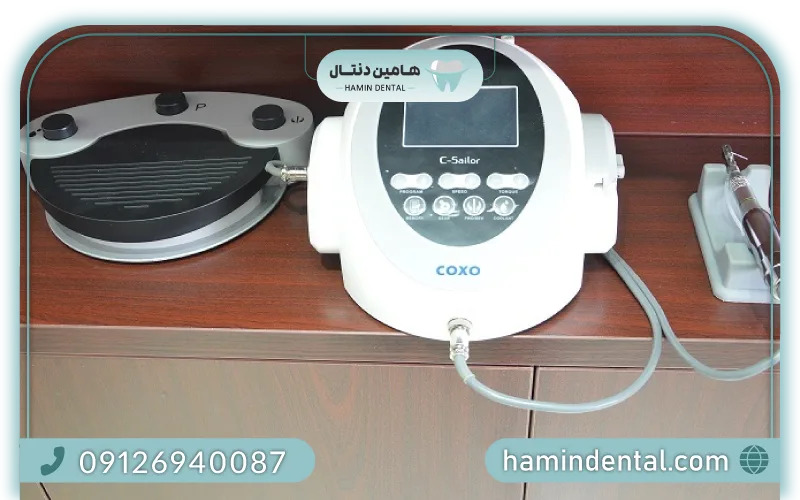
A dental implant motor is a specialized surgical device designed to provide controlled rotary power to surgical handpieces and contra-angles used in implantology. This motor drives the drill bits and other rotary instruments needed to prepare the implant site in the bone with precision and consistency.
Unlike standard dental handpieces, implant motors offer features tailored to implant surgery, such as:
-
Adjustable torque control
-
Variable speed settings
-
Forward and reverse rotation
-
Compatibility with implant surgical kits
By controlling drilling speed and torque, implant motors help prevent overheating, bone damage, and surgical complications, thereby improving implant success rates.
Why is a Dental Implant Motor Important?
Successful dental implant surgery requires accuracy, control, and safety. The implant motor contributes significantly to these goals by:
-
Ensuring consistent drilling speed for proper osteotomy preparation.
-
Allowing torque control to avoid excessive force that could damage the bone or implant.
-
Providing smooth transitions between drilling phases, enhancing patient comfort.
-
Enabling reverse rotation to remove drills or implants safely if needed.
Choosing a high-quality implant motor is critical for minimizing surgical errors, reducing operative time, and ensuring predictable outcomes.
Types of Dental Implant Motors
Dental implant motors come in various configurations to suit different surgical techniques and preferences. Understanding the types helps clinicians choose the right system for their practice.
1. Electric Implant Motors
Electric implant motors use electric power to drive the surgical handpiece. They offer:
-
Precise speed and torque control.
-
Smooth, constant power delivery.
-
Compatibility with multiple handpiece attachments.
-
Often quieter operation compared to air-driven units.
-
Electric motors are popular for their versatility and accuracy, making them suitable for complex implant procedures.
2. Air-Driven Implant Motors
Air-driven motors operate using compressed air. They tend to be:
-
Lightweight and easy to handle.
-
Simpler in design and often more affordable.
-
However, less precise in torque control compared to electric units.
-
Can be noisier and produce vibrations.
-
While still used, air-driven motors are less common today, especially for advanced implantology.
Key Features of Modern Dental Implant Motors
When selecting a dental implant motor, several features should be evaluated to ensure optimal clinical performance:
1. Torque Control and Safety Mechanisms
Torque is the rotational force applied during drilling. Implant motors with adjustable torque limits prevent over-torquing, protecting bone tissue and the implant fixture. Some motors feature automatic torque cutoff, stopping the drill when preset torque thresholds are reached.
2. Variable Speed Settings
Dental implant surgeries require variable speeds depending on the drilling stage:
-
Higher speeds for initial osteotomy preparation.
-
Lower speeds for delicate bone finishing and implant insertion.
-
A motor with a wide speed range and precise adjustment improves surgical control.
3. Forward and Reverse Rotation
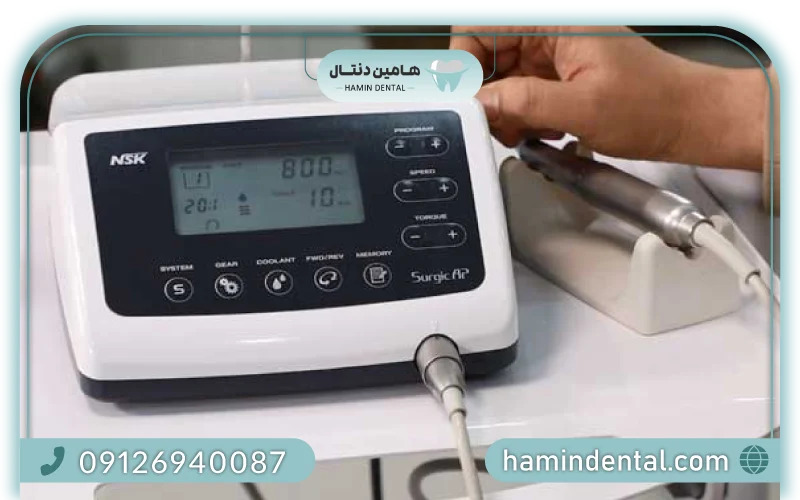
Forward rotation drives the drill into the bone, while reverse helps in safely removing drills or correcting implant positioning. Reversible rotation is an important feature for safety and efficiency.
4. User Interface and Controls
Clear, intuitive controls for adjusting speed, torque, and direction facilitate smoother operations and reduce the risk of errors.
5. Compatibility with Surgical Kits
Some motors are designed to be compatible with various implant systems and handpiece attachments, enhancing versatility.
6. Noise and Vibration Levels
Low noise and minimal vibrations improve clinician comfort and patient experience.
7. Sterilization and Hygiene
Detachable handpieces and components that withstand sterilization protocols are essential for infection control.
How to Choose the Right Dental Implant Motor
Selecting the best implant motor involves balancing clinical requirements, budget, and user preferences. Here are critical considerations:
Evaluate Your Surgical Protocols
Do you perform simple implant placements or complex bone grafting and sinus lifts? Higher-end motors with advanced torque and speed controls are better for complex cases.
Assess Compatibility
Ensure the motor is compatible with your preferred implant system’s surgical kit and handpieces.
Consider Portability
If you work in multiple locations or mobile clinics, lightweight and compact units with easy setup are beneficial.
User Interface and Ergonomics
Choose devices with easy-to-read displays, straightforward controls, and ergonomic designs to minimize fatigue.
Check for After-Sales Support
Reliable customer service, warranty, and availability of replacement parts are vital for long-term usability.
Hamin Dental offers a variety of implant motors meeting these criteria, allowing dentists to find tailored solutions.
How Does a Dental Implant Motor Work During Surgery?
During implant placement, the motor controls the Dental surgery equipment drills that prepare the bone site. The process involves:
Initial Drilling: Using a pilot drill at lower torque and speed to create an initial hole.
Sequential Drilling: Gradually increasing drill diameter with controlled speed and torque to widen the osteotomy precisely.
Implant Insertion: The motor often assists in implant insertion, requiring fine torque control to avoid damage.
Throughout the procedure, the motor’s torque and speed are adjusted based on bone density, surgical stage, and implant system specifications.
Advantages of Using High-Quality Dental Implant Motors
Investing in a quality implant motor offers multiple benefits:
-
Precision: Allows accurate osteotomy preparation tailored to patient anatomy.
-
Safety: Reduces risks of bone overheating and damage.
-
Efficiency: Faster procedures with reliable performance.
-
Patient Comfort: Minimizes trauma and postoperative complications.
-
Durability: Quality devices offer longer lifespans and consistent output.
-
Clinicians using premium motors from Hamin Dental report smoother surgeries and higher patient satisfaction.
-
Maintenance and Care of Dental Implant Motors
Proper maintenance ensures safety, performance, and longevity:
-
Regular Cleaning: Wipe the motor exterior and sterilize detachable parts after each use.
-
Lubrication: Follow manufacturer guidelines for handpiece lubrication to avoid mechanical wear.
-
Inspection: Periodically check cables, controls, and attachments for damage.
-
Calibration: Verify torque and speed settings regularly to maintain accuracy.
-
Professional Servicing: Schedule routine maintenance with authorized service centers like Hamin Dental.
-
Neglecting maintenance can lead to device failure and compromised surgical outcomes.
-
Common Challenges and Solutions
Overheating During Drilling
Excessive heat can damage bone tissue. Solution: use appropriate irrigation, adjust speed and torque, and allow cooling intervals.
Torque Fluctuations
Unstable torque can cause surgical errors. Solution: choose implant motors with automatic torque regulation.
Battery Life in Portable Units
Limited battery can interrupt surgeries. Solution: select units with long-lasting batteries and fast charging.
Compatibility Issues
Incompatible handpieces or drills can impair function. Solution: ensure purchase from reputable suppliers like Hamin Dental with verified compatibility.
Latest Innovations in Dental Implant Motors
Advancements in implant motor technology include:
-
Bluetooth Connectivity: Allowing integration with surgical planning software.
-
Touchscreen Interfaces: For intuitive control and preset programs.
-
Integrated LED Lighting: Improving visibility of the surgical field.
-
Enhanced Sterilization Protocols: Materials and designs facilitating better infection control.
-
Hamin Dental continually updates its product line with cutting-edge technologies to support modern implantology.
Clinical Tips for Using Dental Implant Motors
Always follow the implant system manufacturer’s recommendations on drilling protocols.
-
Use copious irrigation to prevent thermal damage.
-
Regularly check torque settings during surgery.
-
Maintain steady hand control to ensure precision.
-
Train dental assistants on device operation and maintenance.
Conclusion
The dental implant motor is a cornerstone of successful implant surgeries, delivering the power, precision, and safety needed for optimal outcomes. By understanding the types, features, and maintenance requirements, dental professionals can select the ideal motor to enhance their practice.
Hamin Dental offers a diverse range of reliable, high-performance implant motors designed to meet the needs of general practitioners and specialists alike. Investing in a quality implant motor improves surgical efficiency, patient safety, and long-term restoration success—making it a smart choice for any dental clinic focused on excellence.