Exploring the Benefits of Log Home Kits in North Carolina

Log home kits have become an increasingly popular choice for homeowners across the United States, and North Carolina stands out as one of the most attractive regions for this housing trend. With its scenic mountain ranges, mild climate, and strong appreciation for rustic living, the state offers an ideal environment for log homes. These kits provide a practical and customizable way to build a dream home that blends natural beauty with modern convenience. Understanding the benefits of log home kits in North Carolina helps explain why more people are choosing this option for both primary residences and vacation retreats.

A Perfect Fit for North Carolina’s Natural Landscape

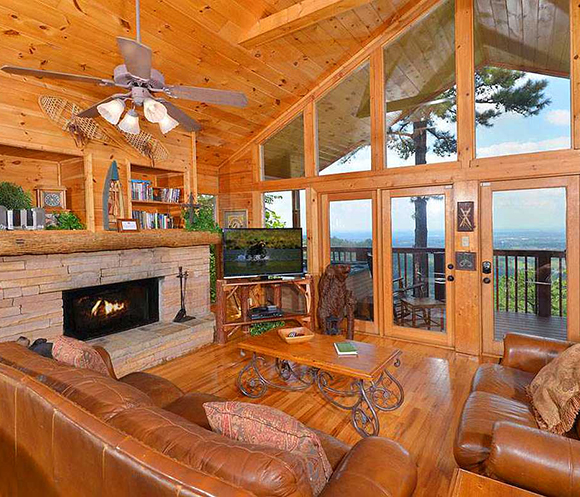
North Carolina is known for its diverse geography, ranging from the Appalachian Mountains in the west to the coastal plains in the east. This natural diversity makes log homes a visually and structurally fitting choice. Log homes blend seamlessly into wooded and mountainous environments, enhancing rather than disrupting the surrounding landscape.

In regions like Asheville, Boone, and the Blue Ridge Mountains, homeowners often prefer structures that complement the environment rather than contrast it. Log home kits allow builders to achieve this harmony more easily because the materials—typically timber logs—naturally match the forested surroundings. This aesthetic appeal is one of the primary reasons log homes remain so popular in the state.

Cost-Effective Construction Solution

One of the major benefits of log home kits is cost efficiency. Building a traditional custom home can be expensive due to labor costs, material sourcing, and architectural design fees. Log home kits simplify the process by providing pre-cut, pre-measured materials along with detailed instructions for assembly.

In North Carolina, where housing costs can vary significantly depending on location, log home kits offer a more predictable and often lower-cost alternative. Because the components are prefabricated, there is less material waste and fewer delays during construction. This streamlined approach reduces labor expenses, making log homes accessible to a wider range of buyers.

Faster and More Efficient Building Process

Time is another major advantage of log home kits. Traditional home construction can take many months or even over a year to complete. In contrast, log home kits significantly shorten the building timeline because much of the preparation work is done in advance.

The logs are cut, shaped, and labeled before arriving at the construction site, allowing builders to focus on assembly rather than fabrication. In North Carolina, where weather conditions can vary by season, this faster construction process is especially valuable. Homeowners can move into their new homes sooner and avoid prolonged exposure to construction delays caused by rain or humidity.

High Energy Efficiency and Natural Insulation

Log homes are known for their excellent insulation properties. The thick wooden logs used in construction naturally regulate indoor temperatures by absorbing heat during the day and releasing it slowly at night. This thermal mass effect helps maintain a comfortable indoor environment throughout the year.

In North Carolina’s varied climate—hot summers in the east and cooler winters in the mountains—this energy efficiency is a significant advantage. Homeowners can reduce their reliance on heating and cooling systems, leading to lower utility bills and a smaller environmental footprint. Over time, these savings can offset much of the initial construction cost.

Customization and Design Flexibility

Modern log home kits are far from one-size-fits-all solutions. They offer a wide range of customization options that allow homeowners to design a space that suits their lifestyle and preferences. Buyers can choose from different floor plans, log styles, roof designs, and interior layouts.

In North Carolina, this flexibility is especially appealing because it allows homeowners to adapt their homes to specific environments, whether they are building in the mountains, forests, or rural farmland. Some may prefer a cozy cabin-style retreat, while others opt for spacious multi-level homes with large windows and open floor plans. Log home kits make these design choices accessible without requiring a fully custom architectural process.

Durability and Long-Term Value

Log homes are built to last. High-quality log home kits are designed with durable, treated wood that can withstand weather, pests, and time when properly maintained. In North Carolina, where humidity and seasonal storms can affect building materials, the durability of log homes is a major advantage.

Additionally, log homes often maintain or increase their value over time due to their unique appeal and strong demand. Many buyers are drawn to the rustic charm and craftsmanship of log homes, making them a solid long-term investment. Proper maintenance, such as sealing and staining, ensures that these homes remain strong and visually appealing for decades.

Eco-Friendly Building Option

Sustainability is becoming increasingly important in modern construction, and log home kits offer an environmentally friendly alternative to conventional housing. Wood is a renewable resource, and many manufacturers source logs from responsibly managed forests.

In North Carolina, where environmental conservation is highly valued, this eco-friendly aspect is a major selling point. Log Home Builders of NC homes also require fewer synthetic materials, reducing the overall environmental impact of construction. Combined with their energy efficiency, they represent a greener lifestyle choice for environmentally conscious homeowners.

Conclusion

Log home kits offer a unique combination of beauty, efficiency, and practicality, making them an excellent choice for homeowners in North Carolina. Their ability to blend with natural surroundings, reduce construction costs, and provide energy-efficient living makes them especially appealing in this region. With customizable designs, strong durability, and eco-friendly benefits, log home kits continue to grow in popularity among those seeking a comfortable and sustainable lifestyle. Whether for a mountain retreat or a permanent residence, they provide a timeless housing solution that fits perfectly with North Carolina’s natural charm.
Leave a Reply

Your email address will not be published. Required fields are marked *

Related Post

Interior Designer San Francisco: Transforming Spaces with Style, Functionality & Local FlairInterior Designer San Francisco: Transforming Spaces with Style, Functionality & Local Flair

San Francisco is known for its iconic architecture, vibrant culture, and innovative design spirit. Whether you live in a Victorian on Russian Hill, a modern condo in SoMa, or a loft near the Embarcadero, crafting beautiful and functional interiors that reflect personal style can be both exciting and challenging. That’s where an Interior Designer San Francisco comes in — a professional who brings creativity, expertise, and project management skills to every space they touch.

In this guide, we’ll explore what interior designers do, why hiring one in San Francisco is a smart investment, what to consider when choosing a professional, and how they can elevate your home or workspace.

What Does an interior styling san francisco in San Francisco Really Do?

An Interior Designer San Francisco is more than someone who picks paint colors and furniture. These professionals are trained to:

  • Develop Conceptual Designs: They interpret your vision and translate it into mood boards, sketches, 3D renderings, and floor plans.

  • Maximize Space & Functionality: San Francisco homes often face unique space constraints. Designers help you use every square foot wisely.

  • Select Materials & Finishes: From sustainable fabrics to modern cabinetry, a designer knows the best products for form and function.

  • Coordinate Contractors & Vendors: They manage timelines, tradespeople, procurement, and installation — saving you time, stress, and costly mistakes.

  • Stay Within Budget: A great designer doesn’t just spend your money — they help you allocate it wisely for ROI and long-term enjoyment.

In a city where design trends evolve quickly and architectural styles range from classic Victorians to sleek modern builds, having an expert who understands local aesthetics and building norms is invaluable.

Why San Francisco Residents Hire Interior Designers

  1. Unique Architectural Diversity:

    San Francisco isn’t a cookie-cutter city. Its varied architectural landscape means personalized interior solutions are often necessary. A designer understands how to complement period details or modern structures while keeping the space cohesive.

  2. High Cost of Living & Real Estate:

    Real estate prices in San Francisco are among the highest in the country. Investing in professional interior design helps protect that investment — whether you’re designing to live in or preparing a property for sale or rent.

  3. Smarter Use of Space:

    Compact flats, split-level homes, and converted spaces are common. Interior designers specialize in transforming these into functional, beautiful environments without sacrificing comfort.

  4. Access to Local Resources:

    Design professionals often have established relationships with local craftsmen, suppliers, and galleries — offering access to custom pieces and unique finds that aren’t available to the general public.

  5. Trend Awareness & Innovation:

    San Francisco is a hub for creativity and innovation. Designers keep current with trends in sustainability, technology integration, biophilic design, and contemporary aesthetics.

Key Services Offered by Interior Designers in San Francisco

1. Residential Design

Designing homes, townhouses, lofts, and condos with personalized style. This includes layout planning, furniture selection, lighting design, cabinetry and countertop material choices, and artwork placement.

2. Remodels & Renovations

A designer works alongside architects and builders during kitchen, bathroom, and whole-home renovations. They ensure the project’s aesthetic aligns with structural changes and current trends.

3. Space Planning & Workflow Optimization

Especially valuable in small or multi-use spaces. Designers balance beauty with practicality to support everyday routines.

4. Custom Furniture & Built-Ins

Rather than settle for off-the-shelf items, many clients invest in custom solutions like built-in desks, window seats, media walls, and modular storage tailored to their lifestyles.

5. Sustainable & Eco-Friendly Design

With growing interest in healthy living and environmental responsibility, many San Francisco designers specialize in low-VOC materials, energy-efficient lighting, recycled and upcycled furnishings, and sustainable sourcing.

How to Choose the Right Interior Designer San Francisco

Selecting the right professional is a collaboration — and the right fit makes all the difference. Here are key considerations:

Check Portfolios & Style Compatibility

Look for designers whose previous work aligns with your vision. Whether your taste leans modern minimalist or classic eclectic, the best designers tailor trends to suit clients personally.

Read Reviews & Testimonials

Past client experiences reveal reliability, communication skills, and problem-solving ability.

Determine Your Budget Range

Be honest about spending limits early in the conversation. Designers can help stretch budgets creatively, but transparency ensures expectations align.

Ask About Project Management

A skilled designer has a clear process for timelines, contractor coordination, and procurement — essential for stress-free execution.

Local Knowledge Matters

San Francisco has distinct building codes, permit requirements, and historical considerations. A local Interior Designer San Francisco brings valuable context and experience navigating these.

What to Expect During the Design Process

While each designer works differently, typical stages include:

  1. Initial Consultation:

    You share your lifestyle, goals, preferences, and budget. The designer assesses your space and asks questions to understand your priorities.

  2. Concept Development:

    Design concepts are presented through drawings, inspiration boards, color palettes, and material selections.

  3. Design Finalization:

    Once concepts are approved, details are locked in — from furniture lists to lighting diagrams and fabric swatches.

  4. Implementation:

    The designer oversees ordering, contractor scheduling, deliveries, site visits, and installation.

  5. Final Reveal:

    Your space is completed, styled, and ready for living.

Interior Design Trends in San Francisco

While classic and timeless design always has a place, several trends have emerged in local interiors:

  • Biophilic Design: Incorporating natural elements like wood, plants, and natural light to bring a sense of calm and wellness indoors.

  • Multifunctional Spaces: Especially in compact homes, rooms are designed to flex between work, rest, and entertainment zones.

  • Warm Minimalism: Clean lines balanced with warm textures like wool rugs, artisanal pottery, and mixed metals.

  • Smart Technology Integration: Home automation, smart lighting, and climate control seamlessly woven into design.

  • Art & Local Craftsmanship: San Francisco homes often feature work by local artists and makers — bringing personality and community into the space.

Final Thoughts

An Interior Designer San Francisco does more than decorate — they transform spaces into environments that enhance daily life and reflect personal style. Whether you’re planning a full remodel, refreshing a single room, or designing from scratch, partnering with the right professional can elevate your home’s comfort, beauty, and long-term value.

With San Francisco’s rich design culture and architectural diversity, working with an expert who understands local nuances, trends, and functionality ensures your space is not only beautiful, but smart, sustainable, and truly yours.

Generators of 2025 Powerful  Efficient  and Affordable     Powering Your Life the Smart WayGenerators of 2025 Powerful  Efficient  and Affordable     Powering Your Life the Smart Way

In today’s world, reliable power isn’t just a convenience—it’s a necessity. Whether you’re facing unexpected outages, powering a job site, or gearing up for your next outdoor adventure, a generator can be your lifeline. And as we look ahead to 2025, generators are evolving like never before. They’re becoming more powerful, more efficient, and—best of all—more affordable.

If you think all generators are bulky, noisy machines that guzzle fuel and burn a hole in your wallet, it’s time to think again. The generators of 2025 are game-changers, blending cutting-edge technology with user-friendly design to give you peace of mind and energy on demand. Let’s explore what makes these new-generation powerhouses stand out—and why upgrading might be the smartest move you make this year.

Power Meets Portability: The Best of Both Worlds

One of the most exciting trends in generators is the perfect balance between power and portability. Gone are the days when you had to choose between a massive generator that could power your entire home and a tiny, underpowered unit that only runs a few essentials.

Today’s best generators pack serious punch in surprisingly compact frames. Thanks to innovations in engine design and materials, many 2025 models offer enough wattage to keep your fridge humming, your lights on, and your devices charged—without weighing down your space or breaking your back.

For campers, tailgaters, or anyone who loves off-grid living, portable inverter generators are the dream come true. They provide clean, stable power that’s safe for sensitive electronics like laptops and smartphones, all while fitting neatly in your trunk.

Fuel Efficiency: Saving Money and the Planet

Fuel efficiency isn’t just about saving money at the pump—it’s about being smarter and greener with the resources we use. The generators coming in 2025 boast impressive fuel economy thanks to advanced inverter technology and eco-friendly engines.

Many models automatically adjust their power output based on demand, meaning they don’t burn fuel unnecessarily when you’re running just a few appliances. This variable speed operation extends run time and reduces noise—a huge bonus for both your wallet and your neighbors’ ears.

And speaking of fuel, several manufacturers are embracing cleaner alternatives like propane, natural gas, and even hybrid electric solutions, further reducing emissions without sacrificing power.

Affordability Without Compromise

Here’s a myth that needs busting: powerful and efficient generators have to cost a fortune. The good news is, 2025 is ushering in an era where affordability meets high performance.

Thanks to advancements in manufacturing and wider competition, you can find generators with advanced features—like remote start, smartphone connectivity, and quiet operation—at price points that make sense for homeowners, contractors, and outdoor enthusiasts alike.

In fact, many models offer flexible financing options or package deals that include installation and maintenance, making it easier than ever to invest in reliable power.

Smart Features for the Connected Age

Generators in 2025 aren’t just dumb machines—they’re smart helpers that integrate with your lifestyle. Wi-Fi connectivity, app controls, and digital displays let you monitor fuel levels, power output, and maintenance alerts from your phone.

Imagine starting your generator from inside your house or checking its status while you’re at work. These features add convenience and peace of mind, so you’re never caught off guard.

Plus, built-in safety mechanisms like automatic shutoff during low oil levels or overload conditions protect your investment and keep your home safe.

Who Benefits Most from the Generators of 2025?

  • Homeowners: Prepare for power outages without the noise and fuss of older models.

  • Small Business Owners: Keep your operations running smoothly even during blackouts.

  • Contractors: Portable, powerful generators that can handle demanding tools and equipment on job sites.

  • Outdoor Enthusiasts: Tailgate parties, camping trips, and off-grid adventures get an energy upgrade.

  • Eco-conscious Consumers: Options with cleaner fuels and smarter technology reduce environmental impact.

Final Thoughts: Power Up for 2025 and Beyond

The generators of 2025 are designed to fit seamlessly into your life—whether that means quietly powering your home during a storm or fueling your weekend getaway. They represent a leap forward in technology, blending power, efficiency, and affordability like never before.

If you’ve been putting off buying a generator or feel stuck with outdated equipment, this is the year to make the switch. With so many options designed to meet different needs and budgets, you’re sure to find a generator that powers your world—and gives you peace of mind.

After all, in a world where energy is everything, shouldn’t your backup power be just as smart and reliable as the rest of your life?

Discover the Beauty of Modern Tile in Interior DesignDiscover the Beauty of Modern Tile in Interior Design

Modern interior design is all about creating spaces that feel elegant, functional, and visually appealing. One of the most impactful elements used in contemporary interiors is modern tile. From sleek kitchen backsplashes to luxurious bathroom floors, modern tiles bring style, texture, and durability to any space. With endless patterns, colors, and materials available, tiles have become a favorite choice for homeowners and designers alike.

In this article, we will explore the beauty of modern tile in interior design, its benefits, popular styles, and how it can transform different areas of your home.

The Rise of Modern Tile in Interior Design

Tiles have been used in architecture and interior design for centuries, but modern tile designs have evolved dramatically in recent years. Today’s tiles focus on clean lines, bold patterns, and innovative materials that complement contemporary homes.

Interior designers now use tiles not only for practical purposes but also as a decorative feature. From minimalist designs to artistic statement pieces, modern tiles help create unique and stylish interiors.

Advancements in manufacturing technology have also made tiles more versatile than ever. Large-format tiles, textured surfaces, and digitally printed patterns allow homeowners to achieve sophisticated looks that were once difficult to create.

Why Modern Tile is a Popular Choice

There are many reasons why modern tiles have become a preferred option in interior design.

Durability and Longevity

Tiles are extremely durable and can last for decades when properly maintained. Materials such as porcelain and ceramic are resistant to moisture, stains, and scratches, making them ideal for high-traffic areas like kitchens and bathrooms.

Easy Maintenance

Unlike some flooring materials, tiles are very easy to clean. A simple sweep and mop are usually enough to keep them looking fresh and beautiful. This makes them perfect for busy households.

Versatile Design Options

Modern tiles come in countless designs, colors, and textures. Whether you prefer a minimalist aesthetic or bold decorative patterns, there is a tile style that suits every taste.

Eco-Friendly Options

Many tile manufacturers now produce environmentally friendly tiles using recycled materials and sustainable production methods. This makes modern tiles a great choice for eco-conscious homeowners.

Popular Modern Tile Materials

Modern tile designs use a variety of materials, each offering its own unique look and benefits.

Porcelain Tiles

Porcelain tiles are one of the most popular choices in modern interior design. They are strong, water-resistant, and available in many finishes, including matte, polished, and textured. Porcelain tiles can even mimic natural materials like marble, stone, or wood.

Ceramic Tiles

Ceramic tiles are versatile and budget-friendly. They are often used for walls, backsplashes, and decorative accents. With endless colors and patterns available, ceramic tiles can easily enhance any interior space.

Natural Stone Tiles

For those seeking a luxurious and natural aesthetic, stone tiles such as marble, slate, and travertine are excellent options. These tiles add elegance and timeless beauty to interiors.

Glass Tiles

Glass tiles are commonly used in kitchens and bathrooms because they reflect light and create a bright, modern appearance. They are often used for backsplashes and decorative wall features.

Modern Tile Trends in Interior Design

Tile trends continue to evolve as designers experiment with new patterns, shapes, and textures. Here are some of the most popular modern tile trends today.

Large-Format Tiles

Large-format tiles have become a major trend in modern interiors. These tiles create a seamless look with fewer grout lines, making spaces appear larger and more open. They are especially popular in bathrooms and living areas.

Geometric Patterns

Geometric tile patterns bring a contemporary and artistic feel to interiors. Hexagons, chevrons, and herringbone layouts are widely used to create visually striking floors and walls.

Easy Maintenance

0

Wood-look tiles offer the warmth of hardwood flooring while providing the durability and water resistance of tile. This makes them ideal for areas where real wood may not be suitable, such as kitchens or bathrooms.

Easy Maintenance

1

Textured tiles add depth and character to interior spaces. From 3D wall tiles to stone-inspired finishes, these designs create a dynamic and stylish environment.

Easy Maintenance

2

Modern interior design often features neutral tones such as white, gray, beige, and soft earth colors. These shades create a clean and calming atmosphere while allowing other design elements to stand out.

Using Modern Tile in Different Spaces

Modern tiles can enhance almost every area of a home. Here are some creative ways to incorporate them into interior design.

Easy Maintenance

3

In the kitchen, tiles are commonly used for backsplashes and flooring. A modern tile backsplash can serve as a focal point while protecting the walls from spills and splashes. Patterned or colorful tiles can add personality to the space.

Easy Maintenance

4

Bathrooms are one of the best places to showcase modern tile designs. From luxurious shower walls to elegant floor tiles, modern tiles can transform an ordinary bathroom into a spa-like retreat.

Large-format tiles, marble-look porcelain, and textured wall tiles are especially popular in modern bathroom designs.

Easy Maintenance

5

Tiles are increasingly being used in living rooms, particularly in modern and minimalist homes. Large porcelain tiles or stone-look tiles create a sleek and sophisticated atmosphere.

Easy Maintenance

6

Entryways and hallways experience heavy foot traffic, making durable tile flooring an excellent choice. Decorative tile patterns can also create a striking first impression for visitors.

Tips for Choosing the Right Modern Tile

Selecting the right tile for your space can make a significant difference in the overall design. Here are some helpful tips:

Consider the room’s function: Choose tiles that are suitable for the specific area, such as water-resistant tiles for bathrooms.

Think about size and layout: Large tiles can make small spaces appear larger, while smaller tiles work well for detailed patterns.

Match the overall design style: Ensure the tile color and pattern complement the rest of your interior decor.

Pay attention to texture: Matte finishes offer a modern look, while glossy tiles reflect light and brighten spaces.

The Future of Modern Tile Design

The future of modern tile design looks incredibly exciting. Innovations such as smart tiles, eco-friendly materials, and digital printing technology are expanding the possibilities for interior design.

Designers are also exploring creative tile layouts, combining different shapes, textures, and colors to create unique and personalized spaces. As technology continues to evolve, modern tiles will likely become even more versatile and visually stunning.

Conclusion

Modern tile has become an essential element in contemporary interior design. Its combination of beauty, durability, and versatility makes it an excellent choice for homeowners looking to enhance their living spaces.

From elegant bathrooms and stylish kitchens to sleek living areas, modern tiles offer endless possibilities for creativity and design. With the right selection of materials, colors, and patterns, tiles can transform any room into a sophisticated and inviting environment.

Whether you prefer minimalist styles or bold artistic designs, modern tile allows you to express your personality while creating a home that is both functional and beautiful. By embracing the latest tile trends and innovative materials, you can truly discover the beauty of modern tile in interior design.

AI Interior Design Turn Any Room Photo into a Beautiful, Personalized VisionAI Interior Design Turn Any Room Photo into a Beautiful, Personalized Vision

Design inspiration used to come from thick catalogs, mood boards, and weeks of back-and-forth. Now, AI interior design lets a single snapshot spark a complete transformation. By combining visual recognition, style intelligence, and fast rendering, today’s tools help homeowners, renters, and design pros instantly see how different layouts, palettes, and furnishings would look in a real space. The result is a faster, more playful path from idea to execution—one that puts control, clarity, and creativity in your hands.

What Is AI Interior Design and Why It Matters Now

AI interior design is the use of artificial intelligence to analyze a room, apply a chosen style, and generate realistic design concepts in seconds. It blends image processing, pattern recognition, and learned style libraries to visualize multiple possibilities for the same space. Instead of guessing what a Contemporary living room or a Rustic kitchen might feel like, you can instantly see it, refine it, and compare options side by side. That speed shortens the distance between imagination and decision, making design more accessible to people at any level of experience.

Where traditional design often requires long lead times, inspiration trips, and layered revisions, AI streamlines the journey. Upload a photo, pick a style—Scandinavian, Mediterranean, Mid-Century Modern, Urban Modern, Tuscan, French Country, Rustic, Urban Jungle, Contemporary—and preview a polished concept that respects your room’s unique architecture. Because the output is image-based, there’s no need to decode complex floor plans; you simply evaluate what you see. For many, this unlocks confidence: it’s easier to commit when you can visualize materials, lighting, and furniture placement before a single purchase.

This technology also shines when evaluating constraints. Have a small apartment that needs clever storage or a shaded room that feels dim? AI can test lighter palettes, airier furnishings, and reflective surfaces to brighten the mood. Wondering whether a bold green accent wall would overpower your dining area? Generate a version and check the balance with your table and flooring. By offering instant, side-by-side alternatives, iteration becomes low-friction—and much more fun.

Just as importantly, the next generation of tools is built for everyday use. With intuitive interfaces and one-time credit models, there’s no lengthy onboarding or subscription lock-in. You can explore ideas on a lunch break, share them with a partner in seconds, and keep tweaking until it feels like “home.” For a seamless starting point, platforms offering AI interior design pair speed with curated style options so it’s easy to move from blank slate to a compelling vision.

How AI-Powered Room Redesign Works (Step by Step)

The magic begins with a photo. AI reads the image, identifies key elements—walls, windows, flooring, large furniture—and interprets the spatial relationships. This scene understanding allows the system to “dress” the room in a chosen look without warping its proportions. You select a style and, if offered, a color direction: warm neutrals for a cozy Scandinavian feel, crisp contrast for Urban Modern, sun-baked textures for Mediterranean, or botanical depth for Urban Jungle. In moments, a render appears showing how your real room could look with that design language.

Under the hood, the AI learns from vast style datasets and real-world images. It understands that Mid-Century Modern leans on walnut tones, tapered legs, and graphic rugs; that French Country favors soft linens, antique finishes, and curved forms; that Rustic thrives on organic texture and hearty materials. Crucially, it doesn’t paste a catalog over your photo. Instead, it infers how light falls, where furniture belongs, and how to balance color across walls, textiles, and decor. That’s why these visuals feel grounded and believable: the room’s bones remain, while the personality shifts.

Iteration is where the process shines. If the first concept puts a sofa where you’d prefer a pair of lounge chairs, run another version with a slightly different brief. If you’re weighing a pale oak floor look against a darker stain, try both and compare how each interacts with your rug and wall tone. Many platforms make this experimentation extremely fast and convenient—generate multiple options, then download or share the results. Because it’s visual and immediate, partners, contractors, or clients can align on direction quickly, which reduces second-guessing and change orders later.

For everyday planning, an approachable pricing model helps. Instead of a subscription, some services use a simple points-based system for one-time purchases—a practical fit for seasonal refreshes, a single-room makeover, or pre-renovation brainstorming. That flexibility is ideal for renters testing reversible ideas and for homeowners weighing permanent updates. While these visuals don’t replace precise measurements or structural advice, they offer a crystal-clear north star. Use them to shortlist furniture silhouettes, target a paint palette, and decide whether open shelving, closed cabinetry, or a clever combo serves your storage needs. With photorealistic previews, choosing becomes less about guesswork and more about informed preference.

Real-World Use Cases: Makeovers for Homes, Rentals, and Design Pros

Consider a compact city studio where every square foot matters. The first pass in a Contemporary style might highlight a low-profile sofa, slimline media console, and a light-neutral palette to expand the sense of volume. Run a second version in Scandinavian and you’ll likely see more blond woods, layered textiles, and warm white walls—still space-savvy, but cozier. When natural light is limited, the AI will often propose reflective accents, pale rugs, and leggy furniture to lift the room visually. After a few clicks, it becomes clear which mix of color, texture, and proportion maximizes comfort and flow.

Renters benefit, too. With landlord constraints, AI can surface reversible changes: peel-and-stick backsplashes for a dated kitchen, airy curtains that soften hard edges, or modular shelving that adds function without drilling. If a new look needs to work around an existing sofa or a set of heirloom chairs, upload the current room and explore schemes that flatter those anchor pieces. Urban Jungle greenery can enliven a neutral living room; a Tuscan-inspired dining nook can warm up a cool-toned apartment with terra-cotta accents and rustic wood textures. Because the render matches the real room, it’s easier to spot where a bold idea improves the space versus where it competes with the architecture.

For homeowners planning larger renovations, AI provides a fast pre-visualization layer. Evaluate whether a Mid-Century Modern direction harmonizes with your hardwoods, or if French Country better suits a home with arched openings and traditional millwork. Quickly test wall treatments, accent colors, and lighting moods—especially useful in open-plan areas where sightlines link kitchen, dining, and living zones. Aligning on a shared vision up front can streamline conversations with contractors and reduce revisions that add time and cost.

Design professionals also leverage AI as a concept catalyst. Early-phase ideation takes minutes instead of hours, so clients can compare three or four strong directions in the first meeting. With clear visuals, feedback becomes specific and actionable: “Let’s keep the Urban Modern lighting but switch to Mediterranean texture on the walls.” That speeds consensus and elevates the final brief. For real estate staging or short-term rentals, rapid A/B testing can reveal which style photographs best, aligns with local tastes, and boosts bookings. Ultimately, AI accelerates clarity—bridging the gap between a client’s words and the image that lives in their mind—so every decision downstream is better informed.

Whether refreshing a bedroom over a weekend or planning a full-home makeover, the value is consistent: instant visualization, confident iteration, and styles that feel curated, not generic. By pairing human taste with machine speed, AI interior design transforms the way spaces come to life—one fast, inspired render at a time.

Blog

The Ultimate Guide to Surround Sound Installation and TV Installation for Modern HomesThe Ultimate Guide to Surround Sound Installation and TV Installation for Modern Homes

Modern homes are increasingly designed around technology, comfort, and immersive entertainment. Whether you enjoy watching movies, gaming, or streaming your favorite shows, having a properly installed television and surround sound system can dramatically improve your experience. A well-planned TV installation and surround sound setup transforms an ordinary living room into a home theater, providing crystal-clear visuals and immersive audio that rivals commercial cinemas.

This ultimate guide explains everything you need to know about surround sound installation and TV installation for modern homes, including planning, equipment selection, placement, and professional installation tips.


Why Proper TV Installation Matters

Installing a television may seem simple, but proper installation plays a huge role in viewing comfort, safety, and room aesthetics. A poorly installed TV can cause neck strain, cluttered cables, and even safety risks if not securely mounted.

Benefits of Professional TV Installation

1. Optimal Viewing Angle

Correct placement ensures the TV is positioned at eye level and at the ideal distance for comfortable viewing.

2. Clean and Modern Look

Wall mounting hides wires and creates a sleek, minimalist appearance that complements modern home designs.

3. Space Saving

Mounting a TV frees up floor space and removes the need for bulky entertainment units.

4. Improved Safety

Properly installed mounts prevent TVs from tipping over, which is especially important in homes with children or pets.


Choosing the Right TV for Your Space

Before installing your television, it’s important to select the right size and type for your room.

TV Size and Viewing Distance

A general rule is that the viewing distance should be about 1.5 to 2.5 times the screen size. For example:

  • 55-inch TV → 6–10 feet viewing distance

  • 65-inch TV → 8–13 feet viewing distance

  • 75-inch TV → 10–15 feet viewing distance

Selecting the correct size ensures the best picture clarity and comfort.

Wall Mount Options

There are several types of TV wall mounts available:

Fixed Mount

Keeps the TV flat against the wall and is ideal for rooms where the viewing angle remains constant.

Tilting Mount

Allows the TV to tilt slightly up or down, which helps reduce glare from windows or lights.

Full Motion Mount

Provides maximum flexibility by allowing the TV to swivel and extend outward, making it perfect for open floor plans.


Planning Your Surround Sound System

While a large TV provides great visuals, audio is what truly creates a cinematic experience. Surround sound systems distribute audio through multiple speakers placed around the room, making viewers feel like they are inside the action.

Popular Surround Sound Configurations

2.1 System

Includes two speakers and a subwoofer. This is a basic upgrade from TV speakers.

5.1 System

One of the most popular setups, consisting of:

  • Front left speaker

  • Front right speaker

  • Center speaker

  • Two rear speakers

  • One subwoofer

7.1 System

Adds two additional speakers behind the listener for deeper immersion.

Dolby Atmos Systems

These advanced systems include ceiling or upward-firing speakers to create three-dimensional audio.


Ideal Speaker Placement

Correct speaker placement is essential for achieving balanced and immersive sound.

Front Speakers

Front left and right speakers should be placed on either side of the TV at ear level. They handle music, sound effects, and dialogue from the sides.

Center Speaker

The center speaker should be placed directly below or above the TV. It is responsible for dialogue in movies and TV shows.

Surround Speakers

Surround speakers should be placed slightly behind the seating area at ear height. These speakers create environmental sounds such as footsteps, wind, or crowd noise.

Subwoofer

The subwoofer handles deep bass frequencies like explosions or dramatic music. It can usually be placed near a wall or corner to enhance bass performance.


Cable Management and Wiring

Modern home entertainment setups can quickly become messy if cables are not properly organized. Good cable management keeps your setup neat and safe.

Hidden Cable Solutions

In-wall cable routing

Cables are run inside the wall for a completely clean look.

Cable raceways

Plastic channels attached to the wall that conceal cables.

Cord management boxes

These boxes hide power strips and extra wires.

Clean cable management not only improves appearance but also reduces the risk of damage and electrical hazards.

Why Proper TV Installation Matters

0

Why Proper TV Installation Matters

1

Today’s televisions are more than just screens—they are smart entertainment hubs.

Key Smart TV Features

Modern TVs often include built-in apps for streaming platforms, voice assistants, and wireless connectivity.

Popular features include:

  • Built-in streaming apps

  • Wi-Fi and Bluetooth connectivity

  • Voice control compatibility

  • Screen mirroring from smartphones

A properly installed system ensures all devices—gaming consoles, streaming boxes, and sound systems—are connected seamlessly.

Why Proper TV Installation Matters

2

Why Proper TV Installation Matters

3

Room acoustics greatly affect how your surround sound system performs. Even the best speakers can sound poor in an untreated space.

TV Size and Viewing Distance

0

Use Soft Furnishings

Carpets, curtains, and upholstered furniture absorb sound reflections.

Avoid Bare Walls

Large empty walls can create echo and distortion.

Balance Speaker Distances

Ensure speakers are evenly spaced around the seating area.

Use Sound Calibration

Many modern receivers include automatic room calibration to optimize sound settings.

Why Proper TV Installation Matters

4

Why Proper TV Installation Matters

5

Many homeowners consider installing their systems themselves. While basic setups may be manageable, professional Surround Sound Installation and TV Installation offers several advantages.

TV Size and Viewing Distance

1

Pros:

  • Lower upfront cost

  • Complete control over setup

Cons:

  • Risk of incorrect mounting

  • Visible wires

  • Potential sound imbalance

TV Size and Viewing Distance

2

Pros:

  • Expert placement for optimal viewing and sound

  • Clean cable management

  • Safe and secure mounting

  • Proper system calibration

For complex surround sound systems or large TVs, professional installers ensure everything works perfectly.

Why Proper TV Installation Matters

6

Why Proper TV Installation Matters

7

When installing a TV and surround sound system, avoid these common errors:

Mounting the TV too high

This can cause neck strain during long viewing sessions.

Ignoring room layout

Furniture placement and room size should influence speaker positioning.

Poor cable organization

Messy cables ruin the look of modern interiors.

Buying mismatched equipment

Ensure your receiver, speakers, and TV are compatible.

Skipping calibration

Proper calibration ensures balanced sound across all speakers.

Why Proper TV Installation Matters

8

Why Proper TV Installation Matters

9

Technology evolves rapidly, so it’s wise to plan a system that can grow with your needs.

TV Size and Viewing Distance

3

  • HDMI 2.1 compatibility for next-generation gaming

  • Support for 8K TVs

  • Dolby Atmos and advanced audio formats

  • Smart home integration with voice assistants

Planning ahead helps avoid costly upgrades later.


0


1

A well-designed TV and surround sound installation can transform your living space into a modern entertainment hub. By carefully selecting the right equipment, placing speakers strategically, and managing cables effectively, homeowners can create a cinematic experience without leaving the house.

Whether you are building a dedicated home theater or upgrading a living room setup, investing time in proper installation ensures the best performance and long-term satisfaction. With the right planning and professional assistance when needed, modern homes can enjoy stunning visuals, immersive audio, and a sleek, organized entertainment system that enhances everyday life.