
Industrial heavy equipment plays a crucial role in modern development, enabling large-scale construction, mining, manufacturing, and infrastructure projects to be completed efficiently and safely. From building highways and bridges to extracting natural resources and constructing skyscrapers, these powerful machines form the backbone of industrial progress. Without industrial heavy equipment, many of the projects that shape modern cities and industries would be nearly impossible to complete.
This article explores what industrial heavy equipment is, the different types available, their applications across industries, and why they are essential for economic growth and technological advancement.
What Is Industrial Heavy Equipment?
Industrial heavy equipment refers to large machinery designed for demanding tasks such as construction, excavation, lifting, transportation of heavy materials, and large-scale manufacturing operations. These machines are built to handle significant workloads and operate in challenging environments such as construction sites, mines, factories, and ports.
Heavy equipment is typically powered by diesel engines, hydraulic systems, or electric motors. These machines are designed to maximize productivity while minimizing manual labor, making industrial operations more efficient and cost-effective.
The primary goal of industrial heavy equipment is to perform tasks that would otherwise require a large workforce and extended time. By automating heavy tasks, these machines help businesses save time, reduce labor costs, and improve overall safety.
Types of Industrial Heavy Equipment
There are many types of industrial heavy equipment used in different sectors. Each machine is designed for specific tasks and environments.
Excavators
Excavators are among the most commonly used pieces of heavy equipment in construction and mining industries. They are equipped with a large arm, bucket, and rotating cab mounted on tracks or wheels.
Excavators are used for:
-
Digging trenches and foundations
-
Demolition work
-
Material handling
-
Mining operations
-
River dredging
Their versatility makes them essential on nearly every construction site.
Bulldozers
Bulldozers are powerful machines designed for pushing large quantities of soil, sand, rubble, or other materials. They are easily recognized by their large metal blade at the front.
Bulldozers are commonly used for:
-
Land clearing
-
Road construction
-
Mining operations
-
Grading and leveling surfaces
Their strength and durability allow them to operate effectively on rough and uneven terrain.
Loaders
Loaders are used to move materials such as soil, gravel, sand, or debris. These machines have a large bucket attached to the front that can scoop and transport materials.
Types of loaders include:
-
Wheel loaders
-
Skid steer loaders
-
Backhoe loaders
-
Track loaders
Loaders are commonly used in construction, agriculture, and mining operations.
Cranes
Cranes are essential pieces of industrial heavy equipment used for lifting and moving extremely heavy materials. They are commonly used in construction projects involving tall buildings, bridges, and large industrial structures.
Types of cranes include:
-
Tower cranes
-
Mobile cranes
-
Crawler cranes
-
Overhead cranes
Cranes provide the lifting power needed to transport heavy building materials safely and efficiently.
Dump Trucks
Dump trucks are used to transport loose materials such as sand, gravel, dirt, and demolition waste. They feature a large open-box bed that can be lifted to unload materials quickly.
These trucks are essential for:
-
Construction projects
-
Mining operations
-
Road building
-
Waste management
Dump trucks help keep work sites organized and efficient by moving materials quickly.
Industries That Use Industrial Heavy Equipment
Industrial heavy equipment is used across multiple industries where large-scale operations require strength, precision, and efficiency.
Construction Industry
Construction is the largest user of heavy equipment. Machines such as excavators, bulldozers, and cranes are essential for building homes, roads, bridges, and commercial structures.
Heavy equipment allows construction companies to complete projects faster while maintaining high safety standards.
Mining Industry
Mining operations rely heavily on industrial machinery to extract minerals, coal, and metals from the earth. Equipment such as large excavators, haul trucks, and drilling machines help miners reach deep underground resources.
These machines are built to withstand extreme conditions such as dust, heat, and constant heavy loads.
Agriculture
Modern agriculture also depends on heavy equipment such as tractors, harvesters, and loaders. These machines help farmers cultivate land, plant crops, and harvest produce more efficiently.
Agricultural machinery has greatly increased food production and reduced manual labor requirements.
Manufacturing and Industrial Facilities
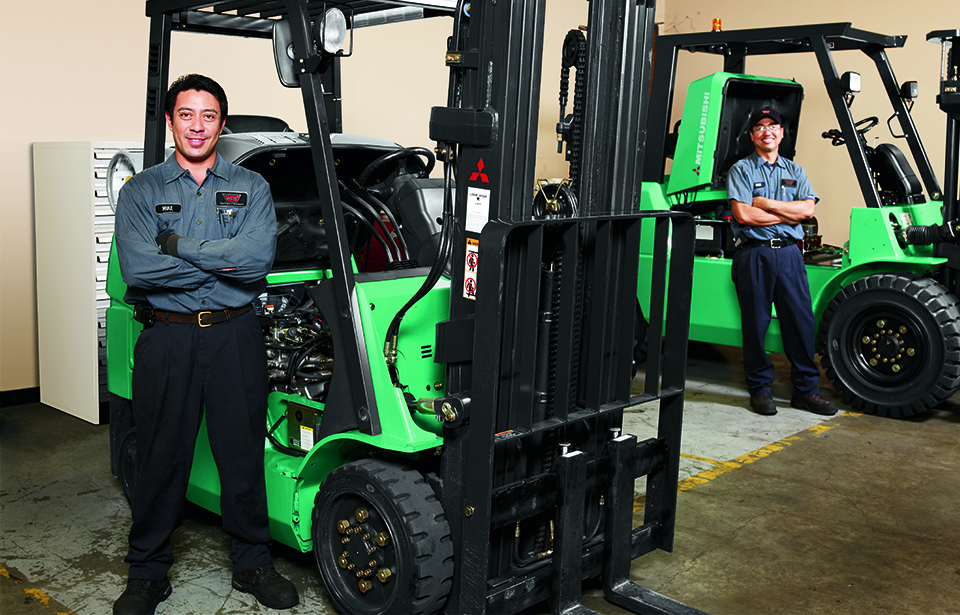
Factories and warehouses use heavy equipment such as forklifts, industrial cranes, and conveyor systems to move materials and manage production lines.
These machines help streamline manufacturing processes and improve productivity.
Transportation and Infrastructure
Large infrastructure projects such as highways, railways, and airports require extensive use of industrial heavy equipment. Machines help with excavation, road paving, bridge construction, and large-scale material transportation.
Without these machines, building large transportation networks would take decades longer.
Benefits of Industrial Heavy Equipment
The use of industrial heavy equipment provides several important advantages for businesses and industries.
Bulldozers
0
Heavy machinery can perform tasks much faster than manual labor. This allows projects to be completed on schedule and within budget.
Bulldozers
1
Modern equipment includes advanced safety features such as sensors, cameras, and automated controls. These features help reduce workplace accidents and protect operators.
Bulldozers
2
Although heavy equipment requires a significant initial investment, it reduces long-term costs by minimizing labor requirements and increasing productivity.
Bulldozers
3
Advanced technology allows machines to perform tasks with remarkable accuracy. GPS systems, automated controls, and digital monitoring help operators achieve precise results.
Technological Advancements in Heavy Equipment
Technology is transforming the heavy equipment industry. Modern machines are becoming smarter, safer, and more efficient.
Some key innovations include:
-
GPS-guided machinery for precise construction work
-
Autonomous and semi-autonomous equipment
-
Electric and hybrid-powered machines
-
Telematics systems for equipment monitoring
-
Artificial intelligence for predictive maintenance
These technologies help companies reduce fuel consumption, improve machine performance, and prevent costly breakdowns.
Maintenance and Equipment Management
Proper maintenance is essential to keep forklift rentals near New Berlin equipment running smoothly. Regular inspections, lubrication, and part replacements help extend machine life and prevent unexpected failures.
Many companies now use digital fleet management systems to track equipment performance and schedule maintenance automatically.
Well-maintained equipment not only performs better but also ensures safety for workers and operators.
The Future of Industrial Heavy Equipment
The future of industrial heavy equipment is closely tied to automation, sustainability, and digital technology. As industries move toward environmentally friendly practices, manufacturers are developing machines that produce fewer emissions and consume less fuel.
Electric construction equipment and hybrid-powered machinery are becoming increasingly popular. In addition, autonomous equipment is expected to play a major role in mining and construction operations.
These innovations will allow industries to operate more efficiently while reducing environmental impact.
Conclusion
Industrial heavy equipment is an essential component of modern infrastructure and industrial development. From construction sites and mines to farms and factories, these machines make it possible to complete complex projects quickly and safely.
With ongoing technological advancements, the capabilities of heavy equipment continue to expand. Smarter, safer, and more efficient machines are shaping the future of industry and helping businesses meet the growing demands of a rapidly developing world.
As industries continue to evolve, industrial heavy equipment will remain a powerful driving force behind global progress and economic growth.