
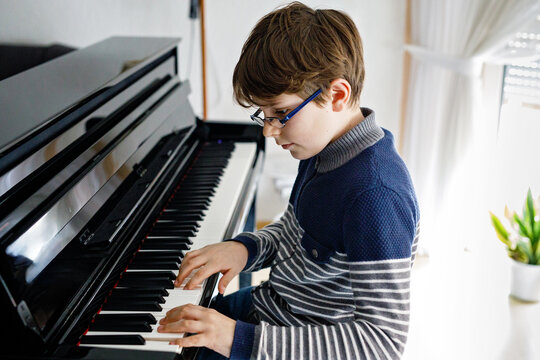
Learning music is one of the most rewarding hobbies a person can pursue, and piano lessons are among the most popular starting points for music education. The piano is a versatile instrument that fits into many musical styles, from classical compositions to modern pop melodies. Whether you are a beginner dreaming of playing your first song or an experienced player wanting to refine your technique, piano lessons can help you achieve your musical goals.
Many great composers and musicians have emphasized the importance of piano practice. For example, the works of Ludwig van Beethoven remain influential and are often learned by students taking advanced piano lessons. His music shows how piano playing can express deep emotions and technical brilliance at the same time.
Why Piano Lessons Are Important
Piano lessons are not only about learning notes and melodies. They help develop several cognitive and emotional skills. Learning piano improves hand-eye coordination, memory retention, and concentration. Children who take music lessons early often perform better in academic subjects because musical training stimulates brain development.
Another advantage of piano lessons is the improvement of discipline and patience. Mastering the piano requires regular practice and dedication. Beginners may find it challenging at first, but consistent learning gradually builds confidence and skill.
Modern education systems and music schools encourage students to participate in music programs because of these benefits. Many online platforms also offer beginner-friendly piano tutorials that allow learners to practice from home.
Types of Piano Lessons Available
Today, piano lessons are available in different formats depending on the learner’s needs.
1. Beginner Piano Lessons
Beginner piano lessons focus on basic knowledge such as keyboard layout, finger placement, and reading simple sheet music. Students usually start by learning scales, simple chords, and easy songs. These lessons are ideal for children and adults who have never played piano before.
Beginners often start with popular simple melodies before moving to classical or complex compositions. The goal is to build confidence and musical interest.
2. Intermediate Piano Lessons
Intermediate piano lessons are designed for learners who already understand basic playing techniques. At this stage, students learn more complex chords, rhythm patterns, and musical expression techniques.
Students may also begin learning songs from famous composers and modern musicians. Practice at this level becomes more structured, focusing on speed, accuracy, and musical interpretation.
3. Advanced Piano Lessons
Advanced piano lessons focus on professional-level performance skills. Students learn difficult compositions, improvisation techniques, and stage performance preparation.
At this level, musicians may study works inspired by classical masters such as Wolfgang Amadeus Mozart whose piano compositions are widely taught in advanced music training.
Advanced learners also focus on emotional expression through music, dynamics control, and technical mastery.
Online vs. Offline Piano Lessons
The rise of digital education has changed the way people learn music. Both online and offline piano lessons have their own advantages.
Online piano lessons are convenient and flexible. Students can learn anytime and anywhere using video tutorials and virtual classes. This is especially helpful for working professionals and students with busy schedules.
Offline piano lessons provide direct interaction with professional teachers. Physical classes allow instructors to correct hand positioning, posture, and playing mistakes immediately. Many beginners prefer offline classes because personal guidance helps them progress faster.
Choosing between online and offline piano lessons depends on personal learning style, budget, and time availability.
Benefits of Learning Piano
There are many reasons why people choose to learn piano.
First, piano playing is a great stress reliever. Music has therapeutic effects on the human mind. Playing favorite songs after a long day can improve mood and reduce anxiety.
Second, Beginning Piano Lessons Westlake Village CA enhance creativity. Once students understand basic music theory, they can start composing their own melodies. Creativity is an important skill not only in music but also in other life areas.
Third, learning piano can open career opportunities. Professional pianists can work as music teachers, performers, studio musicians, or composers.
Fourth, piano skills improve social confidence. Performing in front of an audience helps individuals overcome stage fear and develop communication skills.
How to Choose the Right Piano Lessons
Selecting the right piano lessons is important for successful learning.
Start by identifying your learning goal. If you want piano playing as a hobby, you may choose beginner-friendly classes. If you want to become a professional musician, you should look for advanced training programs.
Check the experience and qualifications of the teacher. Good instructors should have proper music education background and teaching experience.
Also consider the lesson cost and schedule flexibility. Some music schools offer package plans that are suitable for students with limited budgets.
Practice Tips for Piano Students
Regular practice is the key to mastering piano lessons. Experts recommend practicing at least 30 to 60 minutes daily for beginners.
Start practice sessions with finger exercises and scales. This helps warm up the muscles and improves playing speed.
Focus on playing slowly and accurately instead of trying to play fast immediately. Speed can be increased gradually as skills improve.
Listening to professional piano performances is also helpful. Studying famous musicians’ styles helps students understand musical expression better.
Many students admire classical music performances by artists influenced by composers like Frédéric Chopin, whose piano works are known for emotional depth and technical complexity.
Challenges in Learning Piano
Like any skill, learning piano also has challenges. Finger coordination can be difficult for beginners. Reading sheet music while playing may feel overwhelming at first.
Motivation is another challenge. Some students lose interest when progress seems slow. Setting small learning goals can help maintain enthusiasm.
Time management is also important, especially for working adults and school students.
Future of Piano Lessons
Technology is shaping the future of piano education. Artificial intelligence-based music learning platforms are becoming more popular. Virtual reality and interactive software may soon become part of piano training.
Online communities allow students to share performances and receive feedback from global audiences. This helps learners stay motivated and improve faster.
Music education will continue evolving, but the importance of fundamental piano training will remain unchanged.
Conclusion
Piano lessons are a valuable investment in personal growth, creativity, and emotional well-being. Whether learning for entertainment, education, or professional career development, piano playing offers lifelong benefits. With consistent practice, proper guidance, and dedication, anyone can master this beautiful instrument.
From classical masterpieces to modern musical styles, piano lessons open the door to endless musical possibilities. Starting piano learning today can be the first step toward discovering hidden musical talent and enjoying the art of music for years to come.