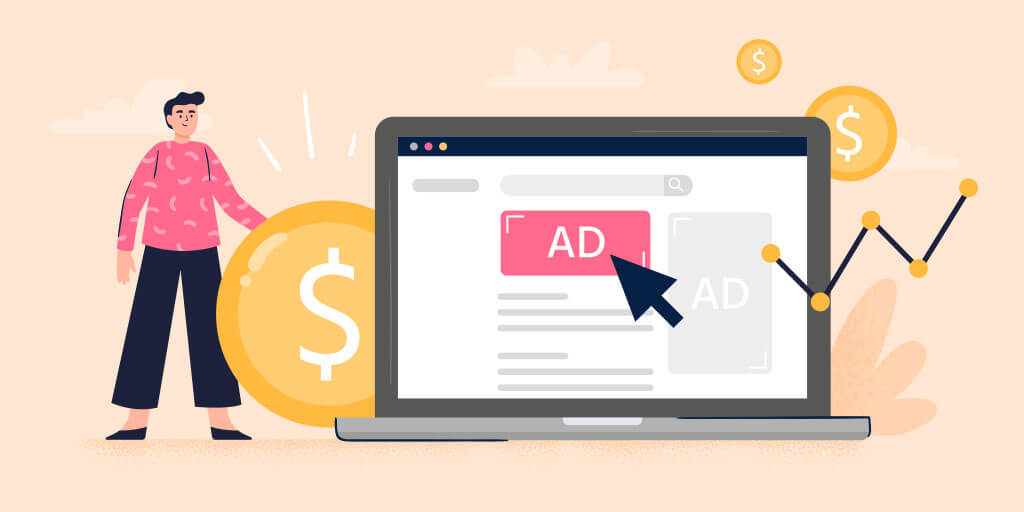
Programmatic Display Campaign Metrics That Matter Most

Different Types of Digital Ads and When to Use Them

Running a successful programmatic display campaign requires a deep understanding of the key metrics that determine performance and guide optimization efforts. While programmatic advertising offers incredible opportunities for targeting and scalability, it’s the insights from campaign metrics that truly unlock its full potential. By focusing on the right metrics, advertisers can maximize their return on investment (ROI) and achieve meaningful results.

Why Metrics Matter in Programmatic Display Campaigns

Metrics are the foundation of any programmatic display campaign, as they reveal how well an ad is performing and where improvements can be made. Without tracking the most important metrics, advertisers risk wasting budget on ineffective ads or targeting the wrong audience. Furthermore, metrics allow marketers to make data-driven decisions, ensuring that every penny spent works toward achieving campaign goals.

Programmatic display advertising leverages automation, algorithms, and real-time bidding to deliver highly targeted ads to the right audience at the right time. Metrics give insight into whether these sophisticated mechanisms are functioning as intended. With real-time data, campaigns can be adjusted to improve effectiveness, making metrics one of the most valuable aspects of programmatic display advertising.

Key Metrics to Track in Programmatic Display Campaigns

1. Click-Through Rate (CTR) 

CTR is one of the most basic yet vital metrics for any programmatic display campaign. It measures the percentage of people who click on an ad after seeing it. A higher CTR indicates that the ad resonates well with the audience, while a low CTR may suggest issues with the creative, call-to-action (CTA), or targeting strategy.

CTR = (Clicks / Impressions) × 100

While a high CTR is desirable, advertisers should also assess the quality of clicks to ensure that they lead to meaningful engagement or conversions.

2. Conversion Rate 

The ultimate goal for many programmatic display campaigns is to drive conversions. The conversion rate indicates how many users took the desired action, such as making a purchase, signing up for a newsletter, or completing a form. This metric is crucial for understanding whether the campaign is achieving its objectives.

To improve conversion rates, it’s important to ensure that landing pages are optimized, ads are relevant, and the audience is appropriately targeted.

3. Cost Per Click (CPC) 

CPC measures the amount spent for each click on your ad. It’s an essential metric for evaluating the efficiency of ad spend. A low CPC means that the campaign is generating traffic without a high cost, whereas an increasing CPC may signal issues with ad relevance or competition in the bidding ecosystem.

4. Impression Share 

Impression share indicates the percentage of total impressions your ad receives out of the total available impressions within your target audience. Monitoring this metric helps advertisers understand their visibility in the competitive programmatic display landscape.

Improving impression share often involves fine-tuning audience settings, bid strategies, and budgets to increase exposure.

5. Viewability Rate 

A key challenge in programmatic display is ensuring that ads are not only served but also seen by users. The viewability rate measures the percentage of impressions where at least 50% of the ad appears on the screen for at least one second. High viewability rates indicate that ads are being displayed in places where users are likely to notice them, which is critical for brand awareness campaigns.

6. Return on Ad Spend (ROAS) 

ROAS is a performance metric that measures the efficiency and profitability of your programmatic display campaign. It calculates how much revenue is generated for every dollar spent on ads.

ROAS = (Revenue Generated / Ad Spend) 

By focusing on campaigns with the highest ROAS, advertisers can allocate budgets more effectively and eliminate underperforming efforts.

7. Engagement Metrics 

Engagement goes beyond clicks and conversions to include actions like time spent on a landing page, shares, or additional interactions with the content. These metrics provide a holistic view of how users are interacting with your ads and whether the campaign is capturing audience interest.

8. Frequency 

Frequency measures how many times an individual is exposed to your ad. Striking the right balance in frequency is important in programmatic display campaigns. Too few impressions and your message might be missed; too many, and it risks turning into ad fatigue, negatively impacting brand perception.

Optimizing Programmatic Display Campaign Performance

Understanding and tracking key metrics is just the beginning. To ensure success, it’s also important to analyze these metrics in the context of campaign objectives and audience behavior. Below are some tips to optimize performance:

  1. Leverage A/B Testing: Experiment with different creatives, CTAs, and targeting strategies to identify what works best. 
  2. Refine Audience Segmentation: Use demographic, behavioral, and contextual data to target the most relevant audience. 
  3. Optimize Ad Placements: Focus on high-performing placements with better viewability rates to maximize ROI. 
  4. Monitor Campaign in Real Time: Take advantage of programmatic’s real-time capabilities to continually evaluate and optimize performance. 

Final Thoughts

Programmatic display campaigns offer unparalleled opportunities for reaching and engaging target audiences at scale. But without tracking the most crucial metrics, these campaigns are unlikely to achieve their full potential. By focusing on CTR, conversion rate, impression share, and other key metrics, advertisers can gain a deeper understanding of performance and direct efforts toward optimizations that drive tangible results. Equipped with real-time data and actionable insights, programmatic display campaigns are a powerful tool for achieving advertising success.

Leave a Reply

Your email address will not be published. Required fields are marked *

Related Post

User Experiences With Group Buy SEO ToolsUser Experiences With Group Buy SEO Tools

As you explore the world of group buy SEO tools, you’re likely drawn to the promise of affordable solutions that can catapult your website to the top of search engine rankings. You’ve heard the success stories, and you’re tempted to jump on the bandwagon. But before you do, it’s essential to consider the flip side. What about the users who’ve invested time and money, only to be left with mediocre results or worse, technical headaches? Their experiences serve as a reminder that the allure of cheap SEO tools can be misleading, and it’s crucial to separate fact from fiction before making a decision that could make or break your online presence.

The Allure of Affordable SEO

Over 80% of online experiences begin with a search engine, making search engine optimization (SEO) a crucial aspect of digital marketing.

You know you need it, but the cost can be daunting. That’s why affordable SEO tools are so appealing. You’re not alone in searching for ways to improve your online visibility without breaking the bank.

Many businesses and individuals are drawn to group buy SEO tools, promising a cheaper alternative to traditional SEO services.

You might be thinking, “Why pay for expensive SEO services when I can get similar results for a fraction of the cost?” It’s a tempting proposition, especially for those on a tight budget.

But before you jump on the affordable SEO Tools bandwagon, it’s essential to understand what you’re getting into. Are these tools really the solution to your SEO woes, or are they just a cheap fix that won’t deliver in the long run?

You need to weigh the pros and cons before making a decision that could impact your online success.

Real Users, Real Results, Real Issues

As you delve into the world of group buy SEO tools, you’re likely to come across numerous testimonials and success stories from users who claim to have achieved impressive results.

You’ll see screenshots of skyrocketing website traffic, boasts of top search engine rankings, and claims of increased conversions. But as you dig deeper, you’ll start to notice that these success stories often come with caveats.

Some users report experiencing technical issues, like tool downtime or poor customer support. Others mention feeling overwhelmed by the sheer number of tools and features, or struggling to integrate them into their existing workflow.

And then there are the users who are simply disappointed by the results they’re seeing, despite following the instructions and best practices to the letter. It’s essential to take these real-user experiences into account as you consider investing in group buy SEO tools.

Navigating the Group Buy Landscape

You’re not alone in feeling overwhelmed by the sheer number of group buy SEO tools available, each promising to revolutionize your online marketing strategy.

With new tools emerging daily, it’s challenging to determine which ones are worth your time and investment.

To navigate this landscape, start by identifying your specific needs and goals. What aspects of SEO do you want to improve? Do you need help with keyword research, backlink analysis, or technical optimization?

Once you have a clear understanding of your needs, research different group buy options. Read reviews, ask for referrals, and explore online communities to get a sense of each tool’s strengths and weaknesses.

Be cautious of exaggerated claims and focus on tools that offer transparent pricing, user-friendly interfaces, and reliable customer support.

It’s also essential to consider the tool’s scalability and flexibility, as your SEO needs may evolve over time.

The Dark Side of Group Buys

Shadows of uncertainty lurk beneath the surface of the group buy SEO tool landscape. You may have already encountered some of the pitfalls, or you may be lucky enough to have avoided them so far.

Either way, it’s essential to be aware of the dark side of group buys. You’re not just buying a tool; you’re buying into a community, and that community can be unpredictable.

Some group buys are plagued by poor support, unresponsive administrators, and toxic members. You might find yourself stuck in a Facebook group or forum where users are more interested in arguing than helping.

Worse still, you might become the victim of a scam. Fake group buys are on the rise, promising you the world and delivering nothing but empty promises.

You could lose your money, or even worse, compromise your website’s security by sharing sensitive information with fraudsters. When you join a group buy, you’re not just risking your money; you’re risking your online reputation and your business’s future.

It’s crucial to approach group buys with caution and do your due diligence before handing over your hard-earned cash.

Is It Worth the Risk?

The truth is, group buys often operate in a legal gray area.

When you join, you’re essentially buying access to pirated software. This raises serious ethical concerns, not to mention the potential legal repercussions.

What if the group buy gets shut down, and you’re left with nothing to show for your investment? Or worse, what if your website gets penalized or even banned due to the use of pirated tools?

You need to weigh the potential benefits against the potential risks.

Is saving a few bucks really worth jeopardizing your entire business? It’s crucial to consider the long-term implications and prioritize your reputation over short-term gains.

Conclusion

As you weigh the pros and cons of group buy SEO tools, remember that cheap doesn’t always mean better. While affordable, these tools can come with hidden costs – your time, sanity, and even your website’s reputation. Be cautious, do your research, and prioritize reputable providers. The promise of quick rankings and traffic might be tempting, but it’s not worth risking your online presence.

Questions to Ask Before Hiring an SEO AgencyQuestions to Ask Before Hiring an SEO Agency

As you consider partnering with an SEO agency, you’re likely wondering what sets them apart from the rest. What makes them the best fit for your business? To find out, you’ll need to ask the right questions. From understanding their approach to staying current with Google’s algorithm updates to evaluating their communication style, there are several key areas to explore. By doing your due diligence, you’ll be able to separate the pretenders from the pros and make an informed decision that drives real results for your business. But where do you even start?

Understanding the Agency’s Expertise

Before diving into an SEO partnership, it’s essential to assess the agency’s expertise.

You’re about to entrust them with your online presence, so you need to know they can deliver. What services do they offer? Are they specialized in a particular industry or niche? Do they’ve experience working with businesses like yours?

You’ll want to explore their portfolio, case studies, and testimonials to get a sense of their capabilities.

Ask about their team structure and who’ll be working on your account. Are they a team of generalists or do they’ve specialists for different aspects of SEO, like technical optimization or content creation?

What’s their approach to staying up-to-date with the latest Google algorithm updates and SEO best practices? You should also inquire about their communication style and how they’ll keep you informed about their progress.

Assessing Their SEO Strategy

You’ve got a sense of the agency’s expertise, now it’s time to get into the nitty-gritty of their SEO strategy.

Ask them to walk you through their approach, and pay attention to whether they focus on short-term gains or long-term sustainability. Do they prioritize keyword research, technical optimization, or content creation?

Are they up-to-date on the latest Google algorithm updates and best practices?

You want to ensure their strategy aligns with your business goals and target audience. Ask how they’ll tailor their approach to your specific industry, competitors, and customer needs.

Will they provide regular progress reports and analysis to adjust their strategy accordingly? Be wary of agencies that rely too heavily on automation or gimmicks – a solid SEO strategy requires human expertise and creativity.

Lastly, ask about their approach to link building, content promotion, and social media integration. A well-rounded SEO strategy should incorporate these elements to drive meaningful traffic and engagement to your site.

Reviewing Past Performance Metrics

Dive into the agency’s past performance metrics to gauge their ability to deliver results.

Ask to see case studies, reports, or testimonials that demonstrate their successes. What kind of traffic increases, conversion rates, or ranking improvements have they achieved for previous clients? Are these results relevant to your industry or niche?

Look for specific numbers and statistics that show the agency’s impact. You want to know if their strategies translate to real-world results. Did they increase organic traffic by 50% for a client in the same industry as you? Did they boost conversions by 20% for a similar business?

Be wary of agencies that can’t provide concrete data or try to hide behind vague promises. You need to see tangible evidence of their capabilities. Reviewing past performance metrics will give you a clear understanding of what the agency can do for you and help you make an informed decision about whether to hire them.

Evaluating Communication and Support

Also, evaluate the level of support they offer.

Do they’ve a comprehensive knowledge base or resource section that answers common SEO questions?

Will they provide training or guidance on how to reply to a bad google review best practices and how to optimize your website?

Consider their working hours and availability.

Are they available to answer questions or provide support outside regular business hours?

You want an agency that’s accessible, responsive, and supportive throughout your SEO journey.

Determining Pricing and Value

When discussing pricing, ask the agency to break down their costs and explain how they’ll allocate resources to achieve your goals.

You should also inquire about their billing structure, such as whether they charge by the hour, project, or retainer. By doing so, you’ll get a clear understanding of their pricing and value proposition, enabling you to make an informed decision.

Conclusion

You’ve got the questions, now it’s time to get the answers. By asking about an agency’s expertise, strategy, performance metrics, communication, and pricing, you’ll be well-equipped to make an informed decision. Don’t settle for anything less than a partner who can drive real results for your business. Remember, the right SEO agency can be a game-changer – so choose wisely.

Powerful Digital Beauty Marketing Tips for Beauty InfluencersPowerful Digital Beauty Marketing Tips for Beauty Influencers

In today’s highly competitive beauty industry, influencers are no longer just content creators—they are powerful brand builders, trendsetters, and trusted voices shaping consumer decisions. Whether you focus on skincare, makeup, haircare, or wellness, mastering digital beauty marketing is essential for growing your influence and turning followers into a loyal community. With the right strategies, beauty influencers can increase engagement, attract brand partnerships, and build long-term success across social platforms.

Below are some powerful digital beauty marketing tips designed specifically for beauty influencers who want to stand out and scale their online presence effectively.

1. Build a Strong and Consistent Personal Brand

Your personal brand is your identity in the digital beauty space. It is what makes you recognizable and memorable. Start by defining your niche clearly—whether it’s luxury skincare, affordable drugstore makeup, clean beauty, or bold creative looks. Consistency in your tone, aesthetic, and messaging helps your audience instantly recognize your content.

Use cohesive color palettes, similar editing styles, and a consistent voice across platforms like Instagram, TikTok, and YouTube. A strong brand identity builds trust and positions you as an authority in your niche.

2. Focus on High-Quality, Value-Driven Content

Content is the backbone of digital beauty marketing. Instead of only posting product promotions, focus on providing value. Tutorials, skincare routines, honest product reviews, transformation videos, and “before and after” results tend to perform very well.

High-quality visuals are essential in the beauty niche. Invest in good lighting, clear audio, and stable video production. Even smartphone content can perform exceptionally well if it is well-composed and engaging. Always aim to educate, entertain, or inspire your audience with every post.

3. Leverage Short-Form Video Platforms

Short-form video content has become one of the most powerful tools for beauty influencers. Platforms like TikTok, Instagram Reels, and YouTube Shorts allow you to reach a wider audience quickly through algorithm-driven discovery.

Create quick makeup tutorials, product demonstrations, skincare hacks, or “get ready with me” videos. Keep your videos engaging within the first 3 seconds to capture attention. Trending sounds, captions, and relatable storytelling can significantly boost your visibility.

4. Engage Actively With Your Audience

Engagement is more important than follower count. Beauty influencers who actively respond to comments, DMs, and questions build stronger relationships with their audience. Ask questions in your captions, create polls, and encourage discussions about skincare concerns or makeup preferences.

Going live on platforms like Instagram or TikTok also helps build real-time connection and trust. The more engaged your audience feels, the more likely they are to support your recommendations.

5. Collaborate With Brands Strategically

Brand collaborations are a major income source for beauty influencers. However, it is important to choose partnerships that align with your personal brand and audience interests. Promoting irrelevant products can damage credibility.

Before accepting collaborations, evaluate product quality, brand reputation, and audience relevance. Authenticity is key—your followers trust your opinion, so always promote products you genuinely believe in and use.

6. Use SEO and Hashtags Smartly

Search engine optimization (SEO) is not just for websites—it also applies to social media content. Use relevant keywords in your captions, video titles, and descriptions. For example, terms like “glowing skin routine,” “drugstore makeup tutorial,” or “hydrating skincare tips” can help your content appear in search results.

Hashtags also improve discoverability. Combine trending hashtags with niche-specific ones such as #BeautyInfluencer, #SkincareRoutine, or #MakeupTutorial. Avoid overloading posts; instead, focus on relevant and targeted hashtags.

7. Share Authentic Reviews and Experiences

Audiences today value honesty more than perfection. Sharing genuine experiences with products—including both positives and limitations—builds long-term trust. Instead of overly scripted promotions, talk naturally about how a product performs in real life.

You can also share personal skincare journeys or makeup struggles, which makes your content more relatable and human. Authentic storytelling is one of the strongest tools in digital beauty marketing.

8. Stay Updated With Trends and Innovations

The beauty industry evolves rapidly. New products, techniques, and trends emerge constantly. Successful influencers stay updated and adapt quickly. Follow beauty communities, track viral trends, and experiment with new formats.

However, don’t blindly follow every trend. Instead, adapt trends to fit your personal style and audience preferences. This balance helps maintain originality while staying relevant.

9. Analyze Performance and Improve Continuously

Tracking your analytics is crucial for growth. Monitor which posts perform best in terms of likes, shares, saves, and comments. Platforms like Instagram and TikTok provide insights that help you understand audience behavior.

Use this data to refine your strategy—post more of what works and adjust what doesn’t. Continuous improvement is key to long-term success in digital Beauty Promotional Marketing marketing.

Conclusion

Powerful digital beauty marketing is not just about posting content—it’s about building trust, delivering value, and creating meaningful connections with your audience. Beauty influencers who focus on authenticity, consistency, and strategic growth will always stand out in a crowded digital space. By app these tips, you can strengthen your influence, grow your community, and unlock more opportunities in the beauty industry.

GoHighLevel Features The All in One Toolkit Every Business NeedsGoHighLevel Features The All in One Toolkit Every Business Needs

If you’ve ever felt buried under a mountain of marketing tools—one for email, one for funnels, one for scheduling, another for CRM—you’re not alone. Many business owners and marketers juggle 5 to 10 different platforms daily, which eats up time and money. Enter GoHighLevel, the all-in-one platform that puts everything under one roof.

In this article, we’ll take a closer look at the top GoHighLevel features that make it such a game-changer for businesses and agencies. From automation magic to client management, here’s why GoHighLevel has become the favorite toolkit for thousands of entrepreneurs worldwide.

1. CRM & Pipeline Management

At its core, GoHighLevel gives you a powerful CRM (Customer Relationship Management system). Instead of scattered spreadsheets, you get a clean dashboard to track leads and customers.

  • Organize contacts with tags and custom fields.

  • Visual pipelines let you see exactly where each lead is in the sales process.

  • Automated updates ensure no lead slips through the cracks.

It feels like turning chaos into order, giving you full control of your customer journey.

2. Funnel & Landing Page Builder

Who doesn’t love a beautiful, high-converting landing page? GoHighLevel comes with a drag-and-drop funnel builder that rivals standalone tools like ClickFunnels.

  • Pick from ready-made templates or start from scratch.

  • Add forms, countdown timers, videos, and images with ease.

  • Connect funnels directly to campaigns and automations.

The best part? You don’t need coding or design experience. If you can drag and drop, you can build.

3. Marketing Automation Workflows

This is where GoHighLevel really shines. Its automation engine allows you to build workflows that do the heavy lifting for you.

Imagine this:

  • A lead signs up on your funnel.

  • They instantly get a thank-you email.

  • Two days later, an SMS reminder lands on their phone.

  • If they click a link, they’re moved to a “Hot Lead” list.

All of this happens automatically while you focus on strategy (or maybe sip that second cup of coffee).

4. Email & SMS Campaigns

Most platforms specialize in either email or SMS marketing. GoHighLevel gives you both.

  • Personalized email campaigns with drag-and-drop editing.

  • Text message follow-ups for instant engagement.

  • Two-way texting so leads can actually reply to you.

This multi-channel approach means you connect with customers the way they prefer.

5. Appointment Scheduling

Say goodbye to endless back-and-forth emails trying to book calls. GoHighLevel has a built-in calendar and booking system.

  • Share booking links with clients.

  • Sync with Google Calendar to avoid double bookings.

  • Send automatic reminders to reduce no-shows.

It’s a small feature with a big payoff—smooth scheduling makes you look professional and saves time.

6. Membership Sites & Courses

If you’re into online education, GoHighLevel lets you create membership portals. You can:

  • Host and sell online courses.

  • Gate content behind login access.

  • Offer free or paid memberships.

It’s like having your own mini-LMS (Learning Management System) inside the platform.

7. Reputation Management

In today’s digital world, reviews can make or break a business. GoHighLevel helps you collect and manage reviews effortlessly.

  • Send automated review requests after a service.

  • Direct happy customers to leave positive feedback on Google or Facebook.

  • Catch unhappy customers privately before bad reviews go public.

This feature alone can boost your credibility and attract more clients.

8. Reporting & Analytics

All your marketing efforts mean nothing if you can’t measure results. GoHighLevel provides in-depth analytics to track:

  • Email open and click rates.

  • SMS responses.

  • Funnel conversion rates.

  • Revenue tracking and ROI.

You’ll know exactly what’s working—and what needs a little tweaking.

Why These Features Matter

Individually, these features are impressive. But when combined into a single platform, they’re revolutionary. Instead of paying for 5–7 tools separately, you get:

Simplicity – one login, one dashboard.
Cost savings – no need for multiple subscriptions.
Efficiency – automation keeps your business running 24/7.

Final Thoughts

GoHighLevel isn’t just a collection of features—it’s a complete business growth ecosystem. From capturing leads to nurturing them, booking appointments, collecting payments, and even managing reputation, it does it all.

If you’ve been struggling with tool overload, GoHighLevel is the smarter way forward. Its features aren’t just about saving money—they’re about giving you time, control, and clarity.

So whether you’re an agency owner, a small business, or a solo entrepreneur, GoHighLevel has the tools you need to scale with confidence. The question isn’t if you should try it, but how soon.

Free URL Shortener: Simplify, Track, and Optimize Your Links EffortlesslyFree URL Shortener: Simplify, Track, and Optimize Your Links Effortlessly

In today’s fast-paced digital world, long and messy links are more than just an eyesore. They reduce click-through rates, look unprofessional, and are harder to share across platforms like social media, emails, SMS, and marketing campaigns. This is where a Free URL Shortener becomes an essential tool for marketers, creators, businesses, and everyday internet users.

A URL shortener helps transform long, complex links into clean, short, and easy-to-remember URLs. But modern URL shorteners do far more than just shorten links. They offer tracking, analytics, branding, and performance insights that can significantly improve your online results.

In this guide, we’ll explore what a free URL shortener is, why it matters, how it works, key features to look for, and how it can benefit different users — from bloggers to large businesses.


What Is a Free URL Shortener?

A free URL shortener is an online tool that converts a long web address into a shorter, more manageable version. When someone clicks the shortened link, they are instantly redirected to the original destination URL.

For example, instead of sharing a long link filled with tracking parameters, numbers, and symbols, you can share a short and clean link that looks professional and is easier to trust.

Shortened links are especially useful for:

  • Social media posts with character limits
  • Email marketing campaigns
  • SMS and WhatsApp sharing
  • Print materials like flyers, posters, and business cards
  • Affiliate and tracking links

The best part? Many modern tools allow you to shorten links for free while also providing valuable performance insights.


Why Using a URL Shortener Is Important

1. Improved Click-Through Rates

Short links look cleaner and more trustworthy. Users are far more likely to click a neat link than a long, suspicious-looking one. This alone can significantly improve engagement.

2. Easier Sharing Across Platforms

Platforms like Twitter, LinkedIn, Instagram bios, and messaging apps favor short links. A URL shortener ensures your link fits perfectly without breaking formatting or readability.

3. Better Branding

Custom short links help reinforce brand identity. Instead of random characters, users recognize your links instantly, building trust and consistency.

4. Advanced Tracking and Analytics

Modern URL shorteners don’t just shorten links — they track them. You can see how many clicks your link gets, where users are coming from, what devices they use, and more.

5. Simplified Link Management

Instead of managing dozens of long URLs, you can organize, edit, and monitor all your links from one dashboard.


How a Free URL Shortener Works

The process behind a URL shortener is simple yet powerful:

  1. You paste your long URL into the shortener tool
  2. The tool generates a unique short link
  3. When someone clicks the short link, they’re redirected to the original URL
  4. Behind the scenes, the system tracks data such as clicks, location, and time

All of this happens in milliseconds, providing a seamless experience for users.


Key Features to Look for in a Free URL Shortener

Not all URL shorteners are created equal. Here are the most important features you should look for:

1. Unlimited or Generous Free Usage

A good free URL shortener should allow you to create multiple links without aggressive restrictions.

2. Click Tracking and Analytics

At minimum, you should be able to track total clicks. Advanced tools offer geographic data, device types, referrers, and time-based analytics.

3. Fast and Reliable Redirection

Speed matters. Slow redirects hurt user experience and SEO.

4. User-Friendly Interface

A clean, simple dashboard makes link creation and management effortless, even for beginners.

5. Secure and Spam-Free Links

Your links should be protected from abuse, malware, and spam flags to maintain trust.


Who Should Use a Free URL Shortener?

Digital Marketers

Track campaign performance across ads, emails, and social media platforms with ease.

Bloggers and Content Creators

Share clean links in posts, bios, and videos while monitoring audience engagement.

Affiliate Marketers

Shorten long affiliate links and track which platforms generate the most clicks.

Small Businesses

Create professional-looking links for promotions, landing pages, and customer communications.

Social Media Managers

Optimize link sharing across multiple platforms while tracking performance in one place.

Everyday Users

Even casual users benefit from shorter links when sharing resources with friends or colleagues.


SEO Benefits of Using Shortened URLs

While shortened links themselves don’t directly boost rankings, they play an important indirect role in SEO:

  • Higher click-through rates improve engagement signals
  • Cleaner links are more likely to be shared
  • Better tracking helps optimize campaigns and content
  • Consistent link usage strengthens brand recognition

When used correctly, URL shorteners become a valuable part of a broader SEO and marketing strategy.


Common Use Cases for URL Shorteners

  • Sharing product links on social media
  • Tracking newsletter clicks
  • Managing influencer campaign URLs
  • Shortening links for QR codes
  • Monitoring paid ad performance
  • Simplifying links for offline marketing

No matter the use case, a reliable URL shortener saves time and improves results.


Choosing the Right Free URL Shortener

When selecting a tool, prioritize reliability, ease of use, analytics, and security. Many tools claim to be free but limit features or add intrusive ads.

One excellent option worth considering is Free URL Shortener, which offers a clean interface, fast link generation, and useful tracking features — making it suitable for beginners and professionals alike.


Final Thoughts

A free URL shortener is no longer just a convenience — it’s a necessity in modern digital communication. From improving click-through rates to providing valuable insights into user behavior, shortened links help you work smarter and more efficiently.

Whether you’re running marketing campaigns, sharing content online, or simply want cleaner links, choosing the right URL shortener can make a noticeable difference in your results. By using a reliable, secure, and analytics-driven solution, you gain better control over your links and the performance behind them.

In a digital landscape where every click matters, simplifying and optimizing your URLs is a small step that delivers powerful benefits.