Day: August 4, 2025

Mastering the Art of Plastering Techniques and Tools for ProfessionalsMastering the Art of Plastering Techniques and Tools for Professionals
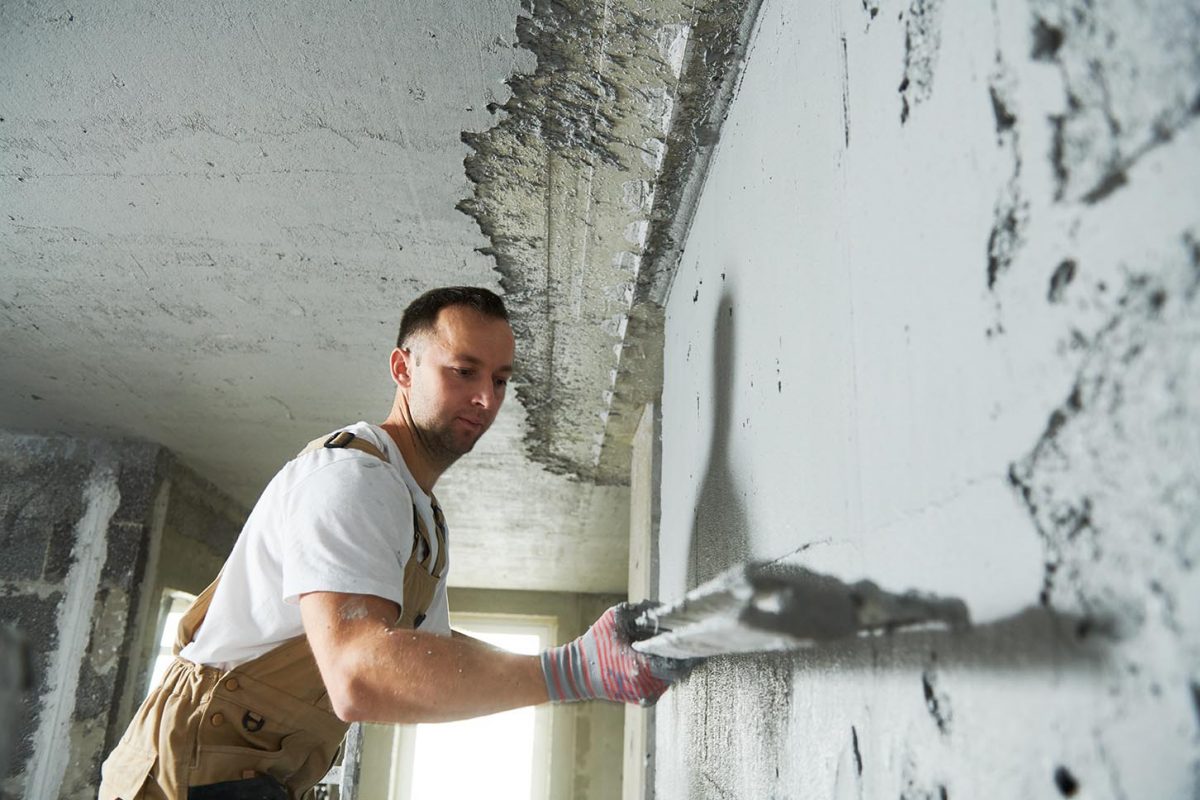
Plastering is far more than just smearing wet compound on walls—it’s a craft. Done well, it transforms rough surfaces into smooth, elegant finishes that elevate any space. From centuries-old cathedrals to modern interiors, plastering has played a crucial role in both aesthetics and structure. But to master this trade, a professional plasterer must go beyond the basics. Precision, patience, the right techniques, and quality tools all combine to create flawless walls and ceilings that stand the test of time.

Whether you’re an experienced tradesperson or a passionate DIYer looking to refine your skills, here’s what it takes to truly master the art of plastering.

Understanding the Craft

Before diving into techniques and tools, it’s essential to understand what makes plastering such a refined skill. Plaster is used to coat walls and ceilings to create a smooth or textured surface. It also acts as a protective barrier, enhancing durability and fire resistance.

There are different types of plaster—gypsum, lime, cement, and clay-based—each with its own use, finish, and drying time. Choosing the right one depends on the surface, the environment, and the desired aesthetic.

Essential Tools for Professional Plastering

Success in plastering often begins with having the right gear. Here’s a rundown of must-have tools every professional should own:

  • Trowel: Arguably the most vital tool. A high-quality stainless steel trowel is key for a smooth finish and better control over the plaster.

  • Hawk: This handheld platform helps hold your plaster while applying it to the wall, giving you better reach and less strain.

  • Float: Used to even out and polish the plaster after it’s applied. Different finishes may require a sponge float or a plastic one.

  • Mixing drill and paddle: Plaster needs to be mixed to a specific consistency. A good drill with a paddle attachment makes this process faster and more consistent.

  • Spirit level and straight edge: For checking flatness and making sure your surfaces are truly even.

  • Jointing knife and corner trowel: These tools help you get sharp edges and finish difficult corners neatly.

Key Techniques for a Flawless Finish

Just like a painter needs to understand brush strokes, a plasterer must master each stage of the process. Here’s how professionals get it right:

1. Surface Preparation

No matter how skilled you are, plaster won’t adhere to a poorly prepared surface. Always clean the wall of dust, debris, and grease. Applying a bonding agent or a primer ensures better adhesion, especially on smooth or painted surfaces.

2. Mixing the Plaster

This step is crucial. A too-thin mix won’t hold; too thick and it will be hard to spread. Aim for a creamy, lump-free consistency—think thick yogurt. Always add plaster to water (not the other way around) to reduce clumping.

3. Applying the First Coat (Scratch Coat)

Load your hawk and trowel, then apply the plaster in upward sweeps, starting at the bottom. Work quickly but don’t rush—speed comes with experience. Keep the layers thin and even, around 2mm–3mm thick.

4. The Second Coat (Finishing Coat)

Once the scratch coat firms up slightly (but isn’t fully dry), apply the second coat. Use longer, smoother strokes to level the surface and fill in imperfections. This is where finesse matters most.

5. Skimming and Polishing

As the plaster begins to set (usually within 10–20 minutes), go back and “trowel it up.” Use clean water and a damp sponge to help smooth out any lines. Light pressure and a steady hand will give you that glass-like finish professionals are known for.

Tips from the Pros

  • Timing is everything. plasterer Melbourne has a narrow working window. Knowing when to trowel, when to wait, and when to polish makes all the difference.

  • Keep your tools clean. Even small bits of dry plaster can ruin a finish. Always clean your tools between stages.

  • Practice makes perfect. Try working on small practice boards before tackling a full wall.

Conclusion: From Tradesperson to Artist

Plastering is more than a trade—it’s a form of artistry. Like any craft, mastering it takes time, the right tools, and a commitment to learning. But the payoff is worth it: sleek, durable surfaces that speak volumes about your workmanship.

Whether you’re reviving an old Victorian home or adding the finishing touch to a modern loft, mastering the art of plastering turns your hands into tools of transformation.

Emergency Roof Repairs What to Do When Disaster StrikesEmergency Roof Repairs What to Do When Disaster Strikes

Disasters don’t wait for a convenient time—and neither do roof problems. One minute you’re enjoying a quiet evening, and the next you’re hearing water drip into your living room or watching shingles fly off in the wind. It’s stressful, it’s messy, and it always seems to happen at the worst possible moment.

But when your roof suddenly fails, every minute counts. Don’t panic. Here’s what you need to do immediately when disaster strikes—and how to stay safe and minimize damage until help arrives.

1. Stay Calm and Stay Safe

Before anything else, remember: your safety is more important than your roof. If a storm is still raging or there’s electrical danger (like exposed wires or ceiling water near light fixtures), stay away from affected areas and don’t attempt to fix anything yourself.

If there’s a serious structural issue—like part of the roof caving in or heavy debris falling—evacuate the house and call emergency services. The roof can be fixed. Your health and safety are irreplaceable.

2. Stop the Water (If You Can)

If water is leaking inside your home, try to contain it to prevent further interior damage. Here’s how:

  • Place buckets, towels, or pots under the leak.

  • Use plastic sheeting, trash bags, or a tarp to cover large furniture or electronics.

  • If water is pooling in the ceiling, poke a small hole in the drywall to release the pressure slowly—this can prevent an all-out ceiling collapse.

3. Do a Quick Visual Inspection (Safely)

Once the weather clears and it’s safe, do a visual inspection from the ground. Look for:

  • Missing or damaged shingles

  • Dents, holes, or tears in the roof

  • Fallen branches or debris

  • Damaged gutters, vents, or flashing

Do not climb onto the roof repairs canberra act yourself unless you’re experienced and it’s 100% safe. Wet or storm-damaged roofs can be extremely slippery and unstable.

4. Call a Professional Roofer—Fast

Emergency roof issues require immediate attention. Call a licensed roofing contractor and explain the situation. Many companies offer 24/7 emergency services, especially after storms.

When calling:

  • Be clear about the damage you’ve seen.

  • Ask if they can do a temporary repair if a full fix isn’t possible right away.

  • Get on their emergency list if they’re backed up (many reputable companies get booked quickly after storms).

Pro tip: Take photos of the damage to document everything for insurance purposes.

5. Use a Tarp as a Temporary Fix

If you’re handy and it’s safe to access the roof, you can apply a roof tarp to cover exposed areas until professional help arrives. Here’s how:

  • Use a thick waterproof tarp.

  • Stretch it over the damaged area, extending several feet beyond the issue.

  • Secure it tightly with nails, wood strips, or heavy bricks (avoid open flame tools or torches).

This isn’t a permanent fix, but it can help keep out water and reduce interior damage for the time being.

6. Contact Your Insurance Provider

Don’t forget to notify your homeowners insurance company as soon as possible. Most policies cover sudden and accidental damage from events like:

  • Storms

  • Hail

  • Wind

  • Falling trees or debris

Your insurance may cover emergency repairs, cleanup, and even hotel costs if the home is uninhabitable. Be ready to provide:

  • Photos of the damage

  • A copy of the contractor’s estimate

  • Any temporary repair receipts

7. Keep an Eye on the Weather

After an emergency repair, your roof is likely vulnerable until a full restoration can be done. Monitor upcoming weather closely, and if more rain or wind is on the way, double-check that temporary coverings are secure.

8. Plan for a Full Repair (or Replacement)

Emergency patches are a short-term solution. Once the initial danger has passed, get a full inspection and estimate for permanent repair or roof replacement. Use this opportunity to:

  • Upgrade materials if needed

  • Check for hidden water damage

  • Ask about future prevention (like reinforced shingles or better drainage)

Final Thoughts: Preparedness is Power

Nobody wants to deal with a roof emergency—but being prepared and proactive can make all the difference. Keep a list of emergency contacts, know your insurance details, and have a tarp or heavy-duty plastic on hand just in case.

Because when disaster strikes, it’s not just about the roof over your head—it’s about protecting the life under it.