
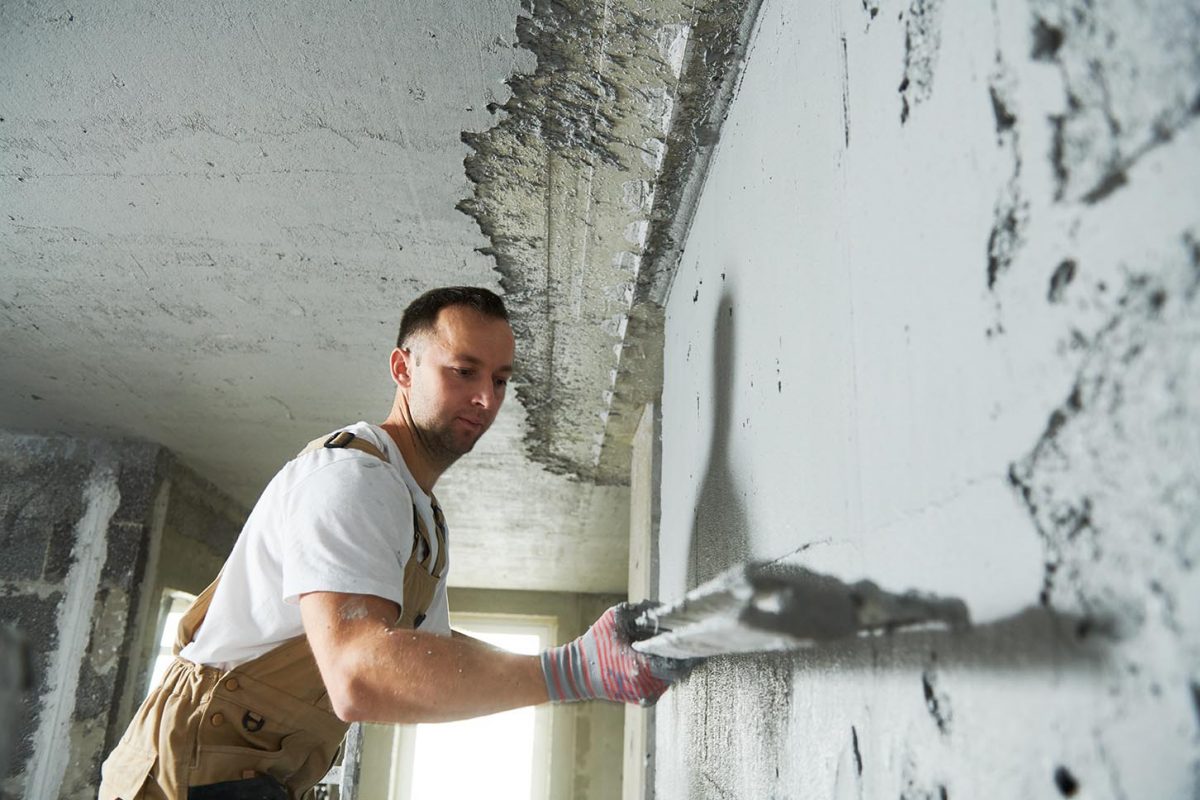
Plastering is far more than just smearing wet compound on walls—it’s a craft. Done well, it transforms rough surfaces into smooth, elegant finishes that elevate any space. From centuries-old cathedrals to modern interiors, plastering has played a crucial role in both aesthetics and structure. But to master this trade, a professional plasterer must go beyond the basics. Precision, patience, the right techniques, and quality tools all combine to create flawless walls and ceilings that stand the test of time.
Whether you’re an experienced tradesperson or a passionate DIYer looking to refine your skills, here’s what it takes to truly master the art of plastering.
Understanding the Craft
Before diving into techniques and tools, it’s essential to understand what makes plastering such a refined skill. Plaster is used to coat walls and ceilings to create a smooth or textured surface. It also acts as a protective barrier, enhancing durability and fire resistance.
There are different types of plaster—gypsum, lime, cement, and clay-based—each with its own use, finish, and drying time. Choosing the right one depends on the surface, the environment, and the desired aesthetic.
Essential Tools for Professional Plastering
Success in plastering often begins with having the right gear. Here’s a rundown of must-have tools every professional should own:
-
Trowel: Arguably the most vital tool. A high-quality stainless steel trowel is key for a smooth finish and better control over the plaster.
-
Hawk: This handheld platform helps hold your plaster while applying it to the wall, giving you better reach and less strain.
-
Float: Used to even out and polish the plaster after it’s applied. Different finishes may require a sponge float or a plastic one.
-
Mixing drill and paddle: Plaster needs to be mixed to a specific consistency. A good drill with a paddle attachment makes this process faster and more consistent.
-
Spirit level and straight edge: For checking flatness and making sure your surfaces are truly even.
-
Jointing knife and corner trowel: These tools help you get sharp edges and finish difficult corners neatly.
Key Techniques for a Flawless Finish
Just like a painter needs to understand brush strokes, a plasterer must master each stage of the process. Here’s how professionals get it right:
1. Surface Preparation
No matter how skilled you are, plaster won’t adhere to a poorly prepared surface. Always clean the wall of dust, debris, and grease. Applying a bonding agent or a primer ensures better adhesion, especially on smooth or painted surfaces.
2. Mixing the Plaster
This step is crucial. A too-thin mix won’t hold; too thick and it will be hard to spread. Aim for a creamy, lump-free consistency—think thick yogurt. Always add plaster to water (not the other way around) to reduce clumping.
3. Applying the First Coat (Scratch Coat)
Load your hawk and trowel, then apply the plaster in upward sweeps, starting at the bottom. Work quickly but don’t rush—speed comes with experience. Keep the layers thin and even, around 2mm–3mm thick.
4. The Second Coat (Finishing Coat)
Once the scratch coat firms up slightly (but isn’t fully dry), apply the second coat. Use longer, smoother strokes to level the surface and fill in imperfections. This is where finesse matters most.
5. Skimming and Polishing
As the plaster begins to set (usually within 10–20 minutes), go back and “trowel it up.” Use clean water and a damp sponge to help smooth out any lines. Light pressure and a steady hand will give you that glass-like finish professionals are known for.
Tips from the Pros
-
Timing is everything. plasterer Melbourne has a narrow working window. Knowing when to trowel, when to wait, and when to polish makes all the difference.
-
Keep your tools clean. Even small bits of dry plaster can ruin a finish. Always clean your tools between stages.
-
Practice makes perfect. Try working on small practice boards before tackling a full wall.
Conclusion: From Tradesperson to Artist
Plastering is more than a trade—it’s a form of artistry. Like any craft, mastering it takes time, the right tools, and a commitment to learning. But the payoff is worth it: sleek, durable surfaces that speak volumes about your workmanship.
Whether you’re reviving an old Victorian home or adding the finishing touch to a modern loft, mastering the art of plastering turns your hands into tools of transformation.