The Role of a Therapy Institute in Advancing Personalized Care

In today’s rapidly evolving healthcare landscape, the concept of personalized care is taking center stage. Gone are the days of one-size-fits-all treatments; now, the focus is on creating individualized care plans that address the unique needs of each patient. A therapy institute plays a crucial role in advancing this model of personalized care, particularly in the fields of physical therapy, occupational therapy, speech therapy, and more. By offering tailored services designed around the specific needs of individuals, therapy institutes help improve patient outcomes, enhance overall well-being, and promote long-term health.

What is Personalized Care in Therapy?

Personalized care refers to an approach that takes into account the distinct needs, preferences, and circumstances of each patient when designing a treatment plan. This method goes beyond treating symptoms in isolation and focuses on understanding the patient as a whole person—body, mind, and spirit.

In therapy, personalized care involves carefully assessing a patient’s condition, lifestyle, goals, and challenges, and then crafting a plan that is specifically suited to their needs. This could mean adjusting treatments based on a person’s age, medical history, physical condition, or even personal goals, ensuring that they receive the most effective and compassionate care possible.

The Growing Importance of Therapy Institutes in Personalized Care

Therapy institutes are at the forefront of this transformative shift toward personalized care. These institutions are built around the idea that each patient is unique and that their therapy experience should reflect that uniqueness. Whether in physical therapy, occupational therapy, or speech therapy, therapy institutes create specialized programs that go beyond standardized care protocols.

1. Comprehensive Evaluation and Assessment

One of the first and most important roles that a therapy institute plays in personalized care is conducting thorough assessments. A comprehensive evaluation is critical to understanding the patient’s needs, challenges, and goals. This step allows the therapist to gather important information about the patient’s condition, including their medical history, lifestyle factors, and personal preferences.

At this stage, the therapy institute’s team—comprising specialists such as physical therapists, speech therapists, and occupational therapists—work collaboratively to ensure that all aspects of the patient’s health are taken into account. The result is a tailored treatment plan that addresses the root cause of the issue, rather than merely focusing on symptom relief.

2. Individualized Treatment Plans

After the initial assessment, The Voz Institute in Washington DC institutes design individualized treatment plans that cater to the specific needs and objectives of each patient. These plans are dynamic and can evolve as the patient progresses through their therapy journey. Whether the patient is recovering from an injury, managing a chronic condition, or seeking to improve functional abilities, a therapy institute tailors the approach to align with the person’s unique goals.

For example, in a physical therapy setting, treatment plans may involve specific exercises, stretches, or modalities designed to improve mobility, strengthen muscles, or enhance coordination. An occupational therapy plan might focus on activities of daily living (ADLs), such as dressing, cooking, or bathing, with adaptations made to ensure the patient’s independence.

This level of personalization allows patients to see better, more meaningful results. They aren’t just following generic exercises—they are following a path designed for their recovery or improvement.

3. Collaborative Care Models

One of the most powerful aspects of a therapy institute is its ability to bring together a team of experts to provide collaborative care. In personalized care, a multidisciplinary team of therapists, doctors, and specialists work in tandem to ensure the patient receives the best possible treatment.

In many cases, therapy institutes facilitate communication between different healthcare providers, ensuring that all aspects of a patient’s health are considered. For example, a patient recovering from a stroke may work with a physical therapist for mobility exercises, an occupational therapist for daily living skills, and a speech therapist for language and communication support. This holistic approach enhances the patient’s overall progress and provides a more well-rounded path to recovery.

4. Continuous Monitoring and Adaptation

Personalized care is not static; it is a dynamic, evolving process. Therapy institutes play a key role in monitoring the patient’s progress and making necessary adjustments to the treatment plan. Regular assessments help therapists gauge how well the patient is responding to therapy and whether any modifications need to be made.

For instance, if a patient is making great progress with their mobility exercises but struggling with pain management, the therapist may incorporate alternative treatments such as heat therapy, stretching, or joint mobilizations. Continuous adaptation ensures that patients are always receiving the most effective treatment at every stage of their recovery or rehabilitation.

5. Patient Education and Empowerment

A critical element of personalized care is patient education. Therapy institutes not only focus on hands-on treatments but also empower patients to take an active role in their recovery. Educating patients about their condition, the goals of their treatment, and how they can manage their symptoms at home fosters a sense of control and responsibility.

For example, a physical therapist might teach a patient exercises they can do on their own to complement in-clinic therapy. Similarly, an occupational therapist may guide a patient through adaptive techniques for daily activities, encouraging them to continue improving outside of therapy sessions. By educating patients, therapy institutes help create a more sustainable approach to recovery, one that extends beyond the walls of the clinic.

6. Fostering a Compassionate Environment

Personalized care goes hand-in-hand with compassionate care. Therapy institutes create an environment where patients feel supported, heard, and valued. The personal relationship that therapists build with patients is crucial to the healing process, as it fosters trust and a sense of safety. When patients feel comfortable and understood, they are more likely to be engaged in their therapy and motivated to achieve their goals.

At therapy institutes, therapists are not just seen as clinicians—they are seen as partners in the patient’s healing journey. This compassionate approach encourages a sense of community and belonging, making the recovery process more meaningful and less intimidating.

Conclusion: Shaping the Future of Healthcare

The role of a therapy institute in advancing personalized care is indispensable. By providing comprehensive assessments, individualized treatment plans, and collaborative, compassionate care, these institutions are at the forefront of improving health outcomes and patient satisfaction. Personalized care allows patients to experience treatments that are uniquely suited to their needs, which in turn leads to faster recovery, better long-term results, and a more fulfilling life.

As healthcare continues to evolve, therapy institutes will remain a cornerstone of the movement toward more personalized, patient-centered care. With their holistic approach to healing, therapy institutes are not only improving physical health—they are empowering patients to take control of their well-being and live their best lives.

Leave a Reply

Your email address will not be published. Required fields are marked *

Related Post

How Buddhism Massage Helps Couples On A Deeper RaseHow Buddhism Massage Helps Couples On A Deeper Rase

When it comes to your connection with your spouse, have you ever well-advised how Tantrik knead could be the key to unlocking a new raze of intimacy? The world power of touch goes beyond the physical, offering a gateway to emotional and spiritual bonding that can transform your family relationship in ways you might not expect. By exploring the world of Tantric massage together, you may find yourselves on a journey towards a deeper sympathy of each other and a more deep feel of stuffiness.

The Power of Sensory Awareness

When it comes to experiencing a Buddhism massage as a pair, one of the key that sets it apart is the power of sensory awareness. During a Tantrik https://www.ame-spa.com/ , your senses are heightened, allowing you to profoundly with your better hal on a physical and feeling rase.

As the skilled manpower of the masseuse glide over your skin, you become sharply witting of every touch down, every sentience, and every hint. Your feel of touch becomes more ague, sanctioning you to feel the vim flow between you and your married person.

Through sensorial awareness, you can pass without dustup, sympathy each other’s desires and needs intuitively. The world power of touch can transmit love, rely, and closeness in ways that words often cannot.

Building Trust Through Shared Vulnerability

As you explore the conception of building swear through shared vulnerability in your family relationship, you’ll start to sympathise the profound touch it can have on your feeling intimacy.

By opening up and being weak with your partner during a Tantric rub down, you make a safe space for satin flower and to flourish.

This divided vulnerability can tone up the bonds between you and your partner, fostering a deeper feel of trust and stuffiness in your relationship.

Trust in Vulnerability

Building swear through distributed exposure is a fundamental frequency prospect of fostering deeper connections in Tantrik knead for couples. Trust in exposure allows partners to open up emotionally, creating a safe space for and closeness. When both individuals feel secure enough to show their vulnerabilities, it strengthens the bond between them, leading to a more unplumbed . This divided up exposure cultivates an where partners can truly be themselves without fear of sagacity, building a creation of bank that is necessity for the increase of the family relationship.

Benefits of Trust in VulnerabilityEncourages emotional opennessStrengthens communicationEnhances intimacyFosters bilateral understandingPromotes empathyDeepens connectionBuilds a safe and adjuvant spaceEncourages personal growthStrengthens bond

Emotional Intimacy Development

To intensify feeling closeness in your kinship through divided vulnerability, it’s crucial to make a quad where both partners feel safe to utter their true selves without reservation. This raze of openness fosters bank and strengthens the bond between you and your partner. Here are five key ways to educate feeling intimacy through distributed exposure:

  • Active Listening: Truly listen to your mate without judgment, allowing them to give tongue to their thoughts and feelings openly.
  • Mutual Respect: Show respect for each other’s emotions and experiences, even if you mightn’t full empathise them.
  • Honest Communication: Communicate openly and honestly about your feelings, fears, and desires to establish a deeper .
  • Empathy: Put yourself in your mate’s shoes to understand their position and feelings, fostering a feel of closeness.
  • Shared Experiences: Create moments of vulnerability together, such as share-out personal stories or fears, to intensify your feeling .

Strengthening Relationship Bonds

Strengthening the bonds in your family relationship through divided exposure is a right way to build swear and intensify your with your partner. When you allow yourself to be weak with your better hal, you make a safe space for money plant, openness, and feeling intimacy to flourish. Sharing your fears, insecurities, and inner thoughts can be scary, but it also shows your spouse that you swear them enough to let them see the real you.

By being vulnerable together, you both demo that you’re willing to be trusty and transparent in the relationship. This distributed exposure fosters a sense of reciprocal sympathy and empathy, leading to a stronger bond based on toleration and subscribe. It allows you to see each other’s weaknesses and imperfections without sagaciousness, nurturing a deeper level of connection that’s stacked on unfeigned toleration and love.

Embracing exposure in your relationship opens the door to deeper communication, raised closeness, and a stronger sense of oneness. It creates a founding of swear that allows you to endure challenges together and grow as a couple.

Enhancing Intimacy and Emotional Connection

As you explore Tantrik massage for couples, consider the deep feeling bonding that can be achieved through touch down.

This rehearse offers a heightened closeness go through, allowing you to with your better hal on a deeper take down.

Through Tantrik massage, you have the opportunity to research and strengthen your feeling connection in a unique and meaning way.

Emotional Bonding Through Touch

Through the superpowe of touch down, couples can intensify their emotional bond and heighten familiarity in their family relationship. Touch is a right tool that allows you to with your mate on a unplumbed level, fostering emotional stuffiness and understanding. Here are five ways in which feeling soldering through touch down can strengthen your relationship:

  • Enhanced Communication: Touch can convey emotions and messages that row sometimes fail to give tongue to, creating a deeper sympathy between you and your partner.
  • Increased Trust: The act of touching releases oxytocin, known as the”love internal secretion,” which helps establish rely and tone up the bond between you and your spouse.
  • Heightened Sensitivity: Through touch, you become more adjusted to your married person’s needs and desires, enhancing empathy and emotional connection.
  • Stress Relief: Physical touch has been shown to tighten strain levels and advance repose, creating a safe and consolatory for feeling familiarity.
  • Shared Moments of Joy: Simple acts of touch down, such as retention men or hugging, can make moments of joy and that tone your feeling bond.

Heightened Intimacy Experience

Having explored the significance of emotional soldering through touch down in strengthening your kinship, let’s now transfer our focus on to the heightened closeness undergo.

During a Tantric massage sitting, the deep between you and your married person is further enhanced as you both engage in a shared out journey of physical and feeling familiarity. Through the major power of touch and conscious front, tantric rub down allows you to let go of inhibitions and full immerse yourselves in the submit second.

As you and your spouse see the conciliate yet deep sensations of tantric knead, a feel of vulnerability and bank deepens, fostering a stronger feeling .

The heightened awareness of each other’s desires and boundaries creates a safe space for open and reciprocating understanding. This shared exploration of intimacy can lead to a deeper rase of , where you both feel seen, detected, and precious in a way that transcends the physical realm.

In this intimate setting, you and your better hal have the opportunity to give tongue to love and philia in a unfathomed and meaningful way, strengthening the bond between you both. Through tantric rub down, you can educate a heightened feel of closeness that enriches your kinship and brings you together.

Deeper Connection Exploration

To deepen your feeling bond through Buddhism massage, search the avenue of”Deeper Connection Exploration.” By attractive in this rehearse with your partner, you can heighten intimacy and emotional on a deep rase.

Through”Deeper Connection Exploration,” you can:

  • Practice evocative communication: Take the time to truly listen and sympathize your partner’s thoughts and feelings.
  • Share vulnerabilities: Open up about your fears, desires, and insecurities to foster swear and closeness.
  • Cultivate gratitude: Express taste for your better hal’s front and the you partake in.
  • Embrace legitimacy: Be TRUE and obvious in your interactions to establish a deeper sense of connection.
  • Foster empathy: Try to see things from your mate’s position and react with compassion and sympathy.

Deepening Communication and Understanding

Enhancing your connection through Buddhism knead involves more than just physical touch down. It also serves as a mighty tool for communication and sympathy between you and your mate.

During a Tantric rub down seance, you have the opportunity to be fully submit with each other, creating a quad for open and veracious communication.

Through the divided experience of Buddhism rub down, you can instruct to tune into each other’s needs and desires on a deeper level.

The intimate nature of the practise encourages exposure and fosters a feel of rely, allowing you to give tongue to your feelings and emotions more freely.

As you wage in careful touch down and breathwork, you can establish non-verbal cues and connections that heighten your ability to empathise each other without quarrel.

Awakening Passion and Desire

Amplify the loudness of your connection with your partner by delving into the kingdom of”Awakening Passion and Desire” through tantric rub down. Tantric massage can reignite the flame of rage between you and your better hal, fosterage a deeper feeling and natural science bond. Here are five ways Buddhism knead can help wake passion and desire:

  • Heightened Sensations: Tantric knead techniques focalize on waking up your senses, qualification every touch down and caress more saturated and pleasant.
  • Emotional Connection: By piquant in Tantric rub down, you make a safe space for vulnerability and emotional closeness, enhancing your bond with your married person.
  • Exploration of Desires: Tantric knead encourages open about desires and fantasies, allowing you to research new realms of pleasance together.
  • Mindful Presence: The practice of Tantrik knead emphasizes being present in the second, portion you and your better hal connect on a deeper tear down.
  • Increased Libido: Through the release of tension and the stimulant of sensitive zones, Buddhism massage can encourage libido and reignite the trigger in your relationship.

Cultivating Mutual Respect and Appreciation

As you uphold your journey of exploring the depths of connection with your married person through Buddhism rub down, an intact view emerges- cultivating interactive abide by and appreciation.

In the sacred quad of Buddhism massage, where vulnerabilities are shared out and boundaries are respected, you and your married person have the opportunity to deepen your sympathy and admiration for each other. Through the rehearse of careful touch and open , you teach to appreciate your married person’s unique and respect their front in your life.

Mutual abide by forms the introduction upon which your connection flourishes, fosterage a sense of safety and bank within your relationship. As you wage in Tantric knead with an attitude of fear and gratitude, you make a quad where both partners feel valued and loved.

This unplumbed honour extends beyond the physical realm, transcending into emotional and Negro spiritual realms, enriching your bond on four-fold levels. By cultivating mutual honour and appreciation through tantric massage, you aliment the roots of your kinship, allowing love to unfold and prosper.

Frequently Asked Questions

Can Tantric Massage Help Heal Past Relationship Traumas?

Yes, Tantrik knead can help heal past kinship traumas by fosterage a safe quad for feeling unfreeze and promoting deep connection. Through touch down and mindfulness, you may address and work through unresolved issues, enhancing remedial and familiarity.

Is Tantric Massage Appropriate for All Couples, Regardless of Sexual Orientation?

Yes, Tantrik rub down is appropriate for all couples, regardless of sexual orientation. It focuses on enhancing familiarity, bank, and connection through touch. Consider exploring this practice together to deepen your bond and make a more unfathomed relationship go through.

How Can Tantric Massage Improve Sexual Compatibility Between Partners?

To better sexual compatibility, Buddhism knead fosters deeper connection. It enhances , bank, and familiarity, allowing partners to explore desires and boundaries. Through sultry touch down and mindfulness, you can give away new ways to pleasure each other and strengthen your bond.

What Role Does Breathwork Play in Tantric Massage Sessions?

In Buddhism knead Roger Sessions, breathwork is crucial. It helps synchronise your rhythms, promoting rest and connection. Deep breathing enhances closeness, heightens sensations, and fosters trust. Breath awareness fosters a deeper bond, enriching your undergo together.

Emotional Intimacy Development

0

You should be witting that potentiality risks or side effects associated with Tantric massage may let in emotional unblock, unplanned reactions, or feelings of exposure. It’s probative to put across openly with your married person and practician.

Conclusion

In ending, Buddhism knead offers couples a transformative see that can help them on a deeper emotional and Negro spiritual tear down. By fostering rely, vulnerability, intimacy, , and rage, partners can tone their bond and school a unplumbed feel of love and connection. Through the major power of touch and sensorial sentience, couples can create a safe space to search and deepen their kinship, leadership to a more fulfilling and proportionate partnership.

Frown Line Reduction Smooth Your Look and Boost Your ConfidenceFrown Line Reduction Smooth Your Look and Boost Your Confidence

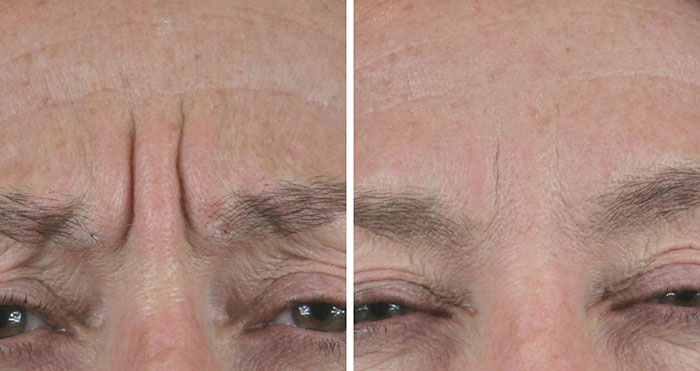
Frown lines—the vertical lines that appear between your eyebrows—can make you look stressed, tired, or even upset, even when you feel perfectly relaxed inside. While these lines are a natural part of aging and facial expression, many people seek ways to soften them and restore a refreshed, approachable appearance. Fortunately, modern cosmetic treatments for frown line reduction offer effective, subtle solutions that enhance your natural beauty without compromising your expressions.

What Are Frown Lines?

Frown lines, also known as glabellar lines, are the creases that form between the eyebrows, often extending vertically from the bridge of the nose. They are primarily caused by repeated facial movements such as frowning, squinting, or concentrating.

Why They Form

Several factors contribute to the development of frown lines:

  • Aging: As skin loses collagen and elasticity over time, repetitive movements create permanent creases.

  • Sun Exposure: Ultraviolet (UV) rays damage skin cells, accelerating wrinkle formation.

  • Genetics: Some people are naturally more prone to frown lines due to inherited skin characteristics.

  • Lifestyle Habits: Stress, smoking, and poor sleep can exacerbate the appearance of these lines.

Understanding the cause is essential for selecting the most effective treatment approach.

Non-Surgical Frown Line Reduction Treatments

For most people, non-surgical options provide excellent results with minimal downtime. These treatments focus on relaxing the muscles responsible for the lines or stimulating the skin to smooth naturally.

Botox and Neuromodulators

Botox is one of the most popular and effective solutions for frown lines. It works by temporarily relaxing the muscles between the eyebrows, preventing them from contracting and deepening the lines.

Benefits:

  • Quick procedure, often completed in 15–30 minutes

  • Minimal discomfort, sometimes described as a slight pinch

  • Results appear within a few days and last 3–6 months

  • Maintains natural facial expressions

Neuromodulators are especially appealing because they deliver noticeable improvement without altering your overall appearance, allowing your face to stay expressive and authentic.

Dermal Fillers

While Botox relaxes muscles, certain dermal fillers can help smooth deeper lines by adding volume beneath the crease. Fillers made of hyaluronic acid can provide immediate results and a soft, natural contour.

Skin-Resurfacing Treatments

Laser therapy, chemical peels, and microneedling can also improve the appearance of frown lines. These treatments stimulate collagen production, improve skin texture, and enhance elasticity, reducing the depth of wrinkles over time.

Surgical Options

In more severe cases or for long-term solutions, surgical procedures like brow lifts can be considered. Brow lifts reposition the skin and underlying tissue, smoothing the forehead and frown area. This option is more invasive but provides permanent results and is often combined with other treatments for a comprehensive rejuvenation.

Lifestyle Tips for Preventing and Minimizing Frown Lines

While cosmetic treatments are highly effective, lifestyle adjustments can complement results and prevent future lines from forming:

  • Practice Relaxation Techniques: Stress management, meditation, or yoga can reduce habitual frowning.

  • Sun Protection: Wear sunscreen and sunglasses to protect delicate skin around the eyes and forehead.

  • Stay Hydrated: Well-hydrated skin is more resilient and less prone to deep creases.

  • Healthy Diet: Nutrient-rich foods support collagen production and skin health.

  • Avoid Smoking: Smoking accelerates skin aging and deepens wrinkles.

The Emotional Benefits of Frown Line Reduction

Reducing frown lines is not just about aesthetics—it can also impact how you feel and how others perceive you. Softening these lines can help you appear more approachable, friendly, and energetic. Many clients report increased confidence and satisfaction when their facial appearance aligns more closely with how they feel internally.

Choosing the Right Clinic

Selecting a qualified and experienced provider is essential for safe and natural results. Look for clinics that:

  • Employ licensed medical professionals trained in facial anatomy

  • Offer personalized consultations to assess your unique facial structure

  • Provide a range of non-surgical and surgical options

  • Prioritize natural, subtle outcomes over dramatic changes

Final Thoughts

Frown lines are a common part of life, but they don’t have to define your expression. With modern treatments, from Botox and dermal fillers to advanced skin resurfacing techniques, you can reduce the appearance of these lines, restore a refreshed look, and boost your confidence.

The key to successful frown line reduction is a combination of professional care, lifestyle awareness, and realistic expectations. By choosing the right approach, you can maintain a natural, expressive, and youthful appearance that reflects how vibrant you truly feel.

Your face tells a story—make sure it’s a story of confidence, warmth, and vitality, not stress or fatigue. Frown line reduction can help ensure your expressions match your energy and personality.

Optimal Health Chiropractic: A Pathway to Better Well-BeingOptimal Health Chiropractic: A Pathway to Better Well-Being

Optimal health chiropractic is a holistic approach to wellness that focuses on improving the body’s natural ability to heal and function properly. Unlike conventional medical treatments that often concentrate on managing symptoms, chiropractic care aims to address the root cause of pain and discomfort by aligning the spine and supporting the nervous system. Many people seek chiropractic care not only for pain relief but also for maintaining long-term physical and mental health.

Chiropractic care is widely recognized as a safe and effective treatment option for musculoskeletal problems, especially those related to the spine, neck, and joints. Professional chiropractic organizations such as the American Chiropractic Association promote chiropractic treatment as part of integrative healthcare for improving quality of life.

Understanding Optimal Health Chiropractic

Optimal health chiropractic is built on the philosophy that the body has an innate ability to heal itself when the spine and nervous system are functioning properly. The spine plays a crucial role in protecting the spinal cord, which is responsible for transmitting signals between the brain and the rest of the body. When spinal misalignment occurs, it may lead to pain, reduced mobility, and even digestive or neurological problems.

Chiropractors use manual adjustment techniques to correct spinal misalignments, also known as subluxations. These adjustments help restore proper nerve communication and improve body balance. People often associate chiropractic care with back pain treatment, but modern chiropractic therapy addresses a wide range of health issues.

Benefits of Optimal Health Chiropractic Care

One of the main reasons people choose chiropractic treatment is pain relief. Chronic back pain, neck stiffness, and joint discomfort are common problems that can significantly affect daily life. Chiropractic adjustments help reduce inflammation and improve blood circulation, which promotes natural healing.

Another important benefit is improved posture. In today’s digital age, many individuals spend long hours working on computers or using mobile devices, which can lead to poor posture and spinal strain. Regular chiropractic care helps maintain proper spinal alignment and reduces the risk of posture-related problems.

Chiropractic therapy also contributes to better nervous system function. Since the spine protects nerve pathways, correcting spinal alignment may improve nerve signaling throughout the body. Many patients report increased energy levels, better sleep quality, and improved concentration after receiving chiropractic treatment.

Stress reduction is another advantage of chiropractor for frequent colds care. Physical tension in the muscles and spine can contribute to mental stress. By relieving muscular pressure and improving spinal balance, chiropractic therapy helps promote relaxation and emotional stability.

Conditions Treated by Chiropractic Therapy

Optimal health chiropractic is commonly used to treat a variety of health conditions. Some of the most common problems include:

1. Back Pain and Sciatica

Back pain is one of the primary reasons people visit chiropractors. Sciatica, which involves nerve pain radiating from the lower back to the legs, can also be effectively managed through spinal adjustments and therapeutic exercises.

2. Neck Pain and Headaches

Poor posture, muscle strain, and spinal misalignment can cause chronic neck pain and tension headaches. Chiropractic manipulation helps reduce muscle tightness and improves blood flow to the head and neck region.

3. Sports Injuries

Athletes often rely on chiropractic care to recover from sports injuries and enhance performance. Chiropractic treatment helps improve flexibility, joint mobility, and muscle strength.

4. Joint Disorders

Conditions affecting the shoulders, knees, and hips can benefit from chiropractic therapy. Proper joint alignment reduces pressure on surrounding tissues and supports smooth movement.

5. Lifestyle-Related Pain

Modern lifestyles involving sedentary work, long commuting hours, and excessive screen time contribute to musculoskeletal problems. Chiropractic care provides a natural solution for managing lifestyle-related pain.

Chiropractic Techniques Used for Optimal Health

Chiropractors use various techniques depending on patient needs and medical conditions. Spinal manipulation is the most common method, involving controlled force applied to specific spinal joints.

Soft tissue therapy is another technique used to relax muscles and reduce inflammation. Stretching exercises and rehabilitation programs are often recommended to support long-term recovery.

Some chiropractic clinics also incorporate modern technologies such as ultrasound therapy, electrical muscle stimulation, and posture analysis tools to improve treatment accuracy.

Who Can Benefit from Chiropractic Care?

Chiropractic treatment is suitable for people of different age groups. Office workers suffering from back and neck strain can benefit from regular spinal care. Athletes can use chiropractic therapy to improve performance and prevent injuries.

Elderly individuals may also benefit from chiropractic care because it helps maintain joint flexibility and mobility. Even children and teenagers can receive chiropractic treatment to support healthy spinal development.

Pregnant women sometimes seek chiropractic care to manage pregnancy-related back pain and maintain pelvic balance. However, treatment should always be performed by qualified professionals who understand pregnancy-specific chiropractic techniques.

Importance of Professional Chiropractic Consultation

Before starting chiropractic treatment, it is important to consult a licensed chiropractor. A professional evaluation helps identify underlying health problems and ensures safe treatment planning.

Patients with severe spinal injuries, fractures, or neurological disorders should undergo medical assessment before receiving chiropractic therapy. Combining chiropractic care with proper nutrition, exercise, and healthy lifestyle habits provides the best results.

Maintaining Optimal Health Through Chiropractic Lifestyle

Optimal health chiropractic is not only about treatment but also about prevention. Regular exercise, proper ergonomics, and balanced nutrition support spinal health.

Maintaining correct sitting and standing posture reduces unnecessary pressure on the spine. Stretching exercises help improve muscle flexibility and reduce stiffness. Drinking enough water and consuming nutrient-rich food also contribute to overall wellness.

Conclusion

Optimal health chiropractic offers a natural and effective approach to improving physical and mental well-being. By focusing on spinal alignment and nervous system function, chiropractic care helps relieve pain, enhance mobility, and support the body’s natural healing processes.

As modern lifestyles continue to create new health challenges, chiropractic therapy remains a valuable option for people seeking non-invasive and holistic treatment methods. Whether for pain management, injury recovery, or general wellness maintenance, optimal health chiropractic plays an important role in promoting a healthier and more active life.

Hair Transplant by Multiplication MethodHair Transplant by Multiplication Method

The Hair Transplant by Multiplication Method, also known as Follicular Cell Multiplication or Hair Cloning, is a revolutionary technique that promises to transform the landscape of hair restoration. Unlike traditional hair transplant methods that rely on harvesting large numbers of follicles from a donor site, this innovative approach requires only a small sample of scalp tissue, typically extracted from the occipital region (the back of the head), which is then multiplied in a laboratory using cutting-edge biotechnological processes. This method is particularly advantageous for patients with limited donor hair or those experiencing advanced hair loss, as it eliminates the constraints of donor site availability. At Novinirana, a premier clinic specializing in Hair Transplant Mashhad, this technique is under active research and development, positioning the clinic as a pioneer in the field of regenerative hair restoration.
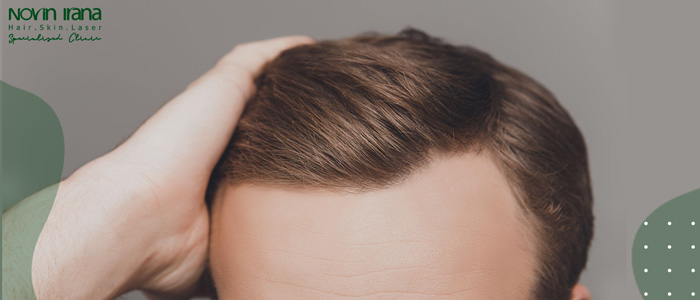
The process begins with a comprehensive consultation at Novinirana, where experienced specialists evaluate the patient’s scalp condition, hair loss pattern, and overall health to determine suitability for the procedure. This initial assessment is critical, as it ensures the treatment plan is tailored to the individual’s unique needs. The extraction phase is minimally invasive, performed under local anesthesia using precision micro-tools to collect a small tissue sample. This approach minimizes discomfort and eliminates the need for large incisions, reducing recovery time and the risk of scarring. Once extracted, the tissue sample is sent to a specialized laboratory where follicular cells are isolated and cultured in a controlled environment using advanced growth mediums. This multiplication process, which can take several weeks, allows a small number of cells to generate thousands of viable follicles capable of producing healthy, natural hair.

After the lab phase, Novinirana’s skilled surgeons implant the cultured follicles into the recipient areas of the scalp using micro-incisions. The implantation process is meticulously planned to align with the patient’s natural hairline and growth patterns, ensuring seamless integration with existing hair for aesthetically pleasing results. Post-procedure care is a cornerstone of Novinirana’s approach, with patients receiving detailed aftercare instructions to promote optimal healing and hair growth. This includes guidance on protecting the scalp from irritation, using hypoallergenic shampoos, avoiding direct sunlight, and incorporating a nutrient-rich diet to support follicular health. Novinirana’s commitment to personalized care ensures that patients achieve long-lasting, natural-looking results, making it a leader in Hair Transplant Mashhad.

The Hair Multiplication Method represents a significant leap forward in addressing the limitations of traditional hair transplants. By leveraging biotechnological advancements, it offers hope to individuals who were previously deemed unsuitable for hair restoration due to insufficient donor hair. While still in the research phase at Novinirana, this technique underscores the clinic’s dedication to innovation and its role as a trailblazer in the global hair restoration industry.
Advantages of the Multiplication Method

The Hair Transplant by Multiplication Method offers a range of transformative benefits, particularly for patients with challenging hair loss conditions. One of its most significant advantages is its ability to generate a large number of follicles from a minimal tissue sample. This is a game-changer for individuals with sparse donor areas, as it eliminates the need for extensive harvesting, which can deplete donor sites and limit future procedures. By using the patient’s own cells, the method ensures that the newly grown hair matches the texture, color, and growth pattern of existing hair, resulting in a natural, harmonious appearance that is virtually indistinguishable from non-transplanted hair.

The minimally invasive nature of the procedure is another key benefit. Unlike traditional methods like Follicular Unit Transplantation (FUT), which may involve removing a strip of scalp and leave a linear scar, the Multiplication Method requires only a small biopsy, resulting in no visible scarring. This allows patients to wear their hair short without concern for aesthetic imperfections. Additionally, the procedure’s low-impact approach translates to a faster recovery time, with most patients resuming normal activities within a few days under Novinirana’s expert guidance. The clinic’s state-of-the-art facilities and highly trained staff further enhance the patient experience, ensuring comfort and safety throughout the process.

Another advantage is the method’s potential for high-density restoration. Even in cases of advanced hair loss, where large areas of the scalp are affected, the Multiplication Method can produce enough follicles to achieve a fuller, more youthful appearance. This makes it an ideal solution for patients who desire significant coverage without compromising the quality of results. Furthermore, the technique’s reliance on the patient’s own cells minimizes the risk of rejection or allergic reactions, enhancing its safety profile.

However, as an emerging technology, the Hair Transplant by Multiplication Method is still undergoing refinement. At Novinirana, ongoing research focuses on optimizing the cell multiplication process to ensure consistent, high-quality outcomes. The reliance on sophisticated laboratory techniques may result in higher costs compared to traditional methods, and the success of the procedure can vary depending on factors such as the patient’s cellular health and the expertise of the lab team. Potential risks, such as abnormal cell growth or inconsistent hair quality, are being actively studied to ensure the method’s long-term safety and efficacy. Novinirana’s commitment to staying at the forefront of these developments reinforces its reputation as a leader in Hair Transplant Mashhad, offering patients access to the latest advancements in hair restoration.

Comprehensive Hair Restoration Options at Novinirana

Novinirana’s expertise extends beyond the Hair Transplant by Multiplication Method, offering a comprehensive suite of hair restoration solutions tailored to diverse patient needs in Hair Transplant Mashhad. Each method is carefully selected based on the patient’s hair loss severity, scalp condition, and aesthetic goals, ensuring personalized care and optimal outcomes.

  1. Follicular Unit Transplantation (FUT): This traditional method involves harvesting a strip of scalp from the donor area, typically the back of the head, which is then dissected into individual follicular units under a microscope. These units are implanted into the balding areas, providing robust coverage for patients requiring large-scale restoration. While FUT is highly effective, it may leave a faint linear scar, which Novinirana minimizes through advanced suturing techniques and post-operative care. This method is ideal for patients with extensive Best Hair Salon in Prescott AZ loss who have sufficient donor hair.

  2. Follicular Unit Extraction (FUE): A cornerstone of Novinirana’s offerings, FUE is a minimally invasive technique that extracts individual follicles directly from the donor area using precision micro-tools. This method leaves tiny, dot-like scars that are virtually undetectable, making it a popular choice for patients who prefer short hairstyles. FUE offers natural-looking results and a quicker recovery compared to FUT, with Novinirana’s specialists leveraging advanced technology to enhance precision and graft survival rates.

  3. Super FUE (S-FUE): An advanced iteration of FUE, S-FUE utilizes automated systems to streamline the extraction and implantation process. This results in greater precision, reduced procedure times, and enhanced patient comfort. Novinirana’s investment in cutting-edge S-FUE technology ensures that patients benefit from faster, more efficient procedures without compromising quality.

  4. Body Hair Transplant (BHT): For patients with limited scalp donor hair, BHT offers an innovative solution by harvesting follicles from areas such as the chest, beard, or back. While body hair may differ in texture or growth rate, Novinirana’s specialists carefully select and implant follicles to achieve cohesive results. This method expands the possibilities for patients who were previously ineligible for traditional transplants.

  5. Non-Surgical Options: Novinirana also provides non-surgical treatments for patients seeking less invasive solutions or complementary therapies. Scalp Micro-Pigmentation (SMP) involves applying micro-dot tattoos to the scalp to create the illusion of denser hair, ideal for patients with thinning hair or those seeking a shaved-head look. Platelet-Rich Plasma (PRP) therapy uses the patient’s own blood, processed to concentrate platelets, which are injected into the scalp to stimulate hair growth. PRP is particularly effective for early-stage hair loss or as an adjunct to surgical methods, promoting stronger, healthier follicles.

Each treatment at Novinirana is customized through detailed consultations, where specialists assess factors such as hair density, scalp elasticity, and patient expectations. By offering a diverse range of options, Novinirana ensures that every patient receives a solution tailored to their unique needs, reinforcing its position as a leader in Hair Transplant Mashhad.
Why Novinirana Stands Out in Hair Transplant Mashhad

Mashhad has emerged as a global hub for hair restoration, attracting patients from across the world due to its combination of medical expertise, affordability, and cultural appeal. Novinirana enhances this reputation by delivering world-class care that rivals top clinics in Western countries. The clinic’s team of internationally trained specialists brings a wealth of experience, ensuring precision and artistry in every procedure. Novinirana’s state-of-the-art facilities are equipped with the latest technology, including high-resolution imaging systems, automated micromotors, and sterile lab environments, all of which meet stringent global standards for safety and efficacy.

Mashhad’s accessibility further enhances Novinirana’s appeal. The city’s international airport connects to major global hubs, and its well-developed infrastructure supports a comfortable stay for medical tourists. Many patients combine their treatment with visits to Mashhad’s cultural landmarks, such as the Imam Reza Shrine, a UNESCO World Heritage site, or the historic Goharshad Mosque. Novinirana’s medical tourism packages integrate these cultural experiences, offering patients a unique blend of medical care and cultural exploration. This holistic approach, combined with Novinirana’s commitment to excellence, makes it a top destination for Hair Transplant Mashhad.

Choosing Novinirana for Your Hair Transplant

Selecting the right clinic for a hair transplant is a critical decision, and Novinirana stands out as a trusted leader in Hair Transplant Mashhad. The clinic is fully licensed by Iran’s Ministry of Health, adhering to rigorous medical standards that ensure patient safety and quality care. Prospective patients can verify Novinirana’s credentials through official channels and review testimonials from satisfied clients to confirm its expertise. The clinic offers free consultations, allowing patients to discuss their goals, explore treatment options, and tour the state-of-the-art facilities. Before-and-after photos showcase Novinirana’s ability to deliver natural, transformative results, building confidence in its services.

Novinirana’s use of advanced technologies, such as micromotors for FUE and automated systems for S-FUE, enhances precision and minimizes procedure times. The clinic’s comprehensive aftercare program includes 24/7 support, detailed recovery instructions, and regular follow-ups to monitor progress. Flexible payment plans and transparent pricing ensure accessibility, while Novinirana’s strong online presence and positive patient reviews solidify its reputation as a premier choice for hair restoration.

Post-Transplant Care for Lasting Results

Achieving lasting results from a hair transplant requires diligent aftercare, and Novinirana provides comprehensive guidance to ensure success. For the first 48-72 hours post-procedure, patients are advised to avoid washing the scalp to allow grafts to stabilize. Protecting the scalp from sunlight with loose, breathable hats and refraining from strenuous activities for at least two weeks minimizes the risk of complications. Novinirana prescribes antibiotics and anti-inflammatory medications to prevent infection and reduce swelling, while recommending gentle, hypoallergenic shampoos to maintain scalp health. A nutrient-rich diet, including foods high in biotin (eggs, avocados), zinc (nuts, seeds), and protein (lean meats, fish), supports follicular health and promotes robust hair growth.

For patients undergoing the Hair Transplant by Multiplication Method, Novinirana emphasizes meticulous care to nurture the delicate, lab-cultured follicles. This includes avoiding harsh chemicals, minimizing scalp trauma, and adhering to a tailored aftercare regimen. Regular follow-up appointments allow specialists to monitor graft integration and address any concerns promptly. By providing personalized aftercare plans, Novinirana ensures that patients achieve optimal, long-lasting results, whether undergoing surgical or non-surgical treatments.

Understanding Hair Loss and Restoration Science

Hair loss, or alopecia, is a complex condition influenced by a variety of factors, including genetics, hormonal imbalances, stress, nutritional deficiencies, and medical conditions such as thyroid disorders or autoimmune diseases. The most common form, androgenetic alopecia, affects both men and women and is driven by the sensitivity of hair follicles to dihydrotestosterone (DHT), a hormone that causes follicles to shrink and eventually cease producing hair. Novinirana employs a science-driven approach to diagnose the root causes of hair loss, using tools like trichoscopy (a magnified scalp analysis), blood tests to assess hormonal and nutritional markers, and detailed patient histories to develop targeted treatment plans.

Surgical methods like FUE, FUT, and the Hair Transplant by Multiplication Method focus on preserving follicular integrity to ensure strong, sustainable hair growth. Non-surgical options, such as PRP therapy, leverage the body’s natural growth factors to stimulate dormant follicles, while SMP provides an aesthetic solution for patients seeking the appearance of denser hair. The Hair Multiplication Method, in particular, represents a frontier in hair restoration science, harnessing regenerative medicine to multiply follicular cells in a lab. Novinirana’s commitment to staying abreast of the latest research ensures that its treatments are grounded in cutting-edge science, maximizing efficacy and patient satisfaction.

Technology’s Impact on Novinirana’s Success

Technology plays a pivotal role in Novinirana’s leadership in Hair Transplant Mashhad. For FUE and S-FUE procedures, the clinic uses advanced micromotors that allow for precise, low-trauma follicle extraction, reducing damage to surrounding tissue and improving graft survival rates. High-resolution imaging systems map the scalp in detail, enabling surgeons to plan implantation with pinpoint accuracy and align grafts with the patient’s natural hairline for seamless results. In PRP therapy, state-of-the-art centrifuges isolate highly concentrated platelets, enhancing the treatment’s effectiveness in stimulating hair growth.

For the Hair Transplant by Multiplication Method, Novinirana is exploring partnerships with leading biotech laboratories to integrate advanced cell culture technologies. These partnerships aim to optimize the multiplication process, ensuring that cultured follicles are robust and capable of producing healthy hair. By investing in cutting-edge equipment and training its staff in the latest techniques, Novinirana delivers shorter procedure times, enhanced patient comfort, and superior outcomes, solidifying its position as a leader in hair restoration innovation.

Patient Journey at Novinirana

The patient experience at Novinirana is designed to be supportive, transparent, and stress-free. The journey begins with a free consultation, where patients meet with specialists to discuss their hair loss concerns, aesthetic goals, and treatment options. Multilingual staff ensure clear communication for international clients, fostering trust and understanding. During the procedure, local anesthesia minimizes discomfort, and patients typically report only mild sensations, thanks to Novinirana’s use of advanced techniques and equipment.

Post-procedure, Novinirana provides 24/7 support and detailed aftercare instructions to guide patients through recovery. Visible results typically begin to appear within 6-12 months, with full growth achieved by 18 months, depending on the technique used. The Hair Transplant by Multiplication Method holds the potential for even more efficient outcomes as it progresses from research to clinical application. By setting realistic expectations and offering ongoing support, Novinirana ensures a positive, transformative experience for every patient.

Mashhad’s Appeal for Medical Tourism

Mashhad’s status as a medical tourism hub is bolstered by its rich cultural heritage and accessibility, making it an ideal destination for Hair Transplant Mashhad at Novinirana. The city is home to iconic landmarks like the Imam Reza Shrine, a spiritual and architectural masterpiece, and the Nader Shah Mausoleum, which offers insight into Persia’s storied history. Novinirana’s medical tourism packages integrate these cultural experiences, providing guided tours, comfortable accommodations, and seamless transportation to enhance the patient experience.

Mashhad’s mild climate, particularly in spring and autumn, creates an ideal environment for post-transplant recovery, with Novinirana offering serene recovery spaces to promote healing. The city’s international airport and well-developed infrastructure make it easily accessible for patients from Europe, the Middle East, and beyond. By combining medical excellence with cultural immersion, Novinirana delivers a holistic experience that sets it apart as a premier destination for hair restoration.

Cost and Financial Options

Affordability is a key advantage of choosing Novinirana for Hair Transplant Mashhad. FUE and FUT procedures range from $600 to $1,400, depending on the number of grafts, making them significantly more cost-effective than treatments in Western countries ($5,000-$15,000) or other regional hubs. Non-surgical options like PRP therapy ($100-$350 per session) and SMP are also competitively priced. While the Hair Transplant by Multiplication Method may involve higher costs due to its advanced laboratory processes, Novinirana is committed to offering competitive pricing as the technique becomes more widely available.

Flexible payment plans and transparent pricing during consultations ensure accessibility for a wide range of patients. Novinirana’s all-inclusive packages, which cover procedures, accommodation, transportation, and aftercare, provide exceptional value, making high-quality hair restoration accessible to both local and international patients.

Addressing Patient Concerns

Novinirana addresses common patient concerns with transparency and expertise. Pain is minimized through local anesthesia, and techniques like FUE and S-FUE leave negligible scars, while the Hair Multiplication Method promises even less invasiveness. The clinic’s comprehensive aftercare ensures high graft survival rates (90-95%), with grafts carefully aligned for natural results. By openly discussing potential risks, such as temporary swelling or shedding, and providing tailored solutions, Novinirana builds trust and confidence, ensuring patients feel supported throughout their journey.

The Future of Hair Restoration at Novinirana

Novinirana is poised to lead the future of hair restoration by continuing to invest in research and innovation. The Hair Transplant by Multiplication Method represents a paradigm shift, with the potential to redefine hair restoration for patients worldwide. As the technique progresses from research to clinical application, Novinirana is actively collaborating with global biotech leaders to refine the process and ensure its accessibility. The clinic is also exploring advancements in robotics, artificial intelligence, and regenerative medicine to further enhance precision and outcomes.

Beyond the Multiplication Method, Novinirana is committed to expanding its offerings, integrating new non-surgical therapies, and improving patient experiences through technology and personalized care. By staying at the forefront of hair restoration science, Novinirana aims to solidify Mashhad’s position as a global leader in the field, offering hope and transformative results to patients seeking effective, lasting solutions for hair loss.


Invisalign vs Fastbraces vs Fixed Braces Which Teeth Straightening System Is Right for Adults in the UKInvisalign vs Fastbraces vs Fixed Braces Which Teeth Straightening System Is Right for Adults in the UK

How Do Invisalign, Fastbraces and Fixed Braces Each Work?

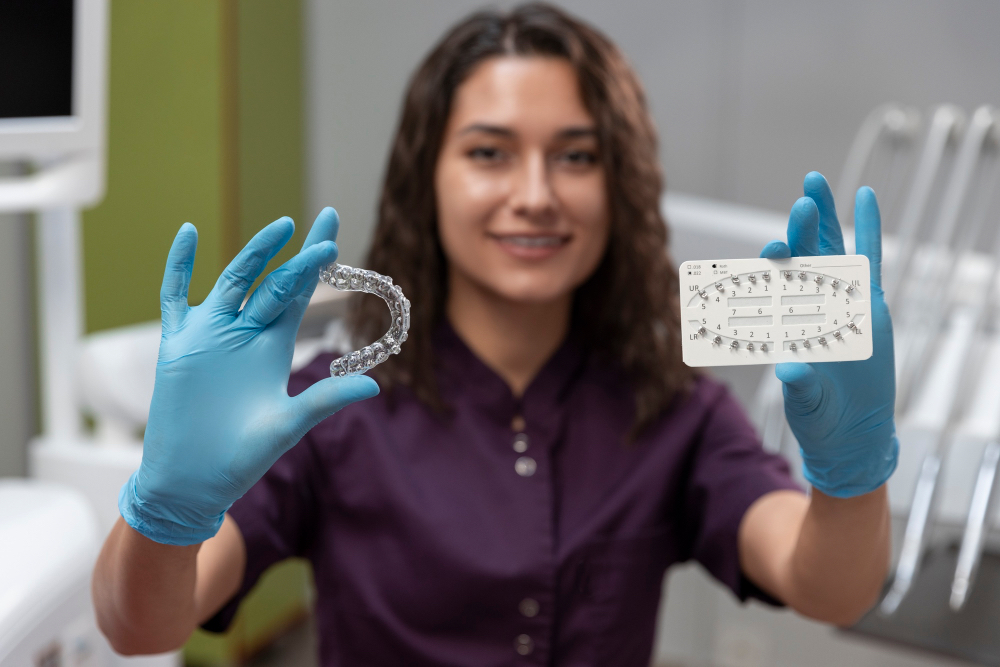
Invisalign uses a series of custom clear aligner trays changed every one to two weeks. Fixed braces use metal brackets and an archwire bonded to teeth for continuous force. Fastbraces uses triangular brackets and a single square nickel-titanium wire to move the crown and root of each tooth simultaneously from the first day of treatment.

Most adults considering orthodontic treatment in 2025 know two of these systems well. Invisalign is the one you see advertised everywhere. Fixed braces are the ones you remember from school. Fastbraces is the one most people have never heard of — and that gap in awareness is exactly where this guide starts.

Invisalign is manufactured by Align Technology. Treatment begins with a 3D digital scan of your teeth. The ClinCheck software generates a digital treatment plan showing projected tooth movement from start to finish. Custom thermoplastic aligner trays are fabricated from that plan. Each tray applies gentle targeted pressure to specific teeth. You change trays every seven to fourteen days and collect your next set at monitoring appointments every six to eight weeks. The trays are removable. That is both their greatest advantage and their most significant clinical challenge.

Fixed braces bond metal or ceramic brackets directly to tooth surfaces. An archwire threads through each bracket. The orthodontist adjusts wire tension every four to eight weeks. Between adjustments, the wire applies continuous, passive pressure around the clock. You cannot remove fixed braces. They work whether you think about them or not.

Fastbraces was patented in 1992. The system uses a triangular bracket design rather than the conventional square bracket. The distinction matters biomechanically. Traditional braces move teeth in two distinct phases: the crown of the tooth is moved in the first year, then the root is repositioned in the second year. Fastbraces uses a single square super-elastic nickel-titanium (NiTi) wire inserted through the elevated of each triangular bracket. When triangular brackets replace square ones, the distance between adjacent brackets doubles. Doubling that distance increases the flexibility of the wire by eight times — a direct consequence of wire mechanics physics. That increased flexibility allows the system to apply torquing and tipping forces to the root from the first day of treatment, compressing two movement phases into one.

Fastbraces is offered by a relatively small number of practices in the UK. One Two Three Dental in Guiseley, Leeds, is one of the providers offering all three systems Invisalign, Fastbraces, and fixed braces under one roof, which allows clinical recommendations to be made based on suitability for the individual patient rather than on which system happens to be available.

One important note before moving forward: the British Dental Journal has noted that while the low-friction biomechanics of Fastbraces brackets are documented, peer-reviewed independent research on treatment speed is less extensive than for Invisalign and fixed braces. Clinical outcomes depend on case selection, operator experience, and individual patient biology. The mechanism is genuinely distinct. The speed advantage applies specifically to appropriate cases selected by an experienced practitioner.

How Long Does Treatment Take With Each System?

Invisalign averages 18 months for mild to moderate cases. Fixed braces average 24 months. A peer-reviewed study published in the Journal of Pharmacy and Bioallied Sciences (PMC, 2024) confirmed both figures with statistical significance. Fastbraces treats suitable mild to moderate cases in as little as 3 months to approximately one year. Complex cases take longer with any system.

2151053313

The 2024 PMC study followed 200 patients over five years and compared long-term outcomes between Invisalign and fixed braces. Invisalign averaged 18 months. Fixed braces averaged 24 months. The difference was statistically significant at p less than 0.001. Both systems achieved 88 to 90 percent success rates in malocclusion correction — comparable clinical outcomes achieved over different timelines.

Here is the number that most Invisalign marketing leaves out. Clinical data from over 112,000 patients confirms that 20 to 22 hours of daily wear is required for optimal outcomes. A study published in the American Journal of Orthodontics and Dentofacial Orthopedics found that patients who adhered to the 20 to 22 hour guideline achieved a 95 percent success rate within their projected treatment time. Patients who consistently wear aligners for fewer than 20 hours per day face extended treatment times, more frequent office visits, and potentially less satisfactory final results.

Fixed braces and Fastbraces require no compliance. They apply continuous force regardless of what you do, what you eat, or whether you remember to put anything back in. For patients who travel frequently, work in demanding environments, or know honestly that they struggle with consistent habits, a non-removable system may produce faster real-world outcomes despite its longer average treatment time on paper.

Fastbraces treatment time of 3 months to one year applies to patients whose case complexity is appropriate for the system. Your treating dentist determines case suitability at consultation. No figure from any manufacturer should be treated as a personal guarantee without prior clinical examination.

What Does Each System Cost in the UK?

Fixed metal braces cost £1,500 to £3,000 in the UK. Invisalign costs £2,500 to £5,500 depending on case complexity and provider tier. All three systems require retainers after treatment, adding £150 to £300 to the total cost. Always request a written quote that includes retainer cost before committing to treatment.

The cost data above comes from the Pearlie.org UK orthodontic comparison published in February 2026, which analysed pricing across UK practices.

Invisalign pricing reflects case complexity. Invisalign Express covers very mild cases and starts from approximately £1,500. Full Invisalign Comprehensive for complex cases reaches £5,500 at some practices. Invisalign provider tiers run from Bronze to Diamond Plus. Higher tiers indicate greater case volume and clinical experience with complex presentations. Provider tier is verifiable through the Invisalign provider finder tool online.

Ceramic fixed braces use tooth-coloured brackets for improved aesthetics during treatment. They typically cost £200 to £500 more than metal fixed braces for the same case. Lingual braces, where brackets bond to inner tooth surfaces and remain invisible from outside, range from £3,000 to £8,000 and represent a separate option not covered by this comparison.

NHS orthodontic treatment for adults is generally not available in England. The NHS uses the IOTN (Index of Orthodontic Treatment Need) scoring system to assess eligibility. Most adult cases do not meet the clinical threshold for NHS funding. All three systems discussed here are private treatments.

Three cost questions every patient should ask before treatment starts: What is the total cost including all retainers at the end of treatment? What is the cost of a replacement aligner if one is lost during Invisalign treatment? What happens clinically and financially if teeth do not track as planned and refinement aligners are needed?

Which System Treats the Most Complex Orthodontic Cases?

Fixed braces treat the widest range of case complexity and perform predictably for significant tooth rotations, vertical bite corrections and severe crowding. Both Invisalign and fixed braces achieve 88 to 90 percent malocclusion correction success rates. Fastbraces suits mild to moderate malocclusion in appropriate candidates selected by an experienced practitioner.

The PMC 2024 study found no statistically significant difference in malocclusion correction outcomes between Invisalign at 88 percent and fixed braces at 90 percent when cases of comparable complexity were treated. The two percentage point gap was not clinically meaningful for most case types studied.

Where fixed braces retain a predictability advantage is in movements requiring precise, continuous three-dimensional force application. Rotations above approximately 20 degrees, significant vertical tooth movement including intrusion and extrusion, severe crowding requiring extraction space management, and cases involving skeletal discrepancies respond more predictably to fixed appliances in most published clinical evidence.

Invisalign handles mild to moderate crowding, spacing, anterior crossbites, and mild Class II and Class III bite corrections effectively, particularly when tooth-coloured attachments are used to provide additional grip for more demanding tooth movements.

Fastbraces is clinically appropriate for mild to moderate malocclusion. It is not indicated as the primary choice for severe skeletal discrepancy cases or for movements requiring the three-dimensional precision of a full fixed appliance sequence. The practitioner's clinical assessment at consultation determines whether Fastbraces is the right system for each patient's specific presentation.

The most important sentence in this section: only a clinician who has physically examined your teeth can tell you which system is appropriate for your case. Any practice recommending a system before conducting a proper clinical examination is not meeting minimum standards of care.

What Are the Lifestyle Differences Between the Three Systems?

Invisalign trays are removed for eating and cleaning, offering complete dietary freedom and easier oral hygiene maintenance but requiring disciplined daily compliance. Fixed braces and Fastbraces are non-removable, restrict certain foods and require more thorough bracket cleaning, but apply continuous force without patient effort.

Eating with fixed appliances: Both fixed braces and Fastbraces require avoiding hard, sticky, and crunchy foods that risk bracket debonding or wire damage. Specific examples include hard sweets, popcorn, ice, crusty bread, raw carrots, and chewing gum. A debonded bracket requires an unscheduled repair appointment and can allow tooth drift if left unattended.

Oral hygiene with fixed appliances: Brackets and archwires create additional surfaces where plaque accumulates. Interdental brushing under the archwire and around each bracket is required at every meal. Inadequate cleaning during fixed appliance treatment is a documented cause of white spot lesions — patches of demineralised enamel that remain permanently visible after braces are removed.

Oral hygiene with Invisalign: Remove the trays, brush and floss normally, rinse the trays before reinserting. Clinical studies confirm that Invisalign patients maintain better periodontal health and lower bacterial counts than patients in fixed appliances, a direct consequence of easier cleaning access.

Aesthetics during treatment: Invisalign trays are nearly invisible. Fastbraces and fixed braces use visible brackets — metal or ceramic. Ceramic brackets are less noticeable than metal but visible at conversational distance. For patients in client-facing professional roles or with significant social commitments during treatment, this distinction is worth factoring into the decision.

Appointment frequency: Invisalign typically requires monitoring appointments every six to eight weeks. Fixed braces and Fastbraces require adjustment appointments every four to eight weeks. Both frequencies are manageable for most adults but should be considered alongside work and travel commitments when planning treatment.

What Happens After Treatment With Any Orthodontic System?

All three systems require retainer wear after treatment. The British Orthodontic Society advises retainers should be worn for life. Research confirms that 70 percent of patients who wore retainers for only one to two years needed retreatment ten years later. Stopping retainer wear is the single most common reason for orthodontic relapse.

This is the section of orthodontic treatment that most patients are not told about clearly enough at the start.

The British Orthodontic Society published its position directly on its website: "If you do not wear your retainers, your teeth will go crooked again, and the hard work in wearing the braces will be lost." Simon Littlewood, a consultant orthodontist and BOS spokesman on retention, explained the clinical reasoning: "Now we know there is potential for teeth to keep moving throughout life. It is almost like a normal ageing phenomenon."

Research cited by the British Dental Negligence Team found that 70 percent of patients who wore retainers for only one to two years after orthodontic treatment needed retreatment ten years later. The BOS launched its "Hold that Smile" campaign specifically to address the widespread underestimation of retention requirements among patients completing orthodontic treatment.

The standard post-treatment protocol follows three phases. Full-time retainer wear for the first week after treatment ends. Evening and overnight wear — approximately 12 hours in every 24 — for a minimum of one year. Lifelong nightly or part-time wear after that, at a minimum of two to three nights per week indefinitely.

Three types of retainer are in current UK use. Removable clear vacuum-formed retainers fit over the teeth like a thin tray — the same material as Invisalign trays. They typically need replacing every one to two years with consistent use. Removable Hawley retainers use a wire across the front teeth with an acrylic body — more durable, adjustable, and more visible. Bonded fixed retainers attach a thin wire permanently to the back surfaces of the front teeth — invisible from outside, always working, but requiring careful interdental cleaning and regular checking to ensure secure bonding.

The cost of retainers — typically £150 to £300 per set for removable clear options, £150 to £250 per arch for bonded retainers — must always be included in the total treatment quote before you commit to any system.

How Do You Find the Right Orthodontic Provider for Adult Treatment in the UK?

Verify GDC registration for any dentist offering orthodontic treatment. For Invisalign, check the provider's tier through the Invisalign finder tool. For Fastbraces, confirm the dentist has completed Fastbraces Technologies accreditation training. Request a full written quote including retainer cost before committing to any system.

The GDC (General Dental Council) register at gdc-uk.org confirms every dental professional's registration status and lists any fitness-to-practise concerns. Specialist orthodontists hold postgraduate qualifications in orthodontics and appear separately on the GDC specialist list. A general dental practitioner can legally offer orthodontic treatment including Invisalign and Fastbraces with appropriate training — but is not a specialist. For complex cases, specialist referral provides access to the full range of orthodontic appliances and expertise.

Four questions to ask at any orthodontic consultation before committing: How many cases of this specific system do you complete per year? Can I see before-and-after photographs of cases with similar presentations to mine, taken under consistent lighting? What is the full cost of treatment including all retainers? What is your protocol if teeth do not track as planned during Invisalign treatment?

A practice that cannot answer these questions clearly and confidently at a consultation is not the right practice for your orthodontic treatment.

Frequently Asked Questions About Teeth Straightening for Adults

Can Adults Over 40 Have Orthodontic Treatment?

Yes. Adults over 40 represent one of the fastest growing orthodontic patient groups in the UK. Clinical considerations differ from teenage treatment. Gum health must be assessed and any active periodontal disease treated before orthodontics begins. Bone density in adults is higher, making tooth movement slightly slower than in adolescents. Results are achievable with all three systems for suitable adult candidates. A thorough clinical assessment determines which system and timeline is appropriate for each individual.

Is NHS Orthodontic Treatment Available for Adults?

NHS orthodontic treatment for adults is generally not available in England. The NHS uses the IOTN (Index of Orthodontic Treatment Need) scoring system to determine eligibility. Most adult cases do not meet the clinical threshold for NHS funding. All three systems covered in this article are private treatments. Patients should request a full written cost estimate, including retainers, before starting any private orthodontic treatment.

What Is the Difference Between a General Dentist and a Specialist Orthodontist?

A specialist orthodontist holds postgraduate qualifications in orthodontics and is listed on the GDC specialist list, verifiable at gdc-uk.org. A general dental practitioner can offer orthodontic treatment including Invisalign and Fastbraces following specific accreditation and clinical training, but holds no specialist designation. For mild to moderate cases treated with accredited systems, a trained general dental practitioner is clinically appropriate. For complex cases involving significant skeletal discrepancy or severe malocclusion, specialist referral provides access to the full range of orthodontic appliances.

What Happens If I Lose an Invisalign Aligner?

Contact your practice immediately. Depending on where in the aligner sequence the loss occurs, the dentist may advise wearing the previous tray temporarily, advancing to the next tray, or ordering a replacement. Replacement aligner cost is typically not included in the original treatment quote. Always ask specifically about the replacement policy and associated cost during your initial consultation. Some practices include a limited number of replacement aligners within the treatment fee — confirm this before treatment starts.