Top Reasons to See an Orthodontist for Better Oral Health

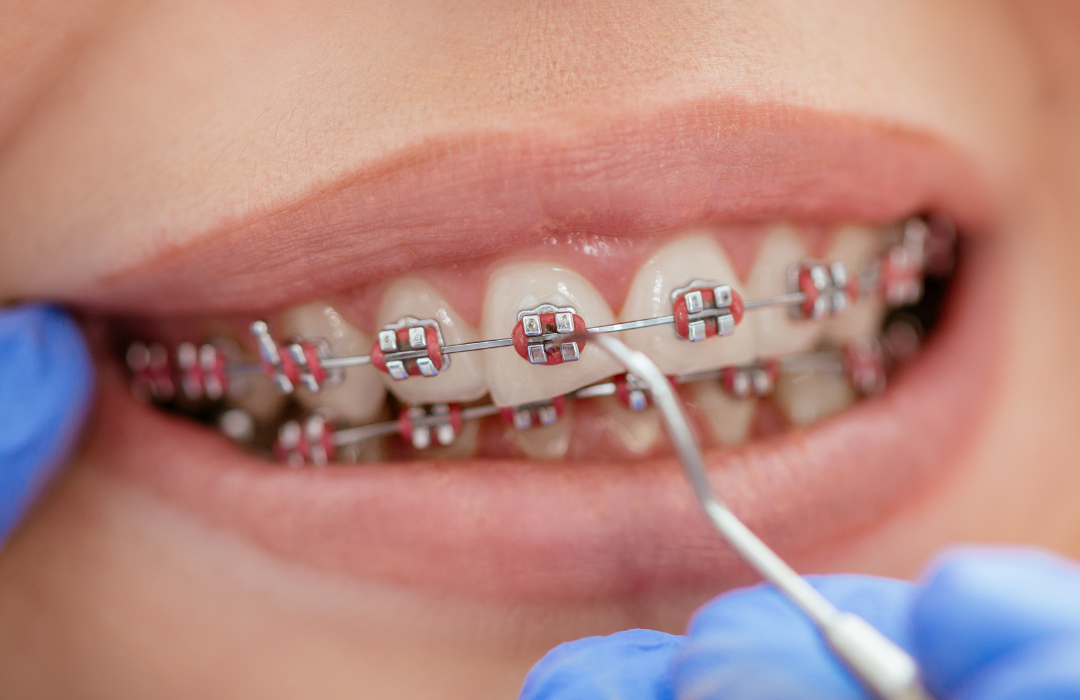
When people think of orthodontists, they often associate them with straightening teeth for cosmetic purposes. However, orthodontic care goes far beyond improving appearance—it plays a critical role in maintaining and enhancing overall oral health. From correcting bite issues to preventing long-term dental problems, visiting an orthodontist can significantly improve both function and well-being. Below are the top reasons why seeing an orthodontist is essential for better oral health.

1. Improved Teeth Alignment for Better Oral Hygiene

One of the most important benefits of orthodontic treatment is properly aligned teeth. Crooked or crowded teeth create tight spaces where food particles and plaque accumulate, making brushing and flossing difficult. Over time, this can lead to cavities and gum disease.

Orthodontic treatment straightens teeth, making them easier to clean effectively. This reduces plaque buildup and lowers the risk of tooth decay and periodontal disease. According to dental experts, aligned teeth are significantly easier to maintain, contributing to long-term oral health.

2. Prevention of Tooth Decay and Gum Disease

Misaligned teeth are not just a cosmetic concern—they can directly impact your dental health. When teeth overlap or are uneven, bacteria can hide in hard-to-reach areas, increasing the risk of decay and gum infections.

Orthodontists help correct these alignment issues, making it easier to maintain proper oral hygiene. This reduces the chances of developing serious conditions such as gingivitis or periodontitis. Untreated orthodontic problems can lead to tooth decay and even tooth loss over time.

3. Correction of Bite Problems (Malocclusion)

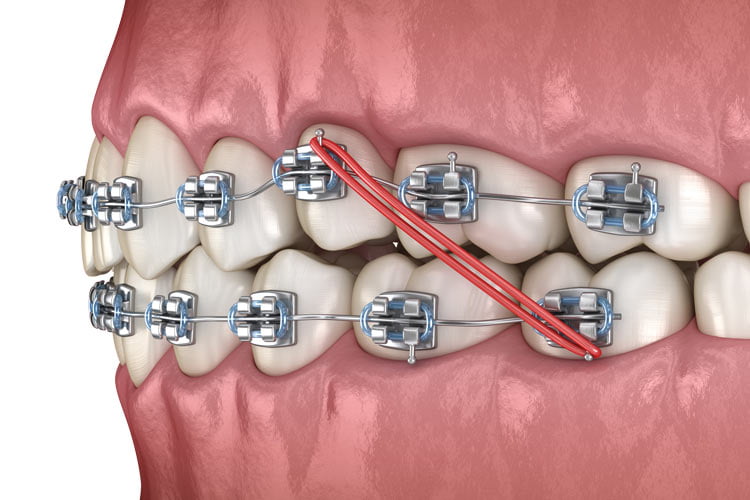
A misaligned bite—such as overbite, underbite, or crossbite—can cause numerous oral health issues. These include difficulty chewing, jaw pain, headaches, and uneven pressure on teeth.

Orthodontists specialize in diagnosing and correcting these bite problems. By aligning the teeth and jaws properly, they improve overall functionality and reduce stress on the jaw muscles. This not only enhances comfort but also prevents long-term damage to teeth and joints.

4. Reduced Risk of Tooth Wear and Damage

When teeth are not properly aligned, some teeth may bear more pressure than others during chewing. This uneven distribution can cause excessive wear, enamel erosion, or even cracks.

Orthodontic treatment helps distribute biting forces evenly across all teeth. This protects the enamel and reduces the likelihood of fractures or long-term damage. Preventing such issues early can save you from costly dental procedures later.

5. Improved Jaw Function and Comfort

Orthodontic issues often affect more than just the teeth—they can impact the entire jaw system. Misaligned jaws can lead to discomfort, clicking sounds, or even temporomandibular joint (TMJ) disorders.

By correcting jaw alignment, orthodontists improve how your teeth and jaws work together. This enhances chewing efficiency, reduces strain, and minimizes pain or discomfort associated with jaw misalignment.

6. Enhanced Speech and Pronunciation

Teeth play a crucial role in speech. Misalignment, gaps, or bite issues can interfere with proper pronunciation, leading to speech difficulties such as lisping.

Orthodontic treatment helps position the teeth correctly, improving speech clarity. This benefit is particularly important for children, as early correction can support proper speech development.

7. Early Detection of Dental Issues

Orthodontists are specialists trained to identify problems with teeth and jaw development at an early stage. Early detection allows for timely intervention, which can prevent more serious complications later.

For children, early orthodontic evaluation can guide jaw growth and ensure that permanent teeth emerge correctly. Addressing issues early often reduces the need for more invasive treatments in the future.

8. Better Digestion Through Improved Chewing

Proper chewing is the first step in the digestive process. Misaligned teeth can make it difficult to chew food thoroughly, which may affect digestion.

By correcting alignment and bite issues, orthodontic treatment improves chewing efficiency. This allows food to be broken down properly before entering the digestive system, supporting overall health.

9. Boost in Self-Confidence and Mental Well-Being

While oral health is the primary focus, the psychological benefits of orthodontic treatment should not be overlooked. A straight, healthy smile can significantly boost self-esteem and confidence.

People who feel good about their smile are more likely to engage socially and professionally. Improved confidence can have a positive impact on mental health and overall quality of life.

10. Prevention of Future Dental Complications

Orthodontic treatment is not just about fixing current issues—it’s also about preventing future problems. Misaligned teeth can lead to a chain reaction of dental complications, including:

  • Tooth decay
  • Gum disease
  • Jaw disorders
  • Tooth loss

By addressing these issues early, orthodontists help you avoid complex and expensive treatments later on. Preventive care is always more effective and less costly than corrective procedures.

2. Prevention of Tooth Decay and Gum Disease

0

Orthodontists undergo additional years of specialized training beyond general dentistry. This expertise allows them to diagnose complex dental and facial irregularities and provide tailored treatment plans.

Modern orthodontics offers a variety of solutions, including traditional braces, clear aligners, and retainers. These options are designed to suit different needs, lifestyles, and age groups, making treatment more accessible and comfortable than ever before.

2. Prevention of Tooth Decay and Gum Disease

1

The ultimate goal of orthodontic care is long-term oral health. Straight teeth, a proper bite, and healthy gums all contribute to a healthier mouth that functions efficiently.

Orthodontic treatment not only resolves existing issues but also creates a strong foundation for maintaining oral health throughout your life. Patients who undergo orthodontist Miami care often experience fewer dental problems in the future.

Conclusion

Seeing an orthodontist is one of the best investments you can make in your oral health. While many people seek treatment for cosmetic reasons, the benefits go far deeper. From improving oral hygiene and preventing disease to enhancing jaw function and boosting confidence, orthodontic care offers a comprehensive approach to dental wellness.

Whether you’re dealing with misaligned teeth, bite issues, or simply want to maintain a healthy smile, consulting an orthodontist can make a lasting difference. Early intervention and proper treatment not only improve your smile but also protect your overall health for years to come.

If you’ve been considering orthodontic care, now is the perfect time to take the first step toward a healthier, more confident smile.


Leave a Reply

Your email address will not be published. Required fields are marked *

Related Post

Origin Dental Wellness Secrets for a Brighter, Stronger SmileOrigin Dental Wellness Secrets for a Brighter, Stronger Smile

Discover the Power Behind a Confident Smile

A smile is more than just a facial expression—it’s a reflection of confidence, health, and personality. At Origin Dental Wellness, the journey to a brighter, stronger smile is built on a combination of science, care, and a deep understanding of individual needs. This modern approach to dentistry focuses not only on appearance but also on long-term oral health, ensuring that every smile is as strong as it is radiant.

Unlike traditional dental care that often addresses issues after they arise, Origin Dental Wellness believes in prevention, education, and personalized treatment. The result? Smiles that last a lifetime.

The Foundation of a Healthy Smile

Prevention Is the First Secret

One of the biggest secrets to maintaining a beautiful smile is simple: prevent problems before they start. At Origin Dental Wellness, preventive care is a top priority. Regular checkups, professional cleanings, and early diagnosis help patients avoid more serious dental issues down the road.

By keeping teeth and gums in optimal condition, patients not only maintain their smiles but also protect their overall health. Prevention saves time, reduces discomfort, and ensures peace of mind.

Daily Habits That Make a Difference

A strong smile begins at home. Brushing twice a day, flossing regularly, and maintaining a balanced diet play a crucial role in oral health. The experts at Origin Dental Wellness guide patients on proper techniques and habits, making everyday care more effective and easier to follow.

Strength Comes from Within

Understanding the Root Cause

Instead of simply treating symptoms, Origin Dental Wellness focuses on identifying the root cause of dental issues. Whether it’s enamel erosion, gum inflammation, or sensitivity, each condition is carefully evaluated to create a targeted solution.

This approach ensures that treatments are not just temporary fixes but long-term solutions that strengthen the teeth and gums.

The Oral-Systemic Connection

A lesser-known secret to a stronger smile is the connection between oral health and overall well-being. Problems in the mouth can impact other areas of the body, and vice versa. Origin Dental Wellness takes this connection seriously, helping patients understand how their lifestyle, diet, and health conditions influence their oral health.

Advanced Care for Lasting Results

Modern Technology for Better Outcomes

Technology plays a vital role in creating brighter, healthier smiles. Origin Dental Wellness uses advanced tools to diagnose issues with precision and treat them effectively. These innovations allow for minimally invasive procedures, reducing discomfort and speeding up recovery time.

From digital imaging to advanced cleaning techniques, every step is designed to deliver the best possible results.

Safe and Thoughtful Treatments

Another key secret lies in the materials and methods used. Origin Dental Wellness prioritizes treatments that are safe, biocompatible, and aligned with the body’s natural processes. This ensures that patients receive care that supports their overall health, not just their teeth.

Brightening Your Smile Naturally

Professional Whitening with Care

A brighter smile can instantly boost confidence. At Origin Dental Wellness, whitening treatments are performed with care and precision, ensuring that teeth are not only whiter but also protected from damage.

Unlike over-the-counter products, professional whitening delivers noticeable results while maintaining the integrity of the enamel.

Nutrition and Lifestyle Choices

What you eat and drink has a direct impact on your smile. Limiting sugary foods, avoiding excessive staining beverages, and staying hydrated can make a significant difference. The team at Origin Dental Wellness often emphasizes the importance of nutrition in maintaining a naturally bright smile.

Building Confidence Through Personalized Care

Every Smile Is Unique

No two smiles are the same, and Origin Dental Wellness embraces this individuality. Each treatment plan is tailored to meet the specific needs and goals of the patient. Whether someone wants to enhance their smile’s appearance or address under issues, the approach is always personalized.

A Comfortable and Supportive Environment

For many, visiting the dentist can feel stressful. Origin Dental Wellness works hard to change that perception by creating a welcoming and relaxing environment. Patients are encouraged to ask questions, share concerns, and actively participate in their care journey.

The Long-Term Secret to a Radiant Smile

Consistency Is Key

The ultimate secret to a brighter, stronger smile is consistency. Regular dental visits, good oral hygiene, and mindful lifestyle choices all work together to maintain results. Origin Dental Wellness supports patients every step of the way, ensuring they stay on track.

Education and Empowerment

Knowledge is a powerful tool in dental care. By educating patients about their oral health, Origin Dental Wellness empowers them to make informed decisions. This not only improves outcomes but also builds confidence in maintaining a healthy smile.

Conclusion: Your Smile, Your Strength

A brighter, stronger smile doesn’t happen by chance—it’s the result of care, commitment, and the right guidance. Origin Dental Wellness combines expertise, innovation, and compassion to unlock the secrets of lasting oral health.

With a focus on prevention, personalized care, and holistic wellness, this approach transforms not just smiles but lives. When you invest in your smile, you’re investing in your confidence, your health, and your future—and that’s a secret worth sharing.

Everything You Need to Know About Getting an STD TestEverything You Need to Know About Getting an STD Test

You’re taking a responsible step by considering an STD test, and it’s essential to know what to expect. You may not be showing any symptoms, but that doesn’t mean you’re in the clear. In fact, many STDs don’t cause any noticeable signs, which is why testing regularly is crucial. Now that you’ve decided to take control of your sexual health, you’re probably wondering what comes next. What types of tests are available, and how long will it take to get your results? The answers to these questions can give you peace of mind – and we’re about to explore them together.

Why Get Tested for STDs

Getting tested for STDs is a crucial step in taking control of your sexual health, and it’s essential to understand why.

You might be thinking, “Why bother? I’m not showing any symptoms.” But the truth is, many STDs don’t cause symptoms at all, or they can take weeks, months, or even years to show up.

By the time you notice something’s off, you might’ve already infected others or caused irreversible damage to your body.

Getting tested regularly is especially important if you’re sexually active, have multiple partners, or have had unprotected sex.

You’re not just protecting yourself; you’re also protecting your partners and any future partners you may have.

STDs can have serious consequences, such as infertility, certain types of cancer, and even death.

By taking control of your sexual health, you’re taking control of your overall well-being.

Types of STD Tests Available

What kind of tests will you face when you decide to take control of your sexual health?

There are several types of tests available, each designed to detect specific infections.

Blood tests are used to detect HIV, syphilis, and hepatitis.

Urine tests can detect chlamydia and gonorrhea.

Swab tests are used to collect samples from the genitals, anus, or throat to detect infections like chlamydia, gonorrhea, and herpes.

Some tests involve physical examinations, such as a visual inspection of the anus, genitals, or mouth to check for signs of infection.

Rapid tests provide same-day results, while others may take several days or weeks.

Some tests can detect multiple infections at once, such as a full STD panel.

You may also opt for at-home testing kits, although it’s essential to follow up with a healthcare professional for accurate results and treatment.

Knowing the types of tests you’ll encounter will prepare you for what’s ahead and help you take the necessary steps towards a healthier you.

Where to Get an STD Test Done

Your primary care physician, gynecologist, or urologist are all qualified professionals who can administer STD tests, and you can start by reaching out to them.

They’ll be able to assess your sexual health, discuss your risk factors, and recommend the necessary tests.

If you don’t have a primary care physician or prefer not to go to your gynecologist or urologist, you can visit a sexual health clinic or a community health center.

These places usually offer confidential and affordable testing services.

You can also search online for “STD testing near me” or “free STD testing near me” to find a testing location in your area.

Some pharmacies like CVS or Walgreens also offer STD testing services.

Remember to check if your insurance covers the testing and treatment costs before you go.

Don’t hesitate to reach out to any of these options – getting tested is the first step towards taking control of your sexual health.

How Long to Wait for Results

The wait for STD test results can be nerve-wracking, but knowing what to expect can help ease your anxiety.

The time it takes to get your results depends on the test and the type of STD you’re being tested for.

Generally, you’ll get your results within a few days to a week after taking the test.

Rapid HIV tests, for example, can give you results in about 20 minutes.

However, these tests aren’t always accurate, and you may need to take a follow-up test.

Chlamydia and gonorrhea tests usually take 2-3 days, while herpes tests can take up to 2 weeks.

If you’re being tested as part of a routine checkup, your results might take longer.

Understanding Your Test Results

Getting your std test dubai results can be a huge relief, but it’s essential to know how to read them correctly.

Your test results will typically indicate whether you’ve tested positive or negative for a particular STD. A positive result means you have the infection, while a negative result means you don’t.

In some cases, your results might be inconclusive, which means the test didn’t provide a clear positive or negative result.

If your result is inconclusive, your healthcare provider will likely order a repeat test or a different type of test to confirm the results.

If you’ve tested positive, your healthcare provider will discuss treatment options with you.

It’s crucial to follow their instructions to ensure you receive proper treatment and prevent the infection from spreading to others.

Don’t hesitate to ask your healthcare provider any questions you have regarding your test results or treatment.

Conclusion

You’ve taken the first step in taking control of your sexual health by getting tested for STDs. Now, you’ll get your results and move forward with treatment if necessary. Remember, testing regularly is crucial to preventing the spread of STDs. Stay on top of your health, and don’t hesitate to reach out to your healthcare provider if you have any questions or concerns.

Tinnitus Relief How to Improve Your Hearing and Reduce DiscomfortTinnitus Relief How to Improve Your Hearing and Reduce Discomfort

https://www.youtube.com/watch?v=e0QFbYhz1xY

Living with tinnitus can feel like a constant, frustrating struggle. Whether it’s a persistent ringing, buzzing, or hissing in your ears, tinnitus can interfere with daily life, concentration, sleep, and even emotional well-being. While there isn’t a one-size-fits-all cure, there are practical strategies and lifestyle adjustments that can help improve your hearing and significantly reduce discomfort. This article explores effective approaches to tinnitus relief and how you can regain control over your auditory experience.

Understanding Tinnitus

Tinnitus is not a disease itself but a symptom of underlying conditions. It can be caused by exposure to loud noise, ear infections, earwax buildup, age-related hearing loss, certain medications, or other health issues. Understanding the root cause is crucial because it guides the most effective relief strategies.

Tinnitus can be subjective (only you can hear the sound) or, rarely, objective (detectable by a healthcare provider). Most cases are subjective, and while the sound can range from mild to severe, it’s important to remember that help and relief are available.

Lifestyle Changes for Tinnitus Relief

Reduce Exposure to Loud Noises

One of the most effective ways to prevent tinnitus from worsening is to protect your ears. Constant exposure to loud sounds can damage delicate hair cells in the inner ear, amplifying tinnitus symptoms. Using earplugs in noisy environments, turning down the volume on headphones, and taking regular breaks from loud music or machinery can make a substantial difference.

Manage Stress and Anxiety

Stress and anxiety often intensify tinnitus symptoms, creating a vicious cycle. Engaging in stress-reducing activities such as yoga, meditation, deep breathing exercises, or even regular walks in nature can help calm your mind and reduce the perceived volume of tinnitus.

Improve Sleep Quality

Poor sleep can exacerbate tinnitus, making the sounds feel louder and more intrusive. Establishing a consistent sleep routine, creating a dark, quiet sleeping environment, and avoiding screens before bed can support better rest. White noise machines or soft background sounds can also mask tinnitus, allowing for a more restful night.

Dietary and Nutritional Approaches

While there’s no specific diet that cures tinnitus, certain nutritional adjustments may help minimize discomfort:

  • Limit caffeine and alcohol: Both can stimulate the nervous system and worsen neurosilence supplement in some individuals.

  • Reduce salt intake: High sodium can affect blood flow to the inner ear, potentially intensifying tinnitus.

  • Stay hydrated: Proper hydration supports overall ear health and can prevent temporary tinnitus flare-ups.

In addition, some people find relief through supplements such as magnesium or zinc, which may help support nerve and ear health, though it’s best to consult a healthcare professional before starting any new supplement regimen.

Sound Therapy and Hearing Aids

Sound Masking

Sound therapy uses background noise to distract the brain from the constant ringing or buzzing of tinnitus. This can include white noise, soft music, nature sounds, or specialized tinnitus-masking devices. By providing a consistent auditory background, sound therapy can help the brain focus less on the internal noise and more on external sounds.

Hearing Aids

If tinnitus is associated with hearing loss, hearing aids may offer dual benefits: amplifying external sounds to make tinnitus less noticeable and improving overall auditory function. Modern hearing aids can be programmed specifically for tinnitus relief, delivering subtle masking sounds that provide significant comfort.

Medical Treatments and Professional Support

Consulting a hearing specialist or ENT (ear, nose, and throat) doctor is essential for persistent or severe tinnitus. They can:

  • Assess for underlying causes like ear infections or earwax buildup

  • Adjust medications that may be contributing to tinnitus

  • Recommend cognitive behavioral therapy (CBT), which has been shown to help reduce the emotional impact of tinnitus

Additionally, tinnitus retraining therapy (TRT) combines counseling and sound therapy to help the brain habituate to tinnitus sounds, making them less intrusive over time.

Practical Tips for Daily Relief

  • Keep a tinnitus diary: Track when symptoms worsen or improve to identify triggers.

  • Stay active: Regular exercise improves blood flow and overall well-being, which can help reduce tinnitus severity.

  • Limit prolonged headphone use: Give your ears breaks from continuous sound exposure.

  • Practice mindfulness: Techniques like guided meditation can shift focus away from tinnitus and improve quality of life.

Final Thoughts

Tinnitus can be challenging, but with the right strategies, it’s possible to improve hearing, reduce discomfort, and regain control over your daily life. Lifestyle adjustments, sound therapy, nutritional changes, and professional support all play vital roles in managing symptoms.

Remember, while tinnitus may never fully disappear for some individuals, its impact on your life can be minimized. By proactively addressing triggers, protecting your hearing, and incorporating supportive therapies, you can enjoy a calmer, more focused, and fulfilling life — free from the constant intrusion of ringing or buzzing in your ears.

Preventing Problems Early Foot Health and Therapy for KidsPreventing Problems Early Foot Health and Therapy for Kids

Children’s feet are the foundation of their growth, mobility, and overall health. From the first steps to active play and sports participation, strong, well-aligned feet are essential for proper development. Unfortunately, foot and ankle problems are common in children, and if left untreated, they can affect posture, balance, and long-term mobility. Early intervention through pediatric foot therapy is key to preventing these issues and ensuring that kids grow with healthy, pain-free feet. Clinics like Little Feet Pediatric Therapy in Washington DC specialize in providing comprehensive care that supports children’s foot health from an early age.

Why Early Foot Care Matters

Children’s feet are constantly growing and developing, making them particularly susceptible to problems like flat feet, toe walking, heel pain, and misaligned gait. Even minor abnormalities can affect a child’s overall posture and ability to move comfortably. Preventive foot care ensures that these issues are identified and addressed before they lead to chronic pain, discomfort, or limitations in physical activity.

Pediatric foot therapy is not just about treating existing problems—it’s about education, prevention, and fostering healthy habits. The experts at Little Feet Pediatric Therapy in Washington DC focus on early assessment, individualized care, and guidance for families to support proper foot development.

Comprehensive Pediatric Foot Therapy Services

Preventive pediatric foot Little Feet Pediatric Therapy in Washington DC includes a range of services designed to maintain healthy feet and support proper growth. Key components include:

  • Gait Analysis: Assessing how a child walks to identify potential issues with alignment, balance, or muscle development.

  • Strengthening Exercises: Targeting muscles in the feet, ankles, and lower legs to improve stability and prevent injuries.

  • Flexibility and Balance Training: Promoting proper movement mechanics and reducing the risk of falls or strains.

  • Orthotic Assessments: Custom-designed inserts to correct structural problems and support healthy foot development.

  • Parent Education: Teaching families about proper footwear, exercises, and daily habits to maintain optimal foot health.

By combining these approaches, Little Feet Pediatric Therapy in Washington DC helps children avoid common foot problems while building strong, functional feet for daily activity and play.

Common Foot Issues in Children

Even healthy children can develop foot and ankle issues that may benefit from early intervention. Some common concerns include:

  • Flat Feet (Pes Planus) – Reduced arches that can lead to balance problems or fatigue.

  • Toe Walking – Walking primarily on toes, which can shorten the Achilles tendon and affect gait.

  • In-Toeing and Out-Toeing – Rotational misalignments that can impact walking and running efficiency.

  • Heel Pain (Sever’s Disease) – Pain in the growth plate area caused by activity or rapid growth.

  • Sports-Related Injuries – Sprains, strains, and overuse injuries that require targeted therapy.

Preventive therapy focuses on identifying and correcting these issues early, minimizing pain, and improving long-term mobility.

Incorporating Play Into Therapy

Children respond best to therapy that is fun and engaging. Pediatric therapists use games, obstacle courses, hopping, jumping, and balance activities to strengthen muscles, improve coordination, and encourage proper movement patterns. By making therapy enjoyable, children are more likely to participate fully and benefit from the exercises.

Little Feet Pediatric Therapy in Washington DC emphasizes the importance of play-based therapy, ensuring that children receive effective treatment while enjoying the process.

Long-Term Benefits of Early Intervention

Early intervention through pediatric foot therapy offers numerous long-term advantages, including:

  • Improved posture and gait

  • Reduced risk of chronic pain or injury

  • Greater participation in physical activities and sports

  • Prevention of future foot and ankle problems

  • Enhanced confidence and independence

By addressing issues early, children are more likely to develop healthy habits and strong feet that support a lifetime of mobility and activity.

Final Thoughts

Healthy feet are critical for children to move confidently, play actively, and grow without limitations. Preventive pediatric foot therapy provides the tools, exercises, and guidance needed to identify potential issues and address them before they become problems. From gait analysis and strengthening exercises to custom orthotics and parent education, pediatric therapy ensures that children’s feet develop properly and remain pain-free.

Families looking to protect and enhance their children’s foot health can trust Little Feet Pediatric Therapy in Washington DC for expert, compassionate, and comprehensive care. By taking steps to prevent problems early, children can enjoy strong feet, active lifestyles, and happy, confident steps every day.

Orthodontist: Everything You Need to Know Before Starting TreatmentOrthodontist: Everything You Need to Know Before Starting Treatment

When it comes to achieving a healthier, straighter smile, visiting an orthodontist is often the best decision you can make. Many people assume orthodontic care is only for teenagers, but the truth is orthodontic treatment is suitable for children, adults, and even seniors. Whether you are struggling with crooked teeth, bite issues, or jaw alignment problems, an orthodontist can help you improve both your appearance and oral health.

In this detailed guide, we will explore what an orthodontist does, why orthodontic treatment matters, the different treatment options available, and how to choose the right orthodontist for your needs.

What Is an Orthodontist?

An orthodontist is a dental specialist who focuses on diagnosing, preventing, and treating misaligned teeth and jaws. Orthodontists receive additional years of training after dental school, allowing them to specialize in correcting issues such as crooked teeth, overbites, underbites, and other bite-related problems.

While a general dentist can provide basic dental care like fillings, cleanings, and crowns, an orthodontist has advanced expertise in orthodontic appliances and long-term teeth alignment solutions.

Orthodontists commonly use treatments such as braces, clear aligners, retainers, and other corrective devices to guide teeth into the correct position.

Why Should You Visit an Orthodontist?

Many people visit an orthodontist for cosmetic reasons, but orthodontic care goes far beyond aesthetics. Straight teeth and a properly aligned bite can have major health benefits.

Here are some of the most important reasons to see an orthodontist:

1. Improve Your Smile and Confidence

A straighter smile can boost self-confidence. People who feel insecure about crooked or crowded teeth may avoid smiling or speaking confidently. Orthodontic treatment can transform the appearance of your smile, helping you feel more comfortable in social and professional situations.

2. Better Oral Hygiene

Crooked teeth can create tight spaces that are difficult to clean. This increases the risk of plaque buildup, cavities, and gum disease. By aligning your teeth properly, orthodontic treatment makes brushing and flossing easier and more effective.

3. Fix Bite Problems

A misaligned bite can cause issues such as jaw pain, headaches, and uneven wear on teeth. An orthodontist can correct bite problems to improve overall comfort and prevent long-term damage.

4. Prevent Future Dental Issues

Orthodontic treatment can reduce the risk of serious dental complications later in life. Misalignment can lead to chipped teeth, gum recession, and even tooth loss if left untreated.

5. Improve Speech and Chewing

Some bite and alignment problems affect speech clarity or make chewing difficult. By correcting the position of the teeth and jaw, an orthodontist Riverside can improve functionality and comfort.

Common Dental Problems an Orthodontist Treats

Orthodontists treat a wide variety of alignment and bite issues. Some of the most common include:

Overbite

An overbite occurs when the upper front teeth overlap the lower teeth excessively. Mild overbites are common, but severe overbites may cause jaw discomfort and tooth damage.

Underbite

An underbite happens when the lower teeth sit in front of the upper teeth. This condition may lead to difficulty chewing and can affect facial appearance.

Crossbite

A crossbite occurs when some upper teeth sit inside the lower teeth instead of outside. This can cause uneven tooth wear and gum recession.

Open Bite

An open bite means the upper and lower teeth do not touch when the mouth is closed. This can make biting into food difficult and may cause speech issues.

Crowding

Crowded teeth occur when there is not enough space in the jaw for all teeth to fit properly. This often leads to overlapping or twisted teeth.

Spacing Issues

Some people have gaps between teeth due to missing teeth, small teeth, or jaw growth issues. Orthodontic treatment can close these gaps for a more balanced smile.

Orthodontic Treatment Options

Modern orthodontics offers more choices than ever before. A professional orthodontist will recommend the most suitable treatment based on your needs, lifestyle, and budget.

Traditional Metal Braces

Metal braces are one of the most common and effective orthodontic treatments. They use brackets and wires to gradually move teeth into alignment.

Advantages of metal braces:

  • Highly effective for complex cases
  • Durable and reliable
  • Often more affordable than other options

Metal braces are especially popular among teenagers, but adults can benefit from them as well.

Ceramic Braces

Ceramic braces function similarly to metal braces, but they use tooth-colored brackets that blend in with natural teeth.

Benefits of ceramic braces:

  • Less noticeable than metal braces
  • Effective for many orthodontic problems

However, ceramic braces may be slightly more expensive and can stain if not cared for properly.

Lingual Braces

Lingual braces are placed behind the teeth rather than on the front, making them nearly invisible.

Why some patients choose lingual braces:

  • Hidden appearance
  • Effective for moderate to severe alignment issues

They may take longer to adjust to and can be more expensive than traditional braces.

Clear Aligners (Invisalign and Similar Brands)

Clear aligners are a popular option for adults and teens who want a discreet orthodontic solution. These removable trays gradually shift teeth into place.

Advantages of clear aligners:

  • Nearly invisible
  • Removable for eating and brushing
  • Comfortable compared to braces

However, clear aligners require discipline, as they must be worn 20–22 hours per day for effective results.

Retainers

After braces or aligners, retainers are used to keep teeth in their new position. Teeth naturally shift over time, so retainers play a crucial role in maintaining results.

Orthodontists may recommend fixed or removable retainers depending on the case.

What to Expect During an Orthodontist Visit

If you’ve never visited an orthodontist before, the process may seem intimidating. Fortunately, orthodontic consultations are straightforward and informative.

Here’s what typically happens:

Initial Consultation

Your orthodontist will examine your teeth, jaw alignment, and bite. They may ask questions about your dental history and any discomfort you experience.

X-Rays and Scans

Orthodontists often take X-rays, digital scans, or impressions of your teeth. These images help them understand the structure of your jaw and create an effective treatment plan.

Treatment Plan Discussion

After reviewing your results, the orthodontist will explain your options. They will discuss the recommended treatment type, expected timeline, and estimated cost.

Starting Treatment

If you decide to proceed, your orthodontist will schedule an appointment to apply braces or provide aligners.

How Long Does Orthodontic Treatment Take?

The duration of orthodontic treatment depends on the complexity of your case. On average, treatment lasts between 12 to 24 months, but some cases may take longer.

Factors affecting treatment time include:

  • Severity of misalignment
  • Type of orthodontic appliance used
  • Patient compliance (especially with aligners)
  • Age and jaw development

Children and teenagers may respond faster due to ongoing jaw growth, while adults may take slightly longer.

Orthodontist for Children vs Adults

Orthodontic care is beneficial at any age, but the treatment approach may differ.

Orthodontist for Children

Children should visit an orthodontist around the age of 7, according to many dental experts. Early orthodontic evaluations can identify potential problems before they become severe.

Early treatment may include:

  • Space maintainers
  • Palatal expanders
  • Partial braces

This can guide jaw growth and prevent complex issues later.

Orthodontist for Adults

Adults are increasingly seeking orthodontic care, especially with modern options like clear aligners. Many adults choose treatment for cosmetic improvement or to correct bite problems that cause discomfort.

The good news is that orthodontic treatment works at any age, as long as teeth and gums are healthy.

How Much Does an Orthodontist Cost?

The cost of orthodontic treatment varies depending on location, the orthodontist’s expertise, and the type of treatment.

General cost factors include:

  • Metal braces vs ceramic braces
  • Clear aligners vs braces
  • Length of treatment
  • Additional dental work needed

Some orthodontists offer payment plans, financing options, and insurance support to make treatment more affordable.

While orthodontic care can be an investment, the long-term benefits often outweigh the cost, especially when it prevents future dental issues.

How to Choose the Right Orthodontist

Choosing the right orthodontist is crucial for achieving safe and lasting results. Here are some tips to help you make the best decision:

Check Qualifications and Experience

Make sure your orthodontist is certified and has proper training in orthodontics. Experience in handling cases similar to yours is a major advantage.

Read Reviews and Testimonials

Patient reviews can provide insight into the orthodontist’s professionalism, staff behavior, and overall treatment success.

Ask About Treatment Options

A good orthodontist will offer multiple solutions rather than pushing one treatment. Ask about braces, aligners, and other alternatives.

Consider Technology and Equipment

Modern orthodontic clinics often use digital scans, advanced imaging, and updated techniques. This can improve accuracy and comfort.

Evaluate Comfort and Communication

You should feel comfortable asking questions. A trustworthy orthodontist will explain procedures clearly and make you feel confident in your treatment plan.

Caring for Your Teeth During Orthodontic Treatment

Orthodontic treatment requires proper care to ensure the best results.

Here are some important tips:

  • Brush after every meal to avoid plaque buildup
  • Floss daily using floss threaders or water flossers
  • Avoid sticky foods like gum or caramel
  • Limit sugary snacks and drinks
  • Attend all scheduled orthodontic appointments
  • Wear rubber bands or aligners as instructed

Following your orthodontist’s guidance is essential to avoid delays and complications.

Life After Orthodontic Treatment

Once your braces come off or your aligner treatment ends, you will enjoy the benefits of a straighter smile. However, the journey does not stop there. Retainers are necessary to prevent teeth from shifting back.

Your orthodontist will provide a retention plan, which may include:

  • Wearing retainers full-time for several months
  • Switching to nighttime retainer wear long-term
  • Regular check-ups to monitor stability

Proper retainer use ensures your smile remains perfect for years.

Final Thoughts on Visiting an Orthodontist

A professional orthodontist can dramatically improve both the appearance and function of your teeth. From correcting bite issues to enhancing confidence, orthodontic treatment offers long-lasting benefits that go beyond cosmetics. With modern advancements like clear aligners, ceramic braces, and customized treatment plans, it has never been easier to achieve a healthier smile.

If you are considering braces or aligners, scheduling a consultation with an orthodontist is the first step. The sooner you begin treatment, the sooner you can enjoy the comfort, health, and confidence that comes with a beautifully aligned smile.

Whether you are a parent seeking early treatment for your child or an adult finally investing in your own smile, an orthodontist can provide the professional guidance and care needed for outstanding results.