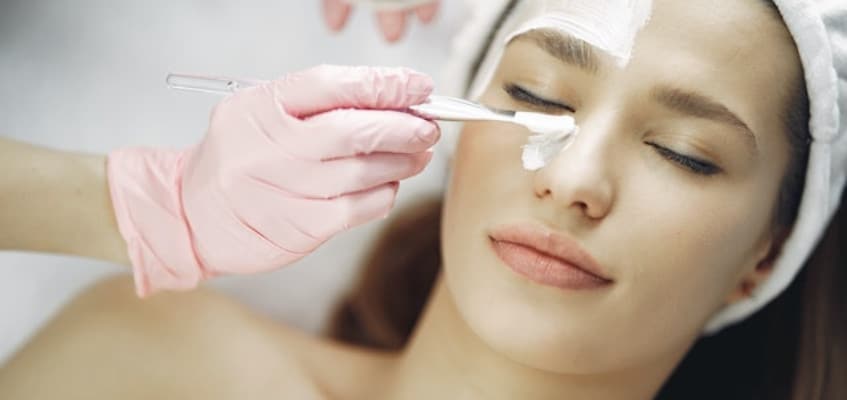
Top Skin Whitening Treatments in Bangalore: Options, Costs & Results

In recent years, skin whitening (or more accurately, skin brightening and pigmentation correction) treatments have gained immense popularity in Bangalore. With increasing exposure to pollution, UV rays, and lifestyle stress, many people seek professional dermatological solutions to achieve clearer, even-toned, and radiant skin. Bangalore, being a hub of advanced cosmetic dermatology, offers a wide range of safe and effective skin treatments tailored to individual skin types.

Understanding Skin Whitening Treatments

Before diving into specific procedures, it’s important to understand that modern dermatology focuses on skin brightening and tone correction, not altering natural skin color. Treatments primarily target:

  • Hyperpigmentation
  • Dark spots
  • Acne scars
  • Sun damage
  • Uneven skin tone

Most treatments work by reducing melanin production, exfoliating damaged skin, or promoting new cell growth.

1. Chemical Peels

What It Is

Chemical peels involve app a chemical solution to exfoliate the top layer of the skin, revealing fresher and brighter skin underneath.

Types of Peels

  • Superficial peels (light exfoliation)
  • Medium peels (target pigmentation and scars)
  • Deep peels (intensive resurfacing)

Cost in Bangalore

  • ₹2,000 to ₹25,000 per session depending on depth
  • Basic peels often range between ₹2,000–₹4,000

Results

  • Brighter skin after 1–2 sessions
  • Significant improvement in pigmentation after multiple sessions
  • Minimal downtime for light peels

Best For

  • Acne marks
  • Mild pigmentation
  • Uneven texture

2. Laser Skin Whitening / Laser Toning

What It Is

Laser treatments use focused light energy to break down excess melanin and stimulate collagen production.

Popular Options

  • Q-switched laser
  • Fractional CO2 laser
  • Carbon laser peel

Cost in Bangalore

  • ₹3,000 to ₹15,000 per session
  • Advanced laser procedures may go up to ₹20,000

Results

  • Visible glow after 1–2 sessions
  • Reduction in pigmentation and tanning
  • Long-term improvement with multiple sessions

Best For

  • Deep pigmentation
  • Sun damage
  • Stubborn dark patches

Types of Peels

0

  • Highly effective
  • Quick procedure

Types of Peels

1

  • Slight redness post-treatment
  • Requires multiple sessions

3. Glutathione IV Therapy

Types of Peels

2

Glutathione is a powerful antioxidant administered through IV drips or injections. It works by reducing melanin production and detoxifying the body.

Types of Peels

3

  • ₹6,000 to ₹12,000 per session

Types of Peels

4

  • Gradual skin brightening
  • Improved skin clarity
  • Enhanced overall glow

Types of Peels

5

  • Full-body brightening
  • Dull skin
  • Uneven complexion

Types of Peels

6

Results vary significantly, and multiple sessions are required. Always consult a qualified dermatologist before opting for this treatment.

4. Skin Lightening Facials & Medi-Facials

Types of Peels

7

Advanced facials performed in clinics using medical-grade ingredients like Vitamin C, kojic acid, and hyaluronic acid.

Types of Peels

8

  • ₹2,000 to ₹5,000 per session

Types of Peels

9

  • Instant glow
  • Mild brightening
  • Improved hydration

Cost in Bangalore

0

  • Maintenance treatment
  • Pre-event glow
  • Mild dullness

Cost in Bangalore

1

  • No downtime
  • Affordable

Cost in Bangalore

2

  • Temporary results

5. Microdermabrasion

Cost in Bangalore

3

A non-invasive procedure that exfoliates the skin using fine crystals or a diamond-tipped device.

Cost in Bangalore

4

  • Typically mid-range (varies by clinic)

Cost in Bangalore

5

  • Smoother texture
  • Mild brightening
  • Reduction in superficial pigmentation

Cost in Bangalore

6

  • Mild skin dullness
  • Early pigmentation

6. Microneedling with Skin Brightening Serums

Cost in Bangalore

7

Tiny needles create micro-injuries in the skin, boosting collagen production and allowing better absorption of brightening serums.

Cost in Bangalore

8

  • ₹4,500 to ₹20,000 depending on technology used

Cost in Bangalore

9

  • Improved skin texture
  • Reduced scars and pigmentation
  • Long-term skin rejuvenation

Results

0

  • Acne scars
  • Uneven skin tone

7. Topical Treatments (Creams & Serums)

Results

1

Dermatologist-prescribed products containing ingredients like:

  • Vitamin C
  • Kojic acid
  • Hydroquinone
  • Retinoids

Results

2

  • ₹2,000 to ₹5,000 for treatment kits

Results

3

  • Gradual improvement over weeks
  • Maintenance of professional treatments

Results

4

  • Mild pigmentation
  • Daily skincare routine

Factors Affecting Treatment Costs

The cost of skin whitening treatments in Bangalore can vary based on several factors:

  1. Type of treatment – Laser treatments are generally more expensive than facials.
  2. Number of sessions – Most treatments require multiple sittings.
  3. Clinic reputation – Experienced dermatologists charge more.
  4. Skin condition severity – More severe pigmentation needs advanced procedures.
  5. Technology used – Advanced machines increase costs.

Expected Results and Timeline

Treatment Results Timeline
Chemical Peels 2–4 sessions
Laser Treatments 3–6 sessions
Glutathione Therapy 6–10 sessions
Facials Immediate but temporary
Microneedling 3–5 sessions

Consistency and proper aftercare (especially sunscreen use) are essential for maintaining results.

1. Chemical Peels

0

  • Always consult a certified dermatologist
  • Avoid cheap or unverified clinics
  • Follow post-treatment care strictly
  • Use sunscreen daily to prevent pigmentation recurrence

Improper treatments can lead to burns, irritation, or worsened pigmentation, especially for darker skin tones.

1. Chemical Peels

1

Bangalore offers a wide variety of advanced skin whitening skin lightening treatment in Bangalore catering to different needs and budgets. From affordable chemical peels to high-end laser therapies, individuals can choose options based on their skin concerns and desired results.

While treatments can significantly improve skin tone and clarity, it’s important to set realistic expectations. True skin health lies in achieving an even, radiant complexion rather than drastically changing one’s natural skin color.

Leave a Reply

Your email address will not be published. Required fields are marked *

Related Post

Comprehensive Dental Care in Boulder: What to ExpectComprehensive Dental Care in Boulder: What to Expect

Introduction

Choosing a dental provider is an important decision that affects your oral health, comfort, and confidence. For residents and visitors of Boulder, Colorado, comprehensive dental care is more than routine cleanings — it’s a full spectrum of services designed to prevent disease, restore oral function, and maintain lifelong dental wellness. In this article, we explore what “comprehensive dental care” really means, why it matters, and what you can expect when you visit a Boulder dental office Boulder Implant Dentist.

What Is Comprehensive Dental Care?

Comprehensive dental care goes beyond treating cavities and cleaning teeth. It’s a holistic approach that considers the structural, functional, and aesthetic aspects of oral health. A comprehensive dental practice typically offers:

  • Preventive care (cleanings, exams, X‑rays)

  • Restorative dentistry (fillings, crowns, bridges)

  • Cosmetic services (whitening, veneers)

  • Advanced diagnostics (digital imaging, oral cancer screenings)

  • Periodontal care (gum disease treatment)

  • Orthodontics and aligner therapy (traditional braces, Invisalign)

  • Emergency dentistry

  • Education and customized care plans

The goal is not just to treat symptoms, but to maintain optimal oral health through personalized prevention and treatment.

Why Boulder Residents Value Comprehensive Care

Boulder’s active, health‑focused community tends to seek providers who offer evidence‑based dental care with patient education and preventive strategies at the forefront. Comprehensive dental clinics in Boulder emphasize:

  • Patient involvement: Dentists work closely with patients to understand goals, concerns, and preferences.

  • Long‑term wellness: Instead of quick fixes, providers focus on lasting oral health.

  • Advanced technology: Digital tools improve accuracy and comfort, while reducing treatment time.

  • Comfort and accessibility: Many Boulder dentists prioritize a welcoming environment and patient comfort.

First Visit: What to Expect

Your first comprehensive dental appointment in Boulder is more than a cleaning — it’s an opportunity to establish your baseline oral health and build a long‑term care plan.

1. Patient History and Discussion

Expect a thorough interview about:

  • Your medical and dental history

  • Oral hygiene routines

  • Diet and lifestyle factors

  • Any pain, sensitivity, or cosmetic concerns

  • Previous dental experiences

This conversation helps the dentist understand your needs and expectations.

2. Digital X‑rays and Imaging

Most Boulder practices use digital radiography, which:

  • Reduces radiation exposure

  • Provides sharp images instantly

  • Helps detect hidden issues like bone loss, impacted teeth, or decay between teeth

Some offices may use 3D cone‑beam scans when advanced diagnostics are needed (e.g., implant planning).

3. Comprehensive Oral Exam

Your dentist will assess:

  • Teeth alignment and occlusion (how your bite fits together)

  • Condition of existing restorations (fillings, crowns)

  • Gum health

  • Soft tissues of the mouth (looking for signs of disease)

  • Temporomandibular joint (TMJ) function

  • Wear patterns that may suggest grinding or clenching

4. Professional Cleaning

A dental hygienist will:

  • Remove plaque and tartar

  • Polish teeth

  • Educate you about effective home care techniques

Deep cleanings (scaling and root planing) may be recommended if gum disease is present.

5. Personalized Treatment Plan

Based on findings, you’ll receive a tailored care plan. This may include:

  • Routine preventive schedule (every 6 months or customized)

  • Restorations for decay or broken teeth

  • Gum therapy if periodontal concerns exist

  • Options for cosmetic enhancement

  • Orthodontic assessment, if needed

Your treatment plan should align with your goals and budget, and the office will discuss timing and options.

Key Services in Comprehensive Dental Care

Preventive Dentistry

Preventive care minimizes the risk of dental problems before they arise. It includes:

  • Regular cleanings and exams

  • Fluoride treatments

  • Sealants to protect molars

  • Nutritional advice for oral‑friendly eating

  • At‑home care guidance

Studies consistently show that preventive care reduces the incidence of cavities, gum disease, and costly treatments later in life.

Restorative Dentistry

When problems arise, restorative treatments restore tooth function and structure. Common procedures include:

  • Fillings: Repair decay

  • Crowns: Restore cracked or weakened teeth

  • Bridges and implants: Replace missing teeth

  • Dentures and partials: Improve functionality for multiple missing teeth

With modern materials, restorations can be both durable and aesthetically pleasing.

Cosmetic Dentistry

Cosmetic services help you feel confident about your smile. Popular options in Boulder include:

  • Teeth whitening

  • Porcelain veneers

  • Bonding

  • Gum contouring

Cosmetic dentistry enhances appearance while maintaining function.

Orthodontic Services

Comprehensive care often includes tooth‑straightening options like:

  • Traditional braces

  • Clear aligners (e.g., Invisalign®)

Orthodontics can improve aesthetics and function, reducing wear and jaw discomfort.

Periodontal Therapy

Gum disease is one of the leading causes of tooth loss in adults. Comprehensive care includes:

  • Periodontal evaluation at every visit

  • Non‑surgical therapy (deep cleaning)

  • Surgical options for advanced disease

  • Maintenance programs to prevent recurrence

2. Digital X‑rays and Imaging

0

Accidents happen. Boulder dentists typically provide:

  • Same‑day or next‑day urgent care

  • Pain relief

  • Temporary stabilization and definitive treatment

Emergency access is essential in comprehensive care.

Patient Communication and Comfort

Boulder dental practices prioritize patient comfort and transparent communication. Techniques include:

  • Numbing and sedation options for anxious patients

  • Clear explanations of procedures

  • Visual aids and models

  • Open discussions about costs and insurance

A good dentist empowers patients to make informed choices.

Technological Advances in Boulder Dentistry

Modern dentist offices in Boulder integrate technology such as:

  • Intraoral scanners (no messy impressions)

  • Digital imaging and 3D scans

  • Laser dentistry for precision and comfort

  • CAD/CAM same‑day restorations

These tools improve diagnostics, efficiency, and patient experience.

Costs and Insurance

Comprehensive care can vary in cost depending on:

  • Services needed

  • Use of advanced technology

  • Insurance coverage

  • Payment plans or financing

Most Boulder practices work with major insurance carriers and offer flexible payment options.

Oral Health Beyond the Mouth

Dentists increasingly recognize the connection between oral health and systemic health. Poor dental health can:

  • Increase risk of cardiovascular disease

  • Affect pregnancy outcomes

  • Worsen diabetic control

A comprehensive dentist coordinates with your medical care when needed.

Conclusion

Comprehensive dental care in Boulder encompasses far more than a cleaning and exam. It’s a personalized, preventive, and technologically advanced approach aimed at lifelong oral wellness. From your first visit through ongoing maintenance and specialized treatments, you can expect a collaborative relationship designed to preserve health, restore function, and enhance your smile.

Whether you’re new to Boulder or looking to upgrade your dental care, understanding what comprehensive dentistry entails helps you choose a provider who meets your needs — with comfort, clarity, and confidence.

El Paso Home Instead® – Professional Senior Caregivers You Can TrustEl Paso Home Instead® – Professional Senior Caregivers You Can Trust


As families search for the best care solutions for their aging loved ones, finding a provider that combines professionalism, compassion, and reliability becomes essential. In El Paso, Home Instead® has earned a strong reputation as a trusted name in senior care. With a dedicated team of professional caregivers, this service ensures that seniors receive not only the assistance they need but also the dignity, comfort, and companionship they deserve.

Personalized Senior Care in El Paso

Every senior has unique needs, and Home Instead® in El Paso is committed to providing care that is tailored to each individual. From personal care assistance with daily activities to specialized support for those with Alzheimer’s or other forms of dementia, the caregivers offer customized services designed to fit specific requirements. This personalized approach ensures that seniors maintain independence as much as possible while still receiving the support they need to thrive.

Professional Caregivers with Compassion

At the heart of Home Instead® is a team of professional caregivers who combine training with genuine compassion. Each caregiver undergoes thorough background checks, extensive training, and continuous education to stay current with the best practices in senior care. However, beyond skills and knowledge, what sets these caregivers apart is their ability to build meaningful relationships with clients. Their dedication ensures that seniors feel valued, respected, and cared for, fostering both physical and emotional well-being.

Services That Go Beyond Assistance

Home Instead® in El Paso offers a wide range of services that extend beyond basic caregiving. Assistance may include help with meal preparation, medication reminders, transportation to appointments, light housekeeping, and companionship. For families concerned about safety, caregivers provide mobility support and fall prevention strategies, creating a safer home environment. These services not only support seniors in their daily lives but also bring peace of mind to families, knowing their loved ones are in capable hands.

Specialized Care for Dementia and Chronic Conditions

Caring for individuals with Alzheimer’s, dementia, or chronic health conditions requires specialized skills and patience. Home Instead® caregivers are trained to provide thoughtful and respectful support that adapts to the changing needs of clients. This includes managing memory-related challenges, creating structured routines, and encouraging activities that stimulate cognitive function. By addressing both medical and emotional needs, caregivers help maintain quality of life for seniors facing these conditions.

Building Trust with Families

Trust is the foundation of Home Instead®’s mission in El Paso. Families can count on consistent communication, transparent service plans, and a dedicated team available to answer questions and adjust care as needed. Whether families require hourly support, overnight care, or 24/7 assistance, the flexibility of services ensures that every situation is handled with professionalism and empathy.

Conclusion

El Paso home care providers in el paso tx Instead® stands out as a provider of professional senior care that families can truly rely on. With a team of skilled caregivers, personalized services, and a commitment to building trust, this organization delivers the support seniors need while preserving dignity and independence. For families seeking peace of mind and compassionate care for their loved ones, Home Instead® in El Paso is a trusted partner in creating a safer, happier, and more fulfilling life for seniors.

Botox Clinic: Where Confidence Meets CareBotox Clinic: Where Confidence Meets Care

In today’s fast-paced world, looking fresh and feeling confident go hand in hand. Whether it’s preparing for a big presentation, attending a special event, or simply wanting to look as vibrant as you feel inside, Botox clinics have become a trusted destination for people seeking subtle, natural-looking rejuvenation. Far from the outdated stereotypes, modern Botox clinics are welcoming spaces focused on safety, precision, and personalized beauty.

What Is a Botox Clinic?

A Botox clinic is a specialized medical facility that offers non-surgical cosmetic treatments using botulinum toxin injections to reduce the appearance of fine lines and wrinkles. However, it’s not just about smoothing out crow’s feet or forehead lines. Today’s clinics provide a range of aesthetic and therapeutic treatments designed to enhance your natural features while maintaining facial expressions and authenticity.

From the moment you walk through the door, you’ll notice that a reputable Botox clinic prioritizes professionalism and comfort. Clean, modern interiors, friendly staff, and highly trained practitioners create an environment where clients feel at ease discussing their aesthetic goals.

Why People Choose Botox Treatments

A Non-Surgical Solution

One of the biggest appeals of Botox is that it offers noticeable results without surgery. There’s no need for lengthy recovery times or invasive procedures. Most appointments are completed within 20 to 30 minutes, making it possible to fit a session into a busy lunch break.

Quick and Subtle Results

Botox doesn’t drastically change your appearance. Instead, it softens lines and relaxes targeted muscles, giving your face a smoother and more refreshed look. Results typically begin to appear within a few days and can last for several months. The goal is not to look “frozen” but to look naturally rejuvenated.

Boosting Confidence

Many clients report feeling more confident after treatment. When you look in the mirror and see a refreshed version of yourself, it can positively impact your self-esteem. A Botox clinic isn’t about chasing perfection; it’s about enhancing what’s already there.

What to Expect During Your Visit

Personalized Consultation

Every reputable Botox clinic begins with a thorough consultation. This is where you discuss your concerns, medical history, and desired outcomes. A qualified practitioner will assess your facial structure and muscle movement before recommending a tailored treatment plan.

This personalized approach ensures that results align with your expectations. It’s not a one-size-fits-all procedure—each face is unique, and treatment should reflect that.

The Treatment Process

The procedure itself is relatively quick and minimally uncomfortable. Using a fine needle, small amounts of Botox are injected into specific muscles. Most people describe the sensation as a slight pinch. There is little to no downtime, and clients can usually return to normal activities immediately after their appointment.

Aftercare and Results

After treatment, you may be advised to avoid strenuous exercise or lying down for a few hours. Mild redness or swelling at the injection site is normal and usually subsides quickly. Within a few days, you’ll start noticing smoother skin and softened lines.

Choosing the Right Botox Clinic

Qualified and Experienced Practitioners

The most important factor when selecting a Botox clinic is the qualifications of the provider. Treatments should always be administered by licensed and trained medical professionals who understand facial anatomy. Experience plays a crucial role in achieving natural-looking results.

Clean and Professional Environment

A trustworthy clinic maintains high standards of hygiene and uses approved products. The environment should feel safe, transparent, and welcoming. Don’t hesitate to ask questions about the practitioner’s experience or the products being used.

Honest Communication

An ethical Botox clinic will never pressure you into treatments you don’t need. Instead, they’ll provide honest advice and realistic expectations. The best results come from open communication between client and practitioner.

Beyond Wrinkles: Additional Benefits

While Botox is widely known for cosmetic use, it also has therapeutic benefits. Many clinics offer treatments for conditions such as excessive sweating, migraines, and jaw tension. This versatility makes Botox clinics more than just beauty destinations—they can also contribute to improved quality of life.

The Modern Approach to Beauty

Today’s Botox clinics focus on subtle enhancement rather than dramatic transformation. The aim is to help you look like the best version of yourself. With advancements in techniques and a greater emphasis on individualized care, treatments are safer and more precise than ever before.

Beauty trends may change, but the desire to feel confident remains constant. A professional Botox clinic understands this balance between aesthetics and authenticity.

Final Thoughts

A Botox clinic is not just a place for cosmetic treatment; it’s a space dedicated to helping individuals feel comfortable and confident in their own skin. With expert guidance, personalized care, and modern techniques, clients can achieve refreshed, natural-looking results without compromising their unique features.

If you’re considering Botox, choose a clinic that values safety, transparency, and artistry. When performed by skilled hands, Botox can be a simple yet powerful way to maintain a youthful glow and embrace your confidence at any age.

How Mobility Health Physical Therapy Improves Quality of LifeHow Mobility Health Physical Therapy Improves Quality of Life

Life is a journey, and we all want to move through it with ease, strength, and vitality. Whether you’re dealing with chronic pain, recovering from an injury, or simply looking to improve your overall mobility, Mobility Health Physical Therapy can play a pivotal role in enhancing your quality of life. Physical therapy is not just about getting back on your feet after an injury—it’s about fostering movement, flexibility, and independence that lasts a lifetime.

At its core, Mobility Health Physical Therapy focuses on the restoration and improvement of physical function, helping individuals regain mobility, reduce pain, and prevent future injuries. With a personalized approach that addresses each patient’s unique needs, it’s no wonder that Mobility Health Physical Therapy in New York therapy has become a vital part of many people’s wellness routines.

In this article, we’ll dive into how Mobility Health Physical Therapy can transform your life, helping you move better, feel better, and live better.

What is Mobility Health Physical Therapy?

Mobility Health Physical Therapy is a specialized branch of physical therapy that focuses on improving movement and mobility for individuals of all ages. It involves assessing, diagnosing, and treating physical impairments, disabilities, or injuries that impact movement. This form of therapy combines hands-on techniques, exercise, and education to improve mobility, strength, and flexibility.

Whether you’re recovering from surgery, managing a chronic condition like arthritis, or trying to stay active as you age, Mobility Health Physical Therapy can help you regain function and prevent further injury. The goal is to enable patients to move freely without pain, so they can enjoy a full and active lifestyle.

The Impact of Mobility Health Physical Therapy on Quality of Life

1. Pain Relief and Injury Recovery

One of the most significant benefits of Mobility Health Physical Therapy is its ability to reduce pain. Whether it’s from a sports injury, car accident, or chronic condition such as back pain or osteoarthritis, physical therapy helps alleviate discomfort through targeted treatments and exercises.

Physical therapists use a variety of techniques such as manual therapy, heat or ice therapy, and therapeutic exercises to reduce inflammation and improve circulation. They may also guide patients through gentle stretching and strengthening exercises that not only relieve pain but also restore the function of affected muscles and joints.

By addressing the root cause of pain, rather than just masking the symptoms, Mobility Health Physical Therapy enables long-term recovery and helps you avoid the need for addictive pain medications.

2. Increased Mobility and Flexibility

As we age or after an injury, we often experience stiffness or limited range of motion. Mobility Health Physical Therapy focuses on improving flexibility and joint mobility, allowing you to move more freely and with less effort. Whether it’s reaching for something on a high shelf, bending down to tie your shoes, or simply walking without pain, improving your mobility can have a profound impact on your day-to-day life.

Physical therapists will assess your range of motion and develop a personalized treatment plan to target any areas where stiffness or immobility is present. Through stretching, strengthening, and mobilization exercises, they help restore flexibility and range of motion, making everyday tasks easier and more comfortable.

3. Prevention of Future Injuries

A key component of Mobility Health Physical Therapy is injury prevention. Physical therapists not only help with rehabilitation but also focus on teaching patients how to avoid future injuries. This includes improving posture, body mechanics, and teaching safe movement patterns. By understanding the body’s mechanics and how it moves, you can prevent overuse injuries and reduce the risk of falls or accidents.

Therapists often prescribe exercises to strengthen weak muscles, improve balance, and increase flexibility, all of which contribute to reducing the likelihood of future injuries. For individuals with conditions like arthritis or osteoporosis, strengthening bones and muscles is crucial for preventing fractures and improving overall health.

4. Restoring Independence and Confidence

One of the most life-changing benefits of physical therapy is how it can restore your independence. Whether you’re recovering from surgery or dealing with a debilitating condition, physical therapy can help you regain the strength, stability, and confidence needed to perform daily activities on your own.

After completing physical therapy, many patients find they no longer need assistance with tasks such as walking, getting in and out of bed, or climbing stairs. By improving strength and mobility, Mobility Health Physical Therapy can help you reclaim your independence and restore your confidence to live life on your own terms.

For seniors, this boost in confidence is particularly important, as it helps them stay active and engaged with life. It’s common for older adults to feel isolated due to mobility limitations, but with the help of a physical therapist, they can regain the ability to participate in social activities, travel, and enjoy hobbies that may have seemed out of reach.

5. Improved Mental Health and Well-Being

The benefits of Mobility Health Physical Therapy extend beyond physical improvements—therapy also plays a crucial role in enhancing mental health. Chronic pain, immobility, and injury can take a significant toll on one’s mental well-being, leading to feelings of frustration, anxiety, and even depression. By reducing pain and restoring movement, physical therapy can improve mood and mental outlook.

Furthermore, the sense of accomplishment and progress that comes with successfully completing therapy exercises can provide a major confidence boost. As you regain control over your body, you also regain control over your life, which contributes to a more positive and empowered mindset.

6. Personalized, One-on-One Care

One of the standout features of Mobility Health Physical Therapy is the personalized, one-on-one care patients receive. Unlike other healthcare settings where patients may be treated in large groups, physical therapy focuses on your specific needs, goals, and conditions. The therapist works with you to develop a tailored plan that’s focused on your goals, whether that’s pain relief, rehabilitation, or injury prevention.

This personalized approach means that you’ll receive treatment that is designed specifically for you, ensuring the best possible results. The relationship between patient and therapist often becomes collaborative, with regular feedback and adjustments to the treatment plan as progress is made.

Conclusion

Mobility Health Physical Therapy offers a holistic approach to improving your physical health and quality of life. It’s about more than just fixing an injury; it’s about enabling you to live a fuller, more active, and pain-free life. By increasing mobility, reducing pain, preventing future injuries, and restoring independence, physical therapy empowers you to live life to the fullest.

Whether you’re recovering from an injury, managing a chronic condition, or simply looking to improve your flexibility and strength, Mobility Health Physical Therapy provides the support and expertise you need to move better, feel better, and live better. By investing in your physical health, you’re investing in a better, more fulfilling quality of life.

Invisalign vs Fastbraces vs Fixed Braces Which Teeth Straightening System Is Right for Adults in the UKInvisalign vs Fastbraces vs Fixed Braces Which Teeth Straightening System Is Right for Adults in the UK

How Do Invisalign, Fastbraces and Fixed Braces Each Work?

Invisalign uses a series of custom clear aligner trays changed every one to two weeks. Fixed braces use metal brackets and an archwire bonded to teeth for continuous force. Fastbraces uses triangular brackets and a single square nickel-titanium wire to move the crown and root of each tooth simultaneously from the first day of treatment.

Most adults considering orthodontic treatment in 2025 know two of these systems well. Invisalign is the one you see advertised everywhere. Fixed braces are the ones you remember from school. Fastbraces is the one most people have never heard of — and that gap in awareness is exactly where this guide starts.

Invisalign is manufactured by Align Technology. Treatment begins with a 3D digital scan of your teeth. The ClinCheck software generates a digital treatment plan showing projected tooth movement from start to finish. Custom thermoplastic aligner trays are fabricated from that plan. Each tray applies gentle targeted pressure to specific teeth. You change trays every seven to fourteen days and collect your next set at monitoring appointments every six to eight weeks. The trays are removable. That is both their greatest advantage and their most significant clinical challenge.

Fixed braces bond metal or ceramic brackets directly to tooth surfaces. An archwire threads through each bracket. The orthodontist adjusts wire tension every four to eight weeks. Between adjustments, the wire applies continuous, passive pressure around the clock. You cannot remove fixed braces. They work whether you think about them or not.

Fastbraces was patented in 1992. The system uses a triangular bracket design rather than the conventional square bracket. The distinction matters biomechanically. Traditional braces move teeth in two distinct phases: the crown of the tooth is moved in the first year, then the root is repositioned in the second year. Fastbraces uses a single square super-elastic nickel-titanium (NiTi) wire inserted through the elevated of each triangular bracket. When triangular brackets replace square ones, the distance between adjacent brackets doubles. Doubling that distance increases the flexibility of the wire by eight times — a direct consequence of wire mechanics physics. That increased flexibility allows the system to apply torquing and tipping forces to the root from the first day of treatment, compressing two movement phases into one.

Fastbraces is offered by a relatively small number of practices in the UK. One Two Three Dental in Guiseley, Leeds, is one of the providers offering all three systems Invisalign, Fastbraces, and fixed braces under one roof, which allows clinical recommendations to be made based on suitability for the individual patient rather than on which system happens to be available.

One important note before moving forward: the British Dental Journal has noted that while the low-friction biomechanics of Fastbraces brackets are documented, peer-reviewed independent research on treatment speed is less extensive than for Invisalign and fixed braces. Clinical outcomes depend on case selection, operator experience, and individual patient biology. The mechanism is genuinely distinct. The speed advantage applies specifically to appropriate cases selected by an experienced practitioner.

How Long Does Treatment Take With Each System?

Invisalign averages 18 months for mild to moderate cases. Fixed braces average 24 months. A peer-reviewed study published in the Journal of Pharmacy and Bioallied Sciences (PMC, 2024) confirmed both figures with statistical significance. Fastbraces treats suitable mild to moderate cases in as little as 3 months to approximately one year. Complex cases take longer with any system.

2151053313

The 2024 PMC study followed 200 patients over five years and compared long-term outcomes between Invisalign and fixed braces. Invisalign averaged 18 months. Fixed braces averaged 24 months. The difference was statistically significant at p less than 0.001. Both systems achieved 88 to 90 percent success rates in malocclusion correction — comparable clinical outcomes achieved over different timelines.

Here is the number that most Invisalign marketing leaves out. Clinical data from over 112,000 patients confirms that 20 to 22 hours of daily wear is required for optimal outcomes. A study published in the American Journal of Orthodontics and Dentofacial Orthopedics found that patients who adhered to the 20 to 22 hour guideline achieved a 95 percent success rate within their projected treatment time. Patients who consistently wear aligners for fewer than 20 hours per day face extended treatment times, more frequent office visits, and potentially less satisfactory final results.

Fixed braces and Fastbraces require no compliance. They apply continuous force regardless of what you do, what you eat, or whether you remember to put anything back in. For patients who travel frequently, work in demanding environments, or know honestly that they struggle with consistent habits, a non-removable system may produce faster real-world outcomes despite its longer average treatment time on paper.

Fastbraces treatment time of 3 months to one year applies to patients whose case complexity is appropriate for the system. Your treating dentist determines case suitability at consultation. No figure from any manufacturer should be treated as a personal guarantee without prior clinical examination.

What Does Each System Cost in the UK?

Fixed metal braces cost £1,500 to £3,000 in the UK. Invisalign costs £2,500 to £5,500 depending on case complexity and provider tier. All three systems require retainers after treatment, adding £150 to £300 to the total cost. Always request a written quote that includes retainer cost before committing to treatment.

The cost data above comes from the Pearlie.org UK orthodontic comparison published in February 2026, which analysed pricing across UK practices.

Invisalign pricing reflects case complexity. Invisalign Express covers very mild cases and starts from approximately £1,500. Full Invisalign Comprehensive for complex cases reaches £5,500 at some practices. Invisalign provider tiers run from Bronze to Diamond Plus. Higher tiers indicate greater case volume and clinical experience with complex presentations. Provider tier is verifiable through the Invisalign provider finder tool online.

Ceramic fixed braces use tooth-coloured brackets for improved aesthetics during treatment. They typically cost £200 to £500 more than metal fixed braces for the same case. Lingual braces, where brackets bond to inner tooth surfaces and remain invisible from outside, range from £3,000 to £8,000 and represent a separate option not covered by this comparison.

NHS orthodontic treatment for adults is generally not available in England. The NHS uses the IOTN (Index of Orthodontic Treatment Need) scoring system to assess eligibility. Most adult cases do not meet the clinical threshold for NHS funding. All three systems discussed here are private treatments.

Three cost questions every patient should ask before treatment starts: What is the total cost including all retainers at the end of treatment? What is the cost of a replacement aligner if one is lost during Invisalign treatment? What happens clinically and financially if teeth do not track as planned and refinement aligners are needed?

Which System Treats the Most Complex Orthodontic Cases?

Fixed braces treat the widest range of case complexity and perform predictably for significant tooth rotations, vertical bite corrections and severe crowding. Both Invisalign and fixed braces achieve 88 to 90 percent malocclusion correction success rates. Fastbraces suits mild to moderate malocclusion in appropriate candidates selected by an experienced practitioner.

The PMC 2024 study found no statistically significant difference in malocclusion correction outcomes between Invisalign at 88 percent and fixed braces at 90 percent when cases of comparable complexity were treated. The two percentage point gap was not clinically meaningful for most case types studied.

Where fixed braces retain a predictability advantage is in movements requiring precise, continuous three-dimensional force application. Rotations above approximately 20 degrees, significant vertical tooth movement including intrusion and extrusion, severe crowding requiring extraction space management, and cases involving skeletal discrepancies respond more predictably to fixed appliances in most published clinical evidence.

Invisalign handles mild to moderate crowding, spacing, anterior crossbites, and mild Class II and Class III bite corrections effectively, particularly when tooth-coloured attachments are used to provide additional grip for more demanding tooth movements.

Fastbraces is clinically appropriate for mild to moderate malocclusion. It is not indicated as the primary choice for severe skeletal discrepancy cases or for movements requiring the three-dimensional precision of a full fixed appliance sequence. The practitioner's clinical assessment at consultation determines whether Fastbraces is the right system for each patient's specific presentation.

The most important sentence in this section: only a clinician who has physically examined your teeth can tell you which system is appropriate for your case. Any practice recommending a system before conducting a proper clinical examination is not meeting minimum standards of care.

What Are the Lifestyle Differences Between the Three Systems?

Invisalign trays are removed for eating and cleaning, offering complete dietary freedom and easier oral hygiene maintenance but requiring disciplined daily compliance. Fixed braces and Fastbraces are non-removable, restrict certain foods and require more thorough bracket cleaning, but apply continuous force without patient effort.

Eating with fixed appliances: Both fixed braces and Fastbraces require avoiding hard, sticky, and crunchy foods that risk bracket debonding or wire damage. Specific examples include hard sweets, popcorn, ice, crusty bread, raw carrots, and chewing gum. A debonded bracket requires an unscheduled repair appointment and can allow tooth drift if left unattended.

Oral hygiene with fixed appliances: Brackets and archwires create additional surfaces where plaque accumulates. Interdental brushing under the archwire and around each bracket is required at every meal. Inadequate cleaning during fixed appliance treatment is a documented cause of white spot lesions — patches of demineralised enamel that remain permanently visible after braces are removed.

Oral hygiene with Invisalign: Remove the trays, brush and floss normally, rinse the trays before reinserting. Clinical studies confirm that Invisalign patients maintain better periodontal health and lower bacterial counts than patients in fixed appliances, a direct consequence of easier cleaning access.

Aesthetics during treatment: Invisalign trays are nearly invisible. Fastbraces and fixed braces use visible brackets — metal or ceramic. Ceramic brackets are less noticeable than metal but visible at conversational distance. For patients in client-facing professional roles or with significant social commitments during treatment, this distinction is worth factoring into the decision.

Appointment frequency: Invisalign typically requires monitoring appointments every six to eight weeks. Fixed braces and Fastbraces require adjustment appointments every four to eight weeks. Both frequencies are manageable for most adults but should be considered alongside work and travel commitments when planning treatment.

What Happens After Treatment With Any Orthodontic System?

All three systems require retainer wear after treatment. The British Orthodontic Society advises retainers should be worn for life. Research confirms that 70 percent of patients who wore retainers for only one to two years needed retreatment ten years later. Stopping retainer wear is the single most common reason for orthodontic relapse.

This is the section of orthodontic treatment that most patients are not told about clearly enough at the start.

The British Orthodontic Society published its position directly on its website: "If you do not wear your retainers, your teeth will go crooked again, and the hard work in wearing the braces will be lost." Simon Littlewood, a consultant orthodontist and BOS spokesman on retention, explained the clinical reasoning: "Now we know there is potential for teeth to keep moving throughout life. It is almost like a normal ageing phenomenon."

Research cited by the British Dental Negligence Team found that 70 percent of patients who wore retainers for only one to two years after orthodontic treatment needed retreatment ten years later. The BOS launched its "Hold that Smile" campaign specifically to address the widespread underestimation of retention requirements among patients completing orthodontic treatment.

The standard post-treatment protocol follows three phases. Full-time retainer wear for the first week after treatment ends. Evening and overnight wear — approximately 12 hours in every 24 — for a minimum of one year. Lifelong nightly or part-time wear after that, at a minimum of two to three nights per week indefinitely.

Three types of retainer are in current UK use. Removable clear vacuum-formed retainers fit over the teeth like a thin tray — the same material as Invisalign trays. They typically need replacing every one to two years with consistent use. Removable Hawley retainers use a wire across the front teeth with an acrylic body — more durable, adjustable, and more visible. Bonded fixed retainers attach a thin wire permanently to the back surfaces of the front teeth — invisible from outside, always working, but requiring careful interdental cleaning and regular checking to ensure secure bonding.

The cost of retainers — typically £150 to £300 per set for removable clear options, £150 to £250 per arch for bonded retainers — must always be included in the total treatment quote before you commit to any system.

How Do You Find the Right Orthodontic Provider for Adult Treatment in the UK?

Verify GDC registration for any dentist offering orthodontic treatment. For Invisalign, check the provider's tier through the Invisalign finder tool. For Fastbraces, confirm the dentist has completed Fastbraces Technologies accreditation training. Request a full written quote including retainer cost before committing to any system.

The GDC (General Dental Council) register at gdc-uk.org confirms every dental professional's registration status and lists any fitness-to-practise concerns. Specialist orthodontists hold postgraduate qualifications in orthodontics and appear separately on the GDC specialist list. A general dental practitioner can legally offer orthodontic treatment including Invisalign and Fastbraces with appropriate training — but is not a specialist. For complex cases, specialist referral provides access to the full range of orthodontic appliances and expertise.

Four questions to ask at any orthodontic consultation before committing: How many cases of this specific system do you complete per year? Can I see before-and-after photographs of cases with similar presentations to mine, taken under consistent lighting? What is the full cost of treatment including all retainers? What is your protocol if teeth do not track as planned during Invisalign treatment?

A practice that cannot answer these questions clearly and confidently at a consultation is not the right practice for your orthodontic treatment.

Frequently Asked Questions About Teeth Straightening for Adults

Can Adults Over 40 Have Orthodontic Treatment?

Yes. Adults over 40 represent one of the fastest growing orthodontic patient groups in the UK. Clinical considerations differ from teenage treatment. Gum health must be assessed and any active periodontal disease treated before orthodontics begins. Bone density in adults is higher, making tooth movement slightly slower than in adolescents. Results are achievable with all three systems for suitable adult candidates. A thorough clinical assessment determines which system and timeline is appropriate for each individual.

Is NHS Orthodontic Treatment Available for Adults?

NHS orthodontic treatment for adults is generally not available in England. The NHS uses the IOTN (Index of Orthodontic Treatment Need) scoring system to determine eligibility. Most adult cases do not meet the clinical threshold for NHS funding. All three systems covered in this article are private treatments. Patients should request a full written cost estimate, including retainers, before starting any private orthodontic treatment.

What Is the Difference Between a General Dentist and a Specialist Orthodontist?

A specialist orthodontist holds postgraduate qualifications in orthodontics and is listed on the GDC specialist list, verifiable at gdc-uk.org. A general dental practitioner can offer orthodontic treatment including Invisalign and Fastbraces following specific accreditation and clinical training, but holds no specialist designation. For mild to moderate cases treated with accredited systems, a trained general dental practitioner is clinically appropriate. For complex cases involving significant skeletal discrepancy or severe malocclusion, specialist referral provides access to the full range of orthodontic appliances.

What Happens If I Lose an Invisalign Aligner?

Contact your practice immediately. Depending on where in the aligner sequence the loss occurs, the dentist may advise wearing the previous tray temporarily, advancing to the next tray, or ordering a replacement. Replacement aligner cost is typically not included in the original treatment quote. Always ask specifically about the replacement policy and associated cost during your initial consultation. Some practices include a limited number of replacement aligners within the treatment fee — confirm this before treatment starts.