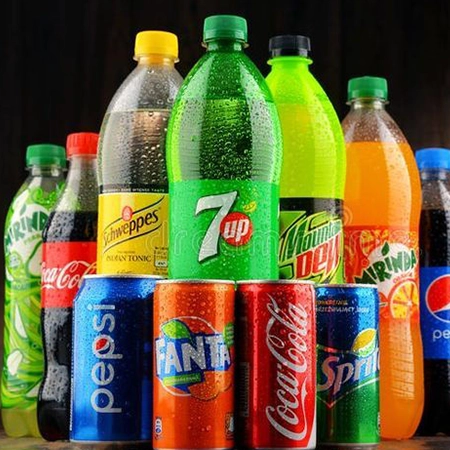
Europe’s wholesale beverage market is undergoing a dynamic transformation, driven by shifting consumer preferences, technological advancements, and evolving supply chain models. With the market projected to generate over $234 billion in output by 2025, the region continues to play a dominant role in the global beverage industry . From premium spirits to functional drinks, wholesalers are adapting quickly to remain competitive in a fast-changing landscape.
This article explores the top trends shaping wholesale beverages across Europe and how businesses can capitalize on these emerging opportunities.
1. Rising Demand for Health-Conscious Beverages
One of the most influential trends across Europe is the growing demand for healthier drink options. Consumers are becoming increasingly aware of what they consume, leading to a surge in low-sugar, organic, and natural beverages.
Wholesale distributors are expanding their portfolios to include:
- Low-calorie soft drinks
- Sugar-free energy drinks
- Organic juices and herbal beverages
- Functional drinks with added vitamins and minerals
The shift is largely driven by younger consumers, particularly millennials and Gen Z, who prioritize wellness and clean-label products. This trend is reshaping production strategies, pushing manufacturers to innovate with natural ingredients and transparent labeling .
2. Functional and Performance-Based Drinks
Functional beverages are no longer a niche category—they are becoming mainstream across Europe. These drinks go beyond hydration by offering specific health benefits such as improved immunity, energy, digestion, and mental focus.
Popular categories include:
- Sports and energy drinks
- Probiotic and gut-health beverages
- Vitamin-enhanced waters
- Adaptogenic and mood-boosting drinks
Consumers are increasingly seeking beverages that align with their lifestyles, such as fitness routines or mental well-being goals. This demand is driving innovation and making functional drinks a key focus for wholesalers looking to diversify their offerings .
3. Premiumisation and Craft Beverage Growth
Premiumisation continues to be a defining trend in Europe’s beverage sector. Consumers are willing to pay more for high-quality, artisanal, and authentic products. This has led to significant growth in craft beverages and luxury drink segments.
Key developments include:
- Craft beers and small-batch spirits
- Premium wines and aged whiskies
- Limited-edition and exclusive beverage releases
Europe, with its rich heritage in beverages like whisky, wine, and gin, is particularly well-positioned to lead this trend. The focus on storytelling, origin, and craftsmanship enhances product value and attracts discerning consumers .
4. Sustainability and Eco-Friendly Packaging
Sustainability is no longer optional—it is a necessity. European consumers and regulators are placing increasing pressure on beverage companies to reduce their environmental impact.
Wholesale trends in sustainability include:
- Recyclable and biodegradable packaging
- Reduced plastic usage
- Carbon-neutral production processes
- Locally sourced ingredients
Brands that prioritize sustainability are gaining a competitive edge, especially in environmentally conscious markets like Germany, France, and the UK. Wholesalers are also partnering with eco-friendly brands to meet retailer and consumer expectations .
5. Growth of Ready-to-Drink (RTD) Beverages
Ready-to-drink (RTD) beverages are rapidly gaining popularity across Europe due to convenience and changing lifestyles. These beverages cater to on-the-go consumers who want quick, high-quality drink options without preparation.
RTD categories experiencing strong growth include:
- Iced coffees and teas
- Pre-mixed cocktails
- Protein shakes
- Flavored waters
Markets like the United Kingdom are leading in RTD consumption, supported by strong retail infrastructure and e-commerce penetration . For wholesalers, RTD beverages offer high turnover and broad consumer appeal.
6. Digital Transformation and E-Commerce Expansion
Digitalization is reshaping the bulk food supplier europe beverage industry. From ordering systems to logistics, technology is improving efficiency and transparency across the supply chain.
Key digital trends include:
- Online wholesale marketplaces
- Direct-to-consumer (DTC) channels
- Data-driven demand forecasting
- Automated inventory management
E-commerce is particularly important in Europe, where online beverage sales are growing steadily. Wholesalers that invest in digital platforms can streamline operations, reduce costs, and better meet customer demand.
7. Customization and Personalization
Modern consumers are looking for personalized experiences, and the beverage industry is responding with customizable products. This trend is influencing both retail and wholesale sectors.
Examples include:
- Build-your-own drink concepts
- Custom flavor combinations
- Personalized nutrition drinks
- Limited-edition regional flavors
Customization not only enhances customer satisfaction but also allows wholesalers to differentiate their offerings in a crowded market.
8. Expansion of Non-Alcoholic Alternatives
The rise of non-alcoholic and low-alcohol beverages is another major trend across Europe. Health-conscious lifestyles and changing social habits are encouraging consumers to reduce alcohol consumption.
Popular alternatives include:
- Alcohol-free beer and wine
- Non-alcoholic spirits
- Botanical and herbal drinks
This segment is growing rapidly, with many traditional alcohol brands launching non-alcoholic versions to meet demand. For wholesalers, this represents a significant opportunity to tap into a fast-growing category.
9. Cross-Border Trade and Global Influences
Europe’s beverage market is highly interconnected, with strong cross-border trade driving diversity and innovation. Wholesalers are increasingly importing international brands and exporting European products globally.
Key influences include:
- Asian-inspired flavors and ingredients
- American beverage trends like energy drinks
- Middle Eastern and Mediterranean drink traditions
This global exchange of ideas is enriching Europe’s beverage landscape and creating new opportunities for wholesalers to expand their portfolios.
10. Regional Market Diversification
While Western Europe remains dominant, emerging markets in Eastern and Southern Europe are experiencing faster growth. Countries like Spain are showing strong expansion in beverage consumption, driven by economic recovery and tourism .
This regional diversification allows wholesalers to:
- Explore new markets
- Build strategic partnerships
- Adapt products to local preferences
Understanding regional differences is essential for success in Europe’s diverse beverage market.
2. Functional and Performance-Based Drinks
0
The wholesale beverage industry in Europe is evolving rapidly, shaped by health trends, sustainability demands, and technological innovation. From functional drinks and premium products to digital transformation and non-alcoholic alternatives, these trends are redefining how beverages are produced, distributed, and consumed.
For wholesalers, staying ahead of these trends is crucial. Those who embrace innovation, prioritize sustainability, and adapt to changing consumer preferences will be well-positioned to thrive in Europe’s growing and competitive beverage market.
As the industry continues to expand, the ability to anticipate trends and respond strategically will determine long-term success in this vibrant sector.