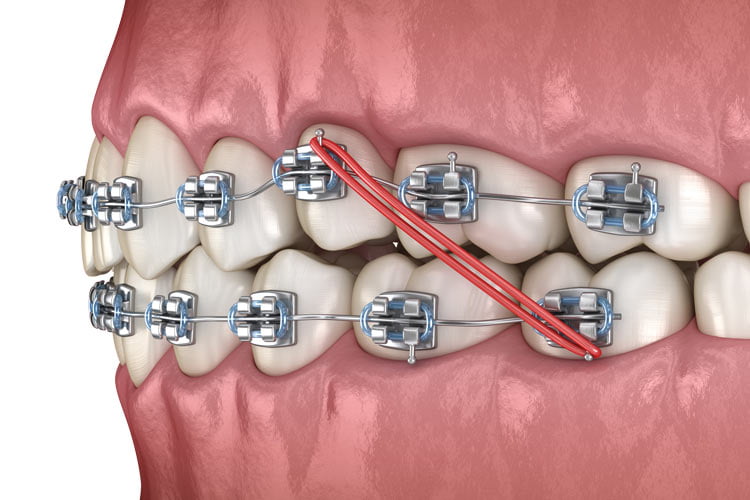
Choosing the Right Orthodontist in High Point for Your Perfect Smile

Your smile is one of the first things people notice — and a confident, healthy smile can make a world of difference in your personal and professional life. If you’re in High Point, North Carolina and considering orthodontic treatment — whether braces, clear aligners, or other corrective options — selecting the right orthodontist is one of the most important decisions you’ll make. Orthodontic care isn’t just cosmetic; it affects your oral health, bite function, jaw alignment, and long-term dental wellness.

Here’s a detailed guide to help you understand what orthodontists do, what to look for when choosing one, and some reputable practices in and around High Point you might consider.

What Is an Orthodontist?

An orthodontist is a dental specialist who has completed additional training beyond dental school specifically in the diagnosis, prevention, and treatment of dental and facial irregularities. This includes correcting misaligned teeth, improper bites, and jaw discrepancies using devices like braces, retainers, and clear aligners.

Unlike general dentists, orthodontists undergo extra years of specialist education and residency training focused on tooth movement and facial development. This specialized training equips them to design personalized treatment plans that not only enhance the appearance of your smile but also improve your oral function and overall dental health.

Why Choosing the Right Orthodontist Matters

Choosing the right orthodontist isn’t just about finding someone who puts on braces — it’s about selecting a professional who will guide you through a treatment plan tailored to your unique dental needs.

Here’s why the choice matters:

  • Expertise and Qualifications: Orthodontists have advanced training that general dentists don’t, giving them the skills to handle complex alignment issues effectively.
  • Treatment Quality: Properly aligned teeth reduce the risk of gum disease, tooth decay, speech issues, and jaw pain.
  • Personalized Care: The best orthodontists evaluate your case thoroughly and create a plan that considers your goals, age, and lifestyle.
  • Long-Term Results: Orthodontic treatment is an investment. The right orthodontist ensures that your smile remains healthy and stable long after treatment ends.

Key Factors to Consider When Choosing an Orthodontist

Here are the most important factors to keep in mind when selecting an orthodontist in High Point:

1. Credentials and Training

Make sure the orthodontist has completed accredited specialist training and is recognized by relevant professional boards. Ask about their education, years in practice, and whether they focus exclusively on orthodontics rather than general dentistry.

2. Experience and Specialization

Some orthodontists have additional experience with specific Top rated orthodontic office High Point types (e.g., clear aligners, early childhood orthodontics, or complex jaw corrections). Experience matters, especially if your case involves significant alignment challenges. Patient reviews and case galleries can offer insight into outcomes.

3. Treatment Options

Modern orthodontics includes many options: traditional metal braces, ceramic braces, clear aligners like Invisalign, and more. Choose an orthodontist who offers a range of treatments and can recommend what’s best for you.

4. Comfort and Communication

You’ll be visiting your orthodontist regularly throughout treatment. It’s important that you feel comfortable, that the team communicates clearly, and that they answer your questions patiently.

5. Technology and Techniques

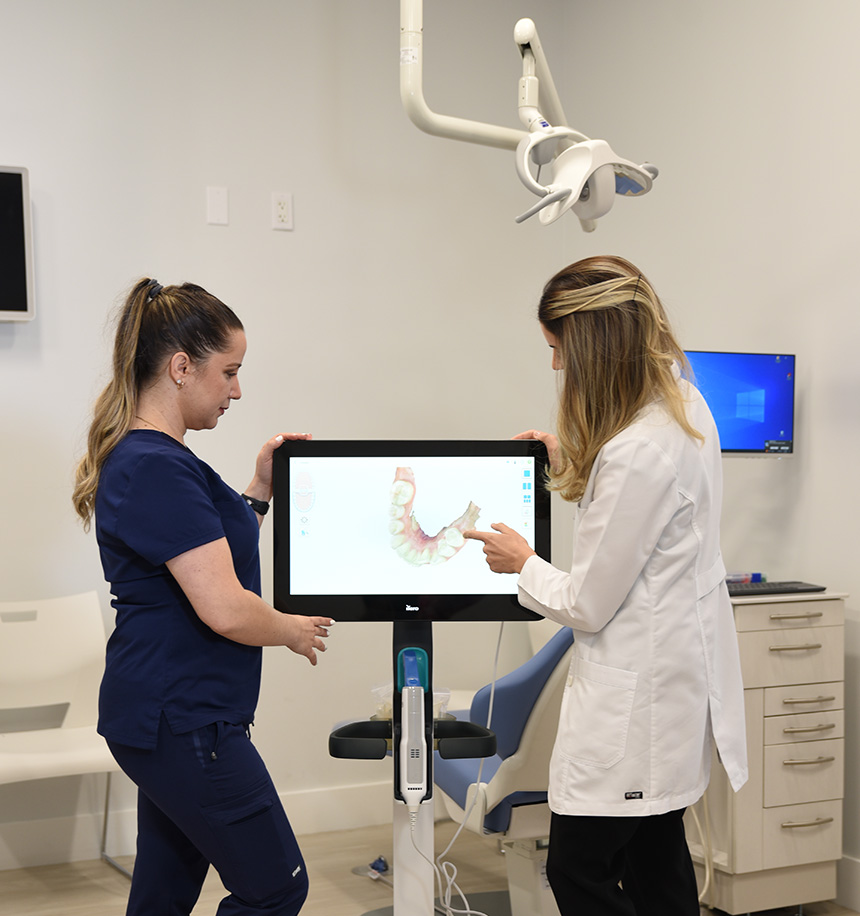
Orthodontic technology evolves quickly. Practices that use advanced tools (such as digital imaging or 3D scanning) can provide more accurate diagnoses and often more comfortable treatment experiences.

6. Cost and Financing

Orthodontic treatment can be a significant investment. Discuss costs upfront, including payment plans or insurance options. Many practices offer financing to make treatment more affordable.

Top Orthodontists in and Near High Point, NC

Here are some well-rated orthodontic practices you might consider:

Davis & Goldberg Orthodontics

5.0•Orthodontist•Closed

Located in High Point, this practice has a 5-star reputation with extensive reviews from local patients. Known for personalized care and a friendly environment, they offer comprehensive orthodontic services including braces and aligners.

Basil Orthodontics

5.0•Orthodontist•Closed

Also in High Point, Basil Orthodontics boasts high ratings and positive patient feedback. Their experienced team provides modern orthodontic treatments tailored to both children and adults.

Ryan Hinckley Orthodontics High Point

4.8•Orthodontist•Closed

A well-reviewed practice in High Point, known for quality care and a patient-focused approach. They provide a range of orthodontic solutions and work closely with patients throughout treatment.

L’Tanya Joy Bailey DDS, MS, PLLC

4.0•Orthodontist•Closed

Dr. Bailey’s practice offers orthodontic care with a strong emphasis on patient comfort. While ratings are slightly lower than some others, many patients appreciate the individualized attention.

2. Experience and Specialization

0

5.0•Orthodontists•Closed

Located in nearby Archdale, Dr. Jordan has decades of experience in orthodontics and specializes in efficient treatment systems that can shorten overall treatment time.

2. Experience and Specialization

1

  • H2O Orthodontic Specialists – Lexington, NC (close to High Point)
  • Reynolds Orthodontics – Greensboro – Greensboro, NC

These practices expand your choices if you’re open to traveling a short distance for care.

Questions to Ask Before You Commit

Before choosing your orthodontist, consider asking:

  • What qualifications and certifications do you hold?
  • What treatment options do you offer?
  • How long will my treatment likely take?
  • What technology do you use for diagnosis and planning?
  • What will my total cost be, and are payment plans available?
  • Can you show before/after photos of similar cases?

Getting answers to these questions helps you feel confident and informed about your decision.

Final Thoughts

Choosing the right orthodontist in High Point is a crucial step toward achieving the smile you’ve always wanted. By focusing on credentials, experience, treatment options, communication, and patient comfort, you can find a provider who will deliver excellent care tailored to your needs.

Whether you’re considering treatment for yourself or a family member, take the time to research, ask questions, and schedule consultations. The investment in the right orthodontic care not only enhances your smile but also improves your long-term oral health and confidence — a decision that’s truly worth it.
Leave a Reply

Your email address will not be published. Required fields are marked *

Related Post

Affordable Orthodontics Miami: Expert Care for All AgesAffordable Orthodontics Miami: Expert Care for All Ages

Orthodontic treatment is no longer considered a luxury—it is an essential part of maintaining good oral health. In Miami, affordable orthodontic services make it possible for individuals of all ages to achieve a healthy and attractive smile without financial strain.

Why Orthodontic Care Matters

Misaligned teeth and jaw issues can lead to a variety of dental problems, including difficulty cleaning teeth, increased risk of cavities, and even jaw pain. Orthodontic care addresses these concerns while also enhancing the appearance of your smile.

Affordable orthodontic options ensure that more people can access the care they need, improving both their oral health and confidence.

Orthodontic Solutions for All Ages

Orthodontic treatment is suitable for children, teenagers, and adults. Early intervention in children can guide proper jaw development and prevent more serious issues later. Many orthodontists recommend an initial evaluation by the age of seven.

Teenagers often undergo treatment during their formative years, when teeth are easier to reposition. Options like clear aligners and less noticeable braces make treatment more appealing for this age group.

Adults are increasingly seeking orthodontic care as well. Modern treatments offer discreet and convenient solutions, allowing adults to improve their smiles without disrupting their daily routines.

Cost-Effective Treatment Options

Miami orthodontist Miami, FL clinics provide a range of affordable solutions to fit different budgets. Traditional metal braces are often the most economical option and remain highly effective. Clear aligners and ceramic braces may cost more but offer aesthetic benefits.

Many clinics offer flexible payment plans, allowing patients to spread the cost over time. Interest-free financing options and insurance coverage can further reduce the financial burden.

Importance of Consultation and Planning

An initial consultation is a key step in affordable orthodontic care. During this visit, the orthodontist evaluates your dental needs and provides a detailed treatment plan, including cost estimates.

Understanding the available options helps patients make informed decisions. Transparent pricing and clear communication ensure there are no unexpected expenses during treatment.

Quality Care Without Compromise

Affordable orthodontics does not mean sacrificing quality. Many Miami clinics use advanced technology and modern techniques to deliver excellent results at competitive prices. Skilled orthodontists focus on providing efficient treatment while ensuring patient comfort.

High-quality care includes regular monitoring, adjustments, and support throughout the treatment process. This ensures optimal results and a positive experience for patients.

Maintaining Oral Health During Treatment

Proper oral hygiene is essential during orthodontic treatment. Brushing and flossing regularly, along with routine dental check-ups, help prevent issues such as plaque buildup and gum disease.

Orthodontists often provide guidance on maintaining oral health, including tips for cleaning braces or aligners effectively.

Long-Term Benefits of Orthodontics

Investing in orthodontic care offers long-term benefits. Straight teeth are easier to maintain, reducing the risk of dental problems in the future. Improved bite alignment can also prevent discomfort and enhance overall function.

A beautiful smile can boost self-esteem and open doors in both personal and professional life. Affordable orthodontic services make these benefits accessible to a wider audience.

Choosing the Right Affordable Provider

When searching for affordable orthodontics in Miami, it is important to consider both cost and quality. Look for experienced professionals who offer flexible payment options and have a strong track record of successful treatments.

Patient reviews, recommendations, and consultations can help you find a provider that meets your needs and budget.

Conclusion

Affordable orthodontics in Miami ensures that expert care is accessible to everyone, regardless of age or financial situation. With a variety of treatment options, flexible payment plans, and advanced technology, achieving a healthy and confident smile has never been easier. By choosing the right provider and committing to proper care, you can enjoy lasting results and improved oral health for years to come.

The Ultimate Guide to Pest Control: Keeping Your Home and Business SafeThe Ultimate Guide to Pest Control: Keeping Your Home and Business Safe

Pests are more than just a nuisance—they can pose serious health risks, damage property, and compromise the comfort of your home or workplace. Effective pest control is crucial to maintaining a safe and hygienic environment. This guide explores everything you need to know about pest control, including types of pests, preventive measures, treatment options, and the importance of professional services.

Understanding Pest Control

Pest control refers to the management and regulation of insects, rodents, and other unwanted organisms that pose a threat to human health, property, or the environment. It includes prevention, monitoring, and elimination methods designed to reduce the impact of pests.

Pest infestations are not only common in homes but also in commercial establishments such as restaurants, warehouses, and offices. Addressing infestations promptly can prevent structural damage, health hazards, and long-term infestations.

Common Types of Pests

Effective pest control begins with identifying the type of pest causing problems. Some of the most common pests include:

1. Insects

  • Ants: These small insects often invade kitchens in search of food and can contaminate surfaces.
  • Cockroaches: Known carriers of bacteria and pathogens, cockroaches thrive in warm, humid environments.
  • Termites: Termites cause extensive structural damage to wood, making early detection essential.
  • Bed Bugs: These nocturnal insects feed on human blood, causing itchy bites and sleepless nights.
  • Flies and Mosquitoes: Both can spread diseases such as malaria, dengue, and salmonella.

2. Rodents

  • Rats and Mice: These rodents spread diseases, chew through wires, and contaminate food sources.

3. Wildlife Intrusions

  • Birds, raccoons, and squirrels may enter attics, sheds, or gardens, causing property damage and sanitation issues.

Why pest control riverview fl is Important

Pest control is not just about comfort—it’s a matter of safety and health. Here are some key reasons to invest in pest control:

1. Health Risks

Pests carry diseases that can affect humans and pets. For example:

  • Rodents can spread hantavirus and leptospirosis.
  • Cockroaches can trigger asthma and allergies.
  • Mosquitoes and flies can transmit malaria, dengue, and foodborne illnesses.

2. Property Damage

Termites, rodents, and carpenter ants can cause severe structural damage to homes and buildings. Preventing infestations early can save thousands in repair costs.

3. Food Safety

Pests contaminate food sources, leading to waste and potential health hazards. In commercial settings, infestations can result in legal fines and reputational damage.

4. Peace of Mind

A pest-free environment ensures comfort and safety for families, employees, and customers.

Preventive Measures for Pest Control

The best pest control strategy is prevention. Taking proactive measures reduces the likelihood of infestations.

1. Sanitation

Maintaining cleanliness is key to deterring pests:

  • Keep kitchens and dining areas clean.
  • Store food in airtight containers.
  • Dispose of garbage regularly.
  • Clean up pet food and water bowls daily.

2. Structural Maintenance

Ensure your property is less inviting to pests:

  • Seal cracks and gaps in walls, doors, and windows.
  • Repair leaks and moisture problems.
  • Install door sweeps and screens on windows.

3. Landscaping

Outdoor areas can attract pests if not properly maintained:

  • Trim overgrown vegetation near your home.
  • Keep firewood away from the house.
  • Eliminate standing water to prevent mosquito breeding.

4. Regular Inspections

Frequent inspections help detect early signs of infestations:

  • Check for droppings, gnaw marks, or damaged structures.
  • Monitor traps and bait stations for activity.

Types of Pest Control Methods

Pest control can be categorized into chemical, biological, and physical methods. Each approach has advantages and limitations.

1. Chemical Pest Control

This involves the use of insecticides, rodenticides, and other chemicals to eliminate pests.
Pros:

  • Quick and effective against large infestations.
  • Can target specific pests.

Cons:

  • Potential risks to humans, pets, and the environment.
  • Requires professional handling for safety.

2. Biological Pest Control

This method uses natural predators to control pests, such as:

  • Ladybugs to control aphids.
  • Nematodes to target soil-dwelling insects.

Pros:

  • Eco-friendly and safe for humans and pets.
  • Reduces chemical usage.

Cons:

  • Slower than chemical methods.
  • Limited to certain pests.

3. Physical and Mechanical Methods

These methods include traps, barriers, and manual removal.

  • Fly swatters, rodent traps, and sticky pads.
  • Fencing and mesh screens.
  • Heat treatments for bed bugs.

Pros:

  • Chemical-free and safe.
  • Immediate results for localized infestations.

Cons:

  • Labor-intensive.
  • May not be effective for widespread infestations.

Professional Pest Control Services

While DIY methods can handle minor infestations, professional pest control services are often necessary for severe or recurring problems.

1. Inspection and Assessment

Professional pest control experts conduct thorough inspections to identify:

  • Type of pest.
  • Infestation level.
  • Risk factors and entry points.

2. Customized Treatment Plans

Experts develop treatment plans tailored to the property and pest type:

  • Integrated Pest Management (IPM) strategies.
  • Combination of chemical, biological, and physical methods.
  • Safe and eco-friendly approaches when needed.

3. Follow-Up and Prevention

Ongoing monitoring ensures that pests do not return. Professionals also provide:

  • Tips for long-term prevention.
  • Regular inspections.
  • Maintenance plans for commercial and residential properties.

Integrated Pest Management (IPM)

IPM is a holistic approach to pest control that combines multiple strategies to minimize pest damage. The focus is on long-term prevention rather than short-term eradication.

IPM includes:

  1. Identification – Correctly identifying the pest and its habits.
  2. Prevention – Implementing sanitation and structural measures.
  3. Monitoring – Using traps and inspections to assess infestation levels.
  4. Control – Applying targeted interventions when necessary.

IPM reduces chemical usage, is environmentally friendly, and ensures sustainable pest control.

Seasonal Pest Control

Pest activity often varies by season. Understanding seasonal trends helps in timely prevention:

  • Spring: Ants, termites, and bees become more active.
  • Summer: Mosquitoes, flies, and cockroaches thrive.
  • Fall: Rodents seek indoor shelter.
  • Winter: Pests like spiders and mice may enter homes for warmth.

Regular seasonal inspections and preventive measures can reduce the risk of infestations.

DIY Pest Control Tips

For minor pest problems, homeowners can implement effective DIY strategies:

  1. Homemade Traps: Use sugar and borax for ants or sticky traps for flies.
  2. Essential Oils: Peppermint, lavender, and eucalyptus oils can repel insects.
  3. Seal Entry Points: Caulking and weather stripping keep pests out.
  4. Maintain Cleanliness: Wipe down counters, vacuum regularly, and store food properly.
  5. Natural Predators: Encourage birds or beneficial insects in your garden.

While DIY methods can help, recurring or large-scale infestations require professional intervention.

Pest Control for Businesses

Commercial pest control is critical for maintaining compliance, hygiene, and customer trust. Industries that benefit from pest control include:

  • Food and Beverage: Restaurants, cafes, and food processing units.
  • Healthcare: Hospitals and clinics require sterile, pest-free environments.
  • Hospitality: Hotels and resorts prioritize guest safety and comfort.
  • Warehousing and Storage: Pests can damage inventory and contaminate products.

Failing to maintain proper pest control can result in legal consequences, loss of business, and reputational damage.

Choosing the Right Pest Control Service

Selecting a reliable pest control service ensures effective and safe results. Consider the following:

  1. Experience and Expertise: Look for licensed professionals with a track record in pest management.
  2. Treatment Methods: Ensure they offer environmentally safe and effective solutions.
  3. Customer Reviews: Check feedback from previous clients.
  4. Guarantees: Reputable companies offer warranties or follow-up visits if pests return.
  5. Cost: Compare prices, but avoid compromising on quality for affordability.

The Future of Pest Control

Innovations in pest control are making treatments safer and more effective:

  • Eco-Friendly Chemicals: Reduced toxicity for humans and pets.
  • Smart Traps: Internet-connected devices that monitor pest activity in real-time.
  • Robotics: Automated machines that detect and eliminate pests.
  • Data-Driven Solutions: AI and sensors help predict infestations before they occur.

These technologies are shaping the future of pest management, making homes and businesses safer than ever.

Conclusion

Effective pest control is essential for protecting health, property, and quality of life. Whether through preventive measures, DIY solutions, or professional services, controlling pests ensures a safe, clean, and comfortable environment. By understanding the types of pests, their risks, and modern pest control techniques, homeowners and business owners can take proactive steps to manage infestations efficiently.

Investing in proper pest control today not only solves immediate problems but also prevents long-term damage and health risks. The combination of sanitation, maintenance, seasonal vigilance, and professional expertise creates a comprehensive defense against pests, ensuring peace of mind and a pest-free environment.

Orthodontist Advice for Maintaining Oral HygieneOrthodontist Advice for Maintaining Oral Hygiene

Maintaining a healthy, sparkling smile goes beyond just brushing and flossing—it’s even more critical when you’re undergoing orthodontic treatment. Braces, aligners, and other dental appliances can make oral hygiene a little more challenging, but with the right care, you can prevent cavities, gum disease, and staining while achieving the perfect smile. Orthodontists emphasize that good habits now not only protect your teeth but also ensure your treatment progresses smoothly. Here’s a comprehensive guide on how to keep your mouth healthy during orthodontic care.

Why Oral Hygiene is Essential During Orthodontic Treatment

Preventing Tooth Decay and Gum Disease

Braces and aligners create small spaces where food particles and plaque can accumulate. If not cleaned properly, this can lead to cavities and gum inflammation. Maintaining excellent oral hygiene helps protect your teeth from damage and keeps your gums healthy throughout your treatment.

Ensuring Successful Treatment

Poor oral hygiene can slow down your treatment progress. Infections or decay may require pauses in orthodontic adjustments, prolonging the time needed to achieve your desired results. Clean teeth and healthy gums allow your Papillion orthodontist to work efficiently and safely.

Avoiding Stains and Discoloration

Food particles trapped around braces or under aligners can cause white spots or discoloration on your teeth. Following a proper cleaning routine minimizes staining, ensuring your smile looks perfect once your orthodontic treatment is complete.

Daily Oral Hygiene Routine

Brushing Your Teeth

Orthodontists recommend brushing at least twice a day, ideally after every meal. Use a soft-bristled toothbrush and fluoride toothpaste. For braces, brush around brackets and wires carefully, ensuring no food particles remain. For aligner users, remove the trays and brush your teeth before putting them back in.

Tips for Effective Brushing:

  • Hold your toothbrush at a 45-degree angle to your gum line.

  • Brush each tooth individually, including behind the teeth and around brackets.

  • Don’t rush—spend at least two minutes brushing.

Flossing

Flossing removes plaque and food particles between teeth, areas that brushing alone can’t reach. For braces, use floss threaders or special orthodontic floss to navigate around wires. Aligners are removable, so regular flossing is easier and should be part of your daily routine.

Mouthwash

Rinsing with an antimicrobial or fluoride mouthwash can help reduce bacteria and strengthen enamel. Mouthwash also reaches areas that toothbrushes and floss may miss, providing extra protection for gums and teeth.

Additional Tips for Braces Wearers

Avoid Certain Foods

Sticky, hard, or chewy foods can damage braces or get stuck in wires and brackets. Avoid gum, caramel, hard candies, popcorn, and crunchy snacks. Eating softer foods reduces the risk of broken appliances and makes cleaning easier.

Check for Loose Brackets or Wires

Regularly inspect your braces for loose or broken parts. If you notice any issues, contact your orthodontist promptly to avoid complications or discomfort.

Use Interdental Brushes

Interdental brushes are small, flexible brushes that can clean between brackets and under wires. They’re especially useful for reaching difficult areas and keeping braces free from trapped food.

Additional Tips for Aligner Users

Keep Aligners Clean

Clean aligners daily with a soft toothbrush and mild soap or recommended cleaning solutions. Avoid using hot water, which can warp the plastic.

Remove Aligners Before Eating

Always remove your aligners before meals or snacks to prevent food particles from getting trapped. Brush your teeth before putting them back in to maintain hygiene.

Store Aligners Safely

Use the provided case to store aligners when not in use. Leaving them out can expose them to bacteria and damage.

Regular Orthodontic Check-Ups

Routine visits to your orthodontist are crucial for maintaining oral health. During these appointments, your orthodontist can:

  • Adjust braces or provide new aligners

  • Check for cavities or gum issues

  • Give personalized advice on brushing, flossing, and appliance care

These visits help catch potential problems early and ensure your treatment stays on track.

Final Thoughts: A Healthy Smile Starts with You

Maintaining oral hygiene during orthodontic treatment requires effort, but the payoff is worth it. Clean teeth, healthy gums, and well-cared-for appliances ensure your treatment is effective and your smile is beautiful.

By following your orthodontist’s advice, brushing and flossing diligently, and attending regular check-ups, you’re investing in a lifetime of dental health. Remember, a perfect smile isn’t just about straight teeth—it’s about strong, healthy teeth that last for years to come.

How to Get the Most Out of Your Essential Oil DiffuserHow to Get the Most Out of Your Essential Oil Diffuser

You’ve invested in an essential oil diffuser, but are you really reaping its benefits? Chances are, you’re not getting the most out of it. With a little know-how, you can unlock the full potential of your diffuser and elevate your wellness routine. By mastering simple maintenance habits, selecting the right oils, and customizing your diffusing experience, you’ll be amazed at the difference it can make. But where do you start?

Mastering Diffuser Maintenance Essentials

Regularly cleaning your essential https://topcoconutoil.com/ diffuser is crucial to ensure it continues to function properly and prevent bacterial growth.

You’ll want to clean your diffuser every 1-2 weeks, or more often if you use it daily. Start by turning off and unplugging your diffuser, then disassemble it according to the manufacturer’s instructions.

Use a soft cloth or brush to wipe away any dust, dirt, or oil residue from the exterior and interior surfaces.

For more thorough cleaning, mix equal parts water and white vinegar in the diffuser tank, and let it run for 5-10 minutes. This will help break down any mineral deposits and kill bacteria.

After cleaning, rinse the diffuser thoroughly with water and let it air dry before reassembling.

Selecting the Right Essential Oils

With your diffuser clean and ready to go, it’s time to focus on the fun part: selecting the right essential oils for your needs.

You’ll want to choose oils that align with your goals, whether that’s relaxation, energy, or something else. Consider what you’re trying to achieve and research oils that are known to support those benefits. For example, lavender is calming, while peppermint is invigorating.

You can also think about your personal preferences, like your favorite scents or the types of oils you’ve had success with in the past.

When selecting essential oils, make sure to choose high-quality, pure oils from reputable brands.

Check the label for ingredients, extraction methods, and expiration dates. Be wary of oils with additives, artificial fragrances, or unclear labeling. You get what you pay for, so be prepared to invest in good-quality oils.

Customizing Your Diffusing Experience

Since you’ve chosen your essential oils, it’s time to customize your diffusing experience to suit your unique needs and preferences.

You can experiment with different blends to create unique scents that promote relaxation, energy, or focus. Start by mixing two to three oils in small amounts to see how they interact.

You can also adjust the amount of oil you add to your diffuser based on the size of your space and your personal sensitivity.

If you’re using your diffuser in a small room, you may want to start with a few drops and adjust as needed. In larger spaces, you can add more oil for a stronger scent.

Consider the time of day you’re using your diffuser, too. For example, you may want a more energizing blend in the morning and a calming blend at night.

Avoiding Common Diffuser Mistakes

Now that you’ve tailored your diffusing experience to your unique needs, it’s equally important to avoid common mistakes that can undermine the effectiveness of your essential oil diffuser.

One common mistake isn’t cleaning your diffuser regularly. Failing to do so can lead to the buildup of bacteria and mold, which can compromise the quality of your essential oils and even affect your health.

Make sure to clean your diffuser every 1-2 weeks with a mixture of water and vinegar.

Another mistake is over-diffusing. Using too much oil or running the diffuser for too long can lead to overpowering scents and potentially irritating your skin or respiratory system.

Start with a small amount of oil and gradually increase as needed. Also, be mindful of the diffuser’s capacity and avoid overfilling it.

Unlocking Diffuser Benefits by Mode

Your essential oil diffuser likely comes with multiple modes, and understanding how to harness these settings can elevate your diffusing experience.

You might’ve noticed that your device has options like continuous mist, interval mist, or night light mode – but do you know when to use each?

Continuous mist mode is perfect for when you need a strong, consistent aroma. This setting releases a steady stream of mist into the air, making it ideal for combating stress, promoting focus, or alleviating congestion.

Interval mist mode, on the other hand, releases mist in short bursts, which can be more energy-efficient and help prolong the life of your diffuser. This setting is great for maintaining a subtle, long-lasting scent in your space.

Night light mode is often used for its calming ambiance, making it perfect for a peaceful bedtime routine.

Some diffusers also come with a built-in timer, allowing you to set a specific duration for your diffusing session. Experiment with different modes to find what works best for you and your unique needs.

Conclusion

You’ve now got the keys to unlocking the full potential of your essential oil diffuser. By following these simple tips, you’ll be able to create a tailored experience that enhances your mood, boosts energy, and promotes relaxation. Remember to maintain your diffuser regularly, choose high-quality oils, and experiment with blends to find what works best for you. With these basics mastered, you’ll be well on your way to enjoying the many benefits that essential oil diffusers have to offer.

The Power of Physical Therapy Restoring Strength  Mobility  and ConfidenceThe Power of Physical Therapy Restoring Strength  Mobility  and Confidence

Physical therapy is one of the most effective and holistic ways to heal the body, manage pain, and regain mobility after an injury, surgery, or chronic condition. Instead of masking symptoms with temporary solutions, physical therapy addresses the root of the problem, helping patients restore their strength and confidence through targeted exercises, hands-on techniques, and personalized treatment plans. Many leading clinics, including Capitol Physical Therapy in Washington DC, emphasize the importance of movement-based healing to improve long-term health and overall quality of life.

Understanding the Purpose of Physical Therapy

Physical therapy focuses on improving the body’s ability to move, function, and perform daily activities without pain. Whether someone is recovering from a sports injury, dealing with arthritis, or experiencing mobility issues due to aging, physical therapy provides structured, evidence-based solutions.

The main goals of physical therapy include:

  • Reducing pain and inflammation

  • Improving movement and flexibility

  • Strengthening weak muscles

  • Restoring mobility after injury or surgery

  • Preventing future injuries

  • Enhancing balance and coordination

Clinics such as Capitol Physical Therapy in Washington DC specialize in creating treatment plans tailored to each patient’s unique needs, ensuring a safe and effective path to recovery.

Healing Through Targeted Exercise

One of the most powerful tools in Capitol Physical Therapy in Washington DC therapy is therapeutic exercise. These exercises are designed to help rebuild strength, increase stability, and enhance overall function. They may include:

  • Strength training

  • Stretching routines

  • Core stabilization exercises

  • Balance and coordination drills

  • Functional movement practice

By gradually increasing resistance and movement complexity, patients regain control of their bodies. This method not only speeds up recovery but also builds resilience, reducing the risk of future injuries.

Physical therapists trained at reputable facilities like Capitol Physical Therapy in Washington DC guide patients through each movement to ensure proper form and effectiveness, making rehabilitation safer and more efficient.

Hands-On Therapy for Pain Relief

Manual therapy is another core element of physical therapy. It involves hands-on techniques that help release tension, improve circulation, and promote healing. Some common methods include:

  • Soft tissue mobilization

  • Joint mobilization

  • Trigger point therapy

  • Myofascial release

  • Stretching and passive range-of-motion exercises

These methods help relieve stiffness, reduce pain, and improve flexibility—especially for individuals dealing with chronic conditions like back pain, joint issues, or post-surgery discomfort.

Improving Mobility and Flexibility

Mobility is essential for maintaining an active, independent lifestyle. Physical therapists work on improving range of motion through specific exercises, stretching routines, and joint mobilization techniques. Many patients find that physical therapy helps them move more freely than they have in years.

For conditions such as arthritis or chronic stiffness, mobility work is critical. Clinics like Capitol Physical Therapy in Washington DC often incorporate advanced techniques and customized stretching plans to help patients regain fluid, pain-free movement.

Building Confidence Through Movement

Physical therapy is not only about restoring physical abilities—it is also about rebuilding confidence. After an injury or a painful condition, many people become afraid to move, worried that they might worsen their pain or reinjure themselves. Physical therapy helps break this cycle.

With professional guidance and gradual progress, patients learn that movement is safe and beneficial. As their strength grows and their pain decreases, they begin trusting their bodies again. This renewed confidence often extends beyond physical activity, leading to better mental and emotional well-being.

Preventing Future Injuries

Another important benefit of physical therapy is prevention. By understanding how the body moves and identifying weak points or imbalances, therapists help patients avoid future injuries. This is particularly valuable for athletes, older adults, and those with physically demanding jobs.

Clinics such as Capitol Physical Therapy in Washington DC offer preventive programs that teach proper posture, body mechanics, and strengthening routines to keep the body performing at its best.

Final Thoughts

The power of physical therapy lies in its ability to heal naturally, restore function, and bring people back to the activities they love. With personalized care, targeted exercises, and expert guidance, physical therapy helps individuals regain strength, mobility, independence, and confidence. Many patients who visit Capitol Physical Therapy in Washington DC discover that physical therapy is not just a treatment—it’s a life-changing journey that empowers them to move better, feel better, and live better.