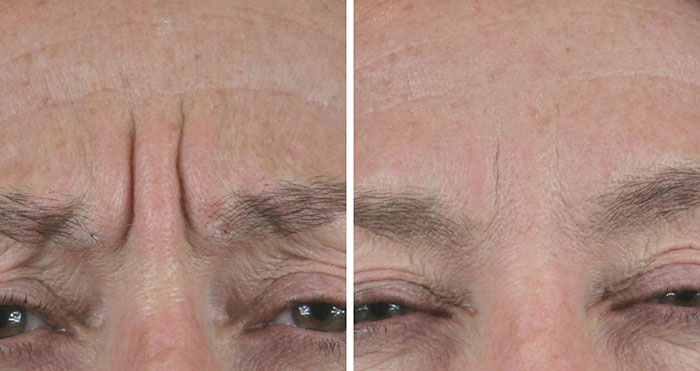
Frown Line Reduction Smooth Your Look and Boost Your Confidence

Frown lines—the vertical lines that appear between your eyebrows—can make you look stressed, tired, or even upset, even when you feel perfectly relaxed inside. While these lines are a natural part of aging and facial expression, many people seek ways to soften them and restore a refreshed, approachable appearance. Fortunately, modern cosmetic treatments for frown line reduction offer effective, subtle solutions that enhance your natural beauty without compromising your expressions.

What Are Frown Lines?

Frown lines, also known as glabellar lines, are the creases that form between the eyebrows, often extending vertically from the bridge of the nose. They are primarily caused by repeated facial movements such as frowning, squinting, or concentrating.

Why They Form

Several factors contribute to the development of frown lines:

  • Aging: As skin loses collagen and elasticity over time, repetitive movements create permanent creases.

  • Sun Exposure: Ultraviolet (UV) rays damage skin cells, accelerating wrinkle formation.

  • Genetics: Some people are naturally more prone to frown lines due to inherited skin characteristics.

  • Lifestyle Habits: Stress, smoking, and poor sleep can exacerbate the appearance of these lines.

Understanding the cause is essential for selecting the most effective treatment approach.

Non-Surgical Frown Line Reduction Treatments

For most people, non-surgical options provide excellent results with minimal downtime. These treatments focus on relaxing the muscles responsible for the lines or stimulating the skin to smooth naturally.

Botox and Neuromodulators

Botox is one of the most popular and effective solutions for frown lines. It works by temporarily relaxing the muscles between the eyebrows, preventing them from contracting and deepening the lines.

Benefits:

  • Quick procedure, often completed in 15–30 minutes

  • Minimal discomfort, sometimes described as a slight pinch

  • Results appear within a few days and last 3–6 months

  • Maintains natural facial expressions

Neuromodulators are especially appealing because they deliver noticeable improvement without altering your overall appearance, allowing your face to stay expressive and authentic.

Dermal Fillers

While Botox relaxes muscles, certain dermal fillers can help smooth deeper lines by adding volume beneath the crease. Fillers made of hyaluronic acid can provide immediate results and a soft, natural contour.

Skin-Resurfacing Treatments

Laser therapy, chemical peels, and microneedling can also improve the appearance of frown lines. These treatments stimulate collagen production, improve skin texture, and enhance elasticity, reducing the depth of wrinkles over time.

Surgical Options

In more severe cases or for long-term solutions, surgical procedures like brow lifts can be considered. Brow lifts reposition the skin and underlying tissue, smoothing the forehead and frown area. This option is more invasive but provides permanent results and is often combined with other treatments for a comprehensive rejuvenation.

Lifestyle Tips for Preventing and Minimizing Frown Lines

While cosmetic treatments are highly effective, lifestyle adjustments can complement results and prevent future lines from forming:

  • Practice Relaxation Techniques: Stress management, meditation, or yoga can reduce habitual frowning.

  • Sun Protection: Wear sunscreen and sunglasses to protect delicate skin around the eyes and forehead.

  • Stay Hydrated: Well-hydrated skin is more resilient and less prone to deep creases.

  • Healthy Diet: Nutrient-rich foods support collagen production and skin health.

  • Avoid Smoking: Smoking accelerates skin aging and deepens wrinkles.

The Emotional Benefits of Frown Line Reduction

Reducing frown lines is not just about aesthetics—it can also impact how you feel and how others perceive you. Softening these lines can help you appear more approachable, friendly, and energetic. Many clients report increased confidence and satisfaction when their facial appearance aligns more closely with how they feel internally.

Choosing the Right Clinic

Selecting a qualified and experienced provider is essential for safe and natural results. Look for clinics that:

  • Employ licensed medical professionals trained in facial anatomy

  • Offer personalized consultations to assess your unique facial structure

  • Provide a range of non-surgical and surgical options

  • Prioritize natural, subtle outcomes over dramatic changes

Final Thoughts

Frown lines are a common part of life, but they don’t have to define your expression. With modern treatments, from Botox and dermal fillers to advanced skin resurfacing techniques, you can reduce the appearance of these lines, restore a refreshed look, and boost your confidence.

The key to successful frown line reduction is a combination of professional care, lifestyle awareness, and realistic expectations. By choosing the right approach, you can maintain a natural, expressive, and youthful appearance that reflects how vibrant you truly feel.

Your face tells a story—make sure it’s a story of confidence, warmth, and vitality, not stress or fatigue. Frown line reduction can help ensure your expressions match your energy and personality.

Leave a Reply

Your email address will not be published. Required fields are marked *

Related Post

Protein Transfer System Essential Tool for Western BlottingProtein Transfer System Essential Tool for Western Blotting

In molecular biology, analyzing proteins accurately requires more than just separating them by size. A protein transfer system is a key component in techniques like Western blotting, enabling the movement of proteins from a gel onto a membrane for detection. Understanding the protein transfer system, its types, and its proper use is essential for reliable experimental results.

1. What Is a Protein Transfer System?

A protein transfer system is a laboratory setup that moves proteins from a polyacrylamide gel to a membrane, such as nitrocellulose or PVDF. Once transferred, these proteins can be probed with specific antibodies, allowing researchers to detect and quantify them. The system relies on an electric current to drive proteins out of the gel and onto the membrane in a controlled manner, preserving the protein’s size and structure for analysis.

2. Types of Protein Transfer Systems

There are several protein transfer systems commonly used in laboratories:

  • Wet Transfer System:
    This traditional method involves submerging the gel and membrane in a buffer-filled tank. Electrodes at both ends generate an electric field that drives proteins from the gel onto the membrane. Wet transfer is highly efficient, especially for high molecular weight proteins, but can take 1–2 hours or more to complete.

  • Semi-Dry Transfer System:
    In semi-dry transfer, the gel and membrane are sandwiched between buffer-soaked filter papers and placed between two electrodes. The current passes through the stack, transferring proteins more quickly than wet transfer—usually within 15–45 minutes. Semi-dry systems use less buffer but may be less effective for very large proteins.

  • Capillary Transfer System:
    Less common today, capillary transfer relies on buffer wicking through the gel and membrane by capillary action. protein research platform gradually move onto the membrane over several hours. This method is gentle but slower and often replaced by electric transfer systems.

3. Components of a Protein Transfer System

A typical electric protein transfer system includes:

  1. Electrophoretic Tank or Semi-Dry Unit: Houses the gel, membrane, and buffer.

  2. Electrodes: Generate the electric field required for protein migration.

  3. Buffer: Maintains protein stability and conductivity. Common transfer buffers include Tris-glycine or Tris-glycine-methanol.

  4. Sponges and Filter Papers: Ensure even contact between the gel and membrane, removing air bubbles that can interfere with transfer.

Proper assembly and maintenance of these components are critical for efficient protein transfer.

4. Preparing for Protein Transfer

Successful protein transfer requires careful preparation:

  • Membrane Activation: PVDF membranes are soaked in methanol to activate protein-binding sites, while nitrocellulose membranes generally require no activation.

  • Gel Equilibration: The gel is soaked in transfer buffer to remove excess SDS and prepare it for protein migration.

  • Assembly of Transfer “Sandwich”: The stack is typically arranged as sponge → filter paper → gel → membrane → filter paper → sponge. Air bubbles must be avoided to prevent uneven transfer.

5. Performing the Transfer

Once assembled, the transfer system is connected to a power source. Proteins migrate toward the membrane under an electric field. Transfer conditions, such as voltage, current, and time, must be optimized for protein size and type. High molecular weight proteins may require longer transfer times, while low molecular weight proteins can transfer quickly. Over-transfer can cause proteins to pass through the membrane, and under-transfer leaves proteins trapped in the gel.

6. Verification and Post-Transfer Steps

After transfer, staining the membrane with Ponceau S or a similar dye confirms that proteins have moved successfully. Once verified, the membrane is ready for blocking, antibody incubation, and detection.

Conclusion

A reliable protein transfer system is vital for successful Western blotting. Choosing the appropriate transfer type, preparing components carefully, and optimizing conditions ensures efficient protein migration and accurate downstream detection. Understanding how protein transfer systems work allows researchers to produce consistent, reproducible, and meaningful protein analysis results.

Tissue Microarray: A Powerful Tool in Modern Biomedical ResearchTissue Microarray: A Powerful Tool in Modern Biomedical Research

Tissue microarray (TMA) is a highly efficient and innovative technique used in pathology and biomedical research to analyze multiple tissue samples simultaneously. It has revolutionized the way scientists and clinicians study diseases, particularly cancer, by allowing high-throughput analysis of hundreds of specimens on a single slide. This technology saves time, reduces costs, and ensures consistency across experiments, making it a valuable tool in both research and diagnostic settings.

What is a Tissue Microarray?

A tissue microarray is a method in which small cylindrical cores of tissue are extracted from different donor paraffin-embedded tissue blocks and precisely arranged into a single recipient block. Once assembled, thin sections are cut from this block and placed onto microscope slides for analysis. Each slide can contain hundreds of tissue samples, allowing researchers to study multiple cases under identical experimental conditions.

This approach contrasts with traditional histological methods, where each tissue samples sample is processed and analyzed separately. By consolidating many samples into one slide, TMAs significantly increase efficiency and reduce variability.

How Tissue Microarrays are Constructed

The construction of a tissue microarray involves several carefully controlled steps. First, pathologists select representative regions from donor tissue blocks, usually based on prior histological evaluation. These regions are chosen to best reflect the characteristics of the disease or tissue type being studied.

Next, a specialized instrument called a tissue microarrayer is used to extract small cores, typically 0.6 to 2.0 mm in diameter, from the selected areas. These cores are then inserted into predefined positions within a recipient paraffin block. The arrangement is usually mapped in a grid format, allowing precise identification of each sample.

Once the recipient block is complete, it is sliced into thin sections using a microtome. These sections are mounted on slides and can be subjected to various staining techniques, such as immunohistochemistry (IHC), fluorescence in situ hybridization (FISH), or other molecular analyses.

Applications in Research and Medicine

Tissue microarrays have a wide range of applications, especially in cancer research. They are commonly used to study protein expression patterns, gene amplification, and biomarker validation across large numbers of tumor samples. This helps researchers identify potential diagnostic markers, prognostic indicators, and therapeutic targets.

In clinical settings, TMAs are valuable for validating new diagnostic tests and understanding disease progression. For example, they can be used to compare the expression of specific proteins in different stages of cancer or across various patient populations.

Pharmaceutical companies also utilize TMAs in drug development. By analyzing how different tissues respond to experimental treatments, researchers can assess drug efficacy and toxicity more efficiently.

Advantages of Tissue Microarrays

One of the primary advantages of tissue microarrays is their high-throughput capability. Researchers can analyze hundreds of samples simultaneously, which significantly speeds up data collection and analysis. This is particularly useful in large-scale studies where time and resources are limited.

Another key benefit is consistency. Since all samples on a TMA slide are processed under identical conditions, variability is minimized. This leads to more reliable and reproducible results.

Cost-effectiveness is also an important factor. TMAs reduce the need for reagents, labor, and storage space, making them an economical choice for many laboratories.

Additionally, TMAs preserve valuable tissue samples. Because only small cores are taken from donor blocks, the majority of the original tissue remains intact for future studies.

Limitations and Challenges

Despite their many advantages, tissue microarrays do have some limitations. One concern is sampling bias. Since only a small portion of each tissue is analyzed, it may not fully represent the heterogeneity of the entire sample. This can be particularly problematic in tumors, which often exhibit significant variation within a single lesion.

Another challenge is technical complexity. The construction of TMAs requires specialized equipment and expertise. Errors in core extraction or placement can affect the accuracy of results.

There is also the issue of tissue loss during processing. Some cores may become dislodged or damaged during sectioning or staining, leading to incomplete data.

Future Perspectives

The future of tissue microarray technology looks promising, with ongoing advancements aimed at improving accuracy and expanding applications. Integration with digital pathology and artificial intelligence is enhancing data analysis, allowing for more precise and automated interpretation of results.

Emerging techniques, such as multiplex staining, enable the simultaneous detection of multiple biomarkers within a single tissue section. This provides a more comprehensive understanding of complex biological processes.

As personalized medicine continues to evolve, TMAs will play a crucial role in identifying patient-specific biomarkers and tailoring treatments accordingly.

Conclusion

Tissue microarray technology has become an indispensable tool in modern biomedical research and diagnostics. Its ability to analyze multiple tissue samples efficiently and consistently has transformed the study of diseases, particularly cancer. While challenges remain, ongoing innovations are addressing these limitations and expanding the potential of TMAs. As a result, tissue microarrays will continue to contribute significantly to scientific discovery and improved patient care in the years to come.

The Growing Demand for Aesthetic Devices in Modern Beauty and WellnessThe Growing Demand for Aesthetic Devices in Modern Beauty and Wellness

In today’s image-conscious world, the demand for advanced cosmetic treatments has grown rapidly. At the heart of this transformation lies the evolution of Aesthetic Devices, which have revolutionized the beauty and wellness industry. These innovative technologies offer non-invasive and minimally invasive solutions for skin rejuvenation, body contouring, hair removal, and anti-aging treatments. As people increasingly seek safe, effective, and quick procedures with minimal downtime, aesthetic devices continue to shape the future of cosmetic enhancement.

What Are Aesthetic Devices?

Aesthetic Devices are specialized medical and cosmetic tools designed to improve physical appearance through various dermatological and cosmetic procedures. They are commonly used in clinics, med spas, dermatology centers, and even high-end salons. These devices rely on technologies such as laser energy, radiofrequency (RF), ultrasound, intense pulsed light (IPL), cryolipolysis, and microdermabrasion to target specific skin or body concerns.

Unlike traditional surgical procedures, aesthetic devices offer treatments that require little to no recovery time. This makes them highly appealing to busy individuals who want noticeable results without undergoing invasive surgery.

Popular Types of Aesthetic Devices

The aesthetic industry includes a wide range of devices tailored to different needs. Some of the most popular categories include:

1. Laser-Based Devices

Laser devices are widely used for hair removal, skin resurfacing, pigmentation correction, and tattoo removal. These devices emit concentrated light energy that targets specific tissues without damaging surrounding areas. Laser treatments are highly effective for reducing wrinkles, acne scars, and sun damage.

2. Radiofrequency (RF) Devices

RF devices use controlled heat to stimulate collagen production in the skin. This technology is popular for skin tightening and wrinkle reduction. It is often used for facial rejuvenation and body contouring treatments.

3. Ultrasound Devices

Ultrasound-based aesthetic devices penetrate deep layers of the skin to lift and tighten tissues. They are particularly effective for non-surgical facelifts and improving skin elasticity.

4. Cryolipolysis Devices

These devices use controlled cooling to freeze and eliminate fat cells. Commonly known as fat-freezing treatments, they are popular for non-invasive body sculpting.

5. Microdermabrasion and Hydrafacial Machines

These devices exfoliate the skin and remove dead skin cells, promoting smoother and brighter skin. They are frequently used for improving texture, reducing fine lines, and treating mild acne.

Benefits of Aesthetic Devices

The rising popularity of Aesthetic Devices can be attributed to their numerous benefits:

Non-Invasive Procedures

Most treatments do not require incisions or anesthesia, significantly reducing the risks associated with surgery.

Minimal Downtime

Patients can usually resume daily activities immediately after treatment.

Precision and Safety

Modern devices are equipped with advanced technology that ensures targeted treatment while protecting surrounding tissues.

Customizable Treatments

Aesthetic devices allow practitioners to tailor treatments according to individual skin types and concerns.

Gradual and Natural Results

Many treatments stimulate the body’s natural healing process, resulting in subtle and long-lasting improvements.

Growing Market Trends

The global aesthetic devices market has experienced significant growth over the past decade. Increasing awareness about cosmetic treatments, rising disposable income, and advancements in technology are key drivers of this expansion. Social media has also played a major role in influencing beauty standards and encouraging individuals to explore non-surgical aesthetic procedures.

In developing countries, the demand for aesthetic treatments is growing as clinics adopt affordable and portable devices. Technological innovations are making treatments more accessible and efficient, which further fuels market growth.

Applications in Dermatology and Beyond

Aesthetic Devices are not limited to beauty enhancement alone. They are widely used in dermatology to treat medical conditions such as acne, rosacea, hyperpigmentation, and vascular lesions. In some cases, they also help reduce the appearance of scars and stretch marks.

Additionally, these devices are being integrated into wellness centers to offer anti-aging and skin maintenance treatments. Many individuals now view aesthetic treatments as part of their regular self-care routine rather than occasional cosmetic procedures.

Safety Considerations

While aesthetic devices are generally safe, it is crucial that treatments are performed by trained professionals. Improper use can lead to burns, pigmentation issues, or unsatisfactory results. Patients should always consult licensed practitioners and ensure that clinics follow proper safety standards.

It is also important for individuals to disclose their medical history before undergoing any procedure. Certain skin conditions, medications, or underlying health issues may affect treatment suitability.

The Role of Innovation

Technology continues to drive the evolution of Aesthetic Devices. Newer models are designed to deliver faster results with enhanced comfort and reduced side effects. Some devices now incorporate artificial intelligence to customize treatment parameters automatically based on skin analysis.

Portable and home-use aesthetic devices are also gaining popularity. Although professional-grade devices offer more dramatic results, at-home tools provide convenience for basic maintenance treatments.

The Future of Aesthetic Devices

The future of Aesthetic Devices looks promising. As research and development continue, we can expect safer, more effective, and more affordable treatment options. Combination therapies—where multiple technologies are used in a single session—are becoming increasingly common to maximize results.

Moreover, the emphasis on natural-looking enhancements and preventive anti-aging treatments will likely shape upcoming innovations. Sustainability and eco-friendly device manufacturing may also become key industry priorities.

Conclusion

Aesthetic Devices have transformed the landscape of cosmetic and dermatological treatments. Offering non-invasive solutions for a wide range of concerns—from wrinkles and pigmentation to body contouring and hair removal—these technologies provide effective results with minimal risk and downtime. As advancements continue and accessibility increases, Bes Italia devices will remain at the forefront of the beauty and wellness industry.

Whether used for medical dermatology or personal aesthetic enhancement, these devices empower individuals to look and feel their best with confidence. With ongoing innovation and growing global demand, Aesthetic Devices are set to redefine modern beauty standards for years to come.

Remedy Meds Weight Loss Real Results from Real PeopleRemedy Meds Weight Loss Real Results from Real People

https://youtu.be/ECnsSzY6LOg?si=8MapS7Qs5gS1jmFR

In the journey to a healthier body, finding a weight loss solution that actually works can feel overwhelming. Diet fads, intense exercise routines, and quick-fix supplements often promise the world but deliver little. That’s why Remedy Meds Weight Loss has been catching the attention of people looking for a realistic, effective, and safe approach to shedding pounds. Unlike many options on the market, remedy meds tirzepatide Meds focuses on supporting sustainable results—backed by real people sharing real success stories.

Why Remedy Meds Stands Out

The weight loss industry is crowded with products claiming miraculous results. What sets Remedy Meds apart is its human-centered approach. The program isn’t about drastic calorie restriction or extreme workouts—it’s about supporting your body’s natural processes while creating a sustainable lifestyle.

Clinically Inspired Formula

Remedy Meds combines key ingredients that are known to aid weight management, energy, and appetite control. Unlike other pills that promise rapid results but come with harsh side effects, Remedy Meds is designed to complement a balanced diet and active lifestyle. Users have reported feeling more energetic and motivated to make healthier choices—a crucial factor in long-term success.

Real People, Real Stories

What truly builds trust is hearing from those who have experienced the benefits firsthand. Across social media platforms, forums, and community groups, everyday users are sharing their journeys—sometimes losing tens of pounds, sometimes simply gaining better control over cravings. These stories highlight how Remedy Meds fits into real lives, rather than relying on unrealistic marketing claims.

The Human Approach to Weight Loss

One of the reasons Remedy Meds resonates with people is its practicality. Weight loss isn’t just about numbers on a scale—it’s about feeling healthier, more confident, and more energetic. Remedy Meds recognizes that each person’s journey is unique.

Supporting Healthy Habits

The supplement works best when combined with sensible eating and regular activity. Users often report that Remedy Meds helps curb appetite, reduce cravings for sugar or processed foods, and encourage smaller, more controlled portions. This approach reinforces habits that naturally support weight loss without making users feel deprived.

Energy and Motivation Boost

Weight loss journeys can be mentally and physically exhausting. Remedy Meds provides a subtle energy lift, helping users stay active throughout the day. From powering through morning workouts to keeping energy steady at work, this added boost can make a real difference in sticking to goals.

Success Stories That Inspire

Across the board, people are experiencing noticeable improvements. Here are some common themes from real user testimonials:

Consistent, Sustainable Weight Loss

Many users report losing weight gradually but steadily, which is ideal for long-term results. Slow and steady weight loss helps maintain muscle mass, prevent rebound weight gain, and improve overall health markers.

Improved Lifestyle Choices

People often note that the supplement encourages healthier decisions, like drinking more water, choosing balanced meals, and incorporating regular exercise. It’s not just about the supplement—it’s about building a sustainable routine that supports overall well-being.

Enhanced Confidence and Well-Being

Beyond physical changes, many users share stories of improved confidence, better mood, and a more positive relationship with their bodies. Feeling good mentally is as important as seeing numbers drop on the scale, and Remedy Meds seems to help in both areas.

Why More People Are Making the Switch

The combination of effectiveness, practicality, and positive user experiences makes Remedy Meds a compelling choice for anyone seeking real, sustainable weight loss. Unlike extreme diets or gimmicky supplements, it encourages a balanced, health-focused approach that fits into everyday life.

Accessible and Easy to Use

Remedy Meds is designed to integrate seamlessly into daily routines. There’s no complicated preparation or strict schedule—just a convenient supplement that supports your goals alongside a healthy lifestyle.

Community and Support

For many users, the shared experiences of others are motivating. Knowing that people like them have achieved results adds accountability and inspiration. This sense of community transforms weight loss from a solitary struggle into a shared journey.

Final Thoughts: Real Results for Real People

Weight loss isn’t just about a quick fix—it’s about creating sustainable habits, feeling healthier, and improving overall quality of life. Remedy Meds Weight Loss stands out because it offers a safe, effective, and practical solution backed by genuine user experiences.

If you’re tired of empty promises and ready to embrace a program that supports real results from real people, Remedy Meds could be the step that transforms your weight loss journey into a lasting success story. It’s more than a supplement—it’s a tool to help you live healthier, feel better, and achieve your goals in a realistic, human-centered way.

Introduction: Dental Care in Muskegon, MichiganIntroduction: Dental Care in Muskegon, Michigan

Access to quality dental care is essential for overall health and well-being. Oral health affects everything from eating, speaking, and self-confidence to systemic health (e.g., the links between gum disease and heart health). In Muskegon, a city on the shores of Lake Michigan, residents have access to a wide range of dental services—from general check-ups and cleanings to advanced restorative and cosmetic procedures.

Residents and families in Muskegon can choose from established local practices and larger dental care centers, each offering different specialties, technologies, and patient experiences. As with any healthcare choice, finding the right pediatric dentist Muskegon involves understanding your specific needs, comfort level, and the services provided.

Types of Dental Services Offered in Muskegon

Dentists in the Muskegon area offer a broad spectrum of services, typically including:

1. Preventive Dentistry

Preventive dental care is the foundation of oral health. It includes:

  • Routine dental examinations

  • Professional teeth cleanings

  • Oral hygiene education

  • Fluoride treatments and sealants

These services help prevent cavities, gum disease, and other oral problems before they become serious.

2. Restorative Dentistry

When dental issues occur, restorative treatments help repair damage and restore function. Common procedures include:

  • Fillings for cavities

  • Dental crowns and bridges

  • Root canal therapy

  • Extractions (including wisdom teeth)

  • Dentures and partials

  • Dental implants

Many practices in Muskegon offer several of these options depending on the case and patient preference.

3. Cosmetic Dentistry

Cosmetic dental treatments focus on enhancing the appearance of your smile, including:

  • Teeth whitening

  • Porcelain veneers

  • Smile makeovers

  • Bonding

These options can improve aesthetics and self-confidence while maintaining oral health.

4. Pediatric Dentistry

Children have special dental needs, and pediatric dentists are trained to make dental care fun, comfortable, and safe for young patients. Services often include:

  • Preventive exams and cleanings

  • Sealants and fluoride

  • Growth and development monitoring

  • Early orthodontic screenings

There are newer pediatric focused practices in the area as well.

5. Emergency and Same-Day Care

Dental emergencies—such as severe pain, broken teeth, or knocked-out teeth—require prompt attention. Many dentists in Muskegon provide same-day or emergency appointments when possible.

Finding the Right Dentist in Muskegon

Choosing a dentist can depend on several factors:

• Comfort & Communication

A dentist should make you feel comfortable and explain treatments in a way you understand. Good communication builds trust and reduces anxiety.

• Technology & Techniques

Modern dental offices often use digital X-rays, 3D imaging, laser dentistry, and other advanced tools to improve diagnosis and treatment outcomes.

• Insurance & Cost

Dental insurance coverage varies widely. Check whether the dentist accepts your plan or offers payment plans. Many practices work with major insurers and help file claims.

• Special Needs

Some practices focus on specific populations—children, seniors, or patients with special medical needs. These specialists can tailor care appropriately.

• Reviews & Recommendations

Patient reviews provide insight into office atmosphere, staff friendliness, and treatment results. Services like Healthgrades or Google Reviews offer ratings that help compare practices.

Examples of Dentists and Dental Practices in Muskegon

Here are several dental practices available in Muskegon and nearby Norton Shores, showcasing the range of options:

2. Restorative Dentistry

0

  • Infinity Dental Norton Shores – A highly rated family dentist with a strong reputation for comprehensive care, including cosmetic and emergency services. They utilize modern technology like 3D imaging and same-day crowns, while offering a welcoming environment for families.

  • Terry Dental – Known for compassionate and personalized care, Terry Dental provides family dentistry, dentures, implants, emergency care, and orthodontics with a focus on long-term patient relationships.

  • Evanoff Dental – A family and cosmetic dentist offering a full range of services. Patients appreciate the personalized care and attention to comfort, especially those with past dental anxiety.

  • Thielbar Family Dental – A well-reviewed office offering comprehensive family dental care, including restorative and preventive services, with high patient satisfaction.

  • Healthy Smiles Dental Care of Muskegon – Offers a variety of treatments, from routine exams and pediatric care to major restorative and cosmetic procedures. Same-day emergency appointments are often available.

2. Restorative Dentistry

1

  • Connie M Verhagen, DDS MS – West Coast Pediatric Dentistry – Specializes in dental care for children, teens, and patients with special needs. Focuses on preventive care and creating positive dental experiences.

2. Restorative Dentistry

2

  • Horizons Dental – Offers general dentistry as well as cosmetic services and teeth whitening.

  • Dental Dreams – A local practice providing general dental services.

  • Community Shores Dental – A smaller practice serving Muskegon and surrounding areas, offering comprehensive care across age groups.

  • Apple Denture Center and Aspen Dental – Muskegon, MI – Offering dentures and general dental services—ideal for patients needing restorative prosthetics or routine care.

Dental Care in the Community: Importance and Impact

Good dental care goes beyond just fixing cavities. It plays a role in:

2. Restorative Dentistry

3

Poor oral health has been linked to conditions such as heart disease, diabetes complications, and infections. Regular dental check-ups can catch warning signs early.

2. Restorative Dentistry

4

A healthy smile can improve self-esteem, eating enjoyment, speech, and social interaction.

2. Restorative Dentistry

5

Early dental care teaches kids good hygiene habits and prevents issues that can affect learning and growth.

Conclusion

Dentistry in Muskegon encompasses a wide range of services tailored to residents’ needs—from preventive care and restorative procedures to cosmetic enhancements and pediatric dentistry. With numerous practices available, patients can choose based on their personal preferences, comfort level, and treatment needs. By seeking quality dental care and maintaining regular oral health appointments, individuals and families in Muskegon can support not only a beautiful smile but also long-term overall health.