
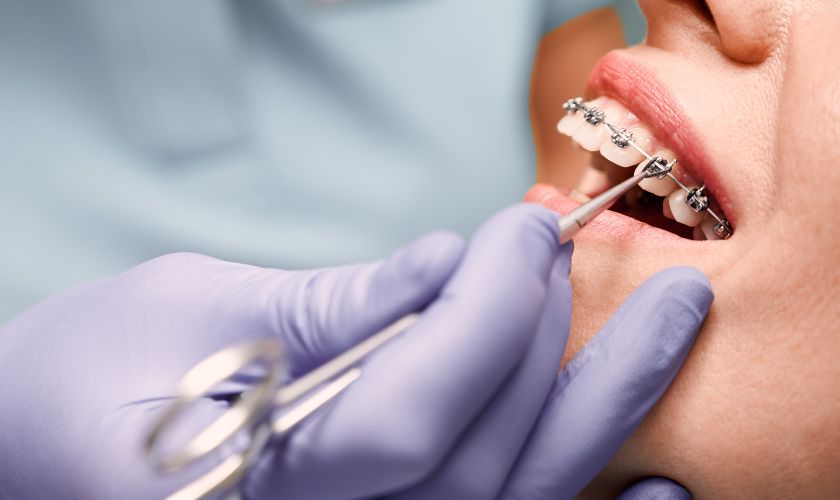
When it comes to achieving a healthier, straighter smile, visiting an orthodontist is often the best decision you can make. Many people assume orthodontic care is only for teenagers, but the truth is orthodontic treatment is suitable for children, adults, and even seniors. Whether you are struggling with crooked teeth, bite issues, or jaw alignment problems, an orthodontist can help you improve both your appearance and oral health.
In this detailed guide, we will explore what an orthodontist does, why orthodontic treatment matters, the different treatment options available, and how to choose the right orthodontist for your needs.
What Is an Orthodontist?
An orthodontist is a dental specialist who focuses on diagnosing, preventing, and treating misaligned teeth and jaws. Orthodontists receive additional years of training after dental school, allowing them to specialize in correcting issues such as crooked teeth, overbites, underbites, and other bite-related problems.
While a general dentist can provide basic dental care like fillings, cleanings, and crowns, an orthodontist has advanced expertise in orthodontic appliances and long-term teeth alignment solutions.
Orthodontists commonly use treatments such as braces, clear aligners, retainers, and other corrective devices to guide teeth into the correct position.
Why Should You Visit an Orthodontist?
Many people visit an orthodontist for cosmetic reasons, but orthodontic care goes far beyond aesthetics. Straight teeth and a properly aligned bite can have major health benefits.
Here are some of the most important reasons to see an orthodontist:
1. Improve Your Smile and Confidence
A straighter smile can boost self-confidence. People who feel insecure about crooked or crowded teeth may avoid smiling or speaking confidently. Orthodontic treatment can transform the appearance of your smile, helping you feel more comfortable in social and professional situations.
2. Better Oral Hygiene
Crooked teeth can create tight spaces that are difficult to clean. This increases the risk of plaque buildup, cavities, and gum disease. By aligning your teeth properly, orthodontic treatment makes brushing and flossing easier and more effective.
3. Fix Bite Problems
A misaligned bite can cause issues such as jaw pain, headaches, and uneven wear on teeth. An orthodontist can correct bite problems to improve overall comfort and prevent long-term damage.
4. Prevent Future Dental Issues
Orthodontic treatment can reduce the risk of serious dental complications later in life. Misalignment can lead to chipped teeth, gum recession, and even tooth loss if left untreated.
5. Improve Speech and Chewing
Some bite and alignment problems affect speech clarity or make chewing difficult. By correcting the position of the teeth and jaw, an orthodontist Riverside can improve functionality and comfort.
Common Dental Problems an Orthodontist Treats
Orthodontists treat a wide variety of alignment and bite issues. Some of the most common include:
Overbite
An overbite occurs when the upper front teeth overlap the lower teeth excessively. Mild overbites are common, but severe overbites may cause jaw discomfort and tooth damage.
Underbite
An underbite happens when the lower teeth sit in front of the upper teeth. This condition may lead to difficulty chewing and can affect facial appearance.
Crossbite
A crossbite occurs when some upper teeth sit inside the lower teeth instead of outside. This can cause uneven tooth wear and gum recession.
Open Bite
An open bite means the upper and lower teeth do not touch when the mouth is closed. This can make biting into food difficult and may cause speech issues.
Crowding
Crowded teeth occur when there is not enough space in the jaw for all teeth to fit properly. This often leads to overlapping or twisted teeth.
Spacing Issues
Some people have gaps between teeth due to missing teeth, small teeth, or jaw growth issues. Orthodontic treatment can close these gaps for a more balanced smile.
Orthodontic Treatment Options
Modern orthodontics offers more choices than ever before. A professional orthodontist will recommend the most suitable treatment based on your needs, lifestyle, and budget.
Traditional Metal Braces
Metal braces are one of the most common and effective orthodontic treatments. They use brackets and wires to gradually move teeth into alignment.
Advantages of metal braces:
- Highly effective for complex cases
- Durable and reliable
- Often more affordable than other options
Metal braces are especially popular among teenagers, but adults can benefit from them as well.
Ceramic Braces
Ceramic braces function similarly to metal braces, but they use tooth-colored brackets that blend in with natural teeth.
Benefits of ceramic braces:
- Less noticeable than metal braces
- Effective for many orthodontic problems
However, ceramic braces may be slightly more expensive and can stain if not cared for properly.
Lingual Braces
Lingual braces are placed behind the teeth rather than on the front, making them nearly invisible.
Why some patients choose lingual braces:
- Hidden appearance
- Effective for moderate to severe alignment issues
They may take longer to adjust to and can be more expensive than traditional braces.
Clear Aligners (Invisalign and Similar Brands)
Clear aligners are a popular option for adults and teens who want a discreet orthodontic solution. These removable trays gradually shift teeth into place.
Advantages of clear aligners:
- Nearly invisible
- Removable for eating and brushing
- Comfortable compared to braces
However, clear aligners require discipline, as they must be worn 20–22 hours per day for effective results.
Retainers
After braces or aligners, retainers are used to keep teeth in their new position. Teeth naturally shift over time, so retainers play a crucial role in maintaining results.
Orthodontists may recommend fixed or removable retainers depending on the case.
What to Expect During an Orthodontist Visit
If you’ve never visited an orthodontist before, the process may seem intimidating. Fortunately, orthodontic consultations are straightforward and informative.
Here’s what typically happens:
Initial Consultation
Your orthodontist will examine your teeth, jaw alignment, and bite. They may ask questions about your dental history and any discomfort you experience.
X-Rays and Scans
Orthodontists often take X-rays, digital scans, or impressions of your teeth. These images help them understand the structure of your jaw and create an effective treatment plan.
Treatment Plan Discussion
After reviewing your results, the orthodontist will explain your options. They will discuss the recommended treatment type, expected timeline, and estimated cost.
Starting Treatment
If you decide to proceed, your orthodontist will schedule an appointment to apply braces or provide aligners.
How Long Does Orthodontic Treatment Take?
The duration of orthodontic treatment depends on the complexity of your case. On average, treatment lasts between 12 to 24 months, but some cases may take longer.
Factors affecting treatment time include:
- Severity of misalignment
- Type of orthodontic appliance used
- Patient compliance (especially with aligners)
- Age and jaw development
Children and teenagers may respond faster due to ongoing jaw growth, while adults may take slightly longer.
Orthodontist for Children vs Adults
Orthodontic care is beneficial at any age, but the treatment approach may differ.
Orthodontist for Children
Children should visit an orthodontist around the age of 7, according to many dental experts. Early orthodontic evaluations can identify potential problems before they become severe.
Early treatment may include:
- Space maintainers
- Palatal expanders
- Partial braces
This can guide jaw growth and prevent complex issues later.
Orthodontist for Adults
Adults are increasingly seeking orthodontic care, especially with modern options like clear aligners. Many adults choose treatment for cosmetic improvement or to correct bite problems that cause discomfort.
The good news is that orthodontic treatment works at any age, as long as teeth and gums are healthy.
How Much Does an Orthodontist Cost?
The cost of orthodontic treatment varies depending on location, the orthodontist’s expertise, and the type of treatment.
General cost factors include:
- Metal braces vs ceramic braces
- Clear aligners vs braces
- Length of treatment
- Additional dental work needed
Some orthodontists offer payment plans, financing options, and insurance support to make treatment more affordable.
While orthodontic care can be an investment, the long-term benefits often outweigh the cost, especially when it prevents future dental issues.
How to Choose the Right Orthodontist
Choosing the right orthodontist is crucial for achieving safe and lasting results. Here are some tips to help you make the best decision:
Check Qualifications and Experience
Make sure your orthodontist is certified and has proper training in orthodontics. Experience in handling cases similar to yours is a major advantage.
Read Reviews and Testimonials
Patient reviews can provide insight into the orthodontist’s professionalism, staff behavior, and overall treatment success.
Ask About Treatment Options
A good orthodontist will offer multiple solutions rather than pushing one treatment. Ask about braces, aligners, and other alternatives.
Consider Technology and Equipment
Modern orthodontic clinics often use digital scans, advanced imaging, and updated techniques. This can improve accuracy and comfort.
Evaluate Comfort and Communication
You should feel comfortable asking questions. A trustworthy orthodontist will explain procedures clearly and make you feel confident in your treatment plan.
Caring for Your Teeth During Orthodontic Treatment
Orthodontic treatment requires proper care to ensure the best results.
Here are some important tips:
- Brush after every meal to avoid plaque buildup
- Floss daily using floss threaders or water flossers
- Avoid sticky foods like gum or caramel
- Limit sugary snacks and drinks
- Attend all scheduled orthodontic appointments
- Wear rubber bands or aligners as instructed
Following your orthodontist’s guidance is essential to avoid delays and complications.
Life After Orthodontic Treatment
Once your braces come off or your aligner treatment ends, you will enjoy the benefits of a straighter smile. However, the journey does not stop there. Retainers are necessary to prevent teeth from shifting back.
Your orthodontist will provide a retention plan, which may include:
- Wearing retainers full-time for several months
- Switching to nighttime retainer wear long-term
- Regular check-ups to monitor stability
Proper retainer use ensures your smile remains perfect for years.
Final Thoughts on Visiting an Orthodontist
A professional orthodontist can dramatically improve both the appearance and function of your teeth. From correcting bite issues to enhancing confidence, orthodontic treatment offers long-lasting benefits that go beyond cosmetics. With modern advancements like clear aligners, ceramic braces, and customized treatment plans, it has never been easier to achieve a healthier smile.
If you are considering braces or aligners, scheduling a consultation with an orthodontist is the first step. The sooner you begin treatment, the sooner you can enjoy the comfort, health, and confidence that comes with a beautifully aligned smile.
Whether you are a parent seeking early treatment for your child or an adult finally investing in your own smile, an orthodontist can provide the professional guidance and care needed for outstanding results.