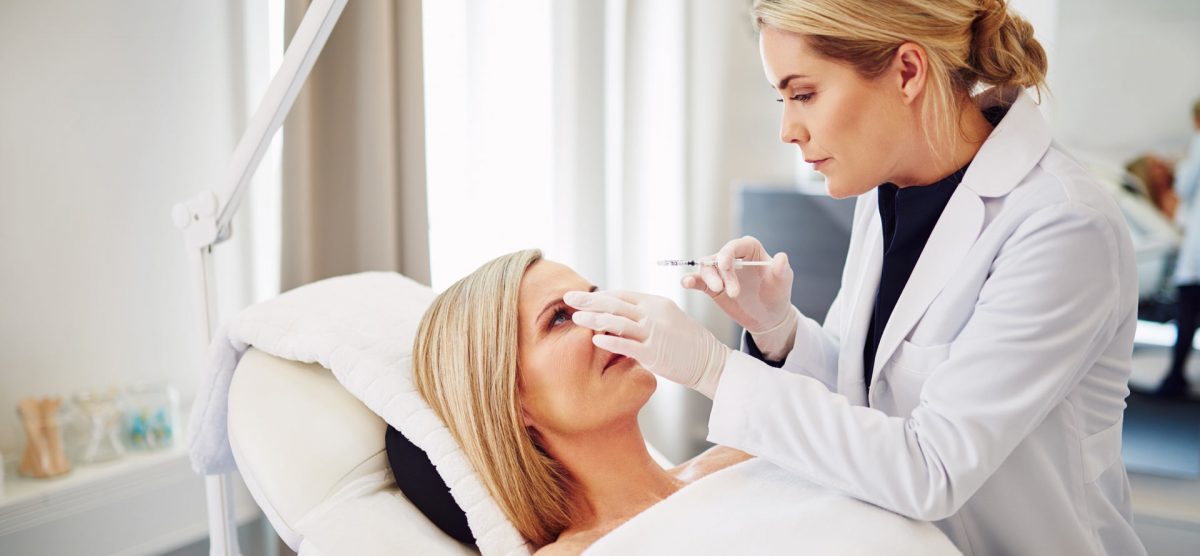
Botox Clinic: Where Confidence Meets Care

In today’s fast-paced world, looking fresh and feeling confident go hand in hand. Whether it’s preparing for a big presentation, attending a special event, or simply wanting to look as vibrant as you feel inside, Botox clinics have become a trusted destination for people seeking subtle, natural-looking rejuvenation. Far from the outdated stereotypes, modern Botox clinics are welcoming spaces focused on safety, precision, and personalized beauty.

What Is a Botox Clinic?

A Botox clinic is a specialized medical facility that offers non-surgical cosmetic treatments using botulinum toxin injections to reduce the appearance of fine lines and wrinkles. However, it’s not just about smoothing out crow’s feet or forehead lines. Today’s clinics provide a range of aesthetic and therapeutic treatments designed to enhance your natural features while maintaining facial expressions and authenticity.

From the moment you walk through the door, you’ll notice that a reputable Botox clinic prioritizes professionalism and comfort. Clean, modern interiors, friendly staff, and highly trained practitioners create an environment where clients feel at ease discussing their aesthetic goals.

Why People Choose Botox Treatments

A Non-Surgical Solution

One of the biggest appeals of Botox is that it offers noticeable results without surgery. There’s no need for lengthy recovery times or invasive procedures. Most appointments are completed within 20 to 30 minutes, making it possible to fit a session into a busy lunch break.

Quick and Subtle Results

Botox doesn’t drastically change your appearance. Instead, it softens lines and relaxes targeted muscles, giving your face a smoother and more refreshed look. Results typically begin to appear within a few days and can last for several months. The goal is not to look “frozen” but to look naturally rejuvenated.

Boosting Confidence

Many clients report feeling more confident after treatment. When you look in the mirror and see a refreshed version of yourself, it can positively impact your self-esteem. A Botox clinic isn’t about chasing perfection; it’s about enhancing what’s already there.

What to Expect During Your Visit

Personalized Consultation

Every reputable Botox clinic begins with a thorough consultation. This is where you discuss your concerns, medical history, and desired outcomes. A qualified practitioner will assess your facial structure and muscle movement before recommending a tailored treatment plan.

This personalized approach ensures that results align with your expectations. It’s not a one-size-fits-all procedure—each face is unique, and treatment should reflect that.

The Treatment Process

The procedure itself is relatively quick and minimally uncomfortable. Using a fine needle, small amounts of Botox are injected into specific muscles. Most people describe the sensation as a slight pinch. There is little to no downtime, and clients can usually return to normal activities immediately after their appointment.

Aftercare and Results

After treatment, you may be advised to avoid strenuous exercise or lying down for a few hours. Mild redness or swelling at the injection site is normal and usually subsides quickly. Within a few days, you’ll start noticing smoother skin and softened lines.

Choosing the Right Botox Clinic

Qualified and Experienced Practitioners

The most important factor when selecting a Botox clinic is the qualifications of the provider. Treatments should always be administered by licensed and trained medical professionals who understand facial anatomy. Experience plays a crucial role in achieving natural-looking results.

Clean and Professional Environment

A trustworthy clinic maintains high standards of hygiene and uses approved products. The environment should feel safe, transparent, and welcoming. Don’t hesitate to ask questions about the practitioner’s experience or the products being used.

Honest Communication

An ethical Botox clinic will never pressure you into treatments you don’t need. Instead, they’ll provide honest advice and realistic expectations. The best results come from open communication between client and practitioner.

Beyond Wrinkles: Additional Benefits

While Botox is widely known for cosmetic use, it also has therapeutic benefits. Many clinics offer treatments for conditions such as excessive sweating, migraines, and jaw tension. This versatility makes Botox clinics more than just beauty destinations—they can also contribute to improved quality of life.

The Modern Approach to Beauty

Today’s Botox clinics focus on subtle enhancement rather than dramatic transformation. The aim is to help you look like the best version of yourself. With advancements in techniques and a greater emphasis on individualized care, treatments are safer and more precise than ever before.

Beauty trends may change, but the desire to feel confident remains constant. A professional Botox clinic understands this balance between aesthetics and authenticity.

Final Thoughts

A Botox clinic is not just a place for cosmetic treatment; it’s a space dedicated to helping individuals feel comfortable and confident in their own skin. With expert guidance, personalized care, and modern techniques, clients can achieve refreshed, natural-looking results without compromising their unique features.

If you’re considering Botox, choose a clinic that values safety, transparency, and artistry. When performed by skilled hands, Botox can be a simple yet powerful way to maintain a youthful glow and embrace your confidence at any age.

Leave a Reply

Your email address will not be published. Required fields are marked *

Related Post

Comprehensive Dental Care in Boulder: What to ExpectComprehensive Dental Care in Boulder: What to Expect

Introduction

Choosing a dental provider is an important decision that affects your oral health, comfort, and confidence. For residents and visitors of Boulder, Colorado, comprehensive dental care is more than routine cleanings — it’s a full spectrum of services designed to prevent disease, restore oral function, and maintain lifelong dental wellness. In this article, we explore what “comprehensive dental care” really means, why it matters, and what you can expect when you visit a Boulder dental office Boulder Implant Dentist.

What Is Comprehensive Dental Care?

Comprehensive dental care goes beyond treating cavities and cleaning teeth. It’s a holistic approach that considers the structural, functional, and aesthetic aspects of oral health. A comprehensive dental practice typically offers:

  • Preventive care (cleanings, exams, X‑rays)

  • Restorative dentistry (fillings, crowns, bridges)

  • Cosmetic services (whitening, veneers)

  • Advanced diagnostics (digital imaging, oral cancer screenings)

  • Periodontal care (gum disease treatment)

  • Orthodontics and aligner therapy (traditional braces, Invisalign)

  • Emergency dentistry

  • Education and customized care plans

The goal is not just to treat symptoms, but to maintain optimal oral health through personalized prevention and treatment.

Why Boulder Residents Value Comprehensive Care

Boulder’s active, health‑focused community tends to seek providers who offer evidence‑based dental care with patient education and preventive strategies at the forefront. Comprehensive dental clinics in Boulder emphasize:

  • Patient involvement: Dentists work closely with patients to understand goals, concerns, and preferences.

  • Long‑term wellness: Instead of quick fixes, providers focus on lasting oral health.

  • Advanced technology: Digital tools improve accuracy and comfort, while reducing treatment time.

  • Comfort and accessibility: Many Boulder dentists prioritize a welcoming environment and patient comfort.

First Visit: What to Expect

Your first comprehensive dental appointment in Boulder is more than a cleaning — it’s an opportunity to establish your baseline oral health and build a long‑term care plan.

1. Patient History and Discussion

Expect a thorough interview about:

  • Your medical and dental history

  • Oral hygiene routines

  • Diet and lifestyle factors

  • Any pain, sensitivity, or cosmetic concerns

  • Previous dental experiences

This conversation helps the dentist understand your needs and expectations.

2. Digital X‑rays and Imaging

Most Boulder practices use digital radiography, which:

  • Reduces radiation exposure

  • Provides sharp images instantly

  • Helps detect hidden issues like bone loss, impacted teeth, or decay between teeth

Some offices may use 3D cone‑beam scans when advanced diagnostics are needed (e.g., implant planning).

3. Comprehensive Oral Exam

Your dentist will assess:

  • Teeth alignment and occlusion (how your bite fits together)

  • Condition of existing restorations (fillings, crowns)

  • Gum health

  • Soft tissues of the mouth (looking for signs of disease)

  • Temporomandibular joint (TMJ) function

  • Wear patterns that may suggest grinding or clenching

4. Professional Cleaning

A dental hygienist will:

  • Remove plaque and tartar

  • Polish teeth

  • Educate you about effective home care techniques

Deep cleanings (scaling and root planing) may be recommended if gum disease is present.

5. Personalized Treatment Plan

Based on findings, you’ll receive a tailored care plan. This may include:

  • Routine preventive schedule (every 6 months or customized)

  • Restorations for decay or broken teeth

  • Gum therapy if periodontal concerns exist

  • Options for cosmetic enhancement

  • Orthodontic assessment, if needed

Your treatment plan should align with your goals and budget, and the office will discuss timing and options.

Key Services in Comprehensive Dental Care

Preventive Dentistry

Preventive care minimizes the risk of dental problems before they arise. It includes:

  • Regular cleanings and exams

  • Fluoride treatments

  • Sealants to protect molars

  • Nutritional advice for oral‑friendly eating

  • At‑home care guidance

Studies consistently show that preventive care reduces the incidence of cavities, gum disease, and costly treatments later in life.

Restorative Dentistry

When problems arise, restorative treatments restore tooth function and structure. Common procedures include:

  • Fillings: Repair decay

  • Crowns: Restore cracked or weakened teeth

  • Bridges and implants: Replace missing teeth

  • Dentures and partials: Improve functionality for multiple missing teeth

With modern materials, restorations can be both durable and aesthetically pleasing.

Cosmetic Dentistry

Cosmetic services help you feel confident about your smile. Popular options in Boulder include:

  • Teeth whitening

  • Porcelain veneers

  • Bonding

  • Gum contouring

Cosmetic dentistry enhances appearance while maintaining function.

Orthodontic Services

Comprehensive care often includes tooth‑straightening options like:

  • Traditional braces

  • Clear aligners (e.g., Invisalign®)

Orthodontics can improve aesthetics and function, reducing wear and jaw discomfort.

Periodontal Therapy

Gum disease is one of the leading causes of tooth loss in adults. Comprehensive care includes:

  • Periodontal evaluation at every visit

  • Non‑surgical therapy (deep cleaning)

  • Surgical options for advanced disease

  • Maintenance programs to prevent recurrence

2. Digital X‑rays and Imaging

0

Accidents happen. Boulder dentists typically provide:

  • Same‑day or next‑day urgent care

  • Pain relief

  • Temporary stabilization and definitive treatment

Emergency access is essential in comprehensive care.

Patient Communication and Comfort

Boulder dental practices prioritize patient comfort and transparent communication. Techniques include:

  • Numbing and sedation options for anxious patients

  • Clear explanations of procedures

  • Visual aids and models

  • Open discussions about costs and insurance

A good dentist empowers patients to make informed choices.

Technological Advances in Boulder Dentistry

Modern dentist offices in Boulder integrate technology such as:

  • Intraoral scanners (no messy impressions)

  • Digital imaging and 3D scans

  • Laser dentistry for precision and comfort

  • CAD/CAM same‑day restorations

These tools improve diagnostics, efficiency, and patient experience.

Costs and Insurance

Comprehensive care can vary in cost depending on:

  • Services needed

  • Use of advanced technology

  • Insurance coverage

  • Payment plans or financing

Most Boulder practices work with major insurance carriers and offer flexible payment options.

Oral Health Beyond the Mouth

Dentists increasingly recognize the connection between oral health and systemic health. Poor dental health can:

  • Increase risk of cardiovascular disease

  • Affect pregnancy outcomes

  • Worsen diabetic control

A comprehensive dentist coordinates with your medical care when needed.

Conclusion

Comprehensive dental care in Boulder encompasses far more than a cleaning and exam. It’s a personalized, preventive, and technologically advanced approach aimed at lifelong oral wellness. From your first visit through ongoing maintenance and specialized treatments, you can expect a collaborative relationship designed to preserve health, restore function, and enhance your smile.

Whether you’re new to Boulder or looking to upgrade your dental care, understanding what comprehensive dentistry entails helps you choose a provider who meets your needs — with comfort, clarity, and confidence.

Overcome Challenges  Embrace Life Effective Psychotherapy SolutionsOvercome Challenges  Embrace Life Effective Psychotherapy Solutions

Life is full of challenges—stressful situations, relationship struggles, emotional upheavals, and personal obstacles can impact our mental and emotional well-being. While these experiences are a natural part of life, unresolved issues can lead to anxiety, depression, and difficulty navigating everyday life. Effective psychotherapy provides the support, strategies, and guidance necessary to overcome challenges and embrace life with confidence. Clinics like The Witch’s Therapist in London Ontario specialize in offering personalized therapeutic solutions that promote healing, growth, and resilience.

The Importance of Psychotherapy

Psychotherapy, or talk therapy, is a collaborative process between a trained therapist and a client. It creates a structured, confidential environment where individuals can explore their thoughts, emotions, and behaviors. Unlike informal advice or self-help methods, psychotherapy uses evidence-based techniques tailored to the client’s unique experiences and goals.

At The Witch’s Therapist in London Ontario, clients receive a professional and compassionate approach to address mental health concerns, build coping skills, and enhance overall well-being.

Why People Seek Psychotherapy

People turn to psychotherapy for a variety of reasons. Common challenges include:

  • Persistent anxiety or stress

  • Depression or low mood

  • Relationship and family difficulties

  • Trauma or unresolved past experiences

  • Difficulty adjusting to life transitions

  • Coping with grief or loss

No two journeys are the same, which is why effective psychotherapy is individualized. Therapists evaluate each person’s unique needs and develop strategies to address underlying issues while supporting personal growth.

Effective Psychotherapy Approaches

Professional psychotherapy integrates multiple approaches to help clients overcome challenges and improve their quality of life. Some of the most effective techniques include:

1. Cognitive-Behavioral Therapy (CBT)

CBT helps clients identify and change negative thought patterns that contribute to emotional distress. By learning to replace harmful thoughts with constructive ones, individuals gain better control over their emotions and behaviors.

2. Mindfulness and Stress Management

Mindfulness techniques teach clients to remain present and cultivate awareness of their thoughts and emotions without judgment. Practices such as meditation, breathing exercises, and guided imagery reduce stress and enhance emotional regulation.

3. Talk Therapy and Emotional Exploration

Talk therapy allows clients to explore emotions, experiences, and personal challenges in a safe and supportive setting. Therapists provide guidance, reflection, and coping strategies to help individuals navigate complex emotions and gain clarity.

4. Trauma-Informed Therapy

For those who have experienced trauma, trauma-informed therapy provides a structured approach to process past experiences safely, rebuild resilience, and develop healthy coping mechanisms.

Therapists at The Witch’s Therapist in London Ontario combine these techniques to create a holistic, personalized plan for each client, ensuring therapy addresses both immediate concerns and long-term mental health goals.

Creating a Safe Therapeutic Environment

A key component of effective psychotherapy is the therapeutic relationship. Clients need a safe space to express themselves openly, without fear of judgment or misunderstanding. At The Witch’s Therapist in London Ontario, the environment is designed to be welcoming, confidential, and supportive. This foundation allows clients to feel heard, validated, and empowered throughout their healing journey.

Benefits of Psychotherapy

Engaging in professional The Witch’s Therapist in London Ontario offers numerous benefits, including:

  • Reduced symptoms of anxiety, depression, and stress

  • Improved emotional resilience and coping skills

  • Enhanced self-awareness and personal insight

  • Strengthened relationships and communication abilities

  • Greater confidence and clarity in decision-making

By addressing both the causes and effects of emotional challenges, psychotherapy empowers individuals to take control of their mental health and embrace life fully.

Taking the First Step

The decision to seek therapy is a powerful step toward personal growth. While it can feel intimidating, reaching out for support opens the door to meaningful change and improved well-being. With guidance from professionals at The Witch’s Therapist in London Ontario, clients gain the tools, support, and strategies needed to overcome challenges and achieve a balanced, fulfilling life.

Final Thoughts

Life’s challenges are inevitable, but the way we respond to them determines our well-being. Professional psychotherapy provides the support, guidance, and strategies needed to overcome obstacles, heal emotional wounds, and embrace life with confidence. By seeking help from experienced practitioners at The Witch’s Therapist in London Ontario, individuals can navigate challenges effectively, build resilience, and create a healthier, more balanced future. Therapy is not just about managing difficulties—it’s about empowering individuals to thrive, grow, and live life to the fullest.

Achieve Healthy, Glowing Skin With These Simple TipsAchieve Healthy, Glowing Skin With These Simple Tips

Taking care of your skin is necessity for maintaining its overall health and lulu. With the right regime and products, you can accomplish a , beamy complexion. From daily habits to technical treatments, here are some key ways to achieve sound, glow skin.

First and firstly, it’s key to launch a habitue skincare subroutine. This includes cleaning, toning, and moisturizing twice a day, once in the morning time and once at night. Use a lenify cleansing agent that suits your skin type to remove dirt, oil, and impurities. Follow it up with a toner to restore your skin’s pH poise and prep it for the next step. Lastly, use a moisturizer to nourish and hydrate your skin. This subprogram will help keep your skin clean, equal, and hydrated, all of which are world-shaking for maintaining its health.

Exfoliation is another material step in any skin care subprogram. By removing dead skin cells, exfoliating can help unclog pores, reduce dullness, and better skin texture. You can take between natural science exfoliants, such as surgical gown and brushes, or chemical substance exfoliants, such as AHAs and BHAs. It’s best to exfoliate 2-3 multiplication a week and be evocative of how your skin reacts to different exfoliants. Always observe scurf with a hydrating product to prevent any potential dryness or temper.

In plus to cleansing and exfoliating, using face masks can also supply some added benefits to your skin. Clay masks can help take over surplus oil and sublimate the skin, while tack masks can cater hydration and nutriment. Incorporating a face mask once or twice a week into your routine can give your skin that spear carrier advance it needs.

Don’t leave to protect your skin from the sun’s degrading rays. Sunscreen is a must-have in any skin care subprogram, as it helps keep sun , untimely aging, and skin cancer. Look for a thick-spectrum sunscreen with an SPF of at least 30 and utilise it every day, regardless of the brave out. Reapply every two hours or after swimming or sudation to check uttermost protection.

In addition to these habits, there are also some technical treatments that you can integrate into your subprogram for even more substantial results. One of these is using serums. These undiluted products poin specific skin concerns, such as aging, dark musca volitans, or . They can be practical after toning and before moisturizing to cater an extra further of active voice ingredients to your skin.

Another nonclassical handling is using facial nerve oils. These can help nourish and resort the skin’s roadblock, making it softer, smoother, and more effulgent. They can be used alone or mixed in with your moisturizer for added hydration. Just make sure to take a facial oil that suits your skin type to avoid any potentiality reactions.

When it comes to skincare, what you put into your body is just as world-shattering as what you put on your skin. Eating a equal, nutrient-rich diet can help raise sound, radiance skin from the interior out. Make sure to let in plenty of fruits and vegetables, whole grains, and sound fats in your meals. Staying hydrous by imbibing enough water throughout the day is also requirement for maintaining skin wellness.

In addition to these tips, it’s also world-shaking to listen to your Geneo facial Mobile and correct your function accordingly. Everyone’s skin is unusual, and what works for one individual may not work for another. If you’re experiencing any uncommon reactions or concerns, it’s best to consult a dermatologist for personalized advice and treatment.

In ending, achieving sound, radiance skin may take some time and effort, but it’s well Worth it. By establishing a habitue skin care routine, incorporating technical treatments, and alimental your body from the inside, you can achieve that effulgent you’ve always yearned-for. Remember to be patient and uniform with your procedure, and listen to your skin’s needs for best results.

The Role of a Therapy Institute in Advancing Personalized CareThe Role of a Therapy Institute in Advancing Personalized Care

In today’s rapidly evolving healthcare landscape, the concept of personalized care is taking center stage. Gone are the days of one-size-fits-all treatments; now, the focus is on creating individualized care plans that address the unique needs of each patient. A therapy institute plays a crucial role in advancing this model of personalized care, particularly in the fields of physical therapy, occupational therapy, speech therapy, and more. By offering tailored services designed around the specific needs of individuals, therapy institutes help improve patient outcomes, enhance overall well-being, and promote long-term health.

What is Personalized Care in Therapy?

Personalized care refers to an approach that takes into account the distinct needs, preferences, and circumstances of each patient when designing a treatment plan. This method goes beyond treating symptoms in isolation and focuses on understanding the patient as a whole person—body, mind, and spirit.

In therapy, personalized care involves carefully assessing a patient’s condition, lifestyle, goals, and challenges, and then crafting a plan that is specifically suited to their needs. This could mean adjusting treatments based on a person’s age, medical history, physical condition, or even personal goals, ensuring that they receive the most effective and compassionate care possible.

The Growing Importance of Therapy Institutes in Personalized Care

Therapy institutes are at the forefront of this transformative shift toward personalized care. These institutions are built around the idea that each patient is unique and that their therapy experience should reflect that uniqueness. Whether in physical therapy, occupational therapy, or speech therapy, therapy institutes create specialized programs that go beyond standardized care protocols.

1. Comprehensive Evaluation and Assessment

One of the first and most important roles that a therapy institute plays in personalized care is conducting thorough assessments. A comprehensive evaluation is critical to understanding the patient’s needs, challenges, and goals. This step allows the therapist to gather important information about the patient’s condition, including their medical history, lifestyle factors, and personal preferences.

At this stage, the therapy institute’s team—comprising specialists such as physical therapists, speech therapists, and occupational therapists—work collaboratively to ensure that all aspects of the patient’s health are taken into account. The result is a tailored treatment plan that addresses the root cause of the issue, rather than merely focusing on symptom relief.

2. Individualized Treatment Plans

After the initial assessment, The Voz Institute in Washington DC institutes design individualized treatment plans that cater to the specific needs and objectives of each patient. These plans are dynamic and can evolve as the patient progresses through their therapy journey. Whether the patient is recovering from an injury, managing a chronic condition, or seeking to improve functional abilities, a therapy institute tailors the approach to align with the person’s unique goals.

For example, in a physical therapy setting, treatment plans may involve specific exercises, stretches, or modalities designed to improve mobility, strengthen muscles, or enhance coordination. An occupational therapy plan might focus on activities of daily living (ADLs), such as dressing, cooking, or bathing, with adaptations made to ensure the patient’s independence.

This level of personalization allows patients to see better, more meaningful results. They aren’t just following generic exercises—they are following a path designed for their recovery or improvement.

3. Collaborative Care Models

One of the most powerful aspects of a therapy institute is its ability to bring together a team of experts to provide collaborative care. In personalized care, a multidisciplinary team of therapists, doctors, and specialists work in tandem to ensure the patient receives the best possible treatment.

In many cases, therapy institutes facilitate communication between different healthcare providers, ensuring that all aspects of a patient’s health are considered. For example, a patient recovering from a stroke may work with a physical therapist for mobility exercises, an occupational therapist for daily living skills, and a speech therapist for language and communication support. This holistic approach enhances the patient’s overall progress and provides a more well-rounded path to recovery.

4. Continuous Monitoring and Adaptation

Personalized care is not static; it is a dynamic, evolving process. Therapy institutes play a key role in monitoring the patient’s progress and making necessary adjustments to the treatment plan. Regular assessments help therapists gauge how well the patient is responding to therapy and whether any modifications need to be made.

For instance, if a patient is making great progress with their mobility exercises but struggling with pain management, the therapist may incorporate alternative treatments such as heat therapy, stretching, or joint mobilizations. Continuous adaptation ensures that patients are always receiving the most effective treatment at every stage of their recovery or rehabilitation.

5. Patient Education and Empowerment

A critical element of personalized care is patient education. Therapy institutes not only focus on hands-on treatments but also empower patients to take an active role in their recovery. Educating patients about their condition, the goals of their treatment, and how they can manage their symptoms at home fosters a sense of control and responsibility.

For example, a physical therapist might teach a patient exercises they can do on their own to complement in-clinic therapy. Similarly, an occupational therapist may guide a patient through adaptive techniques for daily activities, encouraging them to continue improving outside of therapy sessions. By educating patients, therapy institutes help create a more sustainable approach to recovery, one that extends beyond the walls of the clinic.

6. Fostering a Compassionate Environment

Personalized care goes hand-in-hand with compassionate care. Therapy institutes create an environment where patients feel supported, heard, and valued. The personal relationship that therapists build with patients is crucial to the healing process, as it fosters trust and a sense of safety. When patients feel comfortable and understood, they are more likely to be engaged in their therapy and motivated to achieve their goals.

At therapy institutes, therapists are not just seen as clinicians—they are seen as partners in the patient’s healing journey. This compassionate approach encourages a sense of community and belonging, making the recovery process more meaningful and less intimidating.

Conclusion: Shaping the Future of Healthcare

The role of a therapy institute in advancing personalized care is indispensable. By providing comprehensive assessments, individualized treatment plans, and collaborative, compassionate care, these institutions are at the forefront of improving health outcomes and patient satisfaction. Personalized care allows patients to experience treatments that are uniquely suited to their needs, which in turn leads to faster recovery, better long-term results, and a more fulfilling life.

As healthcare continues to evolve, therapy institutes will remain a cornerstone of the movement toward more personalized, patient-centered care. With their holistic approach to healing, therapy institutes are not only improving physical health—they are empowering patients to take control of their well-being and live their best lives.

Frown Line Reduction Smooth Your Look and Boost Your ConfidenceFrown Line Reduction Smooth Your Look and Boost Your Confidence

Frown lines—the vertical lines that appear between your eyebrows—can make you look stressed, tired, or even upset, even when you feel perfectly relaxed inside. While these lines are a natural part of aging and facial expression, many people seek ways to soften them and restore a refreshed, approachable appearance. Fortunately, modern cosmetic treatments for frown line reduction offer effective, subtle solutions that enhance your natural beauty without compromising your expressions.

What Are Frown Lines?

Frown lines, also known as glabellar lines, are the creases that form between the eyebrows, often extending vertically from the bridge of the nose. They are primarily caused by repeated facial movements such as frowning, squinting, or concentrating.

Why They Form

Several factors contribute to the development of frown lines:

  • Aging: As skin loses collagen and elasticity over time, repetitive movements create permanent creases.

  • Sun Exposure: Ultraviolet (UV) rays damage skin cells, accelerating wrinkle formation.

  • Genetics: Some people are naturally more prone to frown lines due to inherited skin characteristics.

  • Lifestyle Habits: Stress, smoking, and poor sleep can exacerbate the appearance of these lines.

Understanding the cause is essential for selecting the most effective treatment approach.

Non-Surgical Frown Line Reduction Treatments

For most people, non-surgical options provide excellent results with minimal downtime. These treatments focus on relaxing the muscles responsible for the lines or stimulating the skin to smooth naturally.

Botox and Neuromodulators

Botox is one of the most popular and effective solutions for frown lines. It works by temporarily relaxing the muscles between the eyebrows, preventing them from contracting and deepening the lines.

Benefits:

  • Quick procedure, often completed in 15–30 minutes

  • Minimal discomfort, sometimes described as a slight pinch

  • Results appear within a few days and last 3–6 months

  • Maintains natural facial expressions

Neuromodulators are especially appealing because they deliver noticeable improvement without altering your overall appearance, allowing your face to stay expressive and authentic.

Dermal Fillers

While Botox relaxes muscles, certain dermal fillers can help smooth deeper lines by adding volume beneath the crease. Fillers made of hyaluronic acid can provide immediate results and a soft, natural contour.

Skin-Resurfacing Treatments

Laser therapy, chemical peels, and microneedling can also improve the appearance of frown lines. These treatments stimulate collagen production, improve skin texture, and enhance elasticity, reducing the depth of wrinkles over time.

Surgical Options

In more severe cases or for long-term solutions, surgical procedures like brow lifts can be considered. Brow lifts reposition the skin and underlying tissue, smoothing the forehead and frown area. This option is more invasive but provides permanent results and is often combined with other treatments for a comprehensive rejuvenation.

Lifestyle Tips for Preventing and Minimizing Frown Lines

While cosmetic treatments are highly effective, lifestyle adjustments can complement results and prevent future lines from forming:

  • Practice Relaxation Techniques: Stress management, meditation, or yoga can reduce habitual frowning.

  • Sun Protection: Wear sunscreen and sunglasses to protect delicate skin around the eyes and forehead.

  • Stay Hydrated: Well-hydrated skin is more resilient and less prone to deep creases.

  • Healthy Diet: Nutrient-rich foods support collagen production and skin health.

  • Avoid Smoking: Smoking accelerates skin aging and deepens wrinkles.

The Emotional Benefits of Frown Line Reduction

Reducing frown lines is not just about aesthetics—it can also impact how you feel and how others perceive you. Softening these lines can help you appear more approachable, friendly, and energetic. Many clients report increased confidence and satisfaction when their facial appearance aligns more closely with how they feel internally.

Choosing the Right Clinic

Selecting a qualified and experienced provider is essential for safe and natural results. Look for clinics that:

  • Employ licensed medical professionals trained in facial anatomy

  • Offer personalized consultations to assess your unique facial structure

  • Provide a range of non-surgical and surgical options

  • Prioritize natural, subtle outcomes over dramatic changes

Final Thoughts

Frown lines are a common part of life, but they don’t have to define your expression. With modern treatments, from Botox and dermal fillers to advanced skin resurfacing techniques, you can reduce the appearance of these lines, restore a refreshed look, and boost your confidence.

The key to successful frown line reduction is a combination of professional care, lifestyle awareness, and realistic expectations. By choosing the right approach, you can maintain a natural, expressive, and youthful appearance that reflects how vibrant you truly feel.

Your face tells a story—make sure it’s a story of confidence, warmth, and vitality, not stress or fatigue. Frown line reduction can help ensure your expressions match your energy and personality.